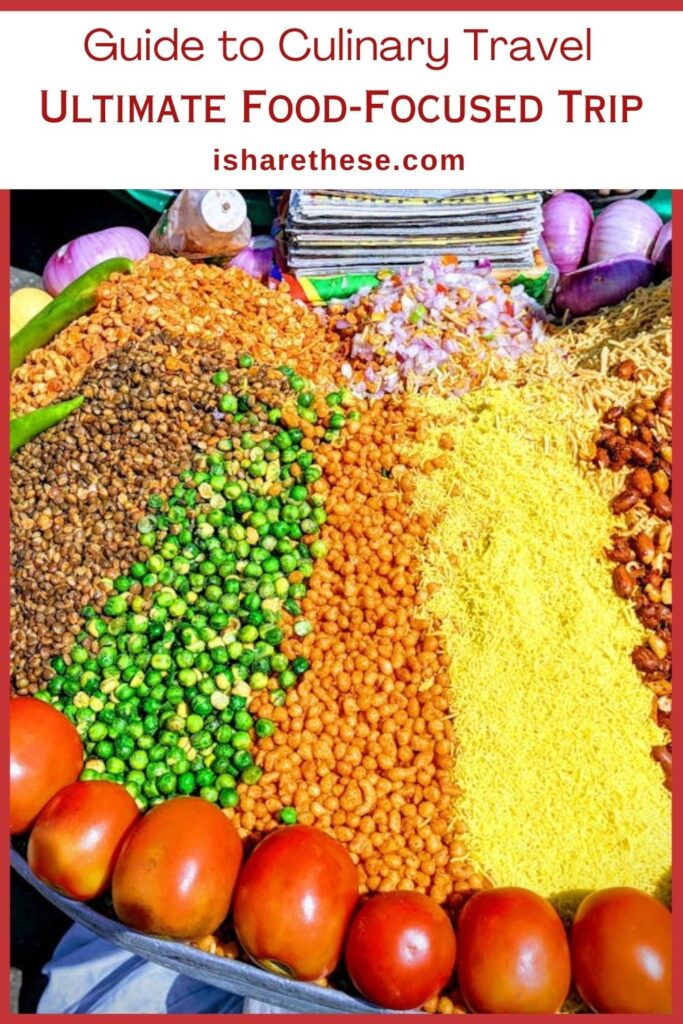
How to Make the Most of Your Food-Focused Trip: A Guide to Culinary Travel
If you’re the kind of traveller who plans trips around meals instead of landmarks, you’re in good company. A food-focused holiday is one of the best ways to experience a place, because eating well usually means living well – at least for a few days. From street snacks to long dinners, food has a way of telling you exactly where you are. The trick is making the most of it without turning every meal into a mission.
Do a little research, then wing it
Before you go on your trip, it’s worth doing some light homework. Look up local specialties, seasonal dishes, and a few places people genuinely love. Knowing what a destination is known for helps you avoid leaving town wondering how you somehow missed the one dish everyone talks about.
That said, try not to plan every meal in advance, and leave space for wandering and last-minute decisions. Some of the best meals come from following a smell down a side street or popping into a place because it’s busy and you’re hungry. A loose plan plus a curious attitude usually beats a packed spreadsheet.
Look to the locals for inspiration
If you want to eat well, pay attention to where locals eat. Skip the places with giant menus and laminated photos out front, and look for spots that feel a little no-frills. Short menus, handwritten signs, and a steady flow of regulars are all good signs. Even local supermarkets can offer some insight into the snacks people are loving – according to Skyscanner, travellers often hit local supermarkets to discover brands they can’t get at home.
Try matching local eating habits, too. Order what’s popular, not what sounds safest, and if you’re unsure, just ask. Most people are more than happy to tell you what they’d order – and that’s usually the best thing on the menu anyway.
Learn as much as you can
A great way to level up a food-focused holiday is to learn something you can take home with you. Cooking classes, market tours, winery visits, or even a long chat with a vendor can add a whole new layer to the trip.
These moments stick with you long after the plates are cleared. Recreating a dish at home or explaining how it’s traditionally eaten brings your travels back to life in a way souvenirs rarely do.
Slow down and enjoy the experience
It’s tempting to treat food travel like a checklist, but the best meals are about more than what’s on the plate. Take your time and notice where you’re sitting, who’s around you, and how the place feels. You don’t need to document every bite to remember it.
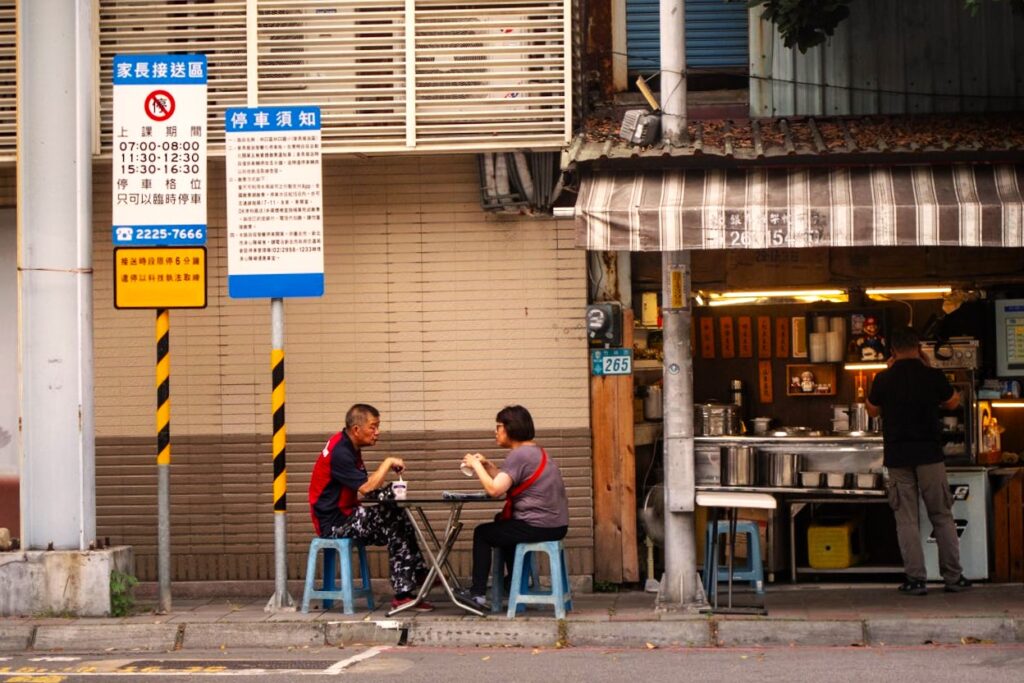
Casual Street Dining Scene in Taiwan
How to Build a Food-First Itinerary (Without Overeating)
When you’re planning a food-focused trip, the biggest mistake isn’t missing famous dishes — it’s trying to eat them all in one day. Food fatigue is real. After the third “must-try” meal, flavours blur and experiences become checklists. A smart itinerary lets you taste widely while staying hungry enough to enjoy it.
Here’s a practical way to pace your appetite.
- Map by Neighbourhood, Not by Dish
Instead of chasing specific foods across the city, group meals by area. Walking between stops naturally creates digestion time and reveals unexpected snacks — a bakery aroma, a street cart, a seasonal fruit stall. Geography should guide your appetite. - Follow the One-Major-Meal Rule
Plan only one heavy meal per day — lunch or dinner. The other should be light: soups, salads, small plates, or street bites. This keeps your palate fresh and prevents that “I wish I hadn’t ordered so much” regret. - Share Everything
Travel like locals dine — communally. Two people ordering four small dishes beats two giant mains. You taste more and waste less. Bonus: restaurants often assume shared plates mean experienced diners and may suggest specialties not on the menu. - Schedule Walking Windows
After each stop, add a 45–90 minute walking buffer: markets, riverfronts, museums, or old streets. Movement resets hunger and sharpens taste perception. Many of the best food discoveries happen between planned meals. - Leave One Slot Unplanned Daily
The most memorable bites rarely appear on blogs. Keep one meal flexible — ask a shopkeeper, taxi driver, or bookstore owner where they eat. This prevents overbooking and makes space for serendipity. - Think in Tastes, Not Meals
A food trip isn’t three meals a day — it’s 8–10 small tastings spread across hours. A tea, a sweet, a pickle, a snack — each counts as an experience without becoming overwhelming.
Travel isn’t about finishing plates; it’s about remembering flavours. Pace your curiosity, and your appetite will follow.
How to Spot a Tourist Trap: 5 Red Flags for Foodies
When you’re Planning a food-focused trip, meals aren’t just pit stops — they’re the destination. But every popular city hides restaurants designed more for wallets than taste buds. Learning to detect a tourist trap early saves both money and appetite.
Here are five reliable warning signs.
-
The “Everything Cuisine” Menu
If one restaurant serves pasta, sushi, burgers, butter chicken, tacos, and pad thai — run. Authentic eateries specialize. A kitchen mastering 80 dishes across 10 countries rarely cooks any of them well. Local favorites usually focus on a region, ingredient, or tradition.
Rule: The shorter the menu, the stronger the flavour.
-
Multilingual Menus with Photos Everywhere
Photos aren’t always bad — but laminated menus in 8 languages with glossy images often signal volume over quality. These places rely on foot traffic, not returning locals.
Better sign: handwritten boards, seasonal items, or dishes explained by staff instead of pictures.
-
Empty Tables Next to a Queue — But Only Tourists
Look closely at who’s eating. If everyone is holding guidebooks, maps, or wearing identical day-tour stickers, you’ve found a convenience restaurant, not a beloved one.
Quick trick: check Google Maps reviews sorted by local language first — not English.
-
Aggressive Staff Outside
Authentic restaurants rarely need someone persuading you at the door. Hawkers saying “Best food in city!” usually means location is their strongest ingredient.
Great food attracts people. It doesn’t chase them.
-
The Perfect View Premium
Restaurants directly facing major monuments often charge for scenery rather than cuisine. Step one or two streets away — prices drop, flavours rise, and locals reappear.
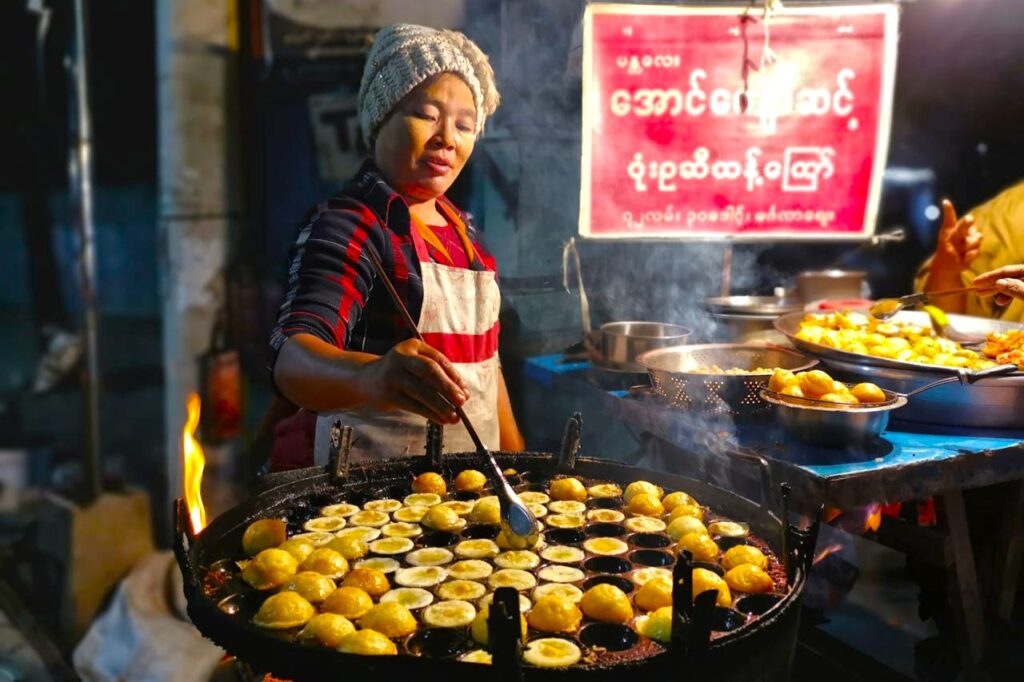
Myanmar local food
FAQ: Common Culinary Travel Questions
When planning a food-focused trip, curiosity often comes with uncertainty. Here are answers to questions travellers frequently ask before eating their way through a new destination.
How do I find authentic local food?
Walk away from landmarks and look for busy places filled with residents, not tour groups. Markets, transport hubs, and small neighbourhood streets are reliable clues. Also check reviews in the local language — they usually reflect everyday diners rather than visitors.
Is street food safe to eat?
Usually yes, if you observe a few basics: choose stalls with high turnover, watch food being cooked fresh, and avoid items sitting uncovered. Hot food is safer than lukewarm food. Trust your senses — smell and activity are better indicators than appearance alone.
Should I book restaurants in advance?
For famous or tiny establishments, yes — especially dinner. But leave some meals flexible. A rigid schedule can make you miss spontaneous discoveries, which are often the highlights of culinary travel.
What if I have dietary restrictions?
Learn key phrases in the local language (“no nuts,” “vegetarian,” “no seafood”). Screenshot them on your phone. Food cards or translation apps help, but clear, simple words and a polite tone work best almost everywhere.
How do I avoid overeating?
Order small portions, share dishes, and pause before adding more. Many cultures eat slowly; follow that rhythm. Hunger returns faster than discomfort disappears.
Is tipping expected everywhere?
It varies widely. Some countries include service charges, others round up bills, and a few rely heavily on tips. Checking local customs beforehand prevents awkward moments.
Final Bite
While planning a food-focused trip, remember: memorable meals hide in neighbourhoods, markets, and small family kitchens — not always on the main square. Walk a little farther, listen for local chatter, and trust curiosity over convenience.
A food-focused holiday is really about pleasure and connection. Eat what interests you, stay open to surprises, and don’t stress about doing it perfectly – if you come home full, happy, and already missing something you ate, you’ve done it right.
Your best travel stories rarely come with a selfie point. They come with a recipe you can’t quite recreate back home.
Pin and Save this for Later