Ultimate Guide to Major Festivals in March 2026: Global Dates and Cultural Traditions
March 2026 brings together some of the world’s most vibrant cultural celebrations. Holi transforms India into a canvas of colors on March 4, while St. Patrick’s Day fills streets worldwide with green on March 17. Eid al-Fitr, expected around March 20–21, marks the end of Ramadan with prayers and feasts across the globe.
I’ve spent years chasing festivals across continents, and March consistently delivers the best mix of spiritual depth and pure celebration. This guide covers exact dates, regional variations, and practical planning tips for experiencing these festivals—whether you’re booking flights to Mathura or finding the best parade spot in Dublin.

Guide to Major Festivals in March
The biggest festivals in March 2026 include:
Holi (India) – Holika Dahan on March 3, 2026; main celebration March 4, 2026
Eid al-Fitr (Global) – Expected March 20–21, 2026 (subject to moon sighting), marking the end of Ramadan 2026
St. Patrick’s Day (Ireland and Global) – March 17, 2026
Shab-e-Barat (Islamic) – March 5, 2026
Chapchar Kut (Mizoram, India) – March 7, 2026
Ugadi and Gudi Padwa (India) – March 19, 2026
These dates create multiple long weekends in March 2026, ideal for travel planning across India and internationally.
The Festival of Colors – Holi 2026
Holi 2026 Date and Rituals
The Holi 2026 date falls on March 4, 2026, with Holika Dahan celebrated the evening before on March 3. Festivities begin after sunset on March 3 when communities gather around bonfires that symbolize the triumph of devotion over evil—rooted in the legend where Lord Vishnu protected his devotee Prahlad from his aunt Holika’s fire. Families circle the bonfire, offer prayers, and roast wheat and chickpeas to share.
March 4 brings Rangwali Holi, the main day of color play. From morning until afternoon, streets explode with gulal (dry colored powder), water balloons, and pichkaris (water guns). Traditional foods like gujiya (sweet dumplings), thandai (spiced milk drink), and dahi bhalla feature prominently in celebrations.
In 2026, two significant trends are reshaping Holi celebrations.
- First, eco-friendly Holi using natural colors made from turmeric, beetroot, and flower petals is gaining mainstream adoption after concerns about synthetic dyes causing skin reactions and water pollution. Major cities including Delhi, Mumbai, and Bangalore now have dedicated organic color markets.
- Second, “mindful Holi” celebrations encourage participants to limit phone usage and engage fully with the experience—a countertrend to the Instagram-heavy celebrations of recent years.
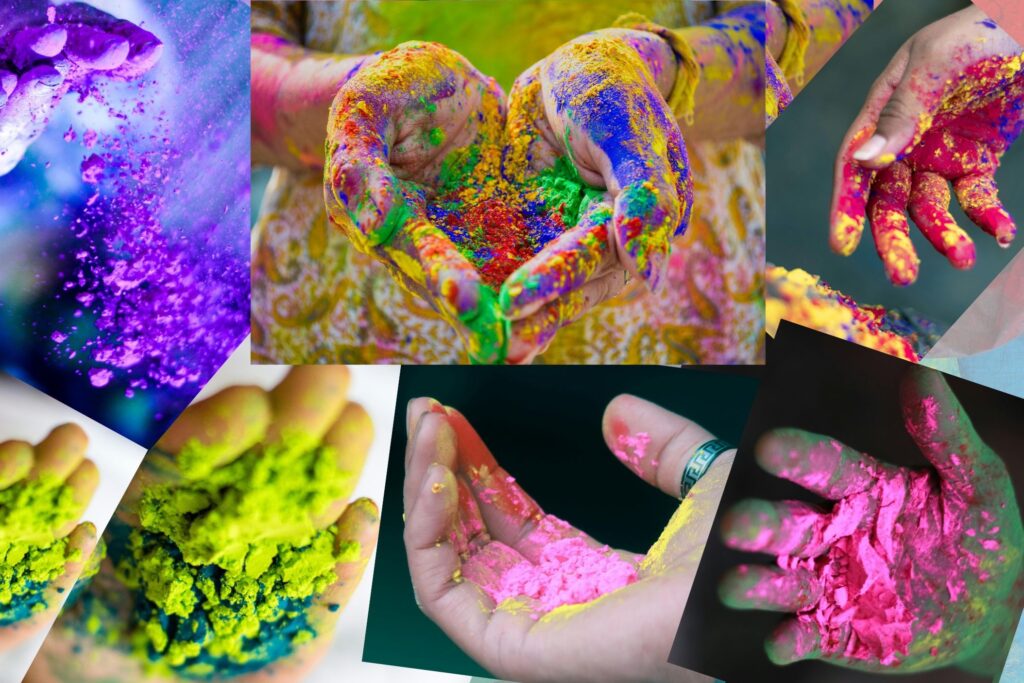
Festival of Colors
Best Places to Celebrate Holi 2026 in India
Mathura and Vrindavan remain the epicenters of authentic Holi celebrations, with festivities stretching over a week. Temples hold special rituals, devotional bhajans fill the streets, and the entire towns become immersive cultural experiences. Book accommodations by early February, as hotels fill completely.
Barsana hosts the unique Lathmar Holi several days before the main festival, where women playfully strike men with bamboo sticks while men defend with shields—a centuries-old tradition recreating Krishna and Radha’s playful encounters. Arrival before 9 AM is essential to witness this ritual.
Shantiniketan in West Bengal celebrates Basanta Utsav (Spring Festival) with cultural performances rooted in Rabindranath Tagore’s vision, offering a refined alternative to boisterous celebrations. Students from Visva-Bharati University perform traditional dance and music before joining the color play.
Pushkar combines Holi with its desert landscape, creating a distinctive visual spectacle. Jaipur and Udaipur organize heritage Holi events at historical venues for travelers seeking controlled environments. Goa merges Holi with beach culture—Anjuna and Vagator host electronic music festivals with color play.
Urban centers like Delhi’s Holi Moo Festival and Mumbai’s organized events cater to those wanting DJ music and curated experiences. Anandpur Sahib in Punjab celebrates Hola Mohalla, a Sikh festival featuring martial arts demonstrations, mock battles, and religious processions—completely different from traditional Holi but equally spectacular.

March Festivals in India
Holi 2026 Safety and Planning Tips
- Preparation for Safe Celebration: Apply coconut or mustard oil generously to exposed skin and hair 30 minutes before festivities to create a protective barrier for easier color removal. Wear disposable clothes, as some colors permanently stain fabrics.
- Choose Safe Colors: Opt for organic gulal from reputable vendors over synthetic ones to avoid allergic reactions and eye irritation. Protect eyes with UV-blocking sunglasses and skip contact lenses.
- Stay Hydrated and Cautious: Drink plenty of water, especially in warmer areas where early March temperatures hit 30°C (86°F). Avoid drinks from strangers due to undisclosed bhang in some celebrations.
- Family Safety Tips: Prefer community-organized events over spontaneous street ones for better safety standards. Research venue reviews and arrival times in advance if traveling with children.
- Transportation Planning: Book return trains or flights for March 5 or later, as March 4 has limited services and delays. In Mathura-Vrindavan, secure private transport ahead of time.
- Respect Boundaries: Embrace the spirit but prioritize consent—never force colors on those who decline. This focus enhances inclusivity in 2026 celebrations.
Ramadan’s Conclusion and Eid al-Fitr 2026
When is the End of Ramadan 2026? Moon Sighting and Eid Dates
The end of Ramadan 2026 depends on the lunar calendar, with moon sighting expected on the evening of March 19 or 20, 2026. Eid al-Fitr will likely fall on March 20 or 21, 2026, though exact dates vary by country and local moon sighting committees.
- Saudi Arabia, UAE, and most Middle Eastern countries typically confirm dates 1-2 days in advance.
- South Asian countries like India, Pakistan, and Bangladesh may celebrate a day later based on regional sightings.
Global Eid al-Fitr Traditions and 2026 Trends
Eid morning begins with special congregational prayers held in mosques, open grounds, and convention centers worldwide.
- In Mecca and Medina, millions gather at the Grand Mosque and Prophet’s Mosque.
- Jakarta hosts one of the world’s largest Eid gatherings at Istiqlal Mosque.
- Turkey celebrates Şeker Bayramı (Sugar Feast) with children receiving coins and sweets from elders.
- In Indonesia, mudik—the mass homecoming tradition—sees over 30 million people traveling to ancestral villages, creating the world’s largest annual human migration.
- Egypt’s streets fill with families visiting cemeteries to honor deceased relatives before gathering for feasts.
- London’s Trafalgar Square, New York’s Times Square, and Toronto’s Nathan Phillips Square host public Eid festivals featuring food stalls, cultural performances, and interfaith gatherings.
The 2026 Eid trend emphasizes sustainability and social responsibility. Communities in Dubai, Istanbul, and Kuala Lumpur are organizing zero-waste Eid bazaars, while mosques encourage charitable giving through structured zakat al-fitr campaigns.
Digital platforms now coordinate food redistribution from restaurants to those fasting during Ramadan, reducing waste while supporting vulnerable communities.
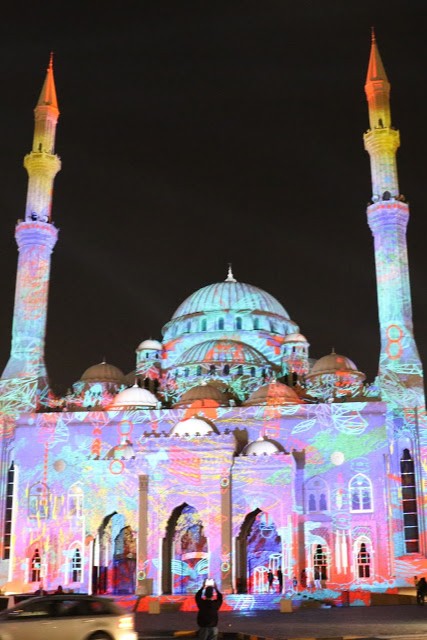
Al Noor Mosque Sharjah Light Festival
Eid al-Fitr 2026 Food Culture
Traditional Eid breakfast dishes vary by region but share festive abundance.
- Middle Eastern tables feature sheer khurma (vermicelli pudding with dates and nuts), Saudi Arabian kabsa (spiced rice with lamb), and Palestinian knafeh (sweet cheese pastry).
- South Asian families prepare sevaiyan (sweet vermicelli), biryani, and kebabs. North African countries serve couscous with meat and vegetables.
- Southeast Asian Muslims enjoy ketupat (rice cakes) with rendang.
In 2026, fusion cuisine is reshaping Eid menus in metropolitan areas.
- London restaurants offer Middle Eastern-Mediterranean brunch platters.
- Dubai chefs create plant-based Eid courses using Beyond Meat in traditional recipes.
- Los Angeles and Toronto feature halal fusion tacos combining Arab spices with Mexican formats.
Health-conscious adaptations are mainstream. Vegan sheer khurma using coconut milk, gluten-free Eid cookies, and sugar-reduced desserts cater to dietary preferences without sacrificing tradition.
Meal kit services in major cities now offer Eid feast boxes with pre-portioned ingredients and recipe cards, making elaborate cooking accessible to busy families.
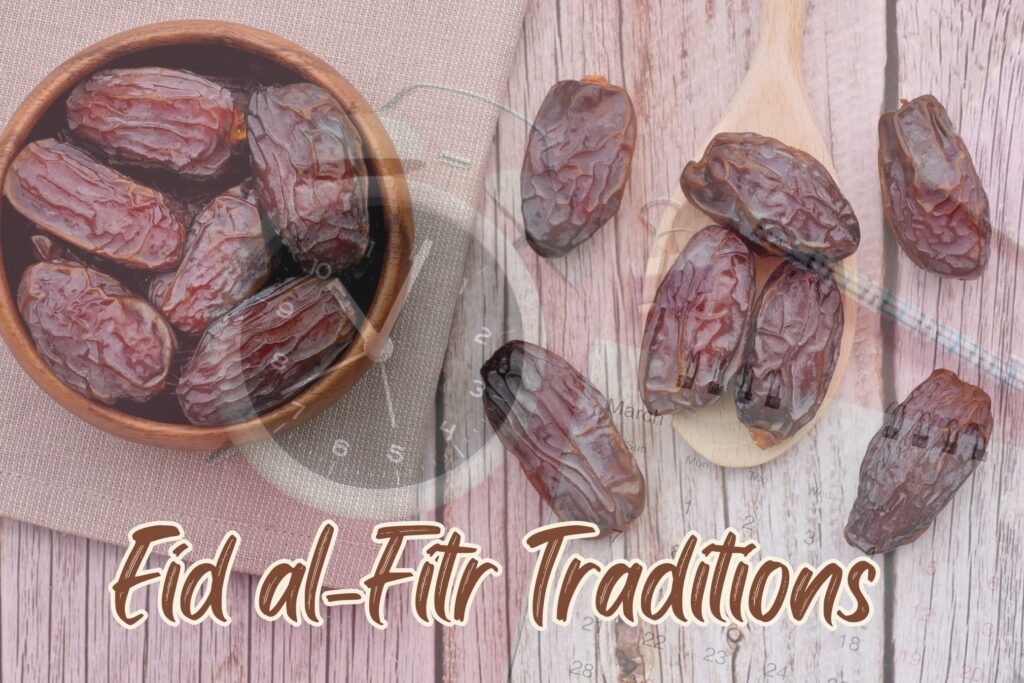
Eid al-Fitr Festival
The “Green” Wave – St. Patrick’s Day 2026
St. Patrick’s Day 2026 Events and Sustainable Parades
St. Patrick’s Day falls on Monday, March 17, 2026, creating a long weekend in Ireland and a public holiday across the island. Major parades are scheduled in Dublin (starting 12 PM), New York City (11 AM, Fifth Avenue), Boston (1 PM, South Boston), and Chicago (12 PM, Columbus Drive).
The 2026 celebrations mark a significant shift toward environmental responsibility.
- Dublin’s official parade now uses biodegradable materials for floats and costumes, with strict bans on single-use plastics.
- Boston’s parade organizers partnered with local environmental groups to implement composting stations every 100 meters along the route.
- Chicago famously dyes the Chicago River green, but in 2026 they’re using a reformulated vegetable-based dye that biodegrades within hours rather than days.
- New York City’s parade, the world’s largest with 150,000+ participants, encourages attendees to use public transportation through discounted MetroCards.
- Dublin offers free public transit on parade day to reduce vehicle congestion.
Community groups participating in parades are showcasing climate action themes—schools display renewable energy projects, while environmental nonprofits educate crowds on conservation.
St. Patrick’s Day – greeting card by Indrani Ghose
Aesthetic St. Patrick’s Day Trends 2026
The visual identity of St. Patrick’s Day 2026 reflects refined tastes over stereotypical excess. Muted greens—sage, moss, and olive—replace bright neon in fashion and decorations. Interior designers are promoting heritage pub aesthetic featuring warm wood tones, vintage Irish posters, and Edison bulb lighting instead of plastic shamrocks.
Irish pubs worldwide are pivoting toward curated experiences. Dublin establishments like The Cobblestone and O’Donoghue’s feature traditional Irish music sessions with set times rather than all-day party atmospheres. Craft beverage offerings include small-batch Irish whiskeys, locally brewed stouts, and non-alcoholic Irish cream alternatives catering to sober-curious consumers.
Social media trends favor authenticity over commercialization. Popular posts showcase Irish heritage through family recipes, Gaelic language lessons, and documentary-style content about Irish history rather than party photos. Pinterest boards titled “Minimalist St. Patrick’s Day”, “Decorations” feature simple linen table settings with wildflower centerpieces.
For travelers, this evolution makes St. Patrick’s Day 2026 more culturally enriching. Galway hosts intimate trad music festivals. Smaller towns like Dingle and Westport provide authentic community celebrations with ceili dancing and storytelling—experiences impossible to replicate in commercialized urban parades.
The modern approach honors Irish culture respectfully while making celebrations environmentally sustainable and inclusive for those seeking meaningful cultural engagement beyond drinking traditions.
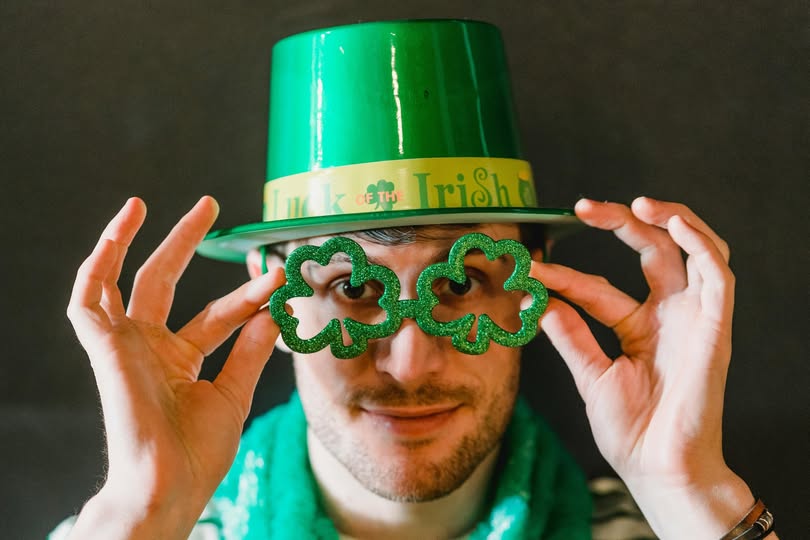
Social media trends for St. Patrick’s Day
Spring Equinox and Regional New Years (Nowruz and Ugadi)
Nowruz 2026: Persian New Year Celebrations
Nowruz coincides with the Spring Equinox on March 20, 2026, at approximately 9:01 AM UTC, marking the astronomical beginning of spring. Celebrated across Iran, Afghanistan, Azerbaijan, Tajikistan, Uzbekistan, and Kurdish regions, Nowruz spans 13 days of festivities.
Preparations begin weeks in advance with Khouneh Tekouni (spring cleaning) symbolizing fresh starts. The centerpiece is the Haft-Seen table displaying seven items starting with ‘S’ in Persian:
- Sabzeh (wheat or lentil sprouts representing rebirth)
- Samanu (wheat pudding for affluence)
- Senjed (dried oleaster fruit for love)
- Seer (garlic for medicine)
- Seeb (apples for beauty)
- Somāq (sumac for sunrise)
- Serkeh (vinegar for patience)
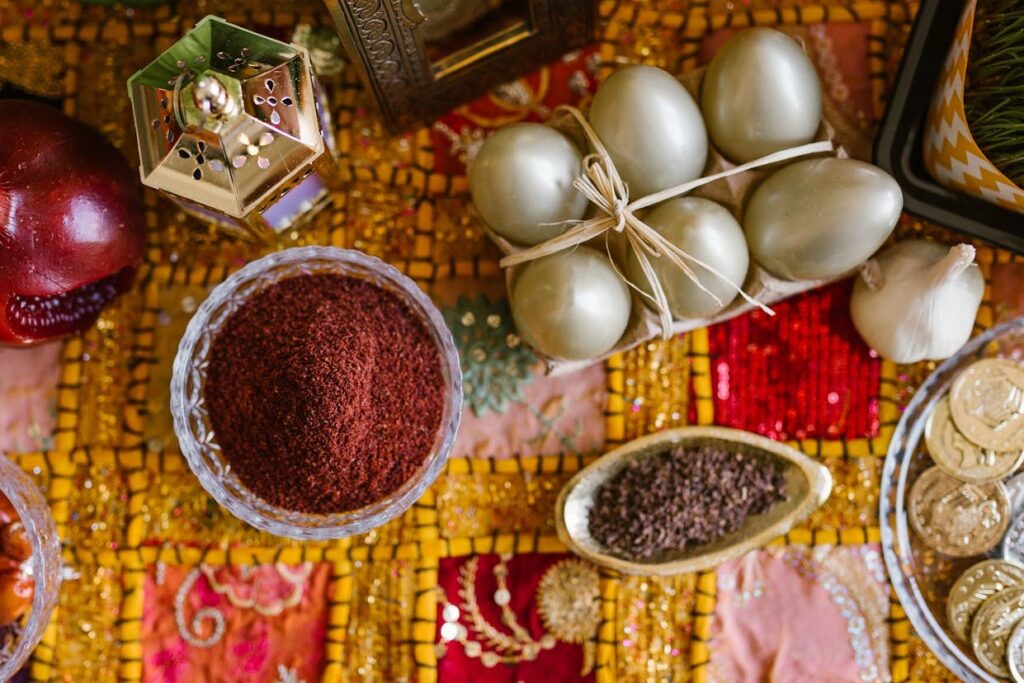
Food On The Table During Persian New Year
Chaharshanbe Suri, celebrated on the last Tuesday before Nowruz (March 17, 2026), features fire-jumping rituals. Families light bonfires at sunset and leap over flames while reciting “Give me your beautiful red color and take back my sickly pallor,” symbolizing purification and renewal.
The United Nations officially recognizes Nowruz as International Day of Nowruz, with cultural events scheduled at UN headquarters in New York.
Ugadi and Gudi Padwa 2026: India’s Spring New Year
Ugadi falls on March 19, 2026, celebrated as the traditional New Year in Karnataka, Andhra Pradesh, and Telangana. Gudi Padwa, Maharashtra’s equivalent, occurs the same day, creating synchronized celebrations across South and Western India.
Morning rituals begin before sunrise with Abhyanga Snanam (oil bath) using sesame or coconut oil, followed by new clothes and temple visits. The essential preparation is Ugadi Pachadi (or Bevu-Bella in Karnataka), a chutney combining six tastes:
- Jaggery (sweetness)
- Neem flowers (bitterness)
- Tamarind (sourness)
- Raw mango (tanginess)
- Salt
- Green chili (spiciness)
Each flavor represents life’s diverse experiences—joy, sorrow, disgust, surprise, anger, and fear.
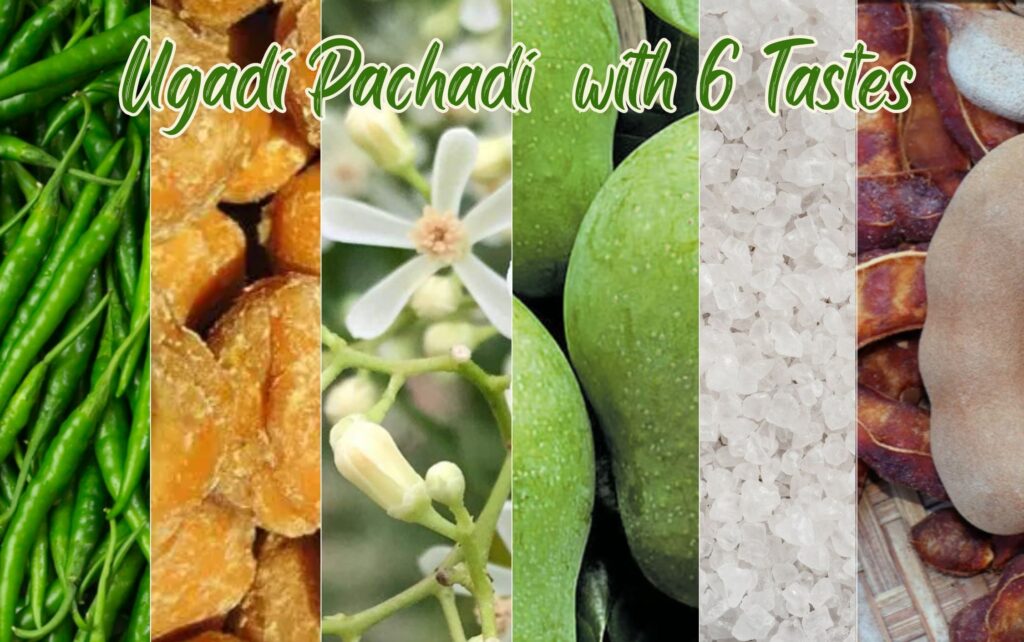
Ugadi Pachadi – a mix of 6 tastes
Panchangam Sravanam—the reading of the new year’s astrological almanac by priests—predicts weather patterns, crop yields, and auspicious dates for the coming year.
In Maharashtra, Gudi Padwa features raising a gudi: a bamboo stick adorned with bright cloth, neem leaves, a copper vessel, and sugar garland, symbolizing victory and prosperity. The tradition commemorates Maratha warrior Chhatrapati Shivaji’s victories.
Both festivals share the spring equinox’s astronomical foundation, celebrating nature’s renewal cycle when day and night achieve perfect balance. In 2026, festivities in Hyderabad, Bangalore, Mumbai, and Pune include cultural programs, traditional music performances, and community feasts bringing together millions across the Deccan region.
Travel and Planning Tips for March 2026
March 2026 Public Holidays and Long Weekends
March 2026 offers exceptional travel opportunities through strategic long weekends. Holi on March 4 (Wednesday) allows extended breaks when combined with weekend leave. Taking March 2, 5, and 6 off creates a 7-day vacation window perfect for Rajasthan or Goa trips.
Eid al-Fitr (expected March 20–21, Friday-Saturday) naturally creates a long weekend. Many Indian states declare public holidays for both Holi and Eid, with government offices and schools closed.
Ugadi/Gudi Padwa on March 19 (Thursday) is a state holiday in Karnataka, Andhra Pradesh, Telangana, and Maharashtra, enabling 4-day weekend getaways.
St. Patrick’s Day (March 17, Monday) is a public holiday only in Ireland, but creates weekend travel opportunities for European visitors.
Booking and Budget Recommendations
Book festival accommodations 6-8 weeks in advance. Mathura-Vrindavan hotels for Holi typically sell out by mid-February, with prices increasing 200-300% during the festival. Budget ₹3,000-₹8,000 per night for basic accommodation. Goa and Pushkar offer more availability but still see 150% price hikes.
For Eid travel in Middle Eastern destinations like Dubai or Istanbul, book flights before mid-February when prices surge. Return flights often operate on reduced schedules during Eid holidays—plan departures for March 23-24 to avoid sold-out flights.
Dublin hotels for St. Patrick’s Day weekend (March 14-18) require booking by January. Expect €150-300/night minimum, versus €80-120 during non-festival periods.
Practical March 2026 Travel Essentials
Weather varies significantly across festival locations. Mathura-Vrindavan temperatures reach 28-32°C (82-90°F) during Holi—pack lightweight, disposable cotton clothing. Ireland averages 6-10°C (43-50°F) in mid-March with frequent rain; waterproof jackets are essential.
For Holi celebrations, carry waterproof phone pouches, old sneakers (not sandals—crowded celebrations risk foot injuries), and extra cash since digital payments often fail in crowded areas. Apply generous sunscreen before color play.
International travelers attending Eid celebrations should respect dress codes—modest clothing covering shoulders and knees in Gulf countries and mosques worldwide. Many restaurants close during daylight hours in Muslim-majority countries during Ramadan (ending March 19-20), so plan meals accordingly if arriving early.
Travel insurance covering festival-related incidents costs approximately $50-100 for 2-week coverage and protects against cancellations, medical emergencies, and lost belongings during crowded celebrations.
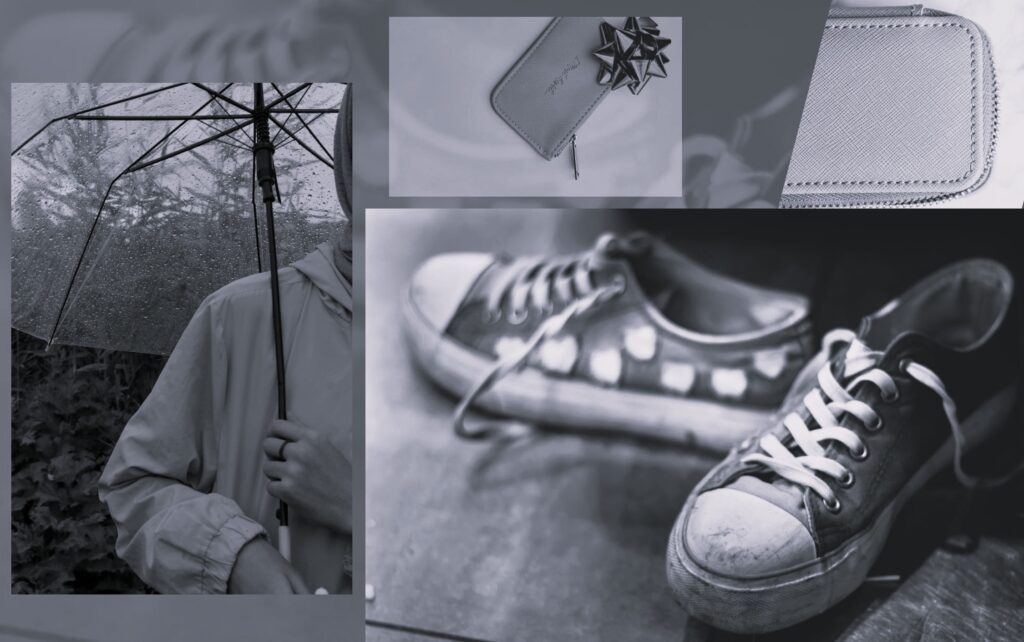
Practical March Travel Essentials
FAQs About Major Festivals in March 2026
Q. What is the exact date of Holi in 2026?
Holi 2026 will be celebrated on March 4, 2026, with Holika Dahan (bonfire ritual) on the evening of March 3, 2026. The main day of color play is March 4.
Q. When does Ramadan end in 2026?
Ramadan is expected to end on March 19 or 20, 2026, depending on moon sighting.
Q. Are there any long weekends in March 2026 in India?
Yes. Holi falls on Wednesday, March 4, creating a potential long weekend when combined with leave on March 2, 5, and 6. Ugadi/Gudi Padwa on Thursday, March 19, and Eid al-Fitr on Friday-Saturday, March 20-21, create another extended break opportunity.
Q. Is St. Patrick’s Day a public holiday outside Ireland?
St. Patrick’s Day (March 17, 2026) is an official public holiday only in Ireland and Northern Ireland. However, many countries host large celebrations and parades, particularly in the United States, Canada, and Australia.
Q. Which Indian states observe Ugadi as a public holiday?
Ugadi on March 19, 2026 is a gazetted public holiday in Karnataka, Andhra Pradesh, and Telangana. Gudi Padwa, celebrated the same day, is a public holiday in Maharashtra and Goa.
Q. What are the best places to celebrate Holi 2026 in India?
Mathura and Vrindavan offer the most authentic temple-based celebrations. Barsana is famous for Lathmar Holi. Pushkar provides a desert setting, while Goa combines Holi with beach parties. Urban options include Delhi and Mumbai’s organized DJ events.
Q. What is the significance of Nowruz?
Nowruz marks the Persian New Year coinciding with the Spring Equinox on March 20, 2026. Celebrated across Iran, Central Asia, and diaspora communities, it symbolizes renewal, rebirth, and the astronomical beginning of spring. The festival has Zoroastrian origins dating back over 3,000 years.
Q. Can non-Muslims participate in Eid al-Fitr celebrations?
Yes. Many mosques worldwide host open houses and community iftars welcoming people of all faiths. Public Eid festivals in cities like London, New York, and Toronto are open to everyone.
Q. Are synthetic Holi colors safe to use?
Synthetic colors can cause skin irritation, eye damage, and allergic reactions. In 2026, organic gulal made from turmeric, beetroot, and flower extraals is widely available and recommended. Apply coconut oil to skin and hair before playing Holi to create a protective barrier.
Q. What is Ugadi Pachadi and why is it important?
Ugadi Pachadi is a ritual chutney prepared on Ugadi combining six flavors: sweet (jaggery), bitter (neem), sour (tamarind), tangy (raw mango), salty (salt), and spicy (chili). Each taste symbolizes different life experiences, reminding celebrants to accept all of life’s moments with equanimity.
Q. What should I pack for Holi celebrations?
Pack old white cotton clothes you don’t mind discarding, closed-toe shoes (not sandals), waterproof phone pouches, sunglasses for eye protection, coconut oil for skin/hair protection, and extra towels. Avoid wearing contact lenses or expensive jewelry.
Q. Which festivals in March 2026 are family-friendly?
All major March festivals welcome families. For Holi with children, choose organized community events with verified organic colors. Ugadi and Gudi Padwa celebrations are entirely family-oriented with temple visits and cultural programs. Eid festivals feature child-friendly activities, and Dublin’s St. Patrick’s Day parade includes dedicated family zones.
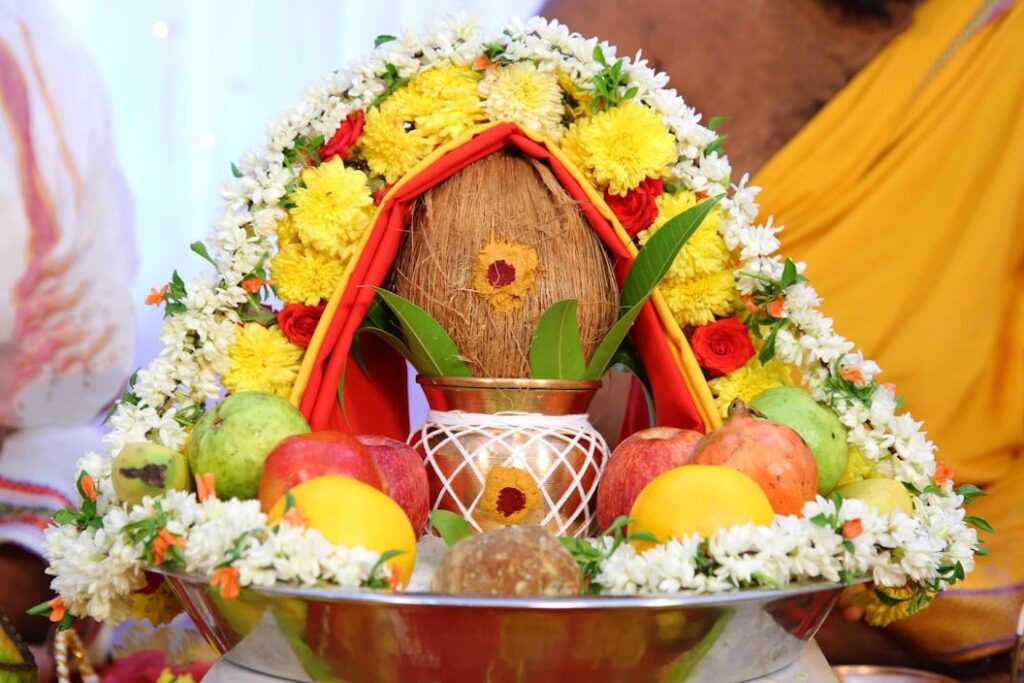
Festivals of India-pot with mango leaves
Conclusion
March 2026 is a festival-rich month that bridges cultures, faiths, and traditions across the globe. From the vibrant colors of Holi to the reflective joy of Eid al-Fitr, the eco-conscious parades of St. Patrick’s Day, and the astronomical significance of the Spring Equinox festivals like Nowruz and Ugadi, this period offers travelers and culture enthusiasts a unique chance to experience renewal and celebration.
With multiple public holidays and long weekends, March 2026 is ideal for planning meaningful journeys that combine heritage, spirituality, and sustainability.
Related posts:
Durga Puja pandals across Bangalore in 2025
Pin and Save this for Later
About the Author
 Indrani Ghose is an Indian Travel Writer and Blogger based in Bangalore, India. She has written for numerous publications across the globe – including Lonely Planet, The National UAE, Whetstone Asia, Deccan Herald. You can follow her on her social media handles Instagram, Twitter, Pinterest and Facebook to see the wonderful destinations, beautiful offbeat places and get instant updates about them.