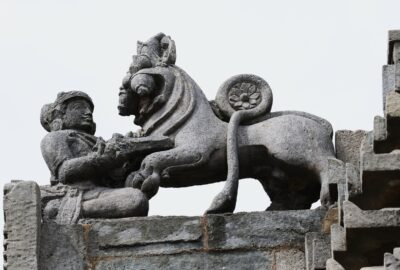
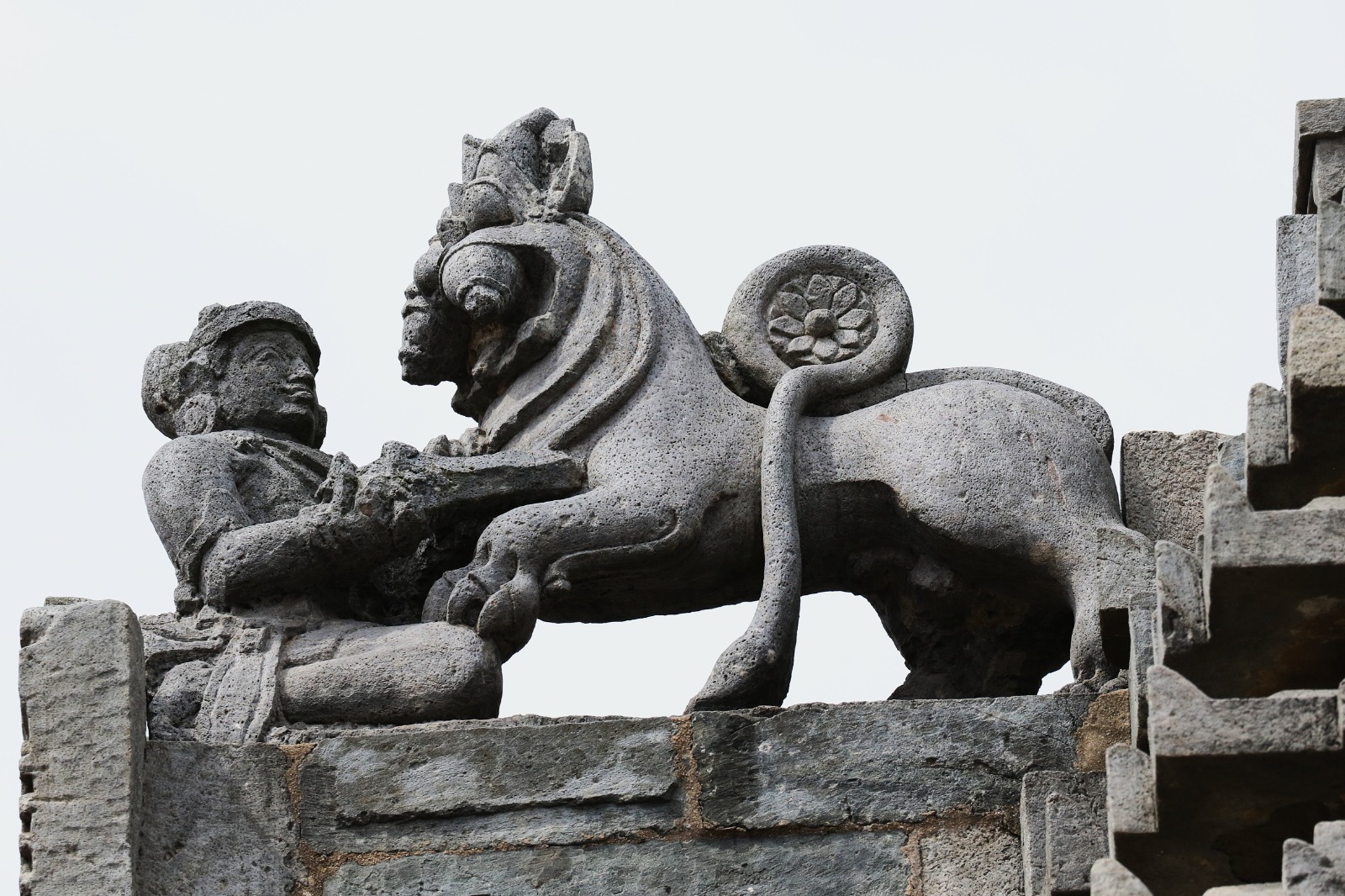
Tiruvannamalai Travel Guide: How to Reach, Stay and Explore (2026)
The Spiritual Energy of Arunachala
I woke up at 5.15 AM in my room at Arudra Residency, and there it was—the 66-metre Rajagopuram of Arunachaleswarar Temple glowing softly against the pre-dawn sky, perfectly framed by my window. That quiet November 2025 moment explained, better than words, why I keep returning to Tiruvannamalai. This was my third visit.
My first, in September 2010, revealed a slower rhythm: temple rituals, the architectural balance of the thousand-pillared hall, and unhurried conversations with resident priests. The second visit, in March 2023, introduced me to the sheer scale of the town—over a million pilgrims moving in unison around Arunachala Hill.
This third visit shifted my focus again—not on crowds or structures, but on something harder to define: the energy that draws people here repeatedly.
– By Indrani Ghose | Last Updated: January 2026

Arunachala Hill at a distance
Arunachala Hill is not just a backdrop to the temple. Geologists describe it as a 3.5-billion-year-old igneous formation. Devotees see it as Shiva in the form of fire and stone. Scientists study its magnetic properties, while pilgrims speak of an inner pull that spans lifetimes. Standing at the base of the temple as the gopuram catches the first light of day, you realise these perspectives may be describing the same truth—using different languages.
This Tiruvannamalai travel guide brings together lived experience and practical planning—from how to reach Tiruvannamalai and navigate the Girivalam route map for 2026, to choosing Tiruvannamalai hotels near the temple or the best ashrams for longer stays. Whether you’re visiting for faith, curiosity, or quiet introspection, this guide is designed to help you arrive informed—and stay grounded.
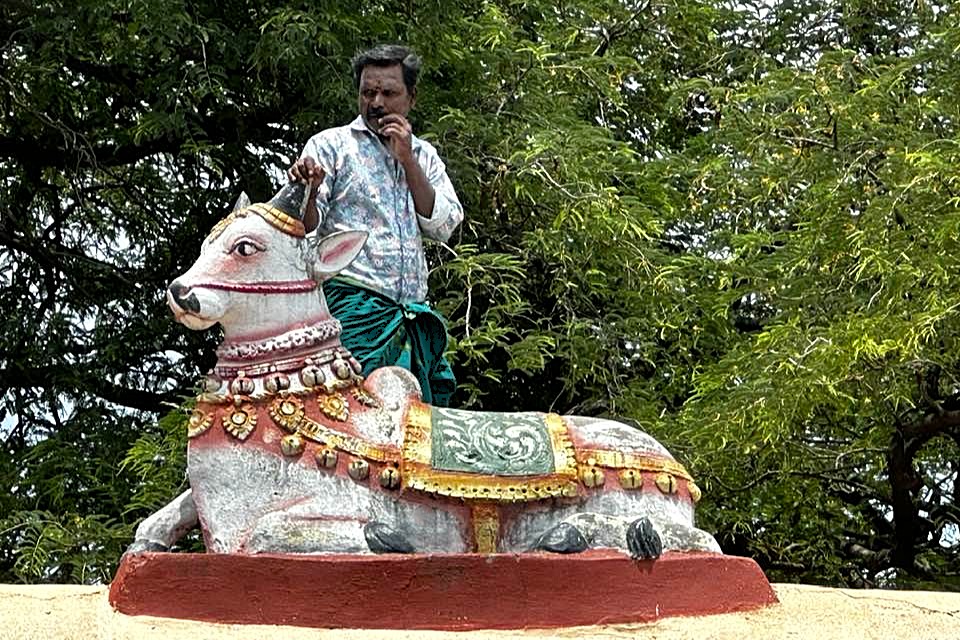
Nandi on Temple complex wall
Getting There: Chennai, Bangalore and Vellore Routes
Reaching Tiruvannamalai is straightforward from major South Indian cities. The town sits at the intersection of well-maintained state highways, with reliable public transport and train connectivity. I’ve traveled by car in all my visits—nevertheless, each mode and route described below has distinct advantages depending on your starting point and schedule.
Distance comparison table:
| From City | Distance | Mode | Time | Cost Range | Best For |
| Chennai | 195 km | TNSTC Bus | 3.5-4.5 hrs | ₹180-350 | Frequent travelers, pilgrims |
| Chennai | 195 km | Car/Taxi | 3.5-4 hrs | ₹3,000-4,000 | Families, flexible schedules |
| Bangalore | 210 km | KSRTC/Private Bus | 4.5-5 hrs | ₹350-600 | Weekend trips |
| Bangalore | 210 km | Self-drive | 4-4.5 hrs | Fuel ~₹1,800 | Scenic route lovers |
| Pondicherry | 100 km | Taxi/Bus | 2.5 hrs | ₹1,500-2,000 | Short getaways |
| Vellore (Katpadi) | 90 km | Train+Bus | 3-3.5 hrs | ₹100-150 | Multi-city temple tours |
Prices verified December 2025; expect 5-10% increase during peak seasons
From Chennai (195 km) – Most Popular Route
The Chennai-Tiruvannamalai route via NH38 takes 3.5-4 hours by car, depending on traffic at Kanchipuram bypass. Tamil Nadu State Transport (TNSTC) runs 40+ buses daily from Koyambedu Bus Terminus, with departures every 30 minutes between 5 AM and 10 PM.
Bus options available:
- Express buses: ₹180-220, 4.5 hours (basic seats, frequent stops)
- Ultra Deluxe: ₹280-350, 4 hours (pushback seats, AC, fewer stops)
- Private operators (VRL, SRS): ₹400-500, 3.5-4 hours
Book via RedBus or TNSTC website, especially 3-5 days before Girivalam dates when buses fill completely.
By car: Google Maps via Kanchipuram-Cheyyar route is fastest. Expect toll charges around ₹150-200.
From Bangalore (210 km) – Weekend Gateway Route
Bangalore to Tiruvannamalai takes 4-4.5 hours via Hosur-Krishnagiri-Chengam (NH44 + SH9). KSRTC operates 8-10 daily buses from Kempegowda Bus Station (Majestic).
Transport options:
- KSRTC Airavat/Flybus: ₹350-450, 5 hours (comfortable, reliable)
- Private operators (SRS, VRL, KPN): ₹400-600, 4.5-5 hours
- Cab services: ₹3,500-4,500 one-way (Ola Outstation, Savaari)
I drove this route in November 2025—the highway quality is excellent post-Hosur, with multiple food stops. The Krishnagiri-Chengam stretch offers scenic views of Eastern Ghats foothills. Budget 30-45 minutes extra during weekends due to Bangalore city exit traffic.
By Train – Via Katpadi or Villupuram Junctions
Tiruvannamalai has its own railway station (station code: TMV), but long-distance trains are limited. Most travelers connect via Katpadi (near Vellore) or Villupuram, both major junctions. From there, passenger trains or buses cover the last stretch.
For 2026, plan ahead during Girivalam dates, as buses and trains fill quickly. Book IRCTC tickets 30 days in advance for festival periods.
Local Transport: Bus Stand to Temple
The main bus stand is 2 km from Arunachaleswarar Temple’s East Gopuram. Options:
- Auto-rickshaw: ₹50-80 (negotiate; use meter if possible)
- Walk: 20 minutes via Car Street (scenic, lined with shops)
- App cabs: Limited Ola/Uber availability
Pro tip: During Girivalam dates, authorities restrict vehicle entry within 1 km of the temple from 4 PM onwards. Walk from bus stand or park at designated lots (₹20-50).
Where to Stay: Hotels and Ashrams by Traveler Type
Tiruvannamalai offers accommodation for every intent—from spiritual ashrams to boutique retreats. I’ve stayed at two different properties over my visits, each serving a distinct purpose. Here’s how to choose based on what you’re seeking.
For Temple Proximity – Walking Distance Hotels
Arudra Residency My Stay: November 2025
- Location: Opposite East Gopuram (literally temple-facing)
- Price: ₹2,500-3,500/night (AC rooms)
- Why I chose it: Waking up to the Rajagopuram view was unforgettable. I walked straight into the temple for 5.30 AM opening—5-minute walk. Perfect for photographers catching golden hour gopuram shots.
- Rooms: Clean, modern, spacious. Hot water, TV, Wi-Fi (decent speed)
- Restaurant: just beside it a vegetarian restaurant
- Booking: Via phone/email, fills fast during full moons
Pro tip for temple proximity stays: Request east-facing rooms for sunrise gopuram views. Book 4-6 weeks ahead for Karthigai Deepam; 2-3 weeks for regular full moons.
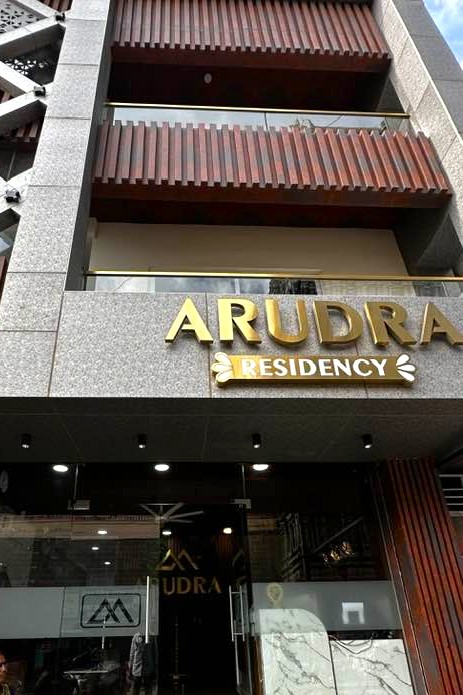
Arudra Residency Tiruvannamalai
For Comfort and Luxury – Boutique Properties
Sparsa Resort (Halez Sparsa Tiruvannamalai) My Stay: March 2023
- Location: 4 km from temple (Chengam Road), surrounded by greenery
- Price: ₹5,000-8,000/night
- Why I chose it: The eco-friendly design, pool, and quiet location is worth experiencing. No temple crowds, just birdsong.
- Rooms: Cottages with private sit-outs, rain showers, organic toiletries
- Dining: Multi-cuisine restaurant, excellent breakfast spread
- Facilities: Swimming pool, spa, yoga sessions, bicycles
- Transport: Hotel arranges temple drops (₹200-300 return)
- Booking: Their website
Why choose outskirts properties? If you’re not doing early morning darshan or prefer post-Girivalam relaxation over temple proximity, these offer better value and amenities. The 15-minute auto ride to the temple (₹100-150) is negligible.
For Spiritual Seekers – Ashram Stays
| Ashram | Location | Cost | Rooms / Atmosphere | Meals | Booking | Experience / Notes |
| Sri Ramana Maharshi Ashram
(Ideal for introspection.) |
2.5 km south of temple, at the base of Arunachala Hill | Donation-based (₹200–500/night suggested) | Basic, clean dormitories; limited private rooms | Free vegetarian meals (Breakfast 8 AM, Lunch 11.30 AM, Dinner 7 PM) | Email 2–3 months ahead; no online bookings | Silent meditation hall, extensive library, 5.30 AM prayers. Simple amenities: shared bathrooms, no TV/Wi-Fi. Dress modestly and follow schedule. I visited with my family (didn’t stay overnight) and found the atmosphere profoundly peaceful. |
| Seshadri Swamigal Ashram | 3 km from temple, near Pavalakundru | Donation-based (₹300–600/night) | Quieter than Ramana Ashram; fewer visitors | Simple vegetarian meals | Direct contact; book 1–2 months in advance for festivals | Peaceful environment with fewer crowds. Strict rules: no alcohol, early curfew (9–10 PM), participation in prayer schedule appreciated. Not suitable for families with young children. |
Budget Options Under ₹1,500
Hotel Himalaya – Near bus stand, ₹800-1,200/night, basic clean rooms
Arunachala Ramana Lodge – Car Street, ₹600-1,000/night, pilgrim-focused
Dharmashalas (various near temple) – ₹200-500/night, very basic, shared facilities
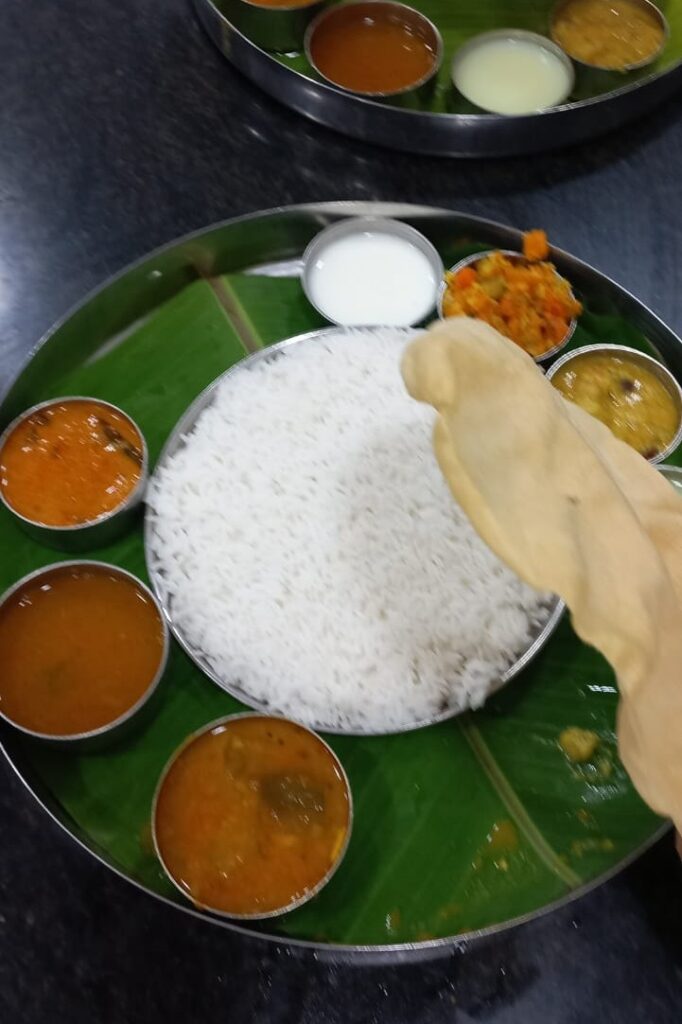
Veg Meal Tiruvannamalai
Exploring Tiruvannamalai: 3-Day Expert Itinerary
Planning a Tiruvannamalai visit works best with a structured itinerary that balances temple rituals, Girivalam, and local exploration. After three visits testing different approaches—rushed day trip (2010), relaxed 2-night stay (March 2023), and focused 1-night photography trip (November 2025)—I’ve learned what works. Here’s a practical 3-day plan in this Tiruvannamalai Travel Guide that captures the complete experience without exhaustion.
Day 1 – Arrival and Temple Immersion
Morning: Arrive early from Chennai (4-hour bus) or Bangalore (5-hour drive). Check into your hotel—if staying at temple-proximity properties, like Arudra Residency, drop bags and grab lunch at local restaurants. (Most restaurants close 3-5 PM.)
Afternoon (12 PM – 4 PM): Spend 3-4 hours exploring systematically.
- Eastern Rajagopuram (main entrance, photograph from outside first)
- Thousand-pillared hall (note the warrior and dancer carvings—bring a flashlight to see details)
- Inner sanctums (no photography here; join the darshan queue)
- Parvati shrine (Apitakuchamba Temple, adjacent to main complex)
Pro tip from my March 2023 visit: The temple’s architecture reveals itself slowly. Don’t rush. Sit in the courtyard and watch how light moves across the gopuram carvings.
Evening (5 PM – 9 PM): Walk Car Street and Sannadhi Street—the temple’s commercial arteries. You’ll find shops selling temple ritual related stuffs, souvenirs to take back home and local eateries.
Return to the temple for the 6 PM Deepa Aradhana—the evening lamp ritual when priests carry oil lamps around the sanctum. This is the temple’s most atmospheric moment; arrive 15 minutes early for good viewing spots. The gopurams light up post-sunset—photograph from the eastern entrance plaza.
Dinner at Annapoorna Restaurant (Car Street) or your hotel.
Day 2 – Girivalam and Ashta Lingams Circuit
Pre-Dawn Start (4 AM – 11 AM): This is your Girivalam day. Start early from the temple’s eastern entrance (Indra Lingam starting point). The 14 km circuit takes 3.5-4 hours with stops at all eight Ashta Lingams.
What to carry: 1-liter water bottle (refill at Varuna), small towel, ₹100 cash for offerings/tea, flashlight, phone for photos.
Late Morning/Afternoon (11 AM – 5 PM): You’ll be exhausted. Return to accommodation, shower, eat, and rest. This is non-negotiable recovery time.
Evening (5.30 PM – 9 PM): Visit Sri Ramana Maharshi Ashram (2.5 km south of temple). Attend the 6.30 PM meditation in the Old Hall where Ramana sat for decades—it’s a profound counterpoint to morning’s physical exertion. The ashram library stocks books on his self-inquiry teachings; the bookstore stays open till 8 PM.
Alternatively, visit Seshadri Swamigal Ashram (3 km away, quieter, fewer tourists). Both offer free evening tea for visitors.
Dinner back in town.
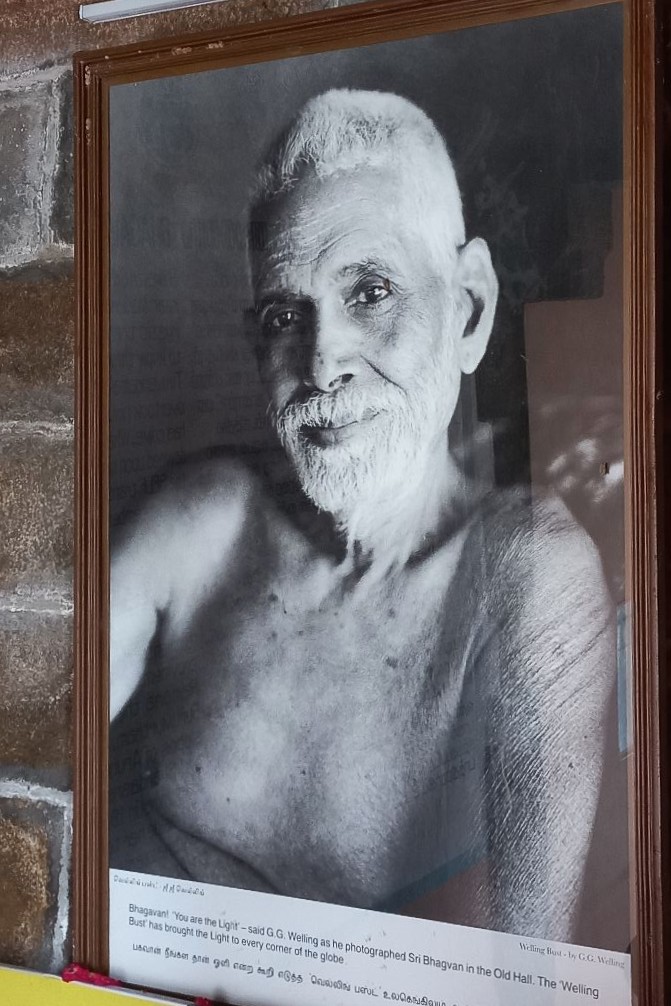
Sri Ramana Maharshi – His portrait inside meditation hall
Day 3 – Hill Trek and Local Culture
Morning (6 AM – 10 AM): Trek to Skandashram or Virupaksha Cave on Arunachala Hill—where Ramana Maharshi meditated for years. The trail starts near Ramana Ashram; it’s a 30–45-minute moderate climb (1.5 km uphill).
What you’ll see:
- Panoramic views of Tiruvannamalai town and temple gopurams
- Cave meditation spaces (open to visitors)
- Monkeys (don’t carry food)
- Morning pilgrims performing pradakshina (circumambulation) of hill sections
Late Morning (10 AM – 12 PM): Return and visit Pavalakundru Temple (5 km from main temple)—a small hillock temple with Jain connections, peaceful and rarely crowded. Or explore Tiruvannamalai’s local market near the bus stand—spices, vegetables, handicrafts, real Tamil life away from tourist zones.
Afternoon (12 PM – 4 PM): Final temple visit for midday darshan and any missed sections—maybe the Parvati shrine or northern gopurams.
Evening Departure (4 PM onwards): Attend one last Deepa Aradhana at 6 PM before leaving—it’s the ritual that bookends every Tiruvannamalai experience perfectly. Watching hundreds of oil lamps circle the sanctum while bells clang and priests chant is a sensory closure to three days.
Depart by 7 PM for Chennai (arrive 11 PM) or Bangalore (arrive 12 AM). If driving, stop at Vellore Fort (90 km) or Kanchipuram temples (100 km) to extend your temple circuit.
Day Trips from Tiruvannamalai: Forts, Dams and Hills
Tiruvannamalai works as a base for exploring Eastern Tamil Nadu’s lesser-known attractions. After three visits focused on the temple, I finally explored the surrounding region during my March 2024 trip—and wished I’d done it sooner.
Gingee Fort (37 km, 1-hour drive): Called the “Troy of the East” by British historians, this 15th-century fort complex sprawls across three hills—Rajagiri, Krishnagiri, and Chandrayandurg. The climb to Rajagiri summit (reached via 500+ stone steps) offers 360-degree views of Tamil Nadu’s plains. I spent 2.5 hours here; the granary, marriage hall, and citadel walls are remarkably preserved.
Entry ₹25, open 9 AM-5 PM. Combine with breakfast at roadside dhabas serving hot parottas.
Sathanur Dam (32 km, 45-minute drive): A 1958 reservoir on the Pennaiyar River with landscaped gardens and a small crocodile park. Ideal for families with kids needing a break from temple intensity. Best visited 4-6 PM for sunset views. Entry ₹10.
Javadu Hills (65 km, 2-hour drive): Tribal hill region with trekking trails, waterfalls (seasonal July-November), and cooler temperatures. Requires full-day commitment.
Padavedu (40 km): Cluster of ancient Jain and Hindu temples; hardcore heritage travelers only—limited facilities but architecturally significant.
These trips add dimension to a Tiruvannamalai itinerary, balancing spirituality with history and nature.
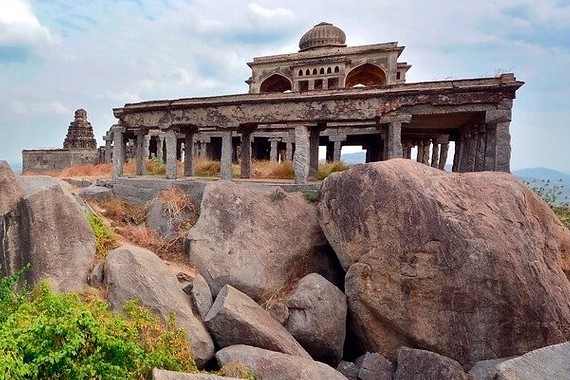
Gingee Fort
Shopping in Tiruvannamalai: Meaningful Souvenirs
Shopping here isn’t about commercialized trinkets—it’s functional devotional items and spiritual texts. The streets around the East Gopuram (Car Street, Sannadhi Street) house 50+ small shops open 6 AM-9 PM.
What to buy:
- Rudraksha beads: ₹50-5,000 depending on mukhi (faces); 5-mukhi commonest (₹100-300)
- Lingam and Nandi: Different sizes, made of glass
- Sacred ash (vibhuti) packets: ₹20-50, blessed at temple
- Brass oil lamps: ₹200-1,500, handcrafted locally
- Books: Ramana Maharshi texts, Arunachala Mahatmya translations at Sri Ramanasramam Bookstore and East Gopuram shops (₹50-500)
- Herbal products: Ayurvedic oils, kumkum, sandalwood paste
I bought a 5-mukhi rudraksha mala (₹250), small sized Lingam and Nandi. Bargaining is minimal; prices are pilgrim-friendly. Avoid tourist outlets outside the temple radius; quality drops sharply.
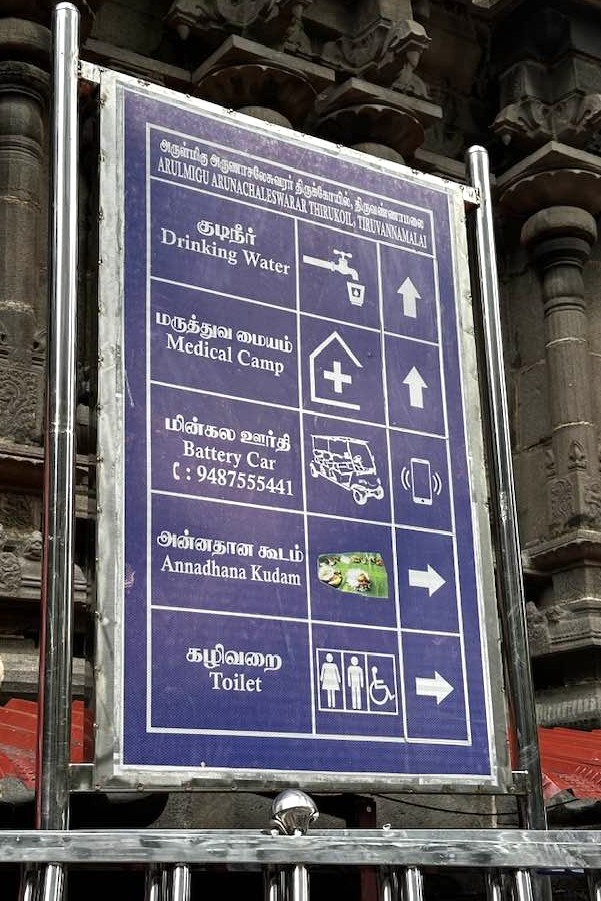
Facilities at Arunachaleswarar Temple
FAQ on Tiruvannamalai Travel Guide
Q1. How do I reach Tiruvannamalai from Chennai or Bangalore?
From Chennai (195 km):
- Bus: TNSTC buses every 30 minutes from Koyambedu (₹180-350, 3.5-4.5 hours). Book via RedBus or TNSTC website.
- Train: Limited direct trains; better to connect via Katpadi Junction (Chennai-Katpadi 2 hours, then bus 2 hours).
- Car/Taxi: NH38 via Kanchipuram, 3.5-4 hours, toll ₹150-200.
From Bangalore (210 km):
- Bus: KSRTC/private operators from Majestic (₹350-600, 4.5-5 hours).
- Car: NH44 via Hosur-Krishnagiri, 4-4.5 hours, excellent highway.
Bus from Chennai is most economical; self-drive from Bangalore is most scenic.
Q2. What is the best time to visit Arunachaleswarar Temple?
November to February (18-28°C) offers ideal weather for temple exploration and Girivalam walks. March-May reaches 38-42°C—my March visit was manageable but uncomfortable by noon.
For Girivalam: Visit during 2026 full moon dates, especially:
- November 5 (Karthigai Deepam): Largest gathering, 1+ million pilgrims
- January 13, April 12, October 8: Significant but less crowded
Weekdays in December-January provide the best balance—cool weather, minimal crowds, full temple access.
Q3. Are hotels available near Arunachaleswarar Temple?
Yes, abundant options:
- Temple proximity: Arudra Residency (opposite East Gopuram, ₹2,500-3,500), Anantharaa Hotel (500m, ₹1,800-2,800)
- Boutique comfort: Sparsa Resort (4 km, ₹5,000-8,000), Athena Hotel (5 km, ₹3,500-5,500)
- Spiritual stays: Ramana Ashram (donation-based, ₹200-500), Seshadri Ashram
- Budget: Hotel Himalaya (₹800-1,200), lodges near bus stand
Book 3-4 months ahead for Karthigai Deepam, 3-4 weeks for regular full moons. I’ve stayed at Sparsa (relaxation-focused) and Arudra (temple access-focused)—both excellent for different purposes.
Q4. What should I wear to the temple?
Men: Dhoti, veshti, or trousers with shirt. No shorts/sleeveless.
Women: Saree, churidar, salwar kameez covering shoulders and knees.
Temple provides dhoti rentals (₹50 refundable) at eastern entrance. Traditional dress isn’t just protocol—it creates shared reverence and helps you blend respectfully into the devotional atmosphere.
Q5. Is Tiruvannamalai safe for solo travelers?
Yes, very safe. Strong pilgrim-support culture, visible police presence (especially during full moons), and community-oriented atmosphere. Solo female travelers report feeling secure, particularly during Girivalam nights when thousands walk together.
Standard precautions apply: inform hotel of plans, carry phone/flashlight for night walks, stick to populated areas. The temple town’s economy runs on pilgrims—locals are generally helpful and protective of visitors.
Q6. Are there vegetarian food options?
Tiruvannamalai is predominantly vegetarian due to temple town status. 95% of restaurants serve only vegetarian South Indian cuisine—dosas, idlis, thalis, rice meals (₹50-150).
Recommended: Annapoorna Restaurant (Car Street), Hotel Arunachala (thalis), Ramakrishna Mutt (free simple meals at lunch). Non-vegetarian options exist in select restaurants away from temple area but are limited.
Q7. Can I visit with kids/elderly family members?
Yes, but plan appropriately:
- Temple: Wheelchair-accessible via eastern entrance ramps to outer courtyards. Inner sanctums have steps.
- Girivalam: Drive the 14 km route with stops at major lingams instead of walking. Or walk partial sections (Indra to Agni: 1.8 km, paved).
- Accommodation: Choose resort properties with pools (Sparsa, Athena) for kid-friendly facilities.
I saw multiple families with elderly members and small children during my visits—the temple town accommodates diverse pilgrims well.
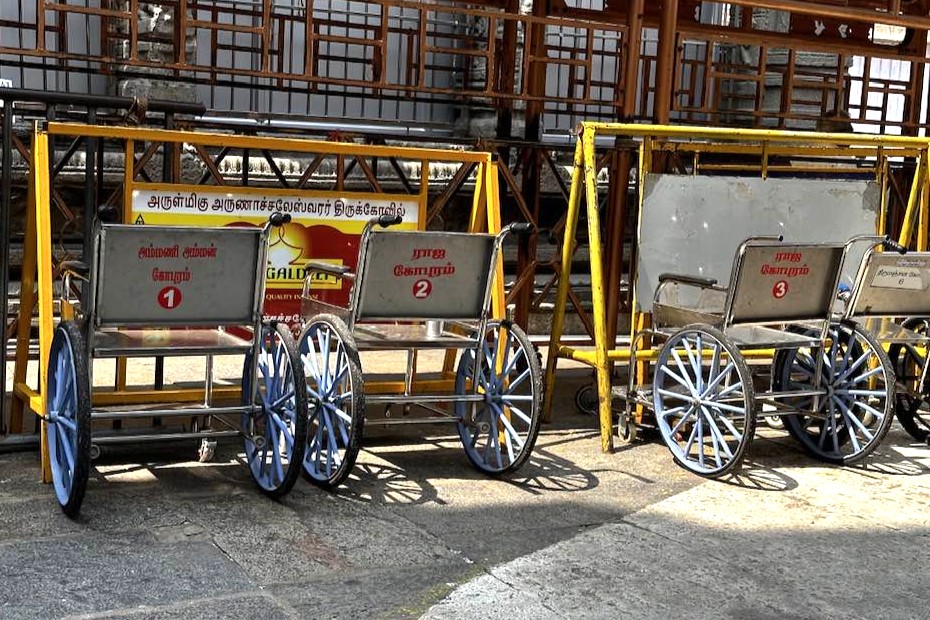
Wheel Chair Facility at temple
Final Thoughts: Why Arunachala Keeps Calling
Tiruvannamalai delivers on multiple levels—ancient temple architecture, living spiritual traditions, and practical pilgrimage infrastructure. After three visits, each trip revealed different dimensions: the overwhelming festival energy of Karthigai Deepam, the meditative quiet of weekday mornings, the physical surrender of completing Girivalam.
Practical tips from my visits: Plan around full moon dates if you want cultural immersion, or weekdays if you prefer architectural study. Book temple-proximity stays (Arudra Residency) for convenience or resort properties (Sparsa) for post-Girivalam recovery. Respect dress codes not as restriction but as participation in shared reverence. Carry water, walk early or late to avoid heat, and let the 14 km circuit unfold at its own pace.
Before you go: Download offline maps (network overloads during festivals), exchange sufficient cash (many shops don’t accept cards), and read at least one chapter of Ramana’s teachings to understand what drew seekers here for millennia. The temple opens at 5.30 AM—set your alarm.
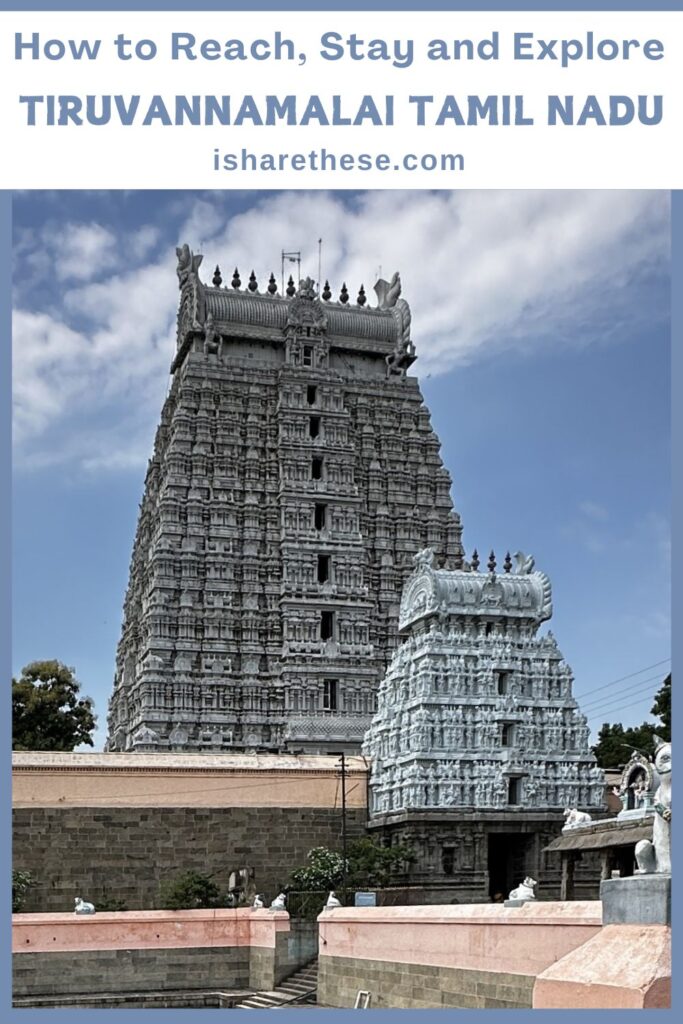
Pin and Save this Tiruvannamalai Travel Guide for Later
About the Author
 Indrani Ghose is a cultural travel writer and heritage documentation specialist with over 15 years of experience exploring and writing about temples across India and Southeast Asia. Having visited over 150 sacred sites, she brings both scholarly depth and personal narrative to heritage travel writing.
Her work has been published in Lonely Planet, The National (UAE), Whetstone Asia, Deccan Herald, and various architecture and heritage journals.
Connect with Indrani: Follow Indrani on Instagram | Twitter | Facebook for heritage travel insights, photography tips, and offbeat destination discoveries.