Best Things to Do in Odawara Japan: A Local Heritage Guide
Beyond the Shinkansen: Why Odawara is Japan’s Most Underrated Heritage Hub
During my visit to Odawara, I quickly realized it’s far more than a convenient Shinkansen stop between Tokyo and Hakone. The city has real depth — layered history, a distinct food culture, and quiet corners that most tourists walk straight past. Odawara Castle, the samurai-era streetscapes, and the centuries-old tradition of kamaboko (fish cake) production all tell stories that connect Japan’s medieval past to its modern identity.
Unlike Hakone’s hot springs or Tokyo’s dense urban energy, Odawara offers a heritage-rich day trip where you can explore genuine hidden gems, eat authentic local food, and find striking photography spots — without the crowds.
If you’re building a Tokyo itinerary and debating between Odawara vs Hakone as a day trip, Odawara deserves serious consideration. It’s one of Japan’s most underrated heritage destinations: accessible by Shinkansen in under 40 minutes from Tokyo. I found it least crowded among the various cities I visited in Japan during the autumn of 2023.
This guide covers the best things to do in Odawara — from castle history to local food traditions — so you can go beyond the train station and actually experience the city.
By Indrani Ghose | Updated in May 2026

Odawara Castle
Planning your last-minute trip to Odawara City?
Here are a couple of helpful links that will guide you explore the Odawara City.
- Odawara Castle and Town Guided Discovery Tour – Discover the history, culture, and people of Odawara on this guided walking tour. Explore Odawara Castle, the Samurai Museum, Ninja Museum, and the historic city.
- Guided Ninja & Samurai Tour of Odawara Castle – Understand the mysterious world of the ninja on a guided tour of Odawara Castle Park. See real armor at the Samurai Museum, walk around the historic castle, and train like a ninja at the Ninja Museum.
Exploring Odawara Castle: A Samurai Stronghold in the Modern Era
Odawara Castle is the city’s defining landmark and one of the most historically significant castles in the Kanto region. The current main keep is a post-war reconstruction, but it functions as a well-curated museum and remains the focal point of the city’s identity.
Walking through the outer gates, you get a genuine sense of scale — this was a serious military installation, not just a residence. The castle grounds are well maintained, with open lawns and seasonal plantings that make the space pleasant to explore at a relaxed pace.
Admission to the castle keep is ¥510 for adults. The grounds themselves are free to enter and worth at least an hour even if you skip the interior.
Photography Tips: Capturing the Main Keep at Golden Hour
Odawara Castle is one of the better Odawara photography spots in the city, particularly in the late afternoon. When I visited in November, the light just before sunset hit the white walls of the keep cleanly, reducing the harsh contrast you get at midday.
For practical guidance:
- Focal length: A 35mm prime at f/5.6 gives a sharp keep with natural background separation. A 16–35mm zoom works well for wider compositions that include the sky or moat.
- Polarizing filter: Useful for cutting glare off the moat surface and deepening the blue in the sky.
- Tripods: Permitted in most outdoor areas. Long exposures during the evening blue hour produce clean results.
- Position: The south-facing approach gives the most unobstructed frontal view of the keep. The area near the inner moat offers angles that include water reflection on calm days.
Cherry blossom season (late March to early April) is the most photogenic time overall, but the November foliage during my visit provided warm tones that worked well against the castle’s white exterior.

Castles of Japan – Odawara Castle stands 7th in this list
The Hojo Clan Legacy: What Most Tourists Miss
Most visitors photograph the castle and move on. What they miss is the political and military significance of what once stood here. The Late Hojo clan — distinct from the earlier Kamakura-era Hojo regents — controlled Odawara from the late 15th century and built it into the dominant power in the Kanto region during the Sengoku (Warring States) period.
Their rule is notable for Castle engineering among other things. Odawara’s defensive network extended well beyond the main keep, incorporating an extensive outer wall (Sotoori) that enclosed much of the surrounding town — an unusual and sophisticated design for the period.
The exhibits inside the keep cover samurai armor, weapons, clan documents, and siege maps. Spending time with these displays changes how you see the castle — it shifts from a photogenic structure to a tangible record of one of Japan’s most consequential power struggles. For anyone interested in Odawara Castle history, this context is what makes the visit worthwhile.

Hojo Clan Odawara – Pic of painting in museum
The Kamaboko Trail: Tasting 900 Years of Tradition
Odawara’s identity isn’t built on castles alone. The city is also the birthplace of kamaboko — Japan’s steamed fish cake — and has been producing it for over 900 years. That’s not marketing copy; it’s a documented culinary heritage tied directly to Odawara’s coastal geography and its access to fresh fish from Sagami Bay. When I visited in November 2023, I expected kamaboko to be a minor footnote on the food trail. It wasn’t. It’s central to how locals understand their city’s identity, and it deserves dedicated time on any Odawara itinerary.
Suzuhiro Kamaboko Museum: A Hands-On Experience
The Suzuhiro Kamaboko Museum, located about 10 minutes from Odawara Station by bus, is the most complete introduction to this tradition. The museum covers the full arc of kamaboko history — from its origins as a samurai-era staple to its current status as a refined regional delicacy — through clear displays and working demonstrations.
The hands-on workshop is the highlight. Join a session where as participants you can mold seasoned fish paste onto wooden boards before steaming. It sounds straightforward until you try it. Getting the texture even and the shape consistent takes more control than expected, and watching the artisans do it quickly and cleanly gave a clear appreciation for the skill involved.
Workshops are available in English and typically run around ¥1,500–¥2,000 depending on the session. Booking ahead is recommended, particularly on weekends.
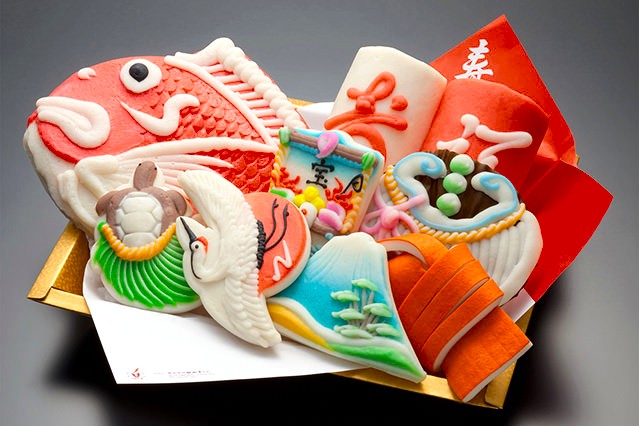
Artistic Kamaboko – traditional Japanese fishcake – pic: https://web-japan.org/trends/11_food/202510_kamaboko.html
Where to Eat: Local Spots Near the Station
For travelers on a tight schedule, Odawara Station’s shopping areas offer immediate access to quality kamaboko. Several dedicated shops sell freshly grilled versions — firm and slightly charred on the outside, with a clean, mild flavor inside. These make for a good quick stop before or after the castle.
If you have time to sit down, local izakayas near the station serve kamaboko alongside regional sake, which is a natural pairing. For the Odawara day trip from Tokyo crowd, picking up a kamaboko bento or a vacuum-sealed pack before boarding the Shinkansen home is one of the more practical ways to extend the experience. It travels well and holds its quality for a day or two.
Odawara’s Best-Kept Secrets: Enoura Observatory and Coastal Views
Most visitors to Odawara spend their time at the castle and the station area, then head back to Tokyo or continue to Hakone. That’s understandable — but it means missing one of the most architecturally distinctive sites in the entire region. The Enoura Observatory sits on a coastal bluff south of the city center and operates at a completely different register from the rest of Odawara’s attractions. It’s quieter, more contemplative, and genuinely surprising if you arrive without expectations.
Architecture and Art: The Hiroshi Sugimoto Influence
Enoura Observatory was designed by artist and photographer Hiroshi Sugimoto as part of the Odawara Art Foundation. The site integrates stone structures, open-air platforms, a glass tea house, and a 100-meter stone corridor — all oriented around light, the sea, and Japan’s ancient solar calendar.
The most striking element is the stone stage aligned with the winter solstice sunrise. On that morning each year, the rising sun passes through the corridor opening and hits the stage directly — a design that connects the site to prehistoric solar observatories and Shinto ritual traditions. Even on a regular visit, the alignment is apparent in how the space is oriented toward the horizon.
Sugimoto’s approach draws on his long-running photographic work with seascapes and time — themes that translate directly into the site’s spatial logic. What makes Enoura work as a visitor experience is restraint. There’s no signage overload, no crowd management infrastructure. The site manages around 30 visitors per time slot, which keeps it unhurried.
Admission is ¥3,200 for adults. Advance reservation is required and fills up, so book early through the foundation’s website.

A Suit of Armour to Terrify the Enemy
10 Things to Do in Odawara City
Inspired by my visit to Odawara? Planning to make a trip to Odawara from Tokyo? Save this list of the best things to do in Odawara if you plan to be there for a day.
1. Odawara Castle
Tour time one hour. Tickets – 510 Y. You can get a combo ticket of 610Y if you wish to see the museums along with the castle. They are located close to each other.
2. Ninja Museum – Tickets – 310 Y.
3. Samurai Museum – Tickets – 200 Y
4. Odawara Castle Park – Tour time is half an hour. Free sight. Open till 5 PM.

Model of Odawara castle
5. Traditional Craft
With rich traditions and festivals still being observed in Odawara City the practice of producing traditional crafts hasn’t died down. You can indulge yourself in making or seeing metal casting of wind chimes, yosegi woodworking, green tea roasting, and chochin making and maybe bring them back home as souvenirs from Odawara city.
6. Odawara Ohoribata Manyo no Yu
It is a hot spring resort. The resort provides a satisfying hotel spa experience, with natural active hot spring water and a variety of high-quality spa services.
7. Hotoku Ninomiya Shrine
Visit the castle’s nearby shrine dedicated to Ninomiya Sontoku. You will find his statue in schools too as he is depicted as carrying firewood on his back and reading a book showing he was always in the act of studying. There is a small pond with koi fish. You can buy fish food to feed the carp in the pond.
Address – 8-10 Jonai, Odawara, Kanagawa 250-0014, Japan

Nature’s beauty and cultural riches converge in the charming city of Odawara.
8. Japanese Festivals
Since Odawara has a long association with castle history many of the traditions and cultural practices are still practiced. Away from the rush of modern cities of Japan, Odawara city is a great place to experience the festivals and their traditional activities.
9. Try Odawara Food
One of the best things to do in Odawara city is to try the local food. Odawara is located on the Pacific Ocean, so fish has been the staple food in the area for centuries. The Odawara speciality is Kamaboko. Kamaboko is a popular surimi style seafood product that can be steamed, broiled, grilled, or baked. Walk around Kamaboko Road near the castle to relish this dish.
Besides that, you can eat Japanese fried chicken, Soba – original Japanese noodle dish, made from buckwheat flour, tempura, Oden – traditional Japanese dish that has various ingredients like Japanese radish, konbu, kamaboko, and more simmered in a savory broth. Ramen – Odawara ramen is known to be soy sauce based with firm noodles that are not straight.
Walking along the streets and hunting out popular Japanese dishes was difficult. However, we managed to relish them in the restaurants in the stations or in the breakfast buffet of hotels.

Soba noodles with a dollop of raw ginger paste, shrimp, vacuum-sealed pack of Kamaboko and sweet potato tempura and Shushi – I had this in Odawara station
10. Coastal Photography: Finding the Blue Hour at Odawara Harbor
The observatory isn’t the only reason to head toward the coast. Odawara Harbor, a short distance away, gives photographers a completely different subject from the castle — working fishing boats, nets, and open water with the Izu Peninsula visible on clear days.
I visited the harbor at dusk in November and found the blue hour conditions particularly clean. A practical note:
- Timing: The blue hour in November arrives quickly after sunset — roughly a 15-minute window. Arriving 20 minutes before sunset gives time to set up and test compositions before the light drops.
The harbor sees very few tourists, which makes it one of the more relaxed Odawara photography spots on the itinerary. Combined with Enoura’s architectural precision, the coastal section of Odawara shows a side of the city that has nothing to do with the castle — and is worth the detour.

Coastline of Odawara City as seen from the castle
The Ultimate Odawara Logistics Guide
Planning an Odawara day trip from Tokyo is straightforward, but the right transit choice depends on your budget, pace, and whether you plan to continue to Hakone. Having made the trip in November 2023 and compared options on the ground, here’s what actually matters when making that call.
Where is Odawara City located?
Odawara city is located in Kanagawa Prefecture, Japan. It’s situated in the southwestern part of the prefecture, along the coast of Sagami Bay. The historical significance of Odawara is well preserved in Odawara Castle, which was a prominent stronghold during the feudal era. Additionally, it’s a popular stop for travelers heading to Hakone due to its proximity and transportation connections.
Tokyo to Odawara: Shinkansen vs. Odakyu Line
Two routes dominate the Tokyo–Odawara connection, and they suit different travel styles:
Shinkansen (from Tokyo Station): Journey time is approximately 35 minutes on the Kodama or Hikari services. A one-way unreserved ticket costs around ¥3,570. It’s the fastest option and the most practical if you’re combining Odawara with Hakone on a single day, where time matters.
Odakyu Line (from Shinjuku Station): The Limited Express Romancecar takes around 70–90 minutes depending on the service. Fares run approximately ¥1,500–¥1,800 one-way. Slower, but meaningfully cheaper — and the Romancecar is a comfortable ride with good window views. If you’re on a budget day trip with Odawara as the sole destination, this is a reasonable trade-off.
One practical note: if you hold a JR Pass, the Shinkansen fare is covered, which removes the cost equation entirely and makes the Shinkansen the clear choice.
Is Odawara a Better Base Than Hakone? A Cost-Benefit View
This is a genuine question worth addressing directly, particularly for travelers planning an Odawara vs Hakone day trip comparison.
Hakone offers hot spring ryokan, mountain scenery, and views of Mt. Fuji on clear days — but mid-range accommodation in Hakone routinely runs ¥20,000–¥40,000 per night, and popular properties book out weeks in advance, especially on weekends.
Odawara offers a practical alternative as a base:
- Cost: Business hotels near Odawara Station start from around ¥8,000–¥12,000 per night — roughly half the Hakone equivalent.
- Connectivity: Hakone is reachable from Odawara in under 30 minutes by Hakone Tozan Railway or bus, so you’re not sacrificing access.
- Local value: Staying in Odawara gives you time with the castle, the kamaboko trail, and the harbor — experiences that a transit-only stop doesn’t allow.
For itineraries that combine heritage and nature across two or more days, Odawara as a base delivers more value without meaningful loss of convenience.

Man hole cover in Odawara city street, Japan
FAQ: Odawara Travel Essentials
How long should I spend in Odawara?
A focused half-day covers Odawara Castle and the main food spots near the station. A full day allows you to add the Suzuhiro Kamaboko Museum, the coastal area, and Enoura Observatory — which requires advance booking and is worth the extra time.
Is Odawara worth visiting on a Tokyo day trip?
Yes. At 35 minutes by Shinkansen, it’s one of the most time-efficient heritage escapes from Tokyo. The castle, food culture, and coastal sites give you a genuinely complete experience within a single day.
What are the must-see attractions?
Odawara Castle is the non-negotiable anchor. The Suzuhiro Kamaboko Museum adds cultural and culinary depth. Enoura Observatory is the hidden gem — architecturally significant, uncrowded, and unlike anything else in the region.
How does Odawara compare to Hakone?
Hakone is built around natural scenery — hot springs, volcanic landscapes, mountain views. Odawara is built around history, food tradition, and coastal culture. They complement each other well, and many travelers cover both in a single trip using Odawara as the base.
Are there English-language resources on-site?
Odawara Castle has English signage and exhibits. Enoura Observatory’s website and booking system are available in English. Suzuhiro offers English workshop support, though availability can vary — confirm when booking.
Where to stay in Odawara City
Looking for accommodations in Odawara? Consider the Odawara Terminal Hotel. We had a comfortable stay here for one night. Located just a minute’s walk from the east exit of Odawara station, this hotel boasts a prime location and inviting comfort, catering to both business and leisure travelers.

Posing in Odawara Castle tower
Final Thoughts
Odawara doesn’t announce itself. It sits quietly on the Shinkansen line, easy to pass through and easy to underestimate. But spend a full day here and the picture changes — a castle with genuine historical weight, a food tradition nearly a millennium old, a world-class observatory that most visitors to Japan never find, and a coastline that rewards anyone who shows up with a camera at dusk.
For travelers building a Tokyo itinerary who want substance alongside the standard highlights, Odawara is one of Japan’s most rewarding underrated heritage stops. It earns the detour.
Loved our Odawara City Travel Guide? Pin it for later

You may like these Castles:
About the Author
 Indrani Ghose is an Indian Travel Writer and Blogger based in Bangalore, India. She has written for numerous publications across the globe – including Lonely Planet, The National UAE, Whetstone Asia, Deccan Herald. You can follow her on her social media handles Instagram, Twitter, Pinterest and Facebook to see the wonderful destinations, beautiful offbeat places and get instant updates about them.