Arunachaleswarar Temple Tiruvannamalai: Complete 2026 Guide
The Call of the Unmoving Hill
Some places call you back, no matter how many times you go. That’s how I feel about Arunachaleswarar Temple in Tiruvannamalai. Standing at the foot of Arunachala Hill in Tamil Nadu, the temple isn’t just a monument—it’s a living presence that shifts with each visit.
I’ve been here three times—once during a quiet September morning in 2010 with kids, again during March 2023, and most recently for a full moon Girivalam in 2025. Each visit revealed something different: the rhythm of the crowds during Girivalam, the quiet corners where devotees sit in meditation for hours, and the sheer scale of the gopurams rising against the sky.
– By Indrani Ghose | Last Updated: January 2026
Arunachala Hill itself is considered the physical form of Shiva, unmoving yet radiating energy. The temple timings (5.30 AM to 8.30 PM) accommodate thousands daily, yet the experience feels personal. Whether you’re researching Girivalam dates for 2026 or exploring Annamalaiyar Temple history, the hill anchors every journey here.
Arunachaleswarar Temple in Tiruvannamalai ranks among the 20 Top Temples to visit in South India.

Raja Gopuram Arunachaleshwarar Temple Tiruvannamalai
The Legend of the Agni Lingam: Why Fire?
The Cosmic Pillar Story
The Arunachaleswarar Temple is dedicated to Shiva as the Agni Lingam—fire as the eternal witness. The legend centers on a dispute between Brahma and Vishnu over supremacy. To settle it, Shiva manifested as an endless column of blazing fire (jyoti stambha) stretching beyond the cosmos. Brahma took the form of a swan to fly upward, while Vishnu became a boar to dig downward. Neither could find the limits.
This story, recorded in the Skanda Purana’s Arunachala Mahatmya, establishes why the hill itself is worshipped as the lingam. Unlike other Jyotirlinga temples, e.g. Grishneshwar Temple in Maharashtra, where the lingam is housed inside, here the entire 2,669-foot Arunachala Hill IS the Agni Lingam. Fire represents illumination, destruction of ignorance, and the warmth of divine presence.
Living the Fire Symbolism
The Agni Lingam spiritual significance isn’t abstract—it’s lived through ritual. Every full moon (Pournami), thousands walk barefoot around the 14-kilometer hill during Girivalam, connecting directly to this cosmic fire energy. I walked it during the November 2025 full moon, starting at 4 AM to avoid crowds, when I concentrated less on photography and more on the walk. By sunrise, the path was packed with families carrying milk pots and coconuts.
The practice isn’t about endurance but surrender—acknowledging that human effort cannot measure the infinite. Standing before the sanctum during evening aarti, watching oil lamps flicker, the fire feels less like myth and more like immediate presence. As Ramana Maharshi taught here for decades, Arunachala guides seekers inward, burning away the illusion of separation.
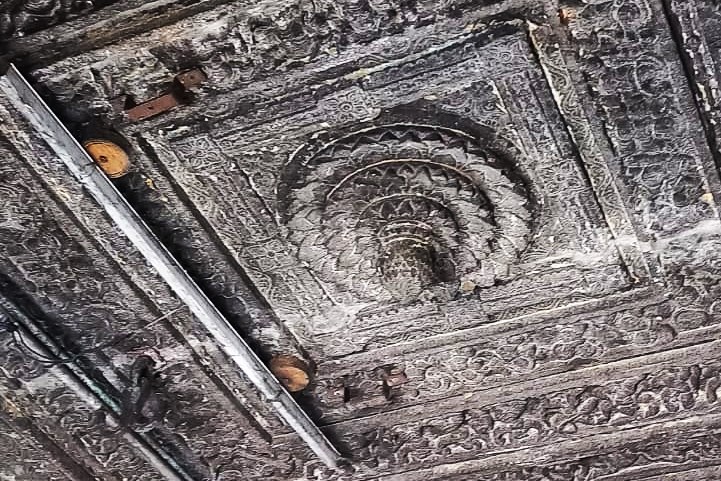
Ceiling Sculpture
Architectural Grandeur: 9 Towers and 1,000 Pillars
The Rajagopuram and Nine Gateways
The Arunachaleswarar Temple covers 25 acres, making it one of India’s largest temple complexes. Its architectural grandeur centers on nine gopurams (towers) and the legendary thousand-pillared hall. The eastern Rajagopuram, completed in 1572 CE during Vijayanagara king Krishnadevaraya’s reign, rises 217 feet (66 meters)—visible from 15 kilometers away.
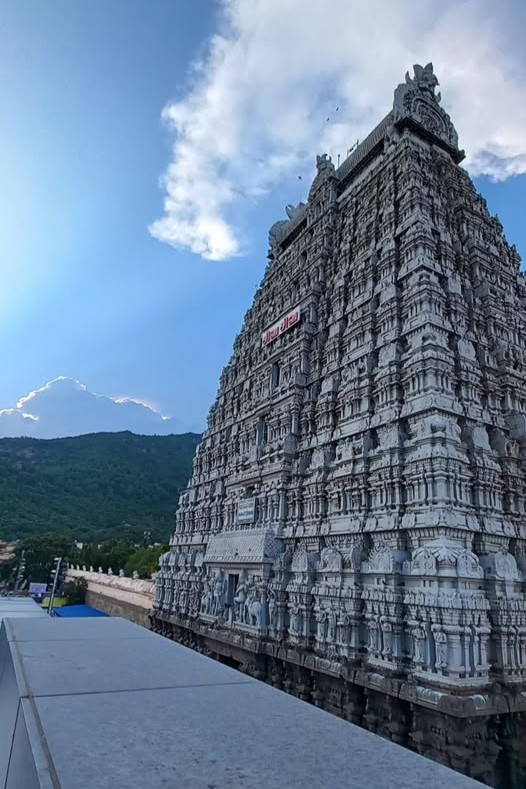
East Gopuram of Arunachaleswarar Temple – Picture taken from my Hotel window. I stayed just across the road.
Each gopuram marks cardinal entrances, with the eastern tower serving as the main gateway for Girivalam pilgrims. The carvings depict 63 Nayanmars (Shaivite saints), episodes from the Periya Puranam, and scenes of Shiva’s cosmic dance.
Walking through these gateways feels like moving through layers of history—Chola foundations (9th-11th century) overlaid with Vijayanagara expansions (14th-17th century). During my March 2023 visit, I spent an hour photographing the western gopuram’s detailed stucco work, less crowded than the main entrance.
The Thousand-Pillared Hall (Aayiram Kaal Mandapam)
Built around 1509 CE, the thousand-pillared hall showcases Vijayanagara architectural mastery. Stone pillars feature intricate carvings—warriors on horseback, celestial dancers (apsaras), and depictions of various Shiva forms. The symmetry reflects the empire’s emphasis on geometric precision.
During major festivals like Arudra Darshan (December-January), this hall transforms into a living stage filled with devotional music, oil lamps, and thousands of worshippers. Plan to witness the Annabishekam ceremony here during your visit—watching priests ceremonially bathe the deity in rice is mesmerizing. The acoustics naturally amplify chants, creating an immersive sonic experience.
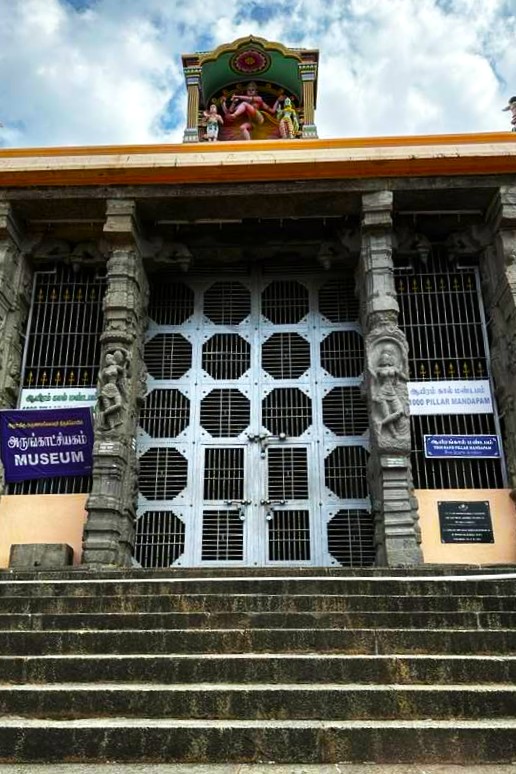
1000 pillar Mandapam
Practical Design for Pilgrims
What struck me most was how grandeur serves function. Despite the complex’s size, pathways are designed for smooth flow, handling 25,000+ daily visitors during peak seasons. The temple maintains four main entrances, each with shoe-keeping facilities and clear directional signs.
The architecture mirrors spiritual symbolism: the towering Rajagopuram represents ascent toward the divine, while vast courtyards embody faith’s openness. For heritage travelers, this is a masterclass in Dravidian temple design. For repeat visitors like me, it’s proof that monumental architecture can remain deeply human and accessible.
Essential 2026 Girivalam Calendar and Guide
2026 Full Moon Dates
Girivalam—the sacred 14 km circumambulation of Arunachala Hill—happens every Pournami (full moon), but devotees especially pack the path during these 2026 dates:
- January 13 (Thai Pournami)
- April 12 (Chithirai Pournami)
- July 10 (Aadi Pournami)
- October 8 (Aipasi Pournami)
- November 5 (Karthigai Deepam – largest gathering, 1+ million pilgrims)
- December 4 (Margazhi Pournami)
Note: Dates follow the Tamil lunar calendar and may shift ±1 day. Verify 2-3 weeks ahead via the temple’s official website or local notices.
I’ve walked Girivalam twice—during Karthigai Deepam 2022 (overwhelming crowds, started 2 AM) and March 2024 full moon (manageable, started 6 PM). The experience differs dramatically by timing.
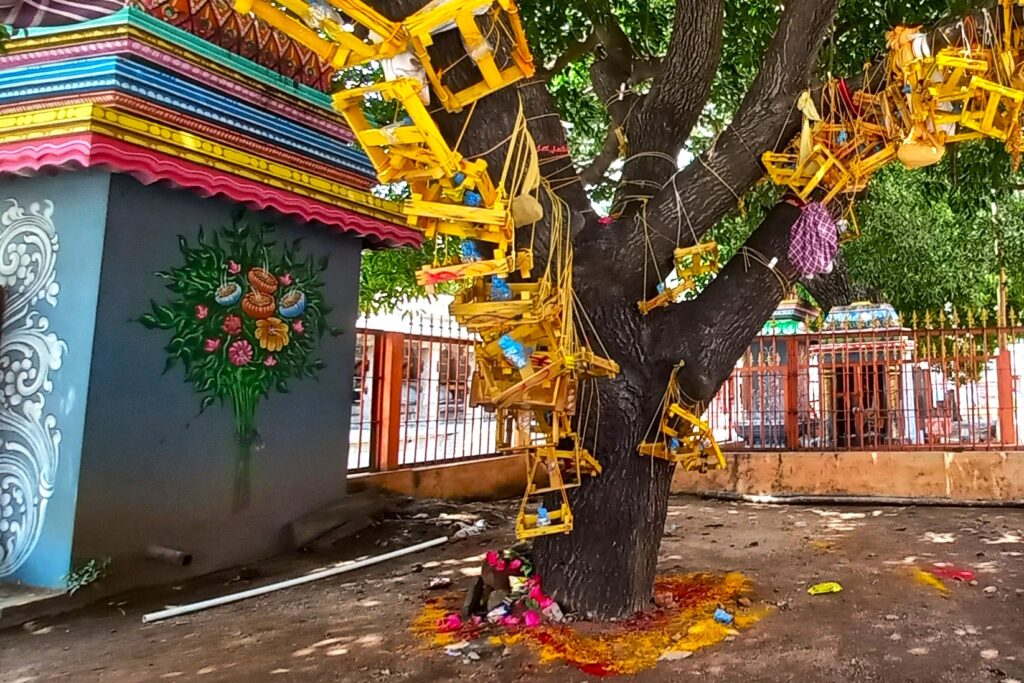
Sthalavirucham Magizhamaram in Arunachaleswarar Temple Tiruvannamalai
Planning Your Walk
The path stays open 24/7, but full moon nights carry spiritual weight. Local authorities deploy 500+ police during major Girivalam dates, close vehicle traffic from 4 PM to 6 AM, and set up 50+ water stations.
Insider tips from my walks:
- Start 5-6 PM to finish by 11 PM (3.5-4 hour pace)
- OR start 3 AM for sunrise completion (ethereal, fewer crowds)
- Carry a small flashlight—some path sections lack lighting
- Download offline maps; mobile networks get overloaded
The Girivalam dates 2026 calendar determines when Arunachaleswarar Temple pulses with maximum energy. Whether for spiritual significance or cultural immersion, align your visit with the full moon rhythm.
Walking the 14km Path: The 8 Ashta Lingams
Understanding the Sacred Circuit
The Girivalam path isn’t just a walk—it’s a journey through eight directional shrines called Ashta Lingams, each representing a cosmic aspect of Shiva. The 14 km circuit takes 3-4 hours at a moderate pace, with lingams spaced roughly 1.5-2 km apart.
I’ve completed this walk three times, and stopping at each shrine transformed it from endurance test to spiritual geography lesson. The lingams aren’t mere waypoints—they’re narrative anchors that give the hill its sacred structure.
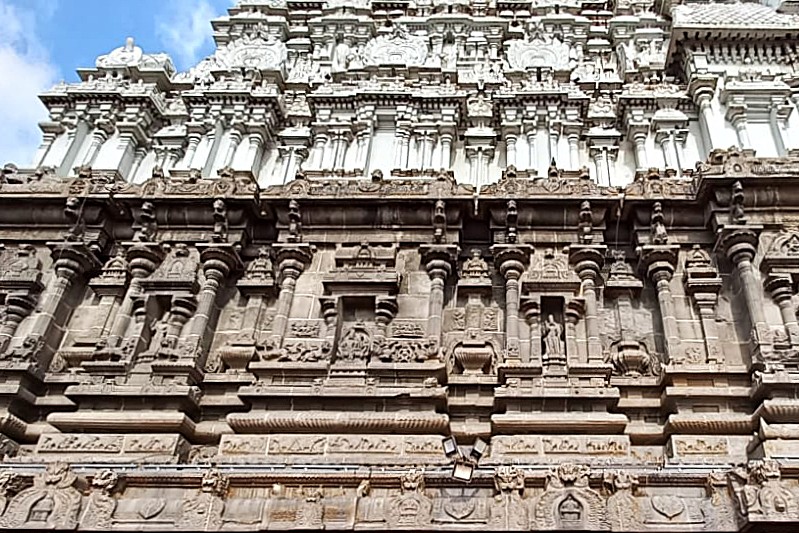
Temple Gopuram Facade sculptures
The Eight Directional Shrines
- Indra Lingam (East, 0 km) – Located near the Arunachaleswarar Temple’s main entrance, this shrine honors Indra, god of rain and prosperity. Most pilgrims begin here after evening temple darshan. I’ve noticed families performing small pujas with flowers and coconuts.
- Agni Lingam (Southeast, ~1.8 km) – Symbolizing fire, this directly connects to Arunachala’s identity as the cosmic fire pillar. During my November 2025 walk, the priest explained that devotees light camphor here to honor the hill’s fiery origin. The shrine feels charged, especially near the sanctum.
- Yama Lingam (South, ~3.5 km) – Dedicated to death’s deity, this reminds pilgrims of impermanence. The atmosphere turns contemplative here—fewer selfies, more silent prayer. An elderly devotee told me she stops here to pray for deceased relatives.
- Niruthi Lingam (Southwest, ~5.3 km) – Linked to protection from negative forces, this quieter shrine sits slightly off the main path. I nearly missed it during my first walk; look for the small board 20 meters to the right.
- Varuna Lingam (West, ~7 km, midpoint) – Representing water and purification, this marks the circuit’s halfway point. Tea stalls cluster here. I’ve used this stop to refill water and rest under the tamarind trees—locals say they’re 200+ years old.
- Vayu Lingam (Northwest, ~8.8 km) – Dedicated to air/wind, symbolizing freedom. The breeze genuinely picks up here due to the hill’s slope and open terrain—locals claim it’s Vayu’s blessing, but it’s also basic geography.
- Kubera Lingam (North, ~10.5 km) – Associated with wealth, this shrine sees heavy traffic from business owners and merchants. Expect crowds on auspicious dates.
- Isanya Lingam (Northeast, ~12.2 km) – The final shrine, representing spiritual liberation (moksha), feels like a culmination. Many pilgrims sit here in meditation before completing the last 1.8 km back to the starting point.
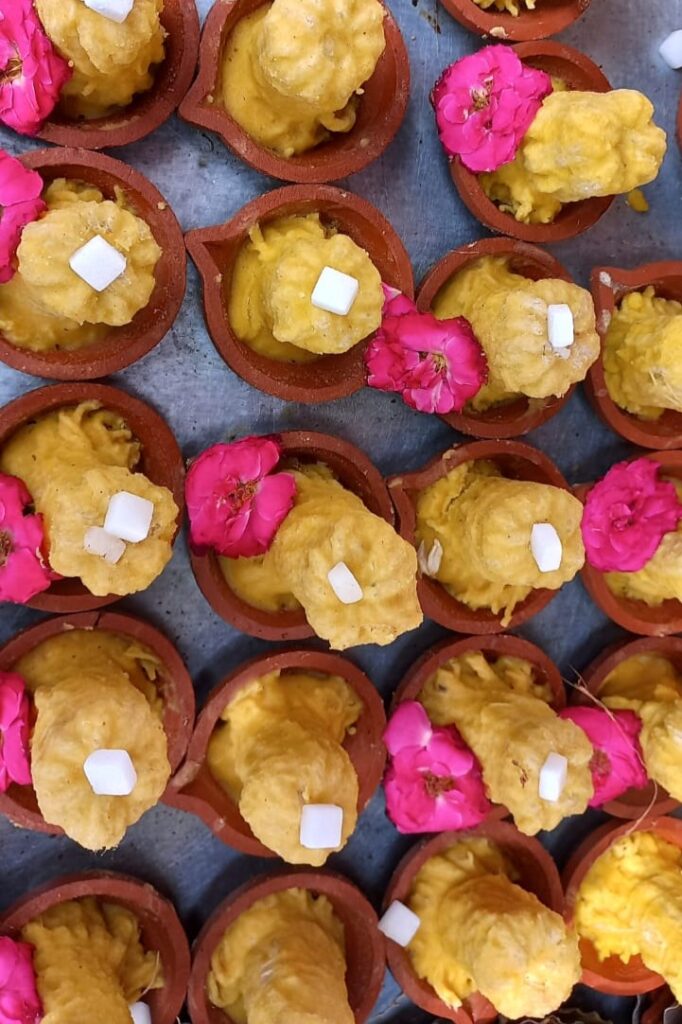
Ghee lamps for sale in the temple market
Ground-Level Observations
Walking barefoot taught me rhythm. The path alternates between smooth pavement, rough gravel, and occasional stone stretches. I have seen pilgrims wear thin sandals—walk with devotion and yet avoided blisters.
Each lingam has its micro-culture. Indra and Kubera lingams are bustling with priests and vendors. Niruthi and Vayu are contemplative, almost forgotten by casual pilgrims. The Agni Lingam spiritual significance draws temple-trained devotees who perform elaborate rituals.
The path itself offers more than shrines: 15+ food stalls, 6 public toilets (basic but functional), countless small temples, and spontaneous community spaces where locals distribute free food (annadanam). During Karthigai Deepam, the entire 14 km becomes a moving festival—lights, music, families camping on roadside grass.
For heritage travelers, this circuit reveals how geography shapes devotion. For me, visiting it three times feels like peeling layers—each visit revealed something my previous ones missed.
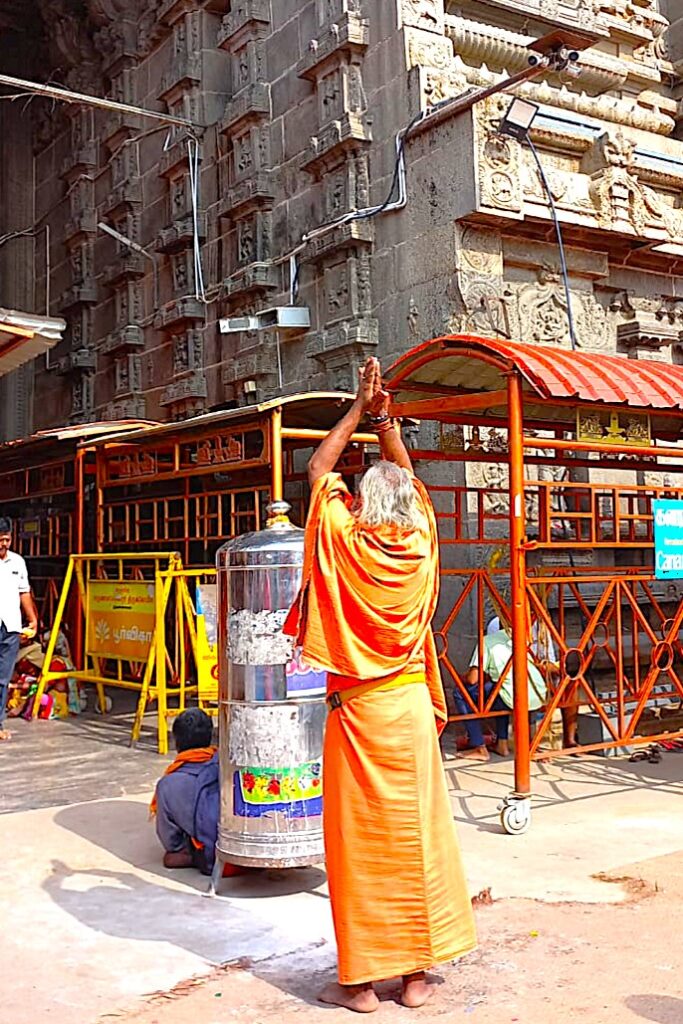
Devotion and Prayers
Insider Tips from 3 Visits (Photography and Vibe)
After visiting Arunachaleswarar Temple in Tiruvannamalai three times across different seasons, I’ve learnt that timing and mindset shape the experience as much as belief does. This Arunachaleswarar Temple Tiruvannamalai guide section focuses on practical, on-ground insights—especially useful if you plan to photograph the temple or walk around Arunachala Hill.
Best time for atmosphere: Early mornings between 5.30–7.30 am offer the calmest vibe. The temple has just opened, priests move with purpose, and the crowd is largely local devotees. Evening aartis are powerful but packed. On Girivalam dates in 2026—especially full moon (Pournami)—expect dense crowds throughout the day and night.
Photography tips: Phones and cameras are not allowed inside the main temple shrines. However, the outer corridors, gopurams, temple tank, and streets around the temple are excellent for photography. I’ve captured my best images just after sunrise, when the eastern gopuram catches soft light. During festivals like Karthigai Deepam, the energy is unmatched, but movement is restricted—plan wide shots, not detail-heavy frames.
Dress and movement: Dress modestly and light. You’ll walk more than expected, even if you’re not doing full Girivalam. Footpaths around Arunachala Hill vary in quality; good walking shoes matter (some devotees do the walk bare-footed). Carry water, but avoid plastic during the Girivalam walk—locals appreciate this sensitivity.
Understanding the vibe: This is not a “quick darshan” temple. The Agni Lingam spiritual significance is deeply tied to patience, heat, and surrender. Some visits feel overwhelming; others feel still. Both are valid. Don’t rush to “feel something.” Let the place do its work.
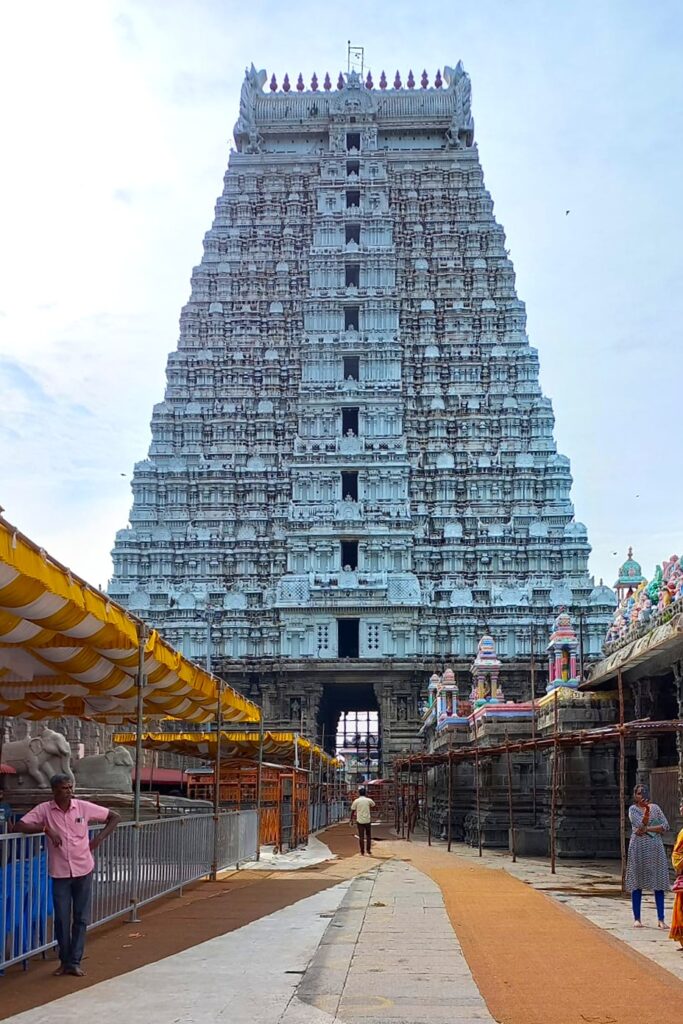
2nd north Gopuram in Arunachaleswarar Temple
Practical Info: Timings, Dress Code, and Best Time to Visit
Temple Timings and Key Rituals
Arunachaleswarar Temple timings (verified December 2024 via official notice board):
- Morning: 5.30 AM – 12.30 PM
- Evening: 3.30 PM – 8.30 PM
Don’t miss these rituals:
- Morning Abhishekam (Usha Kalam) (6 AM) – deity bathed with water, milk, honey
- Evening Deepa Aradhana (6 PM) – oil lamp procession, most atmospheric ritual
- Night worship (Irandam Kalam) (8 PM) – final darshan before closing
During Girivalam full moons, the temple remains open till 10 PM, but expect 1-2 hour queues for sanctum darshan. I’ve learned to visit the temple AFTER completing Girivalam (around 10 PM-11 PM) when crowds thin.
Dress Code and Temple Etiquette
Men: Dhoti, veshti, or trousers with shirt (no shorts, sleeveless) Women: Saree, churidar, or salwar kameez covering shoulders and knees
Temple provides free dhoti rentals (₹50 refundable deposit) near the eastern entrance—I’ve used this twice when arriving in travel clothes. Remove shoes at designated counters (free, token-based system).
Photography: Allowed in courtyards and gopuram areas. Strictly prohibited inside sanctums and during rituals. My advice: focus on architectural details during quiet morning hours for best shots without crowds.
Best Time to Visit
For Girivalam: 2026 full moon dates, especially November 5 (Karthigai Deepam) For temple exploration: Weekday mornings (6-8 AM), minimal crowds Weather: November-February (18-28°C), ideal for walking. Avoid April-June (35-42°C, brutal for the 14 km circuit)
Accessibility note: Temple courtyards are wheelchair-accessible via ramps at the eastern entrance. Girivalam path has uneven sections; mobility-challenged visitors can drive the route with stops at major lingams.
Entry: Free. No tickets required. Expect donation requests from priests for special pujas (₹50-500 range, optional).
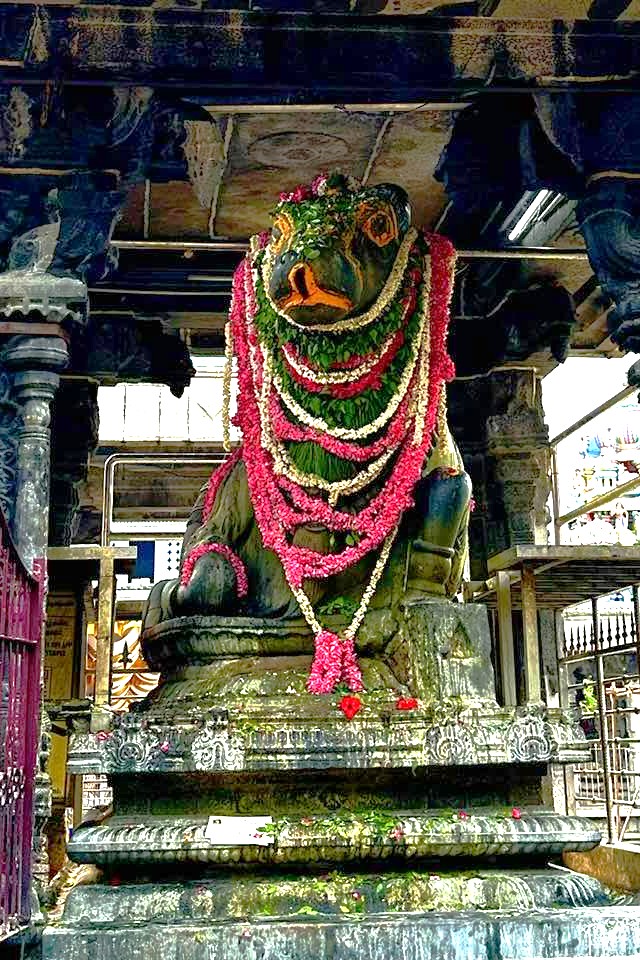
Decorated Nandi in Arunachaleshwarar Temple
FAQ: Arunachaleswarar Temple Tiruvannamalai Guide
Q1. What is the best time to visit Arunachaleswarar Temple, Tiruvannamalai?
The best time to visit is early morning (5.30–8 AM) or late evening (after 7 PM). These hours offer a calmer atmosphere and shorter queues. If you want to avoid crowds, skip full moon days and major festivals. During Girivalam dates in 2026, expect heavy footfall throughout the day and night.
Q2. What are the Tiruvannamalai temple timings for darshan?
Arunachaleswarar Temple generally opens around 5.30 am and closes by 8.30 pm, with short closures in between for rituals. Darshan timings may change during festivals, Pradosham, and special poojas, so it’s best to reconfirm locally or through official temple notices before your visit.
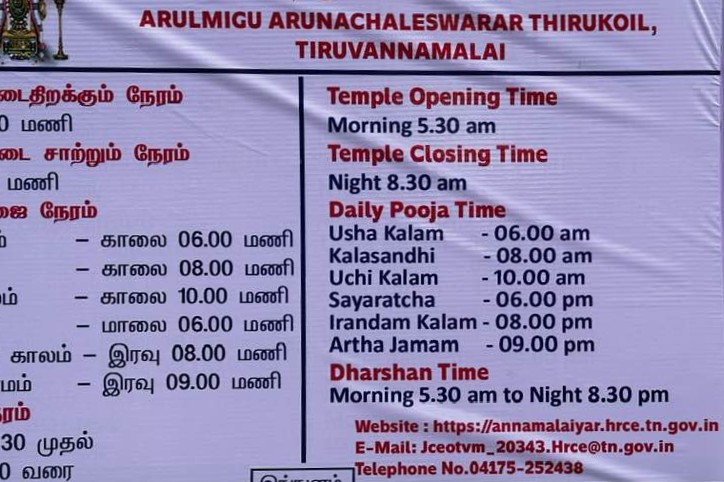
Arulmigu Arunachaleswarar Temple Tiruvannamalai Timings
Q3. What is the spiritual significance of the Agni Lingam?
Arunachaleswarar Temple represents the Agni Lingam, symbolising the element of fire among the Pancha Bhoota temples of South India. Spiritually, fire stands for transformation and inner awakening. Devotees believe prayers offered here help burn ego, fear, and past karmic blocks.
Q4. When are the Girivalam dates 2026?
Girivalam, the sacred 14-km walk around Arunachala Hill, happens on full moon nights. Key 2026 dates: January 13, February 12, March 13, April 12, May 12, June 10, July 10, August 8, September 7, October 6, November 5, December 4. Best during Karthigai Deepam in November/December.
Q5. How long does Girivalam around Arunachala Hill take?
The Girivalam path is approximately 14 km and usually takes 3.5 to 5 hours on foot, depending on pace and crowd density. On full moon days, the walk can take longer. Wear comfortable footwear, carry water, and start either early morning or after sunset for a better experience.
Q6. Is there a dress code for Arunachaleswarar Temple?
Yes. Modest clothing is strongly advised. Men should wear dhotis or trousers with shirts; women should opt for sarees, salwar suits, or long skirts with tops. Sleeveless, short, or revealing clothing may restrict entry.
Q7. Can senior citizens and children do Girivalam?
Yes, but with planning. The path is mostly flat, but crowds and heat can be challenging. Senior citizens and families with children should avoid peak Girivalam dates in 2026 and consider partial walks instead of the full circuit.
Q8. How many days are enough for Tiruvannamalai?
One full day is enough for temple darshan and a partial Girivalam. Ideally, plan for two days—one for the temple and one for Arunachala Hill, ashrams, and a relaxed Girivalam experience.
Q9. What festivals attract the biggest crowds at the temple?
Karthigai Deepam is the most significant festival, drawing lakhs of devotees. Full moon days, Pradosham, and Mahashivaratri also see heavy crowds. Book accommodation well in advance during these periods.
Q10. Is Arunachaleswarar Temple suitable for non-religious travellers?
Yes. Even if you’re not deeply religious, the temple’s scale, history, and energy make it an important cultural and spiritual landmark. Many visitors come for the Annamalaiyar Temple history, architecture, and the unique atmosphere of Arunachala Hill.
Q11. Where is Arunachalam Temple located?
The Arunachalam Temple, also known as Arunachaleswarar Temple, is located in Tiruvannamalai, a town in the state of Tamil Nadu, India, situated at the base of the sacred Arunachala Hill
If you have more questions about planning your visit, feel free to drop them in the comments—I’ll update this guide based on real traveller queries and future visits.
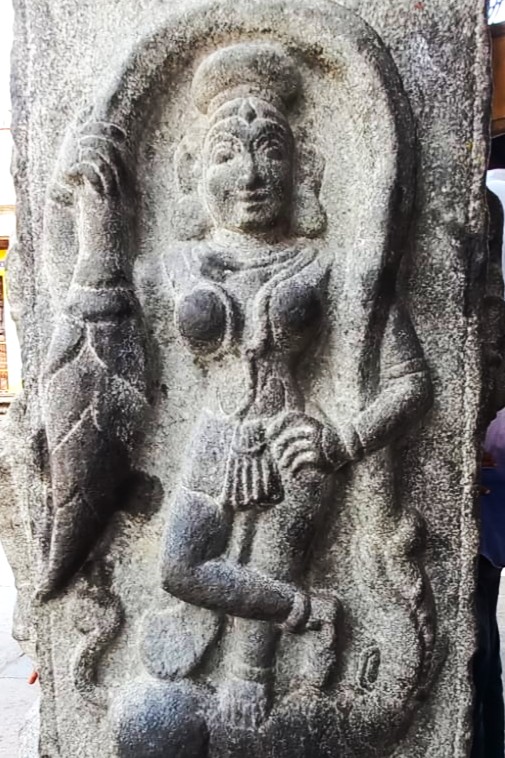
Sculpture on pillars of Arunachaleshwar Temple
Final thoughts and Spiritual Takeaway
After three visits to Arunachaleswarar Temple, I’ve felt the Agni Lingam spiritual significance shift something deep inside—like a quiet fire burning away doubts. This Arunachaleswarar Temple Tiruvannamalai Guide boils down to one truth: Annamalaiyar Temple history lives in its rituals, from Girivalam dates 2026 to dawn darshans within Tiruvannamalai temple timings.
My takeaway? Arunachala Hill isn’t just a landmark; it’s a call to inner peace amid life’s chaos. If you’re using this Arunachala Hill guide to plan your first visit, come prepared—but also leave space for unpredictability.
Check Tiruvannamalai temple timings in advance, especially during festival weeks or Girivalam dates in 2026. Walk slowly, observe people as much as the architecture, and don’t measure your experience by darshan duration alone.
Plan your trip now—check Girivalam dates 2026, read Tiruvannamalai Travel Guide well, and book ahead. Share your Arunachala story in the comments; has it changed you? Go experience the fire.
Pin and Save this for Later

About the Author
 Indrani Ghose is a cultural travel writer with expertise in documenting global heritage sites. She visited over 150, big and small, temples documenting architectural heritage, festival traditions, and practical travel insights. She has written for numerous publications across the globe – including Lonely Planet, The National UAE, Whetstone Asia, Deccan Herald. You can follow her on her social media handles Instagram, Twitter and Facebook to see the wonderful destinations, beautiful offbeat places and get instant updates about them.











Bhut sunder vardan kiya apne mam. Dhanyavaad iske liye. Mai bhi gyi yha 25 jan ko but bhut bhid ke karan dharshan nhi kr payi. Dobara jati fir.
Chhutiyon ke din bhid jyada hoti hai. Agli baar, working day, kisi Tuesday ka savere try kijiye, ho jayega.