What to Buy in Portugal: 21+ Authentic Souvenirs and Gifts to Bring Home
During my Portugal travels, one thing that charmed me most was exploring the Portuguese markets for their delightful souvenirs. Believe me, the moment you step into a Portuguese market, all your senses come alive. The intoxicating aroma of grilled sardines mingles with fresh pastéis de nata, while vibrant ceramic tiles catch the Mediterranean light. Soft cork handbags beckon from artisan stalls, and the melodic cadence of Portuguese conversations creates a symphony of authentic local life.
I’ve come to the conclusion that Portugal offers far more than typical tourist trinkets found in souvenir shops across Europe. I’ve prepared this comprehensive guide that reveals authentic, high-quality Portuguese souvenirs that tell stories, support local artisans, and create lasting memories. Like me, you’ll be amazed at the range of souvenirs—from centuries-old crafts passed down through generations to innovative modern designs using traditional materials. Portugal’s shopping landscape reflects the country’s rich cultural heritage and contemporary creativity.
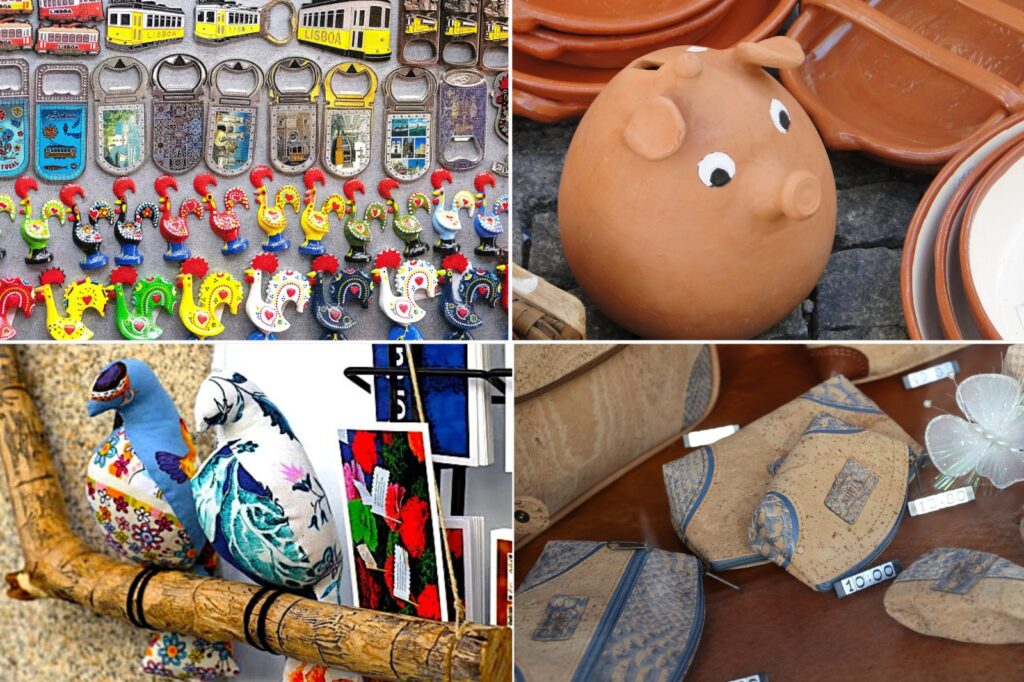
Portuguese Souvenirs – what to buy from Portugal, a guide
Whether you’re wandering through Lisbon’s historic neighbourhoods, exploring Porto’s riverside markets, or discovering hidden gems in smaller Portuguese towns, this guide will help you identify genuine Portuguese products worth bringing home.
Iconic Portuguese Crafts and Souvenirs
Azulejos, the Portuguese Tiles
I start this list of Portuguese souvenirs with Azulejos, the famous Portuguese tiles, somehow, they captivated me the most. These hand-painted ceramic tiles are Portugal’s most recognizable art form and represent Portuguese artistic heritage at its finest. Azulejos, has adorned buildings, churches, and public spaces for over five centuries. The craft originated from Moorish influences but evolved into a distinctly Portuguese art form, with patterns ranging from geometric designs to elaborate narrative scenes.
My only regret is I didn’t have time enough to see a live workshop where modern artisans continue this tradition creating both classic blue and white designs and contemporary colorful interpretations.
Where to buy Azulejos: Visitors can find authentic azulejos in specialized tile shops, pottery studios, and certified artisan workshops, particularly in the Azeitão region south of Lisbon.
Expert Tip: Purchase only new, artisan-made tiles from legitimate shops or factories. Avoid buying antique tiles, as these are often illegally removed from historic buildings, damaging Portugal’s architectural heritage. I strongly believe ethical tourism means supporting contemporary craftspeople while preserving the country’s cultural monuments for future generations.
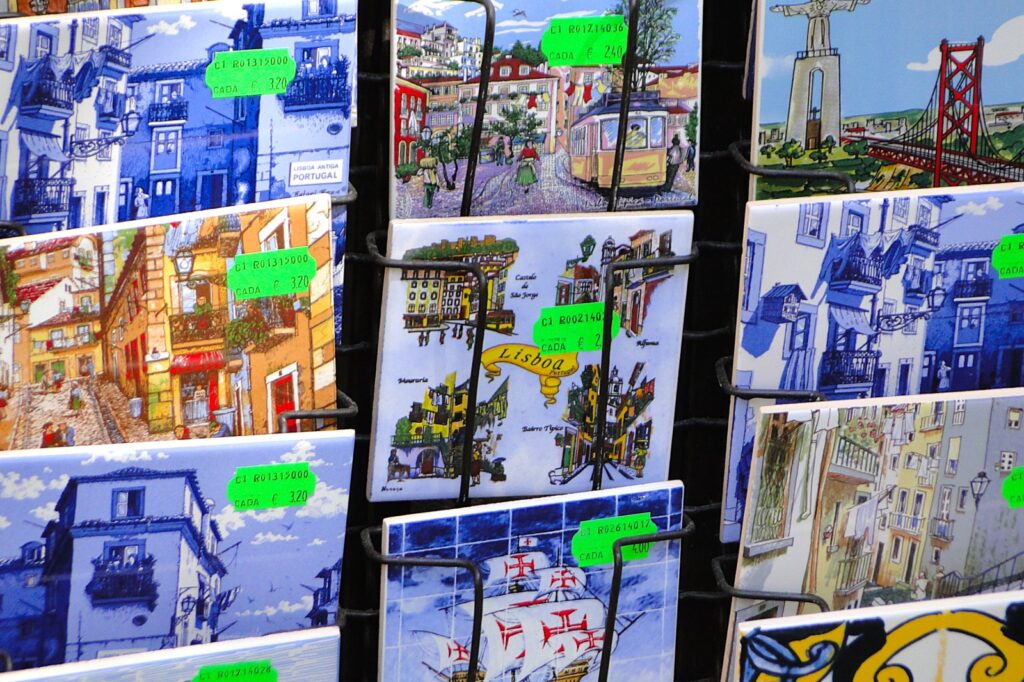
Azulejos Portugal tiles
Cork Products: Portugal’s Sustainable Wonder
Cork souvenirs caught my daughters’ fascination. Having used them in their science labs they were thrilled to see various other products made of cork. Portugal produces over half of the world’s cork, making it the undisputed global leader in this sustainable industry. Cork oak forests, primarily located in the Alentejo region, provide this renewable resource without harming the trees, which can live for over 200 years. The harvesting process, done by skilled workers using traditional techniques, actually benefits the trees’ health and longevity.
Portuguese designers have transformed cork into an impressive array of products beyond wine stoppers. Visitors can find cork handbags that rival leather in durability and style, lightweight cork shoes perfect for summer travel, elegant jewelry boxes, wallets, and even cork umbrellas. The material’s natural properties—water-resistant, lightweight, and antimicrobial—make these items both practical and environmentally conscious.
Geo Tip: The Alentejo region, particularly around Évora, offers the best selection of cork products. Local cooperatives and artisan workshops provide authentic items at better prices than tourist-focused shops in major cities. Some day we must return to roam in the Cork oak forests of Alentejo region in Portugal, we promised ourselves.
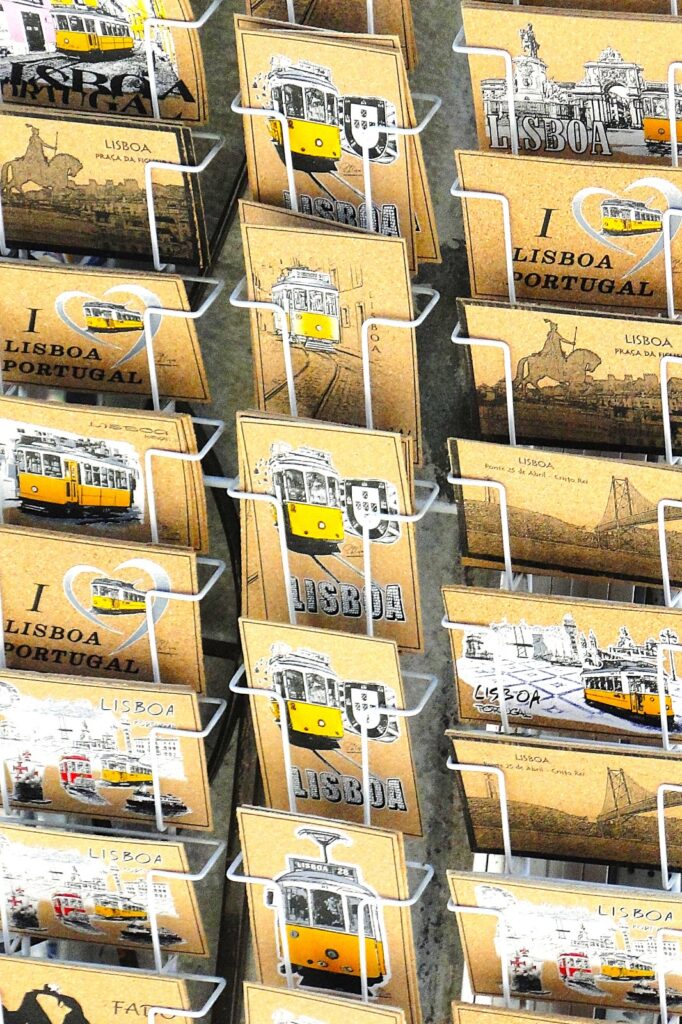
Cards made of cork
Galo de Barcelos: The Lucky Rooster
These roosters are undoubtedly the must buy souvenirs of Portugal, even if it is of the smallest size. Arundhati, my younger daughter, picked up a family of seven – the seven colors of rainbow.
The Rooster of Barcelos stands as Portugal’s most beloved folk symbol, rooted in a centuries-old legend of faith, justice, and divine intervention. According to folklore, a pilgrim wrongly accused of theft was saved from execution when a roasted rooster miraculously crowed, proving his innocence. This story, deeply embedded in Portuguese culture, transformed the rooster into a symbol of good luck, faith, and justice.
Traditional Galo de Barcelos figurines feature vibrant hand-painted designs in bright reds, yellows, and blues, often decorated with hearts, flowers, and Portuguese motifs. Sizes range from tiny keychain versions to large decorative pieces suitable for display in homes.
Geo tip: Authentic versions are made in Barcelos, a town in northern Portugal, where local artisans maintain traditional pottery techniques passed down through generations.
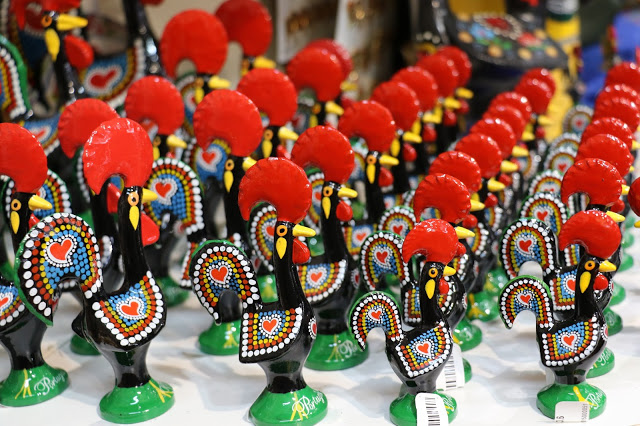
Rooster – Portugal Souvenir
Filigrana: Exquisite Filigree Jewelry
Definitely worth a buy if it suits your pocket. Portuguese filigree represents one of Europe’s most refined jewelry-making traditions, requiring exceptional skill and patience. At Evora I saw craftsmen twist thin gold or silver threads, often thinner than human hair, into intricate patterns that create delicate, lace-like jewelry pieces. This ancient technique, brought to Portugal by Phoenician traders over 3,000 years ago, flourished particularly in the northern regions.
The Coração de Viana (Heart of Viana) stands as the most iconic filigree design, originating from Viana do Castelo. These complex patterns represent love, devotion, and regional pride. Authentic filigree pieces require hours of meticulous handwork, making them valuable investments in Portuguese craftsmanship.
Geo tip: The best examples come from northern Portugal, particularly Gondomar and Póvoa de Lanhoso, where family workshops continue centuries-old techniques.
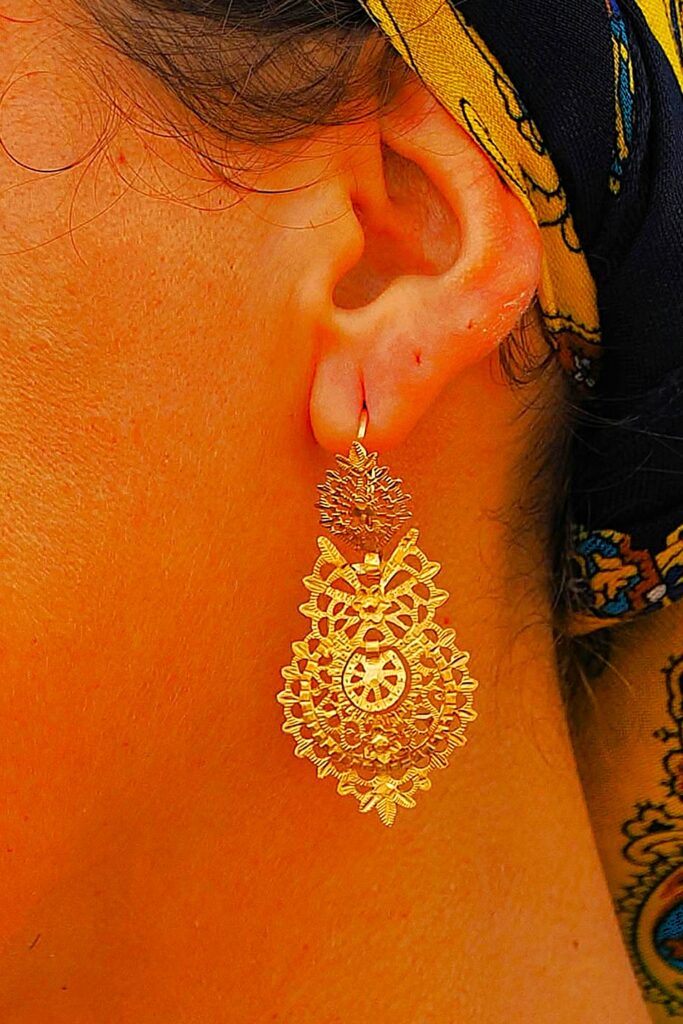
Coração de Viana
The Taste of Portugal: Edible and Drinkable Gifts
Port and Douro Wines
Port wine represents Portugal’s most famous contribution to the global wine scene, with a protected designation of origin that ensures authenticity. Produced exclusively in the Douro Valley and aged in the cellars of Vila Nova de Gaia across from Porto, genuine Port wine offers a taste of Portuguese terroir that cannot be replicated elsewhere.
Understanding Port varieties helps visitors make informed purchases.
- Ruby Port, aged in large vats, maintains its deep red color and fruity character, perfect for casual drinking.
- Tawny Port, aged in smaller barrels, develops complex nutty and caramel flavors through oxidation, ideal for contemplative sipping.
- Vintage Port, made only in exceptional years, represents the pinnacle of Port production and ages beautifully for decades.
We didn’t risk packing any of these for the risk of breaking them on our way back home and creating a mess.
Expert Tip: Visit the Port wine cellars in Vila Nova de Gaia for tastings and direct purchases. Many cellars offer educational tours that explain production methods while providing opportunities to buy exclusive bottles not available in regular retail stores. Look for lesser-known quintas (estates) that offer excellent value compared to famous brands.

Ruby Port Wine
Conservas: Gourmet Canned Fish
Portugal’s canned fish industry has transformed from simple preservation to gourmet artistry, with beautiful packaging that makes conservas perfect gifts. Portuguese companies produce some of the world’s finest canned sardines, mackerel, tuna, and cod, often using traditional recipes and high-quality olive oil or tomato sauce.
The process involves selecting the freshest fish, hand-packing in attractive tins, and using time-honored preparation methods that enhance rather than mask natural flavors. Many Portuguese conservas feature vintage-inspired labels and elegant packaging that reflects the country’s design sensibility.
We had canned sardines sandwiched with bread as snacks during our road trip through Portugal.
Where to Buy: Lisbon and Porto feature specialized conservas shops that have become tourist destinations themselves. Popular shops include Conserveira de Lisboa and Loja das Conservas.
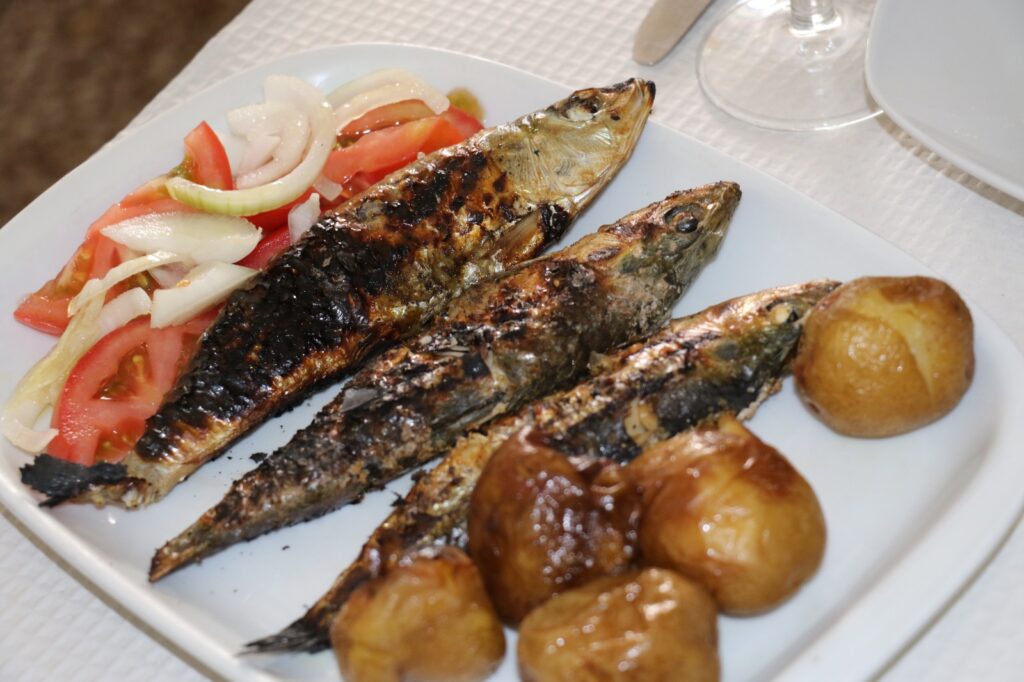
Roasted Sardines
Azeite: Liquid Gold Portuguese Olive Oil
Portuguese olive oil rivals the best Italian and Spanish varieties, often at more accessible prices. The country’s diverse microclimates and traditional production methods create olive oils with distinctive characteristics, from robust and peppery to mild and fruity. What surprised me was that many Portuguese olive oils win international competitions, yet remain relatively unknown outside Portugal.
The production process involves careful selection of olive varieties, optimal harvest timing, and cold-pressing techniques that preserve natural flavors and beneficial compounds. Portuguese producers often use indigenous olive varieties that create unique flavor profiles specific to their regions.
Sadly, like the wines we had to forego picking up olive oil cans and bottles to take back home.
Geo Tip: Alentejo and Douro regions produce exceptional olive oils with distinctive characteristics. Alentejo oils tend to be more robust and peppery, while Douro oils often display more delicate, fruity notes. Look for single-estate oils with harvest dates and detailed tasting notes for the best quality.

Olive oil
Ginjinha: The Sweet Cherry Liqueur
Ginjinha, Portugal’s beloved cherry liqueur, offers a sweet taste of Portuguese tradition in every sip. Made from ginja cherries (sour cherries), sugar, and aguardente (Portuguese brandy), this liqueur develops its characteristic deep red color and complex flavor through careful aging processes. The result is a smooth, sweet liqueur with subtle tartness that balances the natural fruit flavors.
Traditional serving involves small glasses, often accompanied by a few macerated cherries. In some regions, particularly Óbidos, ginjinha is served in edible chocolate cups, creating a delightful combination of flavors and textures.
Geo Tip: The medieval town of Óbidos claims to produce Portugal’s finest ginjinha, with several shops offering tastings and bottles for purchase. The town’s association with this liqueur runs so deep that visitors can sip ginjinha from chocolate cups while walking along the ancient walls, creating memorable experiences that combine taste, tradition, and tourism.
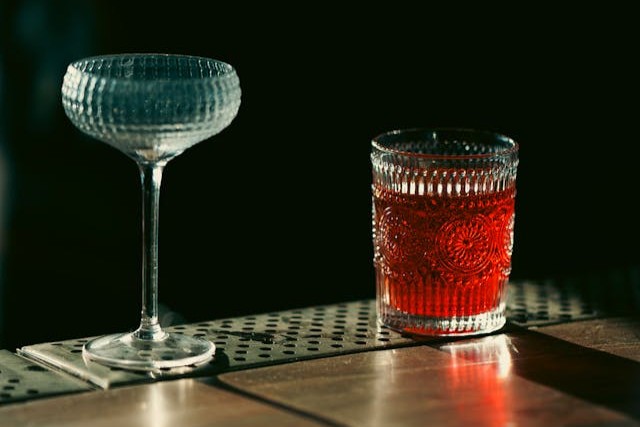
Sweet Cherry Liqueur
For the Home and Wardrobe
Portuguese Ceramics and Pottery
Beyond the famous azulejos, Portugal produces exceptional ceramics and pottery that bring Mediterranean warmth to any home. I found the market shelves were stacked with various ceramic products ranging from rustic earthenware to refined porcelain, Portuguese ceramics offer both functional beauty and artistic expression.
Many pieces incorporate traditional Portuguese motifs like roosters, flowers, geometric patterns, and maritime themes that reflect the country’s cultural heritage and geographic identity.
Iconic Style: Bordallo Pinheiro ceramics, particularly the whimsical “cabbage leaf” designs, represent Portuguese ceramic artistry at its most playful and recognizable. These pieces, created by 19th-century artist Rafael Bordallo Pinheiro, feature realistic representations of vegetables, fruits, and animals that bring natural elements into interior spaces. The brand continues to produce these classic designs alongside contemporary interpretations.
High-Quality Leather Goods
I bet you didn’t know that Portuguese leather artisans create products that offer exceptional quality and contemporary style that rival Italian craftsmanship at more accessible prices. The Portuguese shoe industry, centered in the northern regions, supplies many European luxury brands while maintaining its own labels that offer direct access to the same quality. Portuguese leather goods benefit from centuries of craftsmanship tradition, high-quality materials, and attention to detail that ensures durability and comfort.
What to look for: Portuguese leather shoes often feature superior construction techniques, comfortable fit, and classic designs that transcend fashion trends. Leather handbags showcase Portuguese design sensibility with clean lines, practical functionality, and subtle luxury details. Belts and small leather goods demonstrate the precision and quality that make Portuguese leather products excellent value propositions.
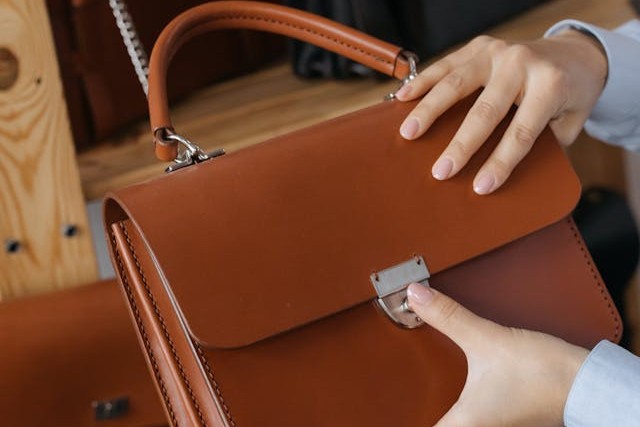
Leather bag – Portugal Souvenir
Luxury Soaps and Fragrances
Portuguese soap and fragrance brands create affordable luxury products that make perfect travel-friendly gifts. Companies like Claus Porto and Castelbel have elevated traditional soap-making into artisanal experiences, with beautiful packaging, premium ingredients, and distinctive fragrances that capture Portuguese essence.
Claus Porto, established in 1887, produces hand-milled soaps using traditional methods and premium ingredients. Their vintage-inspired packaging, featuring Art Nouveau and Art Deco designs, transforms everyday soap into decorative objects suitable for display. Each soap variety offers different fragrances and beneficial properties, from invigorating citrus to soothing lavender.
Castelbel focuses on Portuguese-inspired fragrances and natural ingredients, creating soaps, diffusers, and candles that evoke Portuguese landscapes and traditions. Their products often feature Portuguese symbols like sardines, tiles, and coastal motifs in elegant packaging that celebrates national identity.
Traditional Portuguese Blankets
Portuguese textile tradition produces exceptional blankets and throws that combine comfort, quality, and distinctive design. The Manta de Papa, a traditional thick wool blanket originally made for shepherds, offers warmth and durability perfect for colder climates. Modern versions maintain traditional construction while incorporating contemporary colors and patterns.
Portuguese textile manufacturers also produce lightweight throws and blankets using local wool and traditional weaving techniques. These pieces often feature subtle patterns and natural colors that reflect Portuguese landscape and cultural preferences.
Handmade Portuguese Shoes
Portuguese footwear extends beyond leather dress shoes to include traditional rope-soled espadrilles, comfortable walking shoes, and stylish casual footwear. Many Portuguese shoe manufacturers combine traditional construction methods with contemporary design, creating shoes that offer both comfort and style.
Espadrilles represent Portugal’s contribution to casual summer footwear, with rope soles and canvas uppers that provide breathable comfort. Portuguese versions often feature distinctive patterns or embroidery that set them apart from mass-produced alternatives. These are hand made so be prepared to shell out more.
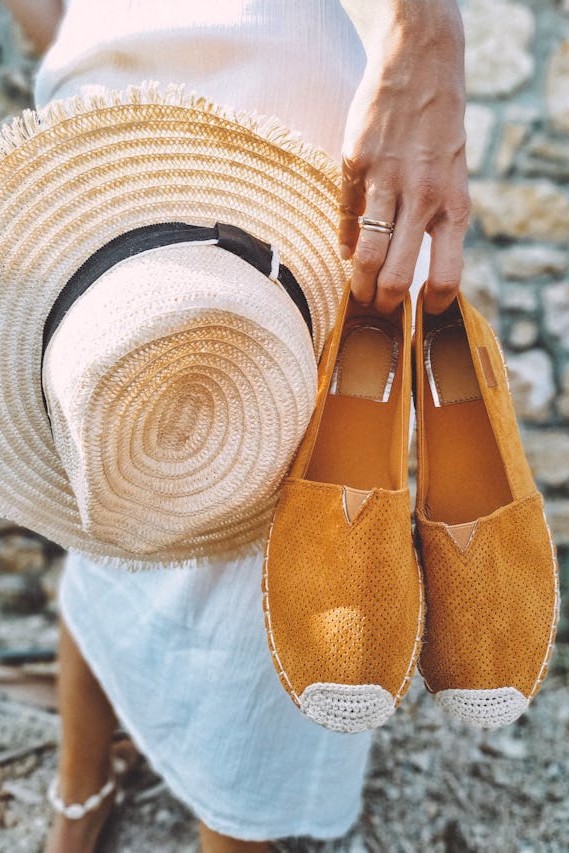
Espadrille Shoes
Portuguese Honey and Preserves
Portugal’s diverse landscapes produce exceptional honey varieties, from coastal lavender honey to mountain wildflower blends. Portuguese beekeepers often maintain traditional practices that result in pure, unprocessed honey with distinctive regional characteristics. These natural products make excellent gifts that showcase Portuguese terroir and agricultural heritage.
Portuguese fruit preserves, particularly those made from regional fruits like figs, quinces, and citrus, offer concentrated flavors that capture Portuguese sunshine. Traditional recipes often involve minimal processing and natural ingredients, creating preserves that taste distinctly different from industrial alternatives. We could get to taste some of these in the boutique hotel we stayed.
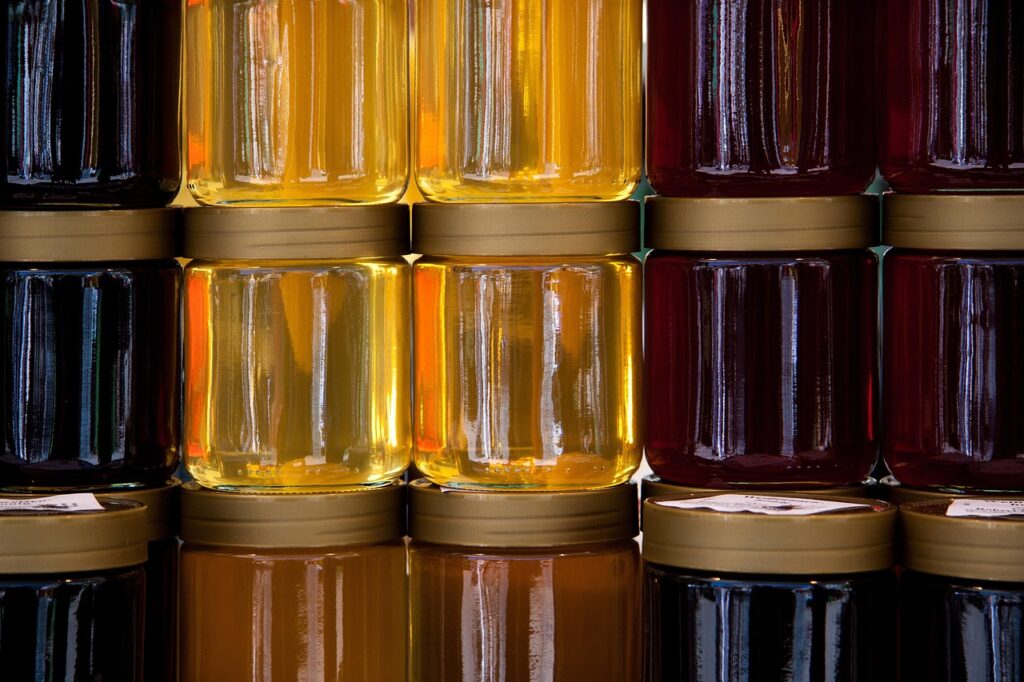
Honey and Preserves
Traditional Portuguese Knives
Portuguese cutlery tradition produces distinctive knives that combine functionality with regional design elements. The Albacete knife, despite its Spanish-sounding name, represents a traditional Portuguese folding knife design that remains popular among locals and collectors. These knives often feature decorative handles made from local materials like cork or carved wood.
Traditional Portuguese kitchen knives, particularly those designed for fish preparation, demonstrate specialized craftsmanship developed over centuries of maritime culture. These functional tools often feature ergonomic designs and high-quality steel that make them practical souvenirs for cooking enthusiasts.
I noticed that it is possible to make an entirely new kitchen set with the range of products they sell in Portugal.
Portuguese Coffee and Tea
Portuguese coffee culture produces distinctive roasts and blends that reflect local preferences and climate conditions. Portuguese coffee tends to be stronger and more intensely flavored than many international varieties, with roasting techniques that emphasize bold, robust characteristics. Local coffee shops often sell their proprietary blends in attractive packaging suitable for gifting.
Traditional Portuguese teas, while less famous than coffee, include regional herbal blends that use indigenous plants and traditional preparation methods. These teas often feature ingredients like lemon verbena, mint, and other Mediterranean herbs that create distinctive flavor profiles.

Iced Coffee Drinks with Camera on Table
Where to Shop: Best Markets and Districts for Authentic Portuguese Souvenirs
Historic Markets and Traditional Shopping Areas
Portugal’s traditional markets offer the most authentic shopping experiences, where locals have purchased goods for generations. Mercado do Bolhão in Porto stands as a cornerstone of the city’s identity, known for its local vendors and community atmosphere, making it one of Portugal’s top authentic shopping destinations.
In Lisbon, the historic Chiado district provides elegant shopping along pedestrian-friendly streets. Rua do Carmo and Rua Garrett are home to the city’s oldest and most popular shops, combining traditional Portuguese retailers with contemporary boutiques. These areas offer excellent opportunities to find authentic Portuguese products alongside international brands.
Mercado do Livramento in Setúbal deserves recognition as one of Portugal’s best markets, particularly renowned for high-quality fish and featuring beautiful tiled walls depicting the city’s economic activities. The market operates Tuesday through Sunday from 7.30 AM to 2 PM, providing authentic regional market experiences.
Luxury Shopping Districts
For premium Portuguese products and international brands, Avenida da Liberdade in Lisbon represents luxury and opulence, housing high-end international brands such as Prada, Louis Vuitton, and Gucci. This tree-lined avenue also features Portuguese luxury retailers and high-end local designers.
Regional Shopping Recommendations
Different Portuguese regions offer specialized shopping opportunities that reflect local traditions and industries. The Alentejo region provides the best selection of cork products, while northern Portugal offers superior filigree jewelry and leather goods. Coastal areas feature excellent conservas shops and maritime-themed souvenirs.
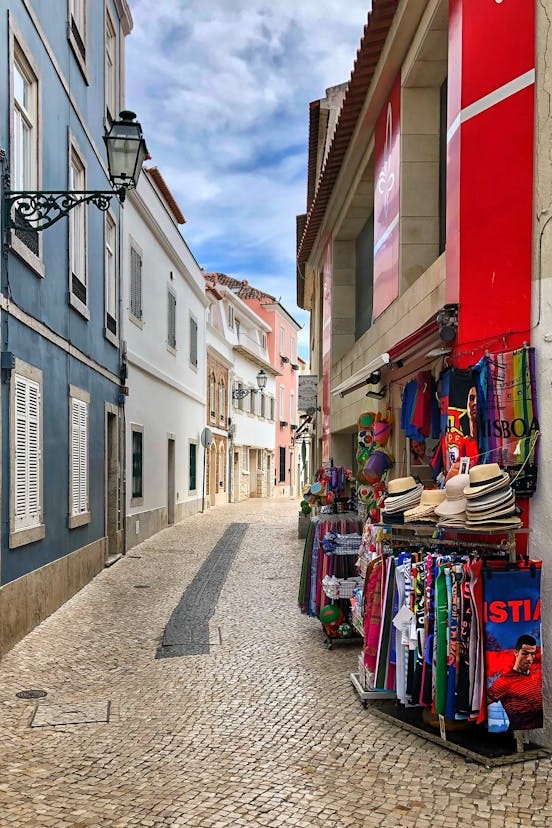
Street Market with Clothes on Empty Alley in Town
Budget-Friendly Shopping Tips for Portugal
Understanding Portuguese Pricing
Portugal offers excellent value for travelers, with the possibility of enjoying the country on as little as €50 per day, making it one of Europe’s most affordable destinations for authentic shopping experiences. Mid-range budget travelers can expect to spend about $120 per day in Portugal, which includes accommodation, meals, and shopping opportunities.
Money-Saving Strategies
- Shop at Local Markets: Traditional markets offer better prices than tourist-focused shops, especially for food products, textiles, and crafts. Prices are often negotiable, particularly when purchasing multiple items.
- Timing Your Purchases: Late afternoon visits to markets may yield better prices as vendors prefer to sell remaining inventory rather than transport it back. Weekend markets often feature more artisans and competitive pricing.
- Regional Shopping: Purchase items in their regions of origin for the best prices and selection. Cork products cost less in Alentejo, while northern Portugal offers better prices for leather goods and filigree jewelry.
- Tax-Free Shopping: Non-EU residents can claim VAT refunds on purchases over €61.35 from participating shops, providing additional savings on luxury items like jewelry, leather goods, and high-end ceramics.
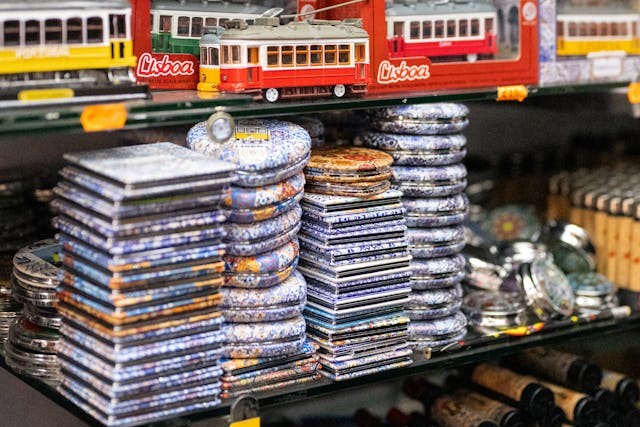
Portugal Souvenirs in Budget range
Practical Shopping Guide: Customs, Shipping, and Transport
Portuguese Shopping Customs and Etiquette
Portuguese shopkeepers appreciate polite greetings and patient browsing. Learning basic Portuguese phrases like “Bom dia” (good morning) and “Obrigado/Obrigada” (thank you) creates positive interactions and sometimes better prices. Bargaining is acceptable in markets but not in established shops.
Shipping and Transport Considerations
- Fragile Items: Portuguese ceramics, azulejos, and glassware require careful packing. Many shops offer professional packaging services for international shipping, though costs can be significant.
- Weight Restrictions: Wine, olive oil, and conservas add considerable weight to luggage. Consider shipping heavy items separately or purchasing smaller quantities for personal transport.
- Liquid Restrictions: Port wine, olive oil, and other liquids must comply with airline regulations. Purchase travel-sized versions or arrange shipping for larger bottles.
- Customs Declarations: Some items, particularly food products and alcohol, have import restrictions in various countries. Check destination country regulations before purchasing.
Authenticity Verification
Certification Marks: Look for official Portuguese craft certifications, regional designations of origin, and artisan signatures on handmade items.
Avoid Tourist Traps: Mass-produced items sold primarily in tourist areas often lack authenticity. Genuine Portuguese products are typically found in local shops, markets, and certified artisan workshops.
Price Comparisons: Extremely low prices may indicate inferior quality or mass production. Authentic handmade Portuguese items require fair compensation for artisan skills and time.
Seasonal Shopping Calendar: When to Find the Best Portuguese Souvenirs
Spring Shopping (March-May)
Spring offers ideal weather for market exploration and fewer tourist crowds. Cork products showcase new designs as producers prepare for summer tourism. Wine enthusiasts can find previous year’s harvests at optimal prices before new releases.
Summer Peak Season (June-August)
Summer provides the widest selection of products and full market operations, though prices may be higher due to tourist demand. Artisan workshops often extend hours and offer demonstrations. Beach town markets feature maritime-themed souvenirs and coastal specialties.
Autumn Harvest Season (September-November)
Autumn presents excellent opportunities for food products, with new olive oil, wine harvests, and preserved goods available. Markets feature seasonal specialties, and tourist-area prices begin decreasing. Weather remains pleasant for extended shopping excursions.
Winter Discoveries (December-February)
Winter offers the best prices and most authentic experiences with minimal tourist crowds. Many shops provide discounts on previous season inventory. Traditional craft workshops welcome visitors for personal consultations and custom orders.
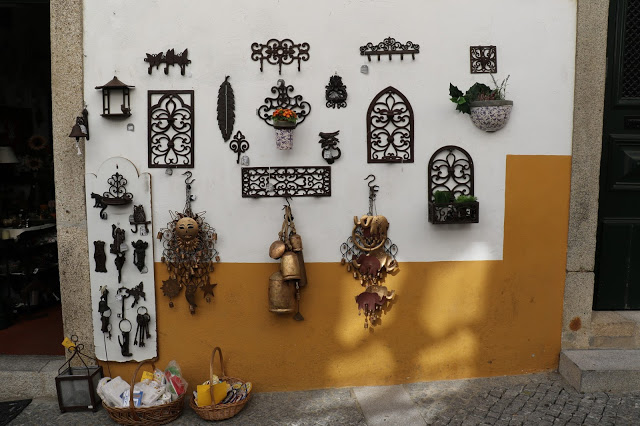
Picture taken in Local Market in Evora
Digital Shopping and Online Options
Portuguese E-commerce for Authentic Products
Several Portuguese companies offer online shopping with international shipping, allowing visitors to supplement in-person purchases or buy additional items after returning home. Reputable online retailers include established brands like Claus Porto, Vista Alegre ceramics, and certified cork product manufacturers.
Social Media and Artisan Networks
Many Portuguese artisans maintain social media presence, allowing direct communication for custom orders or special requests. Instagram and Facebook provide access to small-scale producers who may not have traditional storefronts but offer exceptional authentic products.
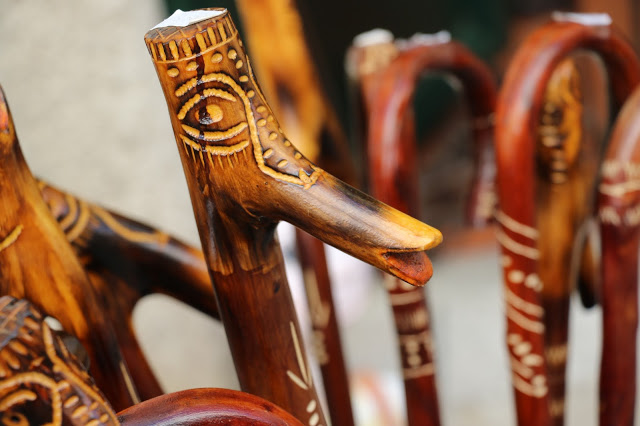
Hand carved walking stick
Frequently Asked Questions About Portuguese Souvenirs
Q1. What are the best souvenirs to buy in Portugal?
Portugal offers a rich variety of souvenirs, including azulejos (ceramic tiles), cork accessories, embroidered linens, Port wine, gourmet conservas (canned fish), premium Portuguese olive oil, and artisanal soaps like Claus Porto. These items represent genuine Portuguese craftsmanship and cultural heritage rather than mass-produced tourist trinkets.
Q2. Where can I find authentic Portuguese handicrafts?
You’ll find genuine crafts in local markets like Mercado do Bolhão (Porto), Feira da Ladra (Lisbon), and artisan boutiques in towns like Évora and Coimbra. Look for handmade embroidery, ceramics, and cork products.
Q3. Where can I buy genuine Portuguese azulejos without damaging historical sites?
Purchase authentic azulejos only from certified pottery shops, artisan workshops, or factories like those in Azeitão near Lisbon. Reputable shops include Viúva Lamego in Lisbon and Sant’Anna in Porto. Never buy antique tiles from street vendors or uncertified sellers, as these are often illegally removed from historical buildings.
Q4. Can I bring Port wine or Ginja liqueur back home?
Yes, you can bring Port wine and Ginja liqueur home, but check your country’s customs regulations and airline liquid restrictions. Most shops offer travel-safe packaging, and VAT refunds may apply for purchases over a certain amount.
Q5. What’s the difference between authentic Portuguese cork products and tourist versions?
Authentic Portuguese cork products use high-quality cork from certified Portuguese suppliers, feature superior craftsmanship with reinforced stitching and durable hardware, and often carry “Made in Portugal” labels with company information. Tourist versions typically use lower-grade cork, show poor construction with weak stitching, lack proper finishing, and may not be genuinely Portuguese-made. Purchase from reputable shops in cork-producing regions like Alentejo for guaranteed authenticity.
Q6. Claus Porto soaps worth buying as gifts?
Absolutely. Claus Porto soaps are beautifully packaged and made with natural ingredients. They’re a luxurious yet affordable gift, available in Lisbon’s Chiado district and major department stores.
Q7. Where should I go shopping in Lisbon and Porto?
In Lisbon, explore LX Factory, A Vida Portuguesa, and El Corte Inglés. In Porto, visit Rua de Santa Catarina, Mercado do Bolhão, and local wine cellars. Both cities offer a mix of traditional and modern shopping experiences.
Q8. How do I pack fragile Portuguese ceramics and azulejos for air travel?
Wrap each ceramic piece individually in bubble wrap or soft clothing, place heavier items at the bottom of hard-shell luggage, use towels or clothes as additional cushioning between items, and consider purchasing protective travel cases for valuable pieces. Many Portuguese ceramics shops offer professional packing services for international shipping.
Q9. What are the best Portuguese food souvenirs with long shelf life?
Portuguese food souvenirs with excellent shelf life include conservas (canned fish) lasting 3-5 years, premium olive oil (18-24 months), Portuguese honey (indefinite shelf life), traditional preserves and jams (2-3 years when unopened), sea salt from Aveiro (indefinite), dried Portuguese spices and herbs (2-3 years), and packaged Portuguese cookies like pastéis de nata mixes (1-2 years). These items maintain quality during travel and storage.
Q10. How much should I budget for Portuguese souvenirs?
Portuguese souvenirs range from €5-10 for small items like Galo de Barcelos figurines or artisan soaps, €20-50 for quality cork products or conservas gift sets, €50-150 for authentic filigree jewelry or premium ceramics, and €30-200+ for quality Port wines depending on age and rarity. Budget approximately €100-300 for a diverse collection of authentic Portuguese souvenirs, with markets offering better prices than tourist-focused shops.
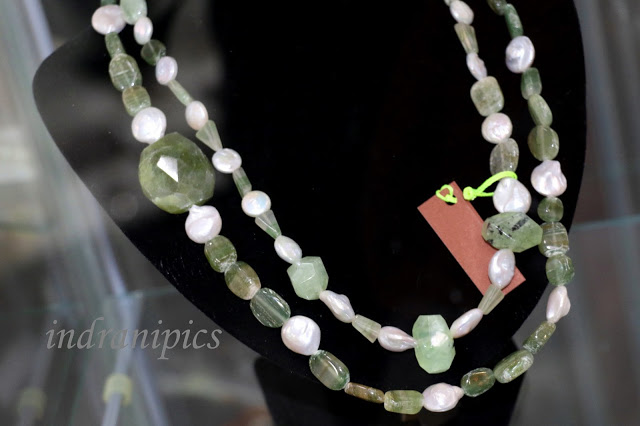
Jewellery shopping in Portugal
My final thoughts: Bringing Portugal Home
I was totally enamoured by these authentic Portuguese souvenirs. They embody centuries of cultural tradition, artisanal skill, and regional pride that make Portugal unique among European destinations.
When selecting Portuguese souvenirs, prioritize authenticity over convenience, quality over quantity, and cultural significance over tourist appeal. Supporting local artisans and traditional crafts ensures that these cultural traditions continue to thrive while providing visitors with meaningful connections to Portuguese culture.
The best Portuguese souvenirs combine practical functionality with cultural authenticity, creating lasting reminders of the country’s warmth, creativity, and distinctive character.
Pin this for later
 Indrani Ghose is a cultural travel writer with expertise in documenting global heritage sites. She is based in Bangalore, India. She has written for numerous publications across the globe. You can follow her on her social media handles Instagram, Twitter, Pinterest and Facebook to see the wonderful destinations, beautiful offbeat places and get instant updates about them.






Lovely indeed 🙂 🙂
Loved the little chairs painted in bright colors. Nice post.
Cheers,
Sriram & Krithiga
I love handcrafted stuff, but I try to avoid buying anything. We have too much stuff as it is.
Wow! The jewelry, the colorful chairs and the handicrafts. So much to shop! I am sure you had a great time there. Thanks for sharing 🙂
Very beautiful and vibrant collection. And interesting legend about the Cock of Barcelos
Fabulous Collections.. A Great Post, Indrani!
Such beautiful jewellery and artifacts …. lovely post!
Quite interesting handicraft items … Thanks for sharing ..
Hi Indrani ,
Very nice post full of lively scenes from Portugal. Makes one want to visit the land.
Navrartri Wishes to family and you.
Nikhil.
Wonderful handicraft and loved the story about the cock crowing too!
Loved the bright blue chairs. Nice post. Loved it 🙂
Nice things. I liked those bright chairs.
All very nice and interesting items. So pleasant the blue hand made chairs!