Ultimate Guide to Évora: What to See, Do, and Eat
Welcome to Évora, the sun-drenched capital of Portugal’s Alentejo region and a captivating UNESCO World Heritage site. Wandering through its ancient city walls feels like stepping into a living museum, where Roman ruins stand beside medieval cathedrals and whitewashed houses with cheerful yellow trim line the cobbled lanes.
Based on our own road trip through Portugal, we initially planned to cover all the things to do in Évora in just one day. While we managed to see the highlights, we quickly discovered that this enchanting city truly deserves more time.
— Indrani Ghose, travel blogger | Updated Oct 2025
In this guide, we’ll share our first-hand experience to help you plan the perfect visit. We’ll cover the top Évora sightseeing attractions, from the iconic Roman Temple to the chilling Chapel of Bones, and provide a sample itinerary to help you make the most of your time, whether you have a single day or a more leisurely stay.
But first, here is a view of the road connecting Elvas and Evora. Imagine the thrill we had to drive through this road!!!

Road to Evora from Elvas Portugal
Why You Must Visit Évora
This UNESCO World Heritage city in Portugal’s Alentejo region represents one of Europe’s most perfectly preserved medieval towns, offering travelers an authentic Portuguese experience that remains remarkably untouched by mass tourism.
Having spent several hours wandering Évora’s maze-like streets and discovering hidden corners that don’t appear in any guidebook, I can confidently say this Évora Portugal destination delivers experiences that rival far more famous European cities.
Unlike Portugal’s crowded coastal destinations, visiting Évora means stepping into a world where time moves at the pace of long lunches and evening strolls, where Roman temples coexist with Gothic cathedrals, and where some of Portugal’s finest cuisine emerges from family kitchens that have perfected their recipes across generations.
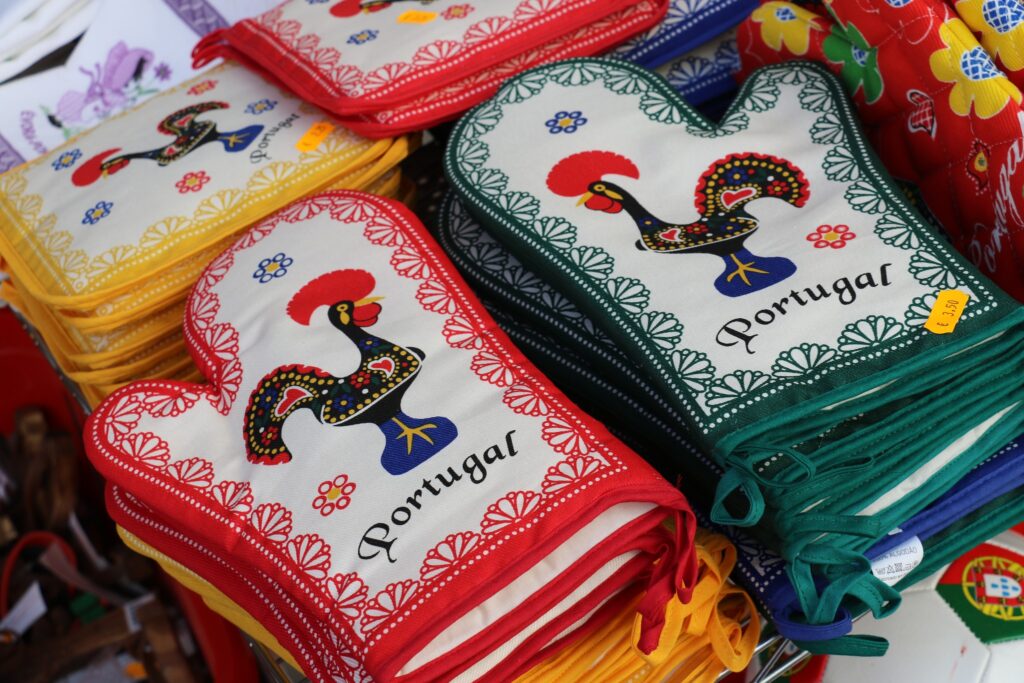
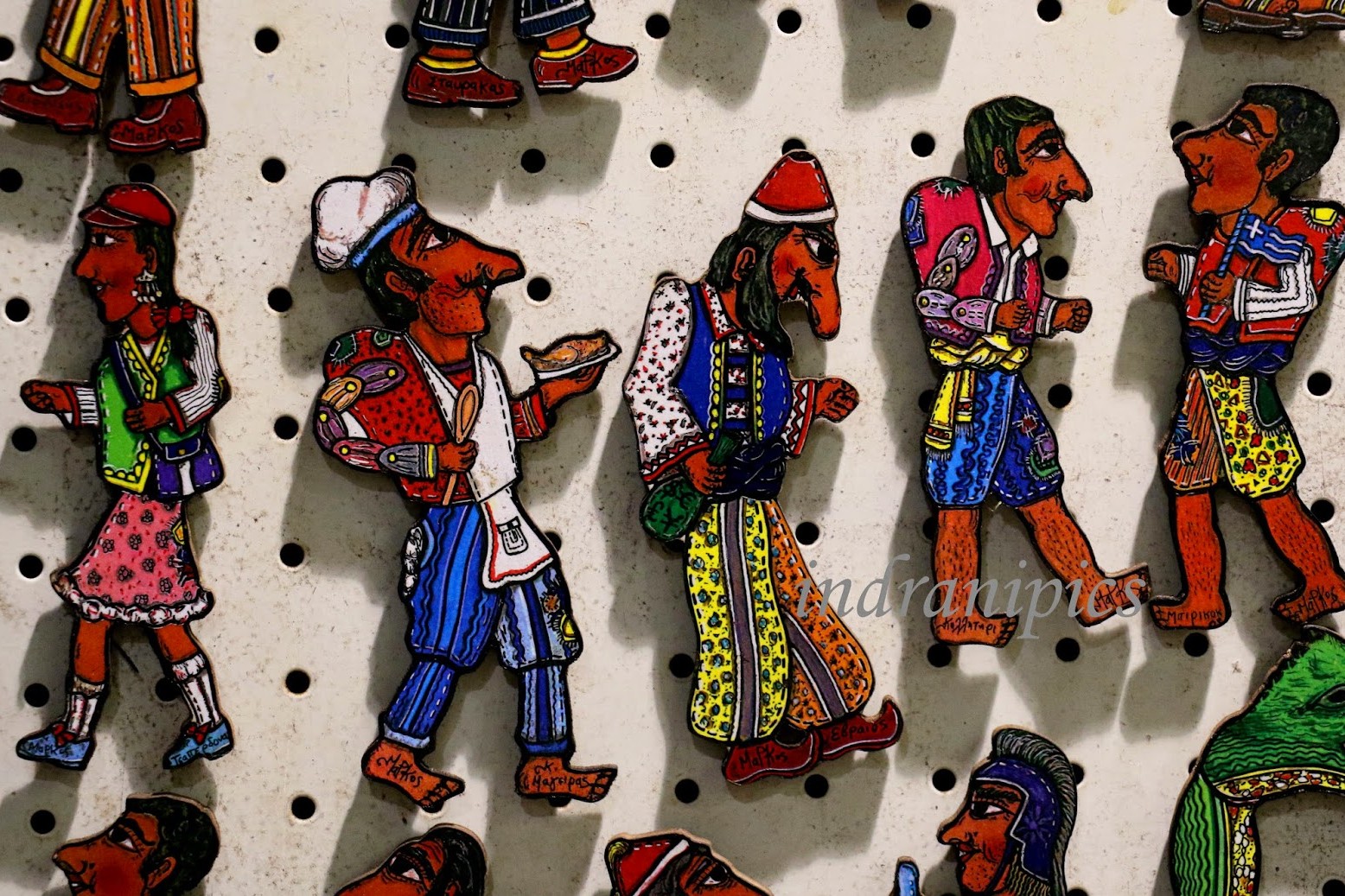
Souvenirs from Evora
The Many Names of Évora: From Roman Roots to Global Fame
During the Roman Empire, the city was granted municipal privileges by Julius Caesar and was called Liberalitas Julia.
Shortened and Modern Versions of Évora
As a name, Évora has also inspired several shortened and affectionate versions, especially when used outside Portugal. These include:
- Ebora – by the Lusitanians and was their regional capital
- Eve, Evie, Evy – Popular in English-speaking countries, giving a soft and friendly tone.
- Vora – A sleek, modern-sounding variation.
- Ora – A lyrical shortening, highlighting the musical flow of the name.
- Ev – Often used as a professional or stylish abbreviation.
- Vori/Rory – Endearing nicknames sometimes used within families or among friends.
Is Évora Worth Visiting?
Yes, absolutely—and here’s exactly why visit Évora should top your Portugal itinerary. This remarkable city offers something increasingly rare in European travel: the chance to experience profound historical significance without fighting crowds or paying inflated tourist prices.
Évora Portugal packs more UNESCO-worthy attractions into its compact medieval center than many entire countries. Within a 15-minute walk, you can touch stones laid by Roman engineers, contemplate mortality in Europe’s most famous bone chapel, climb medieval cathedral towers for panoramic views, and sample world-class wines in atmospheric cellars. Few destinations offer such concentrated cultural richness.
The Alentejo region capital also provides exceptional value compared to Lisbon or Porto. Outstanding meals cost €15-25 per person, quality accommodations start around €60 per night, and many attractions charge minimal entrance fees or remain completely free. You’ll experience Portugal’s renowned hospitality at its most genuine, as locals take pride in sharing their city’s secrets with curious visitors.
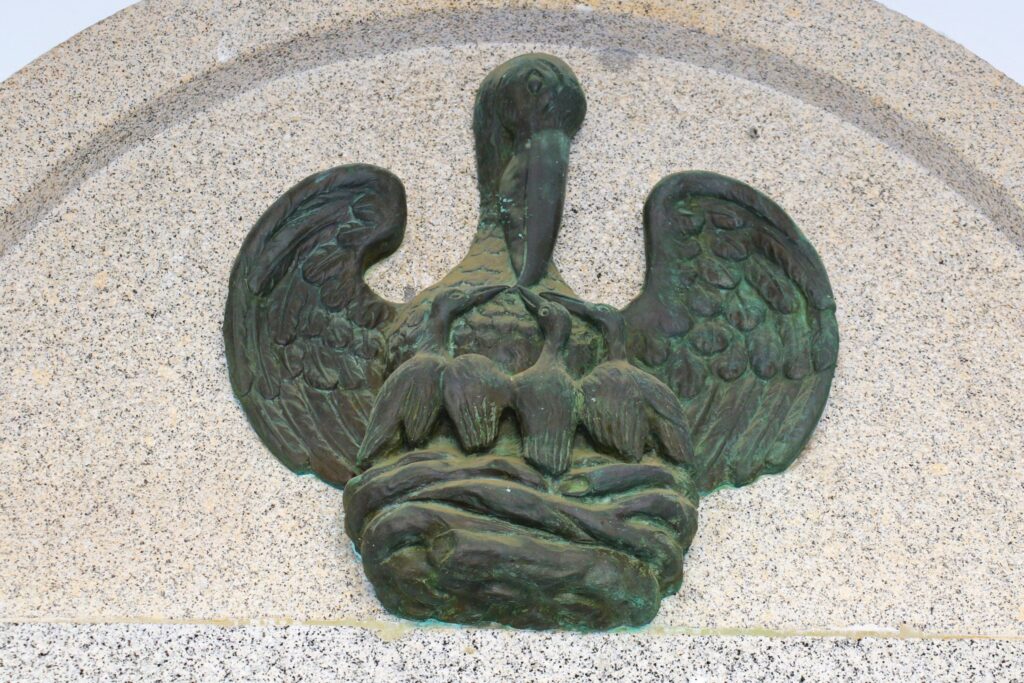
Pelican in Her Piety found on religious building in Evora
Self Guided Walking Tour of Evora
Self planned and self guided itineraries of new travel destinations have its advantages and disadvantages. While planning a night halt in Evora we had our doubts about whether Evora is a safe town. Brief research didn’t show up anything alarming and our stay there for two nights proved to be a very enjoyable one.
Evora, the name sounded so sweet, it rhymed with Ellora in Maharashtra India. I wondered what the word Evora would mean. In a casual conversation with the receptionist of the hotel we were staying I came to know that Evora is a girl’s name of Portuguese origin meaning yew tree. Interesting, isn’t it?!
The streets we walked through seemed so similar to those in Elvas, only they were more populated and had more cafes. The walls were painted yellow in the lower part and the up and down sloping cobbled streets were neat and clean. Our hotel, Evora Inn Chiado Design hotel, was located on the Giraldo Square, the main square of Evora.

Walking Tour – Things to do in Evora Portugal We had our heart fill taking walks along the small alleyways in this picturesque place discovering cute coffee shops, boutique stores, and mingle with locals!
Top 10 Things to Do in Évora
1. Marvel at the Historic Roman Temple of Évora
What It Is: The Roman Temple of Évora (Temple of Diana), dating to the 2nd or 3rd century CE, stands as one of the Iberian Peninsula’s best-preserved Roman structures, its imposing Corinthian columns creating a dramatic centerpiece in the heart of the medieval city.
Why You Should Go: This is a tangible connection to Évora’s Roman past when the city served as an important regional capital called Liberalitas Julia. The temple’s survival through 2,000 years of wars, earthquakes, and urban development represents nothing short of miraculous, making it one of Europe’s most significant Roman monuments outside Italy.
Insider Tip: Visit during late afternoon when the setting sun illuminates the honey-colored granite columns, creating spectacular photography opportunities. The temple is free to view from the exterior, and the surrounding Largo do Conde de Vila Flor provides multiple angles for capturing the perfect shot.

Roman Temple
2. Contemplate Mortality at the Capela dos Ossos
What It Is: The Chapel of Bones inside Igreja do Carmo represents one of Europe’s most macabre yet profound religious sites. Created by 16th-century Franciscan monks, this small chapel features walls and pillars completely covered with human skulls and bones from over 5,000 individuals.
Why You Should Go: Beyond its shock value, the Capela dos Ossos offers a uniquely Portuguese approach to death that blends Catholic theology with practical necessity.
Insider Tip: Purchase tickets online in advance during peak season, as the small chapel can only accommodate limited visitors at once.
We reached early morning when there was hardly any crowd. Don’t miss the adjacent Igreja do Carmo’s baroque interior, which provides beautiful contrast to the chapel’s stark message.
Church of Bones, Evora – Travel Tips

Evora Things to do and see – Chapel of Bones in Evora
3. Climb the Rooftop of Sé de Évora
What It Is: The Évora Cathedral dominates the city’s skyline as one of Portugal’s most important Gothic structures, begun in 1186 and completed over several centuries. The cathedral’s fortress-like appearance reflects its dual role as religious center and defensive stronghold during medieval conflicts.
Why You Should Go: The cathedral rooftop tour provides Évora’s most spectacular panoramic views, revealing the city’s perfect circular layout within ancient walls and offering glimpses of the surrounding Alentejo plains stretching toward Spain.
Insider Tip: If time permits pay the extra €2.50 to access the rooftop terrace—the views alone justify the cathedral visit. Inside, don’t miss the cloister with its unique architectural details and the museum’s collection of sacred art.
4. Soak in the Atmosphere at Praça do Giraldo
What It Is: Giraldo Square serves as Évora’s beating heart, a perfectly proportioned Renaissance square surrounded by whitewashed arcades that have sheltered cafes, shops, and social gatherings for over 500 years. The square is named after Geraldo Geraldes, who liberated the city from Moorish rule in 1165.
Why You Should Go: This central square provides the perfect introduction to Évora’s rhythm and character. Here you’ll witness daily life unfolding as it has for centuries—morning coffee rituals, afternoon conversations, evening passeios (strolls), and weekend markets. The square’s cafes offer front-row seats to observe local customs while sampling traditional pastries and regional wines.
Insider Tip: Claim a table at a Café during late afternoon to observe the evening social ritual as locals emerge for their traditional stroll around the square. The fountain in the center marks the endpoint of the Aqueduct of Silver Water.
We started our historical exploration here. If you happen to be there on Tuesday mornings you can see a small local market with regional products perfect for picnic supplies.

Santo Antao on Praca Do Giraldo square Evora
5. Discover the Historic University of Évora
What It Is: The University of Évora, founded in 1559 by Cardinal Henrique (later King Henrique), represents one of Europe’s oldest universities and played a crucial role in spreading Portuguese culture throughout its former empire.
Why You Should Go: Beyond its historical significance, the university brings vibrant student energy to Évora’s ancient streets. The campus buildings showcase some of Portugal’s finest azulejo tile work, while the academic atmosphere adds intellectual depth to your visit.
Insider Tip: Visit during term time (October-June) to experience the full academic atmosphere and see students navigating these historical spaces daily. Check university website for concerts, exhibitions, and talks.
6. Walk Along the Aqueduto da Água de Prata
The Aqueduct of Silver Water represents one of Portugal’s most impressive engineering achievements, stretching 18 km from the Graça do Divor spring to supply Évora with fresh water since 1537. I have written an elaborate guide on the aqueduct.
Walking sections of the aqueduct reveals the ingenious solutions Portuguese engineers devised for challenging terrain. The massive arches near the city walls create dramatic urban landscapes, many arches now house small shops, restaurants, and residences, showing how Évora residents adapted historical infrastructure for contemporary use.
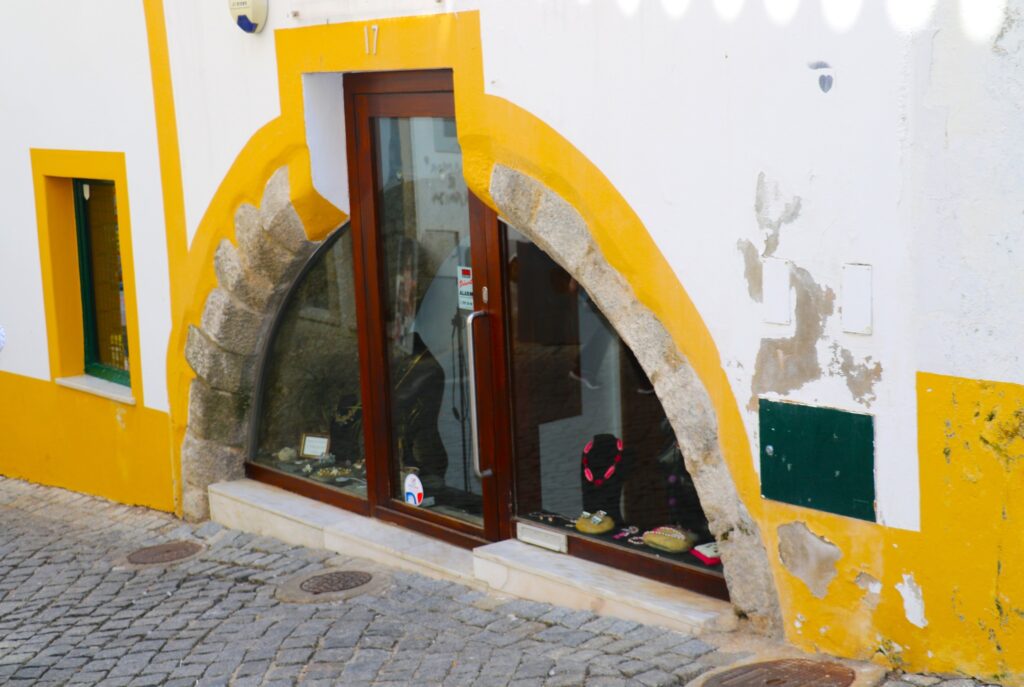
Arches house small shops
7. Get Lost in the Whitewashed Medieval Streets
Évora’s medieval quarter rewards aimless wandering with constant discoveries—hidden chapels tucked between residences, tiny squares with elaborate fountains, traditional shops selling cork products and pottery, and family-run tascas where locals gather for wine and conversation.
The maze of narrow streets follows medieval patterns designed for defense rather than convenience, creating a pedestrian-friendly environment where every turn reveals architectural details spanning centuries.
Focus your explorations around Rua 5 de Outubro for the best concentration of traditional shops and local atmosphere. Rua da República offers glimpses of noble palaces and their elaborate facades, while the smaller alleys connecting these main streets hide Évora’s most authentic neighborhood life.
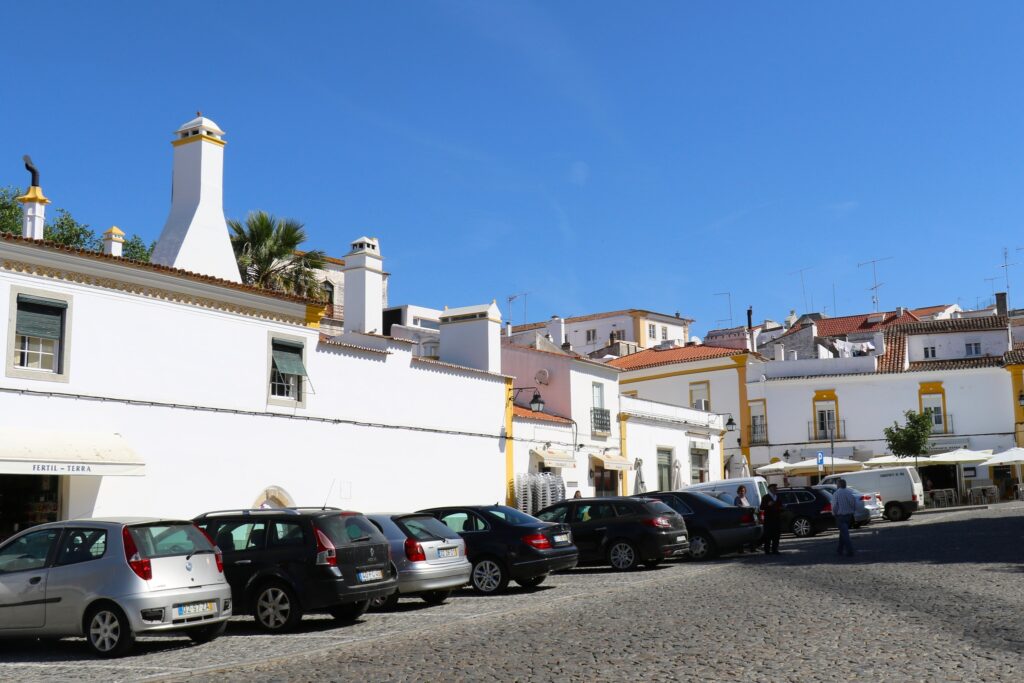
Whitewashed Évora’s medieval quarter
8. Taste the Flavors of Alentejo Cuisine
Alentejo cuisine represents Portuguese cooking at its most authentic and flavorful, emphasizing local ingredients transformed through generations of culinary wisdom. Évora’s restaurants showcase regional specialties that reflect the area’s agricultural abundance and winemaking traditions, creating dining experiences that perfectly complement the city’s historical atmosphere.
Essential dishes include açorda alentejana (bread soup with garlic, coriander, and poached eggs), ensopado de borrego (lamb stew), and migas (fried breadcrumbs with pork). Local restaurants have perfected these traditional recipes while maintaining authentic preparation methods passed down through families.
Wines: The Alentejo region produces exceptional wines that pair perfectly with local cuisine. Try robust reds from Reguengos de Monsaraz or crisp whites from Vidigueira. Many restaurants offer wine flights that introduce you to regional varietals while explaining their characteristics and ideal food pairings.
9. Explore the Public Gardens and Royal Palace Ruins
The Public Garden (Jardim Público) occupies the site of the former Royal Palace of Évora, where Portuguese kings once held court during the city’s golden age as a royal residence. Today’s peaceful garden preserves sections of the original palace while providing green space for relaxation and reflection.
The ruins include parts of the Paço Real, where significant historical events unfolded during Portugal’s imperial period. Information panels explain the palace’s former grandeur and its role in Portuguese court life, while archaeological remains provide tangible connections to royal history.
The garden itself offers respite from cobblestone streets with shaded pathways, benches positioned for people-watching, and seasonal flowers that add color to the medieval cityscape. Local families use this space for picnics and casual gatherings, providing opportunities to observe everyday Portuguese life.
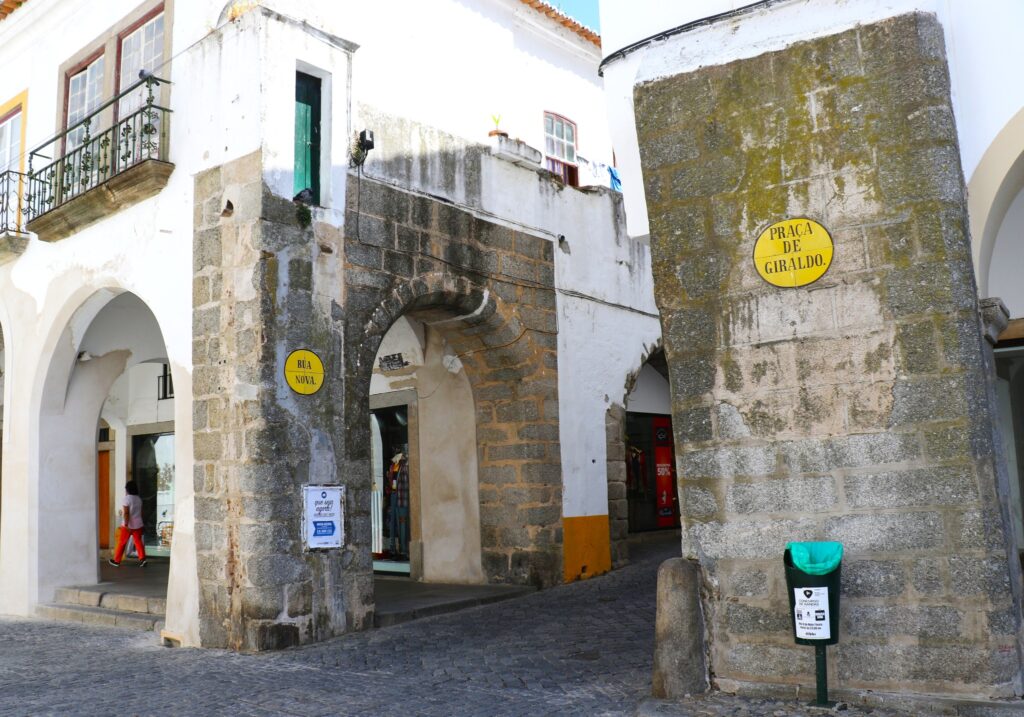
Rua Nova – Praca de Giraldo
10. Shop for Cork Souvenirs and Local Crafts
The Alentejo region produces much of the world’s cork, making Évora an ideal place to discover cork products beyond traditional wine stoppers. Local artisans create everything from handbags and wallets to jewelry and home décor items.
Traditional pottery from nearby São Pedro do Corval represents another regional specialty, with distinctive designs and techniques passed down through generations.
Rua 5 de Outubro and streets surrounding Giraldo Square offer the best concentration of authentic craft shops.
Avoid tourist-focused stores near major monuments in favor of family-run shops where artisans often work in back rooms, creating pieces you can watch being made.
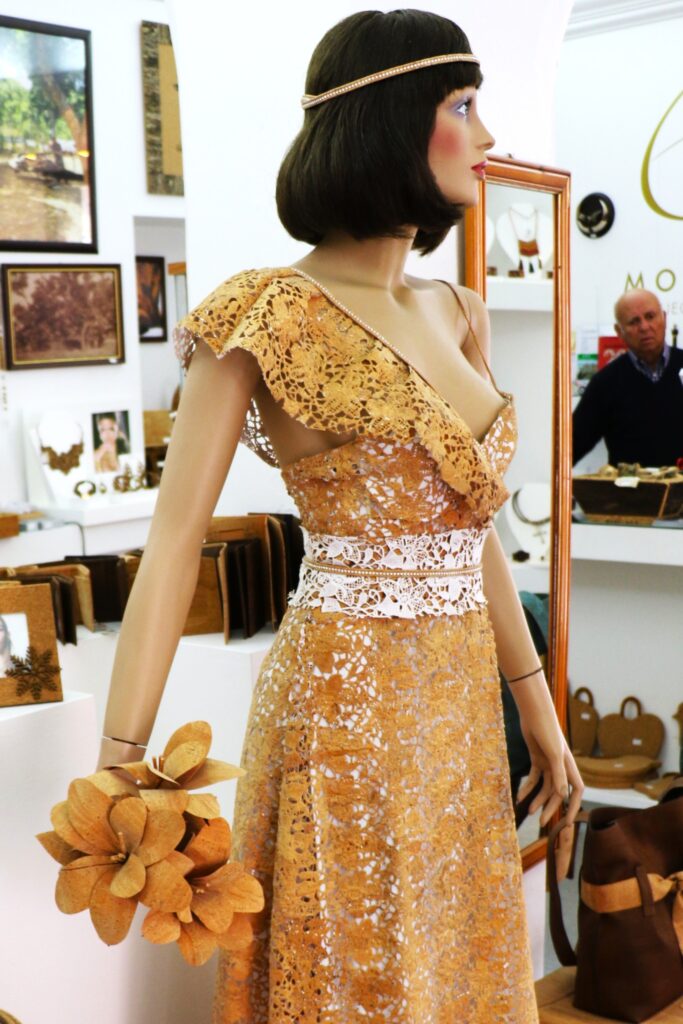
Cork souvenirs
Evora Museum – Once this building was the residence of bishops and noblemen, today it houses a collection of regional treasures. Very spacious, light, and airy it is worth the effort and time mulling over the displays. The archaeology section contains the engraved slate plates, ceramic dishes, beads and other treasures dating through Bronze and Iron Ages to the Roman era. This is located in front of the cathedral, Largo Conde Vila Flor, Évora.
Statue of Dr. Barahona, in Evora – Cuba 1843 – 1905, a Portuguese land owner and philanthropist. Catch a glimpse of his bronze statue in the Garden of Diana. The female allegorical figure represents the city of Evora.

Statue of Dr. Barahona – Evora Things to See
How to Plan Your Visit to Évora: Practical Guide
A Perfect One-Day in Évora Itinerary (Step-by-Step)
Morning (9 AM – 12 PM): Begin at Giraldo Square with coffee and pastéis de nata while observing morning life unfold. Walk to the Roman Temple for photos in optimal morning light, then explore the surrounding noble palaces and their architectural details.
Visit Évora Cathedral next, purchasing tickets for both interior and rooftop access. The cathedral tour requires 45-60 minutes to properly appreciate the art, architecture, and panoramic views from the tower and terrace.
Afternoon (12 PM – 6 PM): Lunch at a traditional restaurant specializing in Alentejo cuisine—try Taberna Real or Dom Joaquim for authentic regional dishes. After lunch, visit the Chapel of Bones to experience this unique meditation on mortality.
Spend remaining afternoon hours wandering the medieval streets, browsing craft shops, and discovering hidden squares. The University of Évora provides cultural depth, while sections of the Aqueduct of Silver Water offer impressive engineering perspectives.
Evening (6 PM – 9 PM): Join locals for the traditional evening stroll around Giraldo Square, then enjoy dinner at a family-run tasca. End with Portuguese wine and conversation at an atmospheric bar in the medieval quarter.
Things to See around Evora
I wish I had planned another day for Evora as there are interesting things to see around Evora. Though I had made notes on this and intended to see it, I had to give it miss due to lack of time.
Drive out of Evora old town, about 15 km west of Évora to see the famed megalithic Cromeleque dos Almendres (Cromlech of Almendres). There is so much of mystery around it; the oval space is studded with 95 lichen-encrusted granite stones that date back to between 4000 and 2000 BC. It is believed to be a temple dedicated to a solar cult of Neolithic era!

View of Evora Town
What to Eat in Évora (Must-Try Alentejo Dishes)
Açorda Alentejana represents the region’s most iconic dish—a hearty bread soup enriched with garlic, coriander, olive oil, and topped with poached eggs. This peasant dish transforms simple ingredients into comfort food that perfectly reflects Alentejo’s agricultural character.
Ensopado de Borrego (lamb stew) showcases the region’s pastoral traditions with slow-cooked lamb, vegetables, and aromatic herbs. Local restaurants prepare this dish using traditional methods that create incredibly tender meat and rich flavors.
Migas transforms day-old bread into a satisfying side dish fried with garlic, olive oil, and often mixed with pork or vegetables. Every family has their own migas recipe, making this simple dish endlessly variable.
Sericaia provides the perfect dessert conclusion—a light, eggy pudding flavored with cinnamon and lemon that originated in local convents. Pair it with Ameixas d’Elvas (candied plums) for an authentically regional sweet experience.
Wine pairings: Local red wines from Reguengos de Monsaraz or Borba complement rich meat dishes, while crisp whites from Vidigueira pair beautifully with lighter fare. Many restaurants offer regional wine flights that introduce multiple varietals.
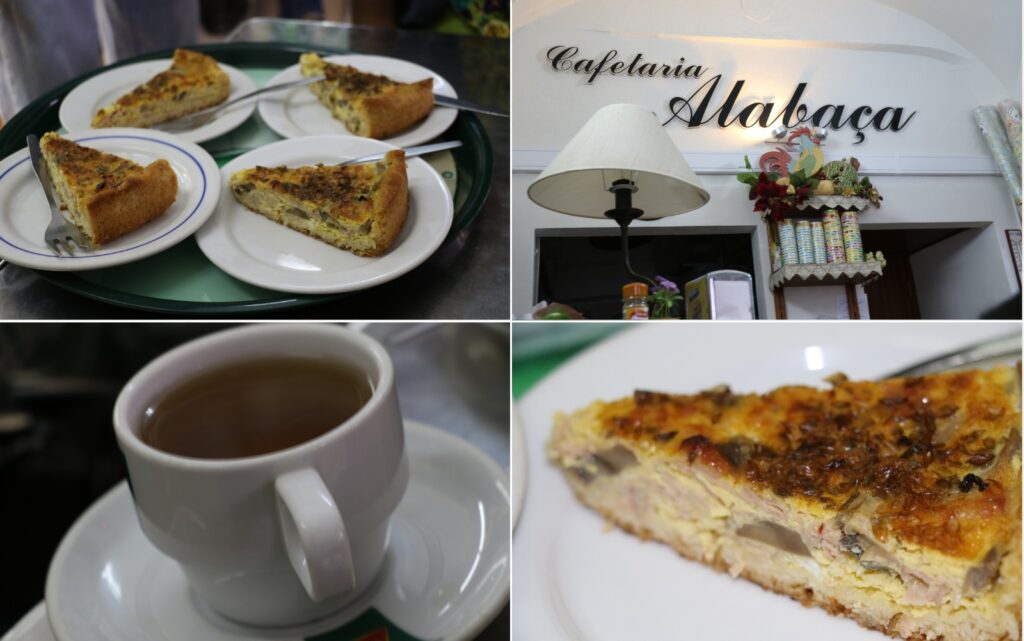
Cafeteria Evora
How to Reach Evora
Evora is well connected to other cities by road and rail.
By Car: We hired a car and self drove to the town of Evora. The tolls along the way are electronic, hence not much of a hassle. That permitted us to leisurely explore the region and halt along the way. We did have to search around a bit for parking. But our hotel guys were super helpful to suggest the right area for parking around the historic centre.
By Bus: The second most convenient way to get to Evora is by bus from Lisbon. The buses depart from Lisboa Sete Rios station. The bus ride takes about an hour and 45 mins. You can purchase the ticket online, with validity up to 30 days.
By Train: If you love train journeys then this is for you. You can book your tickets online with validity up to 60 days.

Streets of Evora
Best Time of Year to Visit Évora
Spring (March-May) offers optimal Évora Portugal weather with mild temperatures (60-75°F), and comfortable conditions for extensive walking. This season provides the best balance of pleasant weather, reasonable crowds, and moderate prices.
Summer (June-August) brings guaranteed sunshine but intense heat that can exceed 100°F, making midday exploration uncomfortable.
Fall (September-November) rivals spring for ideal visiting conditions. Early fall maintains warm, stable weather while harvest season adds special atmosphere to the surrounding wine regions.
Winter (December-February) offers authentic local experiences with minimal crowds and lowest prices. However, some attractions have reduced hours, and weather can be unpredictably rainy.
Where to Stay in Évora (Top Hotel Picks for Every Budget)
Luxury ($200+ per night): Pousada Convento de Évora occupies a converted 15th-century convent next to the Roman Temple, offering luxury accommodations in historically significant settings.
Mid-Range ($80-150 per night): Vitória Stone Hotel provides contemporary comfort within the medieval walls, featuring stone and tile décor that reflects local traditions. Central location makes all attractions easily walkable.
Évora Hotel offers modern amenities in a historic building, with parking facilities and professional service. The rooftop terrace provides views over the city’s ancient walls and surrounding Alentejo plains.
Budget ($40-80 per night): Casa do Vale Hotel combines affordability with authentic Portuguese character in a beautifully restored traditional building.
Stay Hotel Évora Centro delivers clean, modern accommodations at reasonable prices with central location and reliable amenities.

Facades in Old Town of Evora
FAQ about Visiting Évora
How many days do you need in Évora?
Évora can be thoroughly explored in one full day, making it perfect for day trips from Lisbon. However, two days allow for a more relaxed pace and opportunities to explore surrounding Alentejo attractions like Monsaraz or local wineries.
Is Évora better as a day trip or overnight stay?
While Évora Portugal works excellently as a day trip from Lisbon, staying overnight provides a completely different experience. The city transforms after tour groups depart—restaurants fill with locals, evening strolls become social events, and you can experience authentic Portuguese hospitality.
What is the best way to get around Évora?
Évora is perfectly sized for walking—the entire historic center measures less than one kilometer across. All major attractions lie within easy walking distance of each other, connected by pedestrian-friendly streets and squares.
Can you visit Évora without a car?
Absolutely. Visit Évora is easily accomplished using public transportation from Lisbon, and the compact city center makes walking the most practical way to explore attractions.
What should I wear when visiting Évora?
Comfortable walking shoes with good grip are essential for navigating Évora’s cobblestone streets safely. Dress modestly for church and cathedral visits—covered shoulders and knees are required.
Is Évora crowded with tourists?
Évora Portugal experiences moderate tourism that rarely feels overwhelming, especially compared to Lisbon or Porto. Summer months and weekends bring more visitors, but the city’s size means crowds disperse quickly.
What language is spoken in Évora?
Portuguese is the primary language, but English is commonly spoken in hotels, restaurants, and tourist-focused businesses. Learning basic Portuguese phrases enhances interactions and demonstrates respect for local culture.
Is Évora expensive to visit?
Évora offers exceptional value compared to Portugal’s coastal destinations. Restaurant meals cost €15-25 per person, accommodation ranges from €40-200 per night depending on category, and many attractions charge minimal entrance fees.
What are Évora’s opening hours and closing days?
Most Évora attractions open Tuesday-Sunday from 9 AM to 6 PM, with shorter winter hours. The Chapel of Bones and Roman Temple are accessible daily, while the Cathedral has specific visiting hours for rooftop access. Monday closures are common for museums, though churches and outdoor attractions remain accessible.
Can families with children enjoy Évora?
Évora Portugal welcomes families, though the historical focus and extensive walking may better suit older children interested in history and culture. The Chapel of Bones might be too intense for young children, but the cathedral tower, Roman temple, and medieval streets provide adventure and educational opportunities.
Pin this for later

 Indrani Ghose is an Indian Travel Writer and Blogger based in Bangalore, India. She has written for numerous publications across the globe – including Lonely Planet, The National UAE, Whetstone Asia, Deccan Herald. You can follow her on her social media handles Instagram, Twitter, Pinterest and Facebook to see the wonderful destinations, beautiful offbeat places and get instant updates about them.







Great snaps and post. Your posts have made me an arm-chair traveler! 🙂
Oh my God! Amazing pics 🙂 Loved the aerial view of the town. Very nice 🙂
Super nice
Thanks a lot for the lovely virtual tour.Will ask your suggestions while planning a trip here:).
Cheers,
Sriram & Krithiga
Never guessed Portugal would be so interesting.And their cleanliness–it is impressive.
What stunning pictures! I’m excited about my upcoming trip to Portugal and Spain! Mind if I send you a private message? I’d love to get some travel tips from you!
Please do mail me. I will share with you all that I know. My mail id indrani.gh@gmail.com
Ruins have a charm of their own. Ah! look a that temple!!
Lovely sights — the cobblestone path, the architecture… all of it.
I like your road photo too. 🙂
Wow!
Do you ever feel that one city is a bit indistinguishable from any other city in Europe?
You are right most of them look similar. Here in Portugal, Elvas and Evora too looked like twins.
The place looks so so so beautiful!
I love the statue with the sculpted woman looking up…amazing!
nice!, These pictures are treat to eyes.
Lovely Snaps. Lovely place!! Lovely write up!! 🙂
It’s awesome gal 🙂
Beautiful place Indeed. I sometime amazed how they keep their cities and monuments so clean ? In our country it is a dream still but can hope something will change a day .
Beautifully captured as always!!
I’ve never been to Portugal. I am enjoying your tour!
Wonderful shots with shose clear blue skies.
Thank for sharing and enjoy your weekend.
Hello Indrani, I do enjoy following your travels. So many pretty sights to see.
The square, temple and statue are all beautiful. Thanks for sharing your visit.
Happy Friday, have a great weekend!
Dear Eileen, thank you for the lovely comment!
happy Friday to you too!
Looks like a wonderful place to visit! I love the Roman temple.
It definitely is a wonderful place to visit Gunilla. 🙂
Great views, Indrani, so interesting!
Thank you Pietro and Cynthia. 🙂
HELLooooooooooooooooo , and this is a lovely place tooo ..
you been travelling a lot , I want to do tooooooooooooooo
Bikram’s
Thanks a lot Bikram! 🙂
Wish you many happy travels!
Lovely shots. I do love Portugal!
Thank you! Me too and I hope I can visit again.
As blue as my sky.
Yes I hopped over to see yours. 🙂
Looks like a beautiful place to visit with some great history!!
Yes peter, it is!
The Roman temple stands out in a great post
ALOHA
ComfortSpiral
=^..^=
Thank you Cloudia.
Another lovely documentation of your trip. May I ask how you select your destinations?
Hi Photo Cache, I usually prefer to visit the Unesco heritage sites, old places with crumbling ruins. So the itinerary is fixed with these places in mind.
Thank you. 🙂
I love your captures for the day!! Such beautiful skies! And lovely memories for me as I spent time in Portugal visiting a relative who lived there for a number of years. Have a wonderful weekend!!
Glad it brought back wonderful memories for you!
Beautiful place…. I sometime wonder how they keep their cities and monuments so clean ..
Yes, indeed! Beautiful neat and clean!
People there are more responsible and conscious towards their surroundings!
Thank you Prasad. 🙂
Such lovely vistas! I have been longing to go to Portugal, especially since I’ve visited former colonies like Brazil and Macau and the setting looks very similar.
Now you make me dream to visit Brazil and Macau! 🙂
Thank you Fly Girl!