Bhoga Nandeeshwara Temple: Complete FAQ and Visitor Guide (2026)
Your questions about Bhoga Nandeeshwara Temple answered: Everything you need to know before visiting Karnataka’s hidden architectural gem
Last Updated: October 2025
After visiting Bhoga Nandeeshwara Temple multiple times over the past two years and receiving countless questions from friends and family, fellow travelers, and curious explorers, I’ve compiled this comprehensive FAQ to help you plan your visit with confidence.
Whether you’re wondering about basic logistics (“How do I get there?”), concerned about cultural etiquette (“What should I wear?”), curious about the temple’s significance (“Why should I visit?”), or planning detailed architectural study (“What should I photograph?”), this guide has you covered.
I’ve organized these questions into categories for easy navigation, drawing from my own experiences visiting in March 2023, and October 2025, conversations with temple priests and guides.
This is Part 4 of our comprehensive Bhoga Nandeeshwara Temple series. Haven’t read the others yet?
Start Here: Complete Visitor Guide — Overview, why visit, quick facts
Dive Deeper: 1,000 Years of History — Multi-dynasty timeline, how the temple evolved
For Architecture Lovers: Dravidian Engineering Marvel — Technical deep-dive into design, acoustics, passive cooling
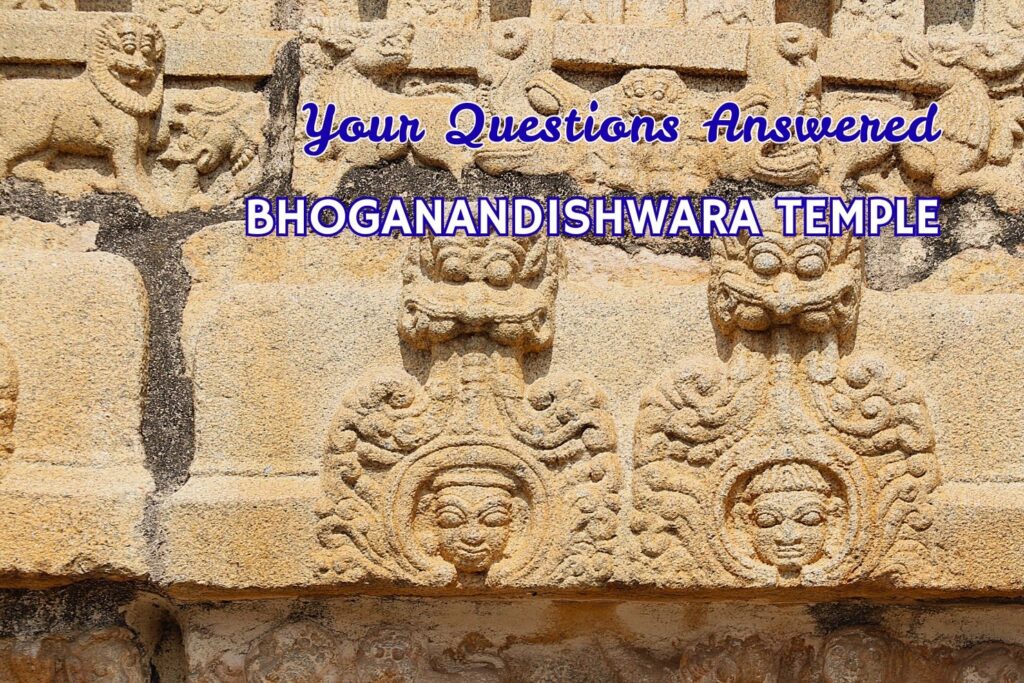
FAQ Bhoga Nandeeshwara Temple
Getting to Bhoga Nandeeshwara Temple and Logistics
Q1. How far is Bhoga Nandeeshwara Temple from Bangalore, and how long does it take to reach?
Distance: Approximately 60 km from Bangalore city center (Majestic/M.G. Road area)
Travel Time:
- Best case (early morning, no traffic): 1 hour 15 minutes
- Average (weekday morning): 1.5 to 2 hours
- Worst case (weekend afternoon, heavy traffic): 2 to 2.5 hours
Route: Bangalore → NH 44 (Bangalore-Hyderabad Highway) → Devanahalli → Nandi Village
My Experience: I’ve made this journey several times now at different times of day to different destinations crossing this temple on the way. Leaving Bangalore by 6.30 AM on a weekend, I reached the temple by 8 AM with minimal traffic. On a Friday afternoon departure around 2 PM, the same journey took 2 hours 15 minutes due to outbound city traffic.
Pro Tip: The drive itself is pleasant once you clear Bangalore’s urban sprawl. After Devanahalli, you’ll see Nandi Hills gradually rising ahead, and the temple is located at the base — 2 km before the Nandi Hills entrance gate.
Q2. What are the exact temple timings and best time to visit?
Bhoganandishwara is an active temple, meaning daily worship rituals continue exactly as they have for centuries. Visitors are welcome to observe (respectfully) or even participate if they wish.
Official Temple Timings: 6 AM to 8 PM daily (all seven days)
Daily Puja Schedule:
- Morning Abhishekam: ~7 AM (Shiva idol bathed with milk, honey, water)
- Madhyahna Pooja: ~12 PM (noon worship)
- Evening Aarti: ~6.30 PM to 7 PM (lamp lighting ceremony — most atmospheric)
Best Visiting Times:
- Early Morning (6.30 AM to 8.30 AM) Highly Recommended
- Late Afternoon (4PM to 6 PM) Good Alternative
Avoid: 11 AM to 2 PM
From My Visits: My most memorable experience was arriving at 6.45 AM in October 2025. The temple complex was nearly empty except for a few local devotees. Morning mist still clung to the stone, birds chirped around the temple tank, and the golden hour light made the ancient carvings glow. By 9.30 AM when we left, tourist buses had arrived and the peaceful atmosphere had shifted to bustling.
Q3. Is there an entry fee for Bhoga Nandeeshwara Temple?
No, entry is completely free. There are no tickets, no registration, no mandatory fees of any kind.
Optional Expenses:
- Donations: Voluntary contribution boxes near main shrines (₹10-100 or whatever you wish)
- Puja offerings: If you want priests to perform special rituals for you (₹50-500 depending on ritual)
- Guide fees: Local guides charge ₹300-600 for 45 to 90 minute tours (recommended but optional)
- Parking: Free in the designated parking area
- Photography: Free (no camera fees unlike many other temples)
- Safe keeping of footwear: nominal amount
Important: You may occasionally encounter individuals claiming to be “official guides” who demand fees or donations. Politely decline and seek guides at the official entrance or ask temple staff for recommendations.
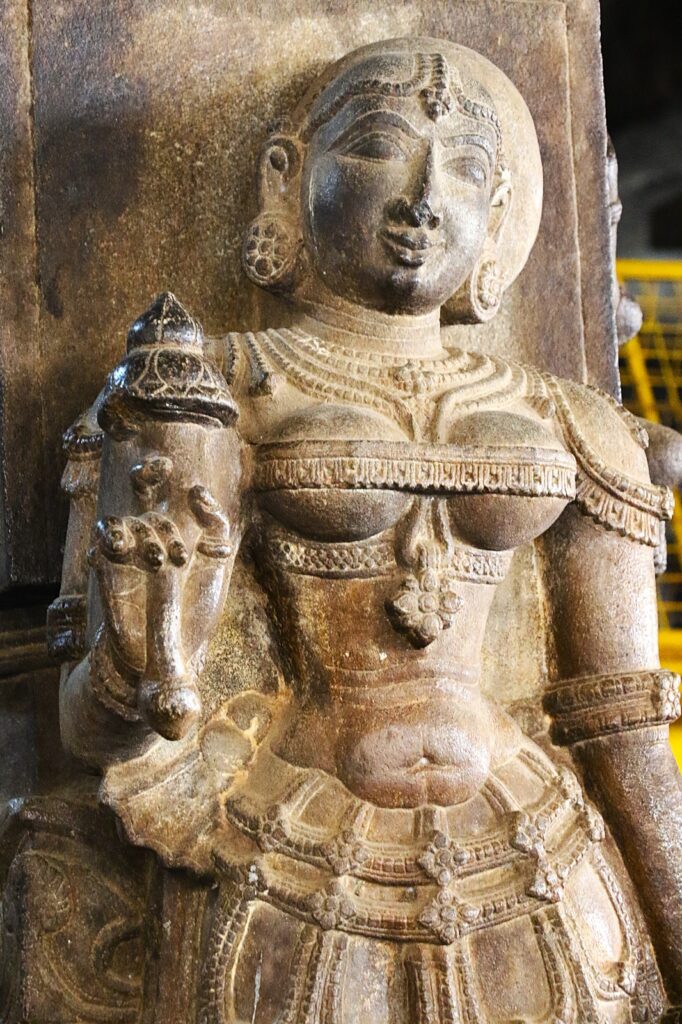
Statue in Mahadwara (gate) of Bhoganandishwara Temple
Q4. How do I reach Bhoganandishwara Temple from Bangalore?
Option 1: By Car (Self-drive)/Taxi (Most Convenient) Recommended
Self-Drive:
- Take NH 44 (Bangalore-Hyderabad Highway) north
- Exit at Devanahalli, follow signs toward Nandi Hills
- Temple is 2 km before Nandi Hills gate on the right side
- Navigation: Google Maps “Bhoganandishwara Temple, Nandi Village” works perfectly
Taxi/Cab:
- Ola/Uber: Book outstation ride (₹1,500-2,000 round trip with 3-4 hour waiting)
- Advantage: Driver waits while you explore (stress-free)
- Booking tip: Confirm waiting charges upfront to avoid disputes
Option 2: By KSRTC Bus (Budget-Friendly)
Route and details:
- Board from Kempegowda Bus Station (Majestic), Platform 17
- Take any bus heading to “Nandi Hills” or “Chikkaballapur”
- Inform conductor: “Nandi Village Temple” or “Bhoganandishwara Temple”
- Bus drops you ~500m from temple entrance (short walk)
- Fare: ₹60-80 per person one way
- Duration: 2-2.5 hours (includes stops)
- Return: Buses pass by temple road every hour; flag them down
Challenges: Less flexible timing, crowded during weekends, return timing uncertainty
Option 3: By Train + Local Transport
Route:
- Train from Bangalore City Junction/Yelahanka to Chikkaballapur Railway Station (6 km from temple)
- From station: Auto-rickshaw (₹100-150) or local bus to Nandi Village
Reality Check: Train schedules are inconvenient (few direct trains), and local connectivity from Chikkaballapur is limited. Only recommended if you’re already in the area.
Option 4: Organized Tours
Several Bangalore-based tour operators offer “Nandi Hills + Bhoganandishwara Temple” day packages:
- Cost: ₹800-1,200 per person (includes transport, breakfast, guide)
- Advantage: Hassle-free, includes both attractions
- Disadvantage: Fixed schedule, limited time at temple (usually 45-60 minutes)
My Recommendation: Self-drive or hired taxi gives maximum flexibility. Self-drive gives you control over departure/return timing and allows spontaneous extended stays if you’re captivated by the place.
Q5. Can I combine Nandi Hills and Bhoganandishwara Temple in one trip?
Absolutely yes — and I strongly recommend it! They’re only 2 km apart, making a combined visit extremely practical.
Two Itinerary Options:
Option A: Temple First (My Preferred Route)
6.30 AM: Leave Bangalore
8 AM to 10 AM: Bhoganandishwara Temple (2 hours)
10.30 AM to 11 AM: Drive up to Nandi Hills (10 minutes, 2 km)
11 AM to 1 PM: Nandi Hills exploration (viewpoint, Tipu’s Drop, yoga center, breakfast)
2 PM: Return to Bangalore
Option B: Sunrise Enthusiast Route
5 AM: Leave Bangalore (super early!)
6.30 AM: Nandi Hills sunrise viewpoint
8 AM: Breakfast at Nandi Hills
9 AM to 11 AM: Bhoganandishwara Temple
12 PM: Return to Bangalore
Nearby Attractions to Add (if you have more time):
- Yoga Nandeeshwara Temple (3 km): Smaller temple dedicated to Nandi, 30-minute visit
- Brahmashram (5 km): Cave temple with interesting rock formations
- Muddenahalli (25 km): Sir M. Visvesvaraya Museum (for engineering history enthusiasts)
My Experience: I’ve done both routes. The temple-first approach felt more balanced — I could spend unhurried time appreciating the architecture without watching the clock, then enjoyed Nandi Hills at a relaxed pace. The sunrise route felt rushed at both places, though the sunrise view was admittedly spectacular.
Q6. What facilities are available near the temple?
At the Temple Complex:
Restrooms:
- Basic facilities, which is for the staff and they let you use it.
- Recommendation: Carry tissues, hand sanitizer, wet wipes
Drinking Water:
- Potable water taps available near entrance
- Temple tank water is NOT for drinking (ritual bathing only)
Food/Refreshments:
- Small tea/coffee stall near entrance (₹10-20)
- Serves: Chai, filter coffee, biscuits, packaged snacks
- Quality: Surprisingly good filter coffee, basic but clean
- No full meals available but you get prasad after puja is over in the noon at temple premises. I had the good fortune to partake in meal session during my March 2023 visit.
Parking: Free parking lot outside temple complex
Footwear Holding: There is a small shaded area inside temple complex where you can leave footwear for a small fee.
Mobile Network:
- Good coverage: Airtel, Jio, Vi all work well
- Temple is not remote; connectivity isn’t an issue
My Strategy: Have a light breakfast before leaving Bangalore (or skip it entirely). Carry energy bars and fruits for mid-temple snacking that you can have under a tree in the huge temple lawn. Visit temple for 2 hours. Then drive to Nandi Hills base for proper breakfast/brunch around 10.30 AM to 11 AM. This timing works perfectly and you get better food options.

Tulabhara Mandapa within temple premises
Temple Experience and Customs
Q7. What is the dress code for visiting Bhoganandishwara Temple?
Official Policy: No strict dress code enforced (unlike some temples that mandate traditional wear)
Recommended Attire:
For Men:
-
- Ideal: Full-length pants/trousers + shirt (half/full sleeves), Dhoti, kurta-pajama (appreciated but not required)
- Avoid: Very short shorts, sleeveless vests, beachwear
For Women:
-
- Ideal: Salwar kameez, saree, long skirts with dupatta
- Acceptable: Long pants/jeans + kurta/tunic covering shoulders and hips (I wore these during my visits.)
- Avoid: Short skirts, crop tops, sleeveless tops, shorts
Footwear Rules: Must remove before entering temple premises.
- Socks allowed if you prefer (especially in hot months/mid-day when stone floors can be burning)
Observations: I’ve seen Western tourists in shorts and t-shirts (not stopped, but got disapproving glances from locals). I’ve also seen families in full traditional attire. Both extremes are technically allowed, but modest middle-ground dress shows respect, enhances your experience, shows cultural sensitivity and makes you less conspicuous.
Q8. Can non-Hindus visit Bhoganandishwara Temple?
Yes, absolutely. The temple welcomes visitors of all faiths, nationalities, and backgrounds.
Openness Policy:
- No religious restrictions on entry
- No segregation or separate viewing areas
- International tourists regularly visit
- ASI-protected monument status means public access
What I’ve Witnessed: During my visits, I’ve seen, no one was questioned, stopped, or treated differently. The temple staff and local devotees are generally welcoming to respectful visitors regardless of background.
Religious Participation:
- Not required: You don’t need to perform any rituals or prayers
- Optional: You can participate if you wish (taking prasad, lighting lamps, etc.)
- Just observe: Perfectly fine to simply watch respectfully from the side
Q9. Are photography and videography allowed?
Yes, photography is freely allowed in most areas — and crucially, there’s no camera fee (unlike many Indian temples that charge ₹50-200 for cameras).
Allowed Areas:
- Outer courtyards and mandapas
- Kalyana Mantapa (pillars, ceiling, carvings)
- Temple tank (Shringi Teertha)
- Gopurams and vimanas (towers)
- All architectural details and sculptures
- Nandi mandapas
- Exterior walls and perimeter
Photography Guidelines:
Equipment Allowed:
- Cameras (DSLR, mirrorless, point-and-shoot)
- Smartphones
- Tripods in open courtyards (not inside narrow sanctums)
- Lenses of any size
Restricted/Sensitive Areas:
- Inner sanctums (garbhagrihas): Ask priest permission first (usually allowed but be respectful)
- During active puja: Wait for pauses, don’t obstruct rituals
- Flash photography: Avoid inside sanctums (damages painted surfaces, disturbs worshippers)
Strictly Prohibited:
- Drone photography: Not permitted (ASI protected monument, aerial photography restricted)
Videography: Generally allowed with same restrictions as photography. Avoid loud commentary during filming if near praying devotees.
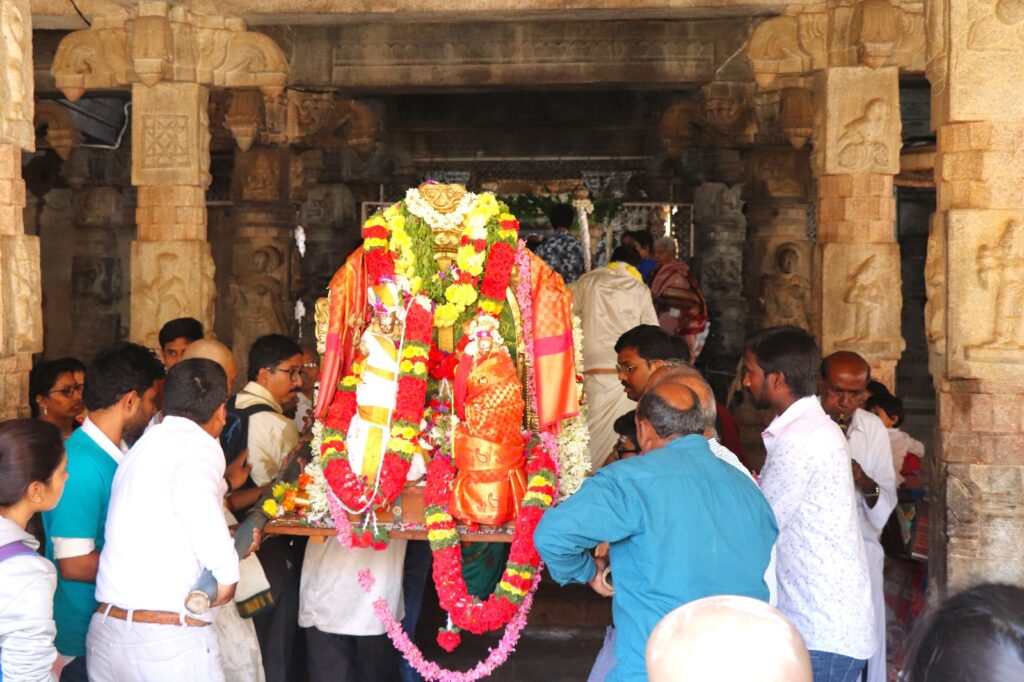
Temple Rituals and Customs
Q10. Is there a guide available, and should I hire one?
Yes, local guides are available — and I strongly recommend hiring one, especially for first-time visitors or those interested in history/architecture.
Cost:
- ₹300-500 for 45-to-60-minute basic tour
- Negotiate upfront; agree on duration and scope
Languages:
- English (most guides speak functional English)
- Kannada (native language)
- Hindi (many guides can manage basic Hindi)
- Tamil (some guides, given proximity to Tamil Nadu)
Alternative to Hired Guides:
Self-Guided with Resources:
- Download our blog posts (all 4 parts) as PDFs on phone
- Use temple maps (sometimes available at entrance)
- Karnataka Tourism app has some information
- Academic books: “South Indian Temples” by S.R. Balasubrahmanyam
Guidebook: Carry a printed temple architecture guide (Lonely Planet Karnataka chapter has brief coverage)
My recommendation: Hire a guide for your first visit, go solo on subsequent visits with your newfound knowledge. A knowledgeable guide transforms the visit from “pretty old temple” to “fascinating architectural and historical narrative.”
Q11. What festivals can visitors witness at the temple?
Festival Rituals (Annual Events):
- Mahashivaratri (Feb/March): Expect huge crowds; arrive very early or late evening
- Karthika Deepotsava (Nov): Temple illuminated with traditional oil lamps
- Kalyanotsava (Date varies, check temple calendar): Divine wedding ceremony of Shiva-Parvati
Special Occasions — Homams (Fire Rituals):
Families occasionally book the Kalyana Mantapa for special homams (fire rituals) for occasions like:
- Weddings
- Housewarming ceremonies
- Milestone birthdays
- Business inaugurations
Visitor Observation: If you arrive during a private homam, you can usually observe from a respectful distance. I witnessed one in March 2023 and the priest welcomed my respectful observation, even explaining some of the ritual significance afterward.
Q12. Can I participate in Temple rituals?
Yes, if you wish — though not required:
How to Participate:
- Arrive before ritual starts, ask priest or devotees the ritual timings
- Stand or sit with other devotees (follow their lead)
- Join in circumambulation if it occurs (walk clockwise around shrine)
- Accept prasad when distributed
- Optional: Make small offering (fruits, flowers, coconut — can purchase near entrance for ₹20-50)
No Religious Knowledge Required: Simply following what others do and showing respect is sufficient. No one expects non-Hindu visitors to know complex rituals.
Bottom Line: Witnessing these ancient rituals in a space specifically designed for them centuries ago is one of the most powerful aspects of visiting Bhoganandishwara. The temple isn’t a dead monument — it’s a living tradition, and observing that continuity is deeply moving even for non-religious visitors.
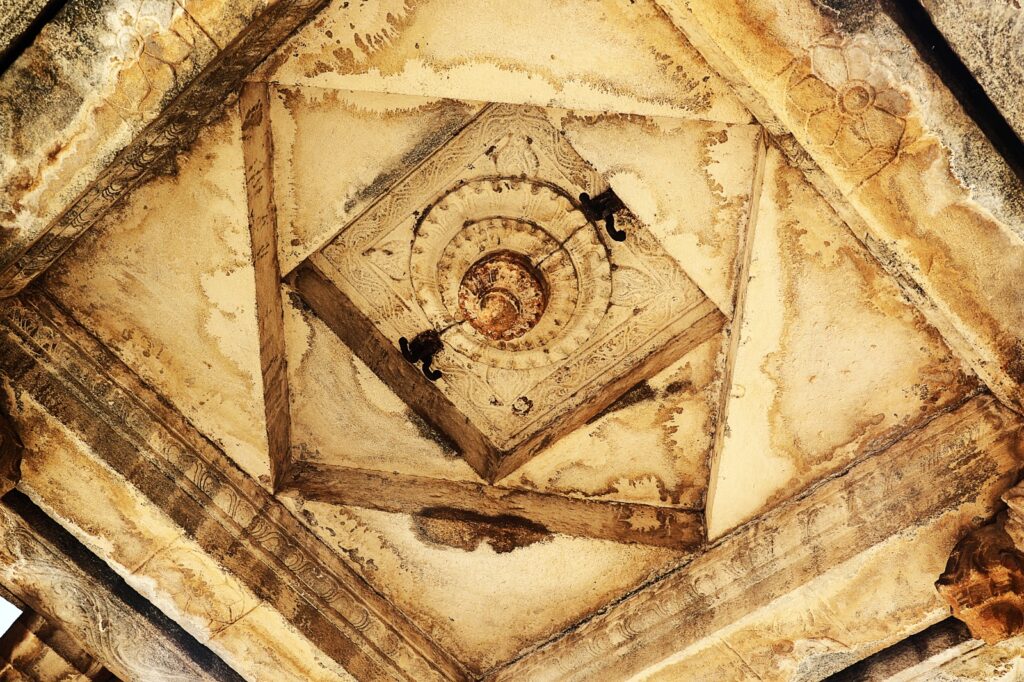
Hooks in ceiling for Tulabharam in Tulabhara Mandapa
Q13. Is Bhoga Nandeeshwara Temple wheelchair accessible or suitable for elderly visitors?
Accessible Areas (60-70% of temple):
Easily Accessible:
- Main entrance and parking (flat, paved)
- Outer courtyards (mostly level stone flooring)
- Kalyana Mantapa viewing from outside (can see pillars/carvings from courtyard level)
- Temple tank viewing (can observe from upper perimeter)
- Gopuram areas (ground level)
Accessible with Assistance:
- Some mandapas (wide entrances, minimal steps)
- Circumambulation paths (mostly level with occasional uneven stones)
My Observations: I’ve seen elderly Indian visitors (60s-70s) successfully navigate the temple with walking sticks and family assistance.
Comparison with Other Temples:
- Better than: Hampi (extensive ruins, very uneven terrain), Belur (many steps)
- Similar to: Halebidu (also partially accessible)
- Worse than: Modern temples with ramps and elevators
The temple’s ancient construction predates accessibility considerations, but its beauty and significance make it worth visiting even with access limitations. Just set realistic expectations and plan accordingly.
Q14. What should I carry for my temple visit?
Based on my multiple visits, here’s my essential and recommended packing list:
Absolute Essentials:
Water and Hydration: Limited water availability at temple; temple tank water not potable; nearest shops 1-2 km away
Sun Protection: Hat or cap, Sunscreen SPF 30+ (reapply after 2 hours), Sunglasses,
- Why: Exposed stone courtyards reflect heat; Karnataka sun is intense
Comfortable Footwear:
- Socks optional (if you dislike barefoot on stone)
Cash:
- ₹500-1,000 in small bills (₹10, ₹20, ₹50, ₹100)
- For donations, guide fees, tea/snacks, emergencies
- Why: No ATMs near temple; limited digital payment acceptance
Personal Hygiene:
- Hand sanitizer (restroom facilities basic)
- Tissues/wet wipes (toilet paper not always available)
- Personal medications (nearest pharmacy 5+ km)
- Why: Basic facilities; hygiene comfort
Highly Recommended:
Smartphone
- Downloaded offline maps (Google Maps works offline)
- Our blog posts saved as PDFs (reference on-site)
Comfort Items:
- Portable stool (for elderly visitors who need frequent rest)
- Cushion (stone floors hard for extended sitting)
Reference Materials:
- Temple architecture guidebook
- Printout of our blog series (comprehensive on-site reference)
- Karnataka tourism brochures
What NOT to Bring:
Unnecessary:
- Large luggage/suitcases (nowhere to store; cumbersome)
- Expensive jewelry (unnecessary risk; simple is fine)
- Alcohol/cigarettes (obviously prohibited)
- Outside food requiring utensils (no place to wash/sit comfortably)
Problematic:
- Leather items (some strict devotees object; avoid to prevent issues)
- Very expensive camera gear (unless you’re serious photographer; risk of theft/damage)
- Pets (not allowed in temple premises)
Bottom Line: Pack smart, travel light, stay hydrated, protect from sun — and you’ll have a comfortable, enjoyable temple exploration!
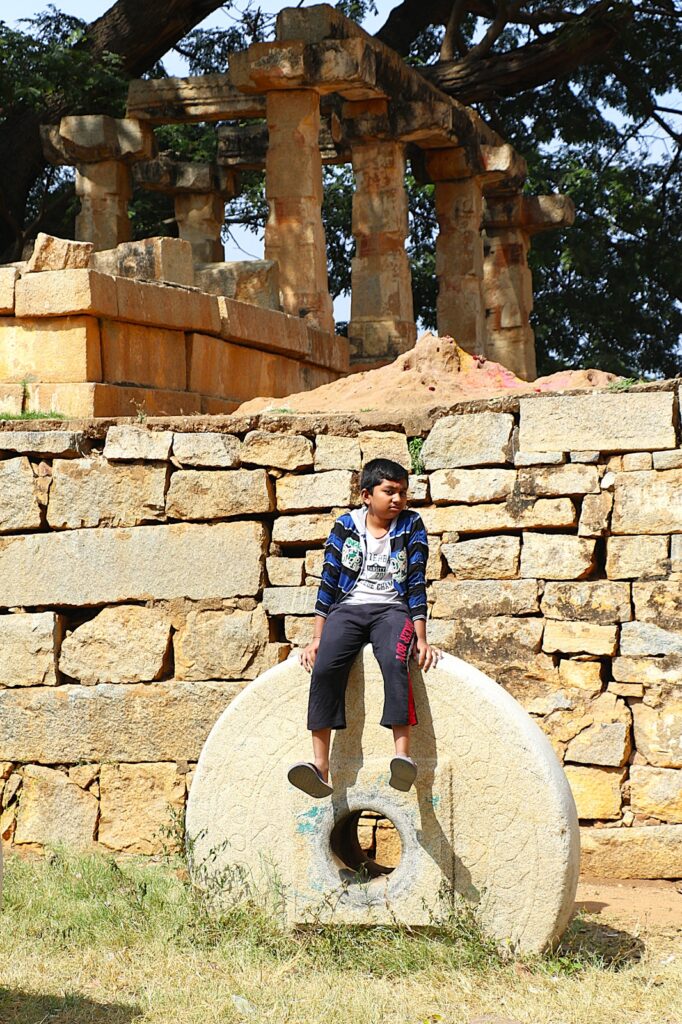
Pack smart, travel light to Bhoganandishwara Temple
Planning Your Visit
Q15. How much time should I allocate for visiting the temple?
Combining with Nandi Hills: Temple + Nandi Hills Total Time:
- Minimum: 3 hours (rushed at both)
- Comfortable: 4-5 hours (1.5-2 hr temple, 1.5-2 hr Nandi Hills, 30 min travel between)
- Leisurely: 6 hours (3 hr temple, 2.5 hr Nandi Hills, relaxed pace)
Total outing: 7.5-9.5 hours (full morning, back by afternoon)
My strong recommendation: Allocate 2.5-3 hours — you won’t regret the extra time, but you might regret rushing. The temple rewards patience. The longer you stay, the more details reveal themselves, the better you understand the architecture, and the deeper your connection with the space becomes.
Q16. What is the best season to visit Bhoga Nandeeshwara Temple?
Best Season: October to February (Post-Monsoon and Winter)
Here’s my month-by-month guide based on weather, crowds, and overall experience:
Excellent Months (Best Time):
October-November – Highly Recommended
- Temple Tank: Full from monsoon rains (beautiful reflections)
- Crowds: Moderate (festival season but not overwhelming)
- Festivals: Diwali season (temple lit up, festive atmosphere)
Why I love October: Post-monsoon clarity, comfortable temperature, full temple tank for reflections, green surroundings. My October 2025 visit was perfect — neither too hot nor too cold, temple tank brimming, clear skies, manageable crowds.
December-January Highly Recommended
- Temple Tank: Still relatively full
- Crowds: Low to moderate (good time for peaceful visits)
- Comfort: Best for extended exploration (no heat exhaustion)
February-March
- Crowds: Mahashivaratri festival (huge crowds if you visit during festival date)
- Verdict: Good if visiting early in day (6.30 AM to 10 AM)
My March 2023 visit (late March) was starting to get hot by 10 AM. Glad I arrived at 8 AM.
April-May (Summer)
- Pros: Fewer crowds (most avoid summer heat)
- Cons: Exhausting, harsh light (bad for photography midday)
- Temple Tank: Lower water levels
- Recommendation: Visit early morning or late evening.
June-September (Monsoon)
- Pros: Cool, green landscape, full temple tank, fewer crowds
- Cons: Unpredictable rain, slippery floors, photography challenges
- Special: Shravan month pujas (July-August)
Your Journey to Bhoga Nandeeshwara: Final Thoughts
Why These Questions Matter
Over the course of my visits spanning nearly two years, I’ve learned that the difference between a mediocre temple visit and a transformative one often comes down to preparation and expectations.
The questions in this FAQ aren’t just logistical — they’re about helping you experience Bhoganandishwara the way it deserves to be experienced: with awareness, respect, and enough time to truly see.
Beyond the Logistics: What This Temple Offers
Yes, this FAQ answers practical questions about timing, transport, facilities, and etiquette. But the real question isn’t “How do I visit Bhoganandishwara?” — it’s “Why should I?”
Because this temple offers something increasingly rare:
Authenticity Without Commercialization: No ticket booths, no camera fees, no aggressive vendors, no plastic souvenir shops. Just an ancient sacred space functioning as it has for a millennium, asking nothing more than your respect.
Beauty Without Crowds: While thousands rush to Instagram-famous locations, Bhoganandishwara remains relatively undiscovered. You can sit by the temple tank in complete peace, spend 20 minutes studying a single carved pillar without anyone rushing you, experience architecture without battling crowds for photo angles.
History You Can Touch: This isn’t roped-off ruins behind glass. You walk the same stone floors ancient devotees walked, touch (gently) the same pillars master sculptors carved, sit on the same temple tank steps where pilgrims rested centuries ago. History here is tangible, immediate, alive.
Architecture That Teaches: The jali screens demonstrating passive cooling, the mandapa halls designed for perfect acoustics, the single-stone umbrella defying structural logic — every element offers lessons in how human ingenuity solved complex problems without modern technology. Engineers, architects, and designers can learn more here than from most textbooks.
Sacred Space That Welcomes: Whether you’re religious, spiritual, agnostic, or simply culturally curious, this temple embraces you. The priests are friendly, local devotees welcoming, the atmosphere inclusive. You’re invited to observe, participate as you wish, or simply absorb the atmosphere without judgment.
Continuity Across Centuries: Standing in the Kalyana Mantapa while a modern family conducts a homam, hearing Sanskrit chants echo exactly as they did 800 years ago, watching rituals unfold in spaces designed precisely for these ceremonies — you experience not a preserved past but a living tradition. The temple hasn’t stopped being what it was built to be.
The Invitation
Bhoga Nandeeshwara Temple isn’t competing to be on your “Top 10 India Bucket List.” It’s not trying to go viral on social media. It simply exists — beautifully, quietly, authentically — waiting for visitors who care enough to seek it out.
This FAQ is your invitation to be one of those visitors.
A Note of Gratitude
These questions and answers represent not just my experiences but conversations with:
- Temple priests who patiently explained rituals and symbolism
- Local guides who shared knowledge passed through generations
- Fellow visitors who asked questions I hadn’t considered
To all of them — and to you for reading this far — thank you.
Heritage sites survive not just through official protection but through the care of people who value them. By taking time to understand Bhoganandishwara before visiting, by treating it with respect when there, by sharing your experiences thoughtfully afterward, you become part of that preservation effort.
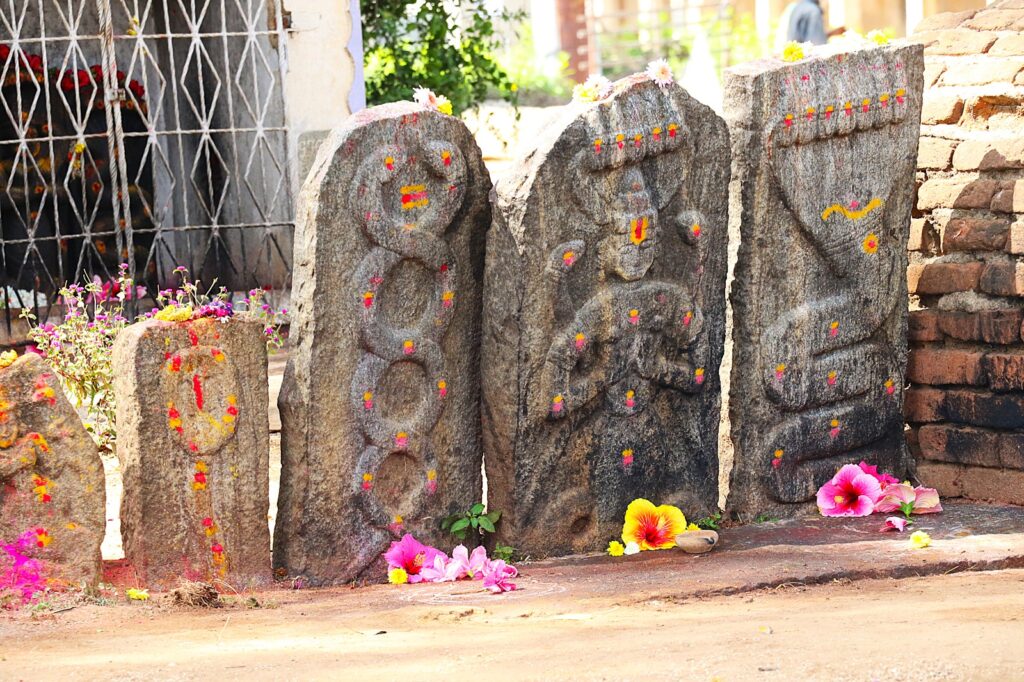
What This Temple Offers
Continue Your Journey
Explore Our Complete Bhoga Nandeeshwara Series:
Part 1: Complete Visitor Guide — Overview, why visit, quick facts, how to reach (Start here if you’re new to the temple)
Part 2: 1,000 Years of Multi-Dynasty History — Nolamba to Vijayanagara: Understanding how five dynasties created this architectural marvel
Part 3: Dravidian Engineering Marvel: Architecture Deep-Dive — Technical analysis of passive cooling, acoustics, Kalyana Mantapa mastery, and structural genius
Part 4: This FAQ — Your complete question-and-answer guide for planning the perfect visit
Together, these four posts form the most comprehensive English-language resource on Bhoganandishwara Temple available online. Whether you’re planning a ‘casual visit’ or conducting serious architectural study, we’ve covered every angle to help you experience this extraordinary site fully.
Your Turn: Share Your Experience
Have you visited Bhoga Nandeeshwara Temple?
I’d love to hear about your experience:
- What surprised you most?
- Did you discover details we didn’t mention?
- What tips would you add for future visitors?
- How did your visit compare to expectations?
- What questions remain unanswered?
Leave a comment below or reach out via social media. Your insights help future visitors and contribute to the growing documentation of this remarkable temple.
Bhoga Nandeeshwara Temple FAQ
Have questions we didn’t answer? Notice any information that needs updating? Found this guide helpful? Leave a comment below or contact us directly. Your feedback helps keep this resource current and useful for future visitors.
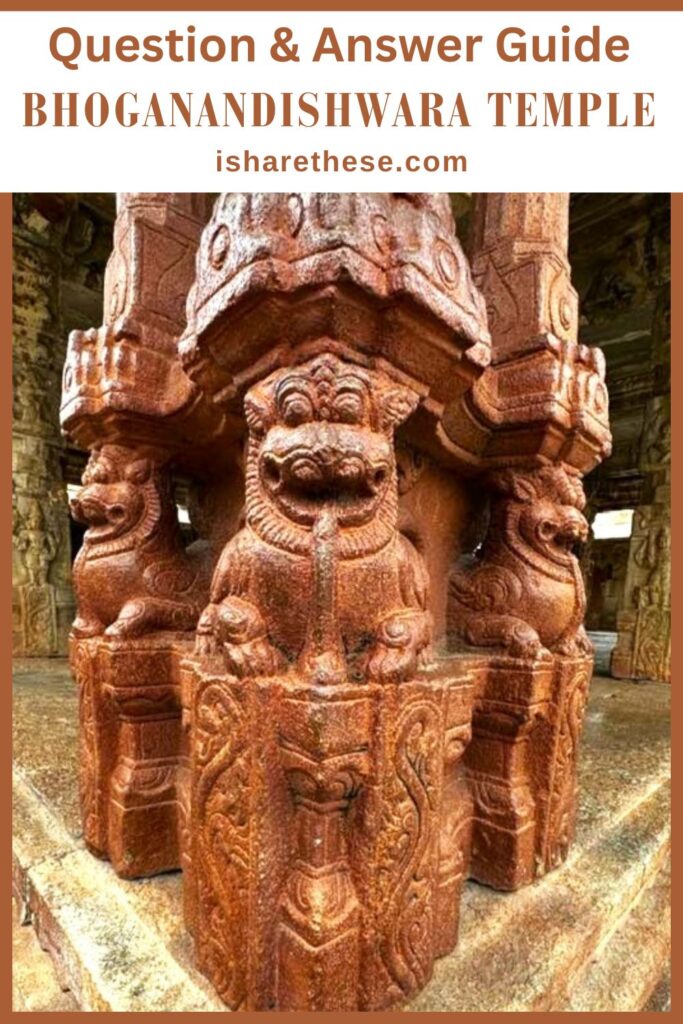
Pin and Save this for Later
About the Author
 Indrani Ghose is a cultural travel writer and heritage documentation specialist with over 15 years of experience exploring and writing about temples across India and Southeast Asia. Having visited over 150 sacred sites, she brings both scholarly depth and personal narrative to heritage travel writing.
Her work has been published in Lonely Planet, The National (UAE), Whetstone Asia, Deccan Herald, and various architecture and heritage journals.
Indrani believes that travel writing serves as a bridge — helping readers experience places more deeply by providing context, answering questions, and sharing both practical logistics and emotional resonance. This FAQ represents that philosophy: every answer aims to not just inform but to enhance your actual experience when you visit.
Connect with Indrani: Follow Indrani on Instagram | Twitter | Facebook for heritage travel insights, photography tips, and offbeat destination discoveries.
Keywords: Bhoganandishwara Temple FAQ, Nandi temple visitor guide, how to visit Bhoga Nandeeshwara Temple, Bangalore to Nandi Hills temple, Karnataka temple travel tips, Dravidian temple etiquette, temple photography guidelines, best time visit Bhoganandishwara, Nandi village temple guide, Karnataka heritage tourism
All information verified through multiple site visits and consultation with temple authorities. Timings, facilities, and conditions subject to change — verify locally when possible.







DSLR cameras are allowed for personal use? Sorry if the question is repetitive as I have seen mixed comments on this
It was allowed till my last visit in 2025. You may have to check if they have changed the rules. Some of the above pics were with DSLR.
DSLR cameras are allowed freely or should wanna take permission from Archeological department
They were allowed freely. Avoid in sanctums though.
Well written and very useful
Thank you for taking time to read it. 🙂