When is Kali Puja 2026? Guide to West Bengal’s Divine Festival
As the evening mist rolls over the Hooghly River and thousands of earthen lamps flicker to life across Kolkata’s bustling streets, the air fills with the rhythmic beats of dhol and the chanting of Sanskrit mantras. This is Kali Puja night in West Bengal – a celebration that transforms the City of Joy into a mystical realm where the divine feminine energy of Goddess Kali reigns supreme.
You’re probably searching for “when is Kali Puja,” and you’ve come to the right place. Kali Puja, also known as Shyama Puja, is one of West Bengal’s most significant Hindu festivals, celebrating the fierce and protective form of Goddess Kali. Coinciding with Diwali celebrations across India, this festival holds special meaning for Bengalis who worship the dark goddess as the destroyer of evil and the protector of her devotees.
Kali Puja 2026 falls on Sunday, November 8th.
Kali Puja 2026 Date and Timings
For those planning to participate in or witness this magnificent celebration, here are the precise details for Kali Puja 2026:
- Kali Puja Date: Sunday, November 08, 2026
- Nishita Kaal (Midnight Puja) Timings: The most auspicious time for Kali Puja worship occurs during the midnight hours, typically between 11.39 PM to 12.28 AM, Nov 08-09, 2026.
- Amavasya Tithi Begins: 11.27 AM on Nov 08, 2026
- Amavasya Tithi Ends: 12.31 PM on Nov 09, 2026
The festival is celebrated on the new moon day (Amavasya) of the Bengali month of Kartik, which usually falls in October or November according to the Gregorian calendar. The timing is calculated based on lunar positions, making it essential to follow the Bengali panchang for accurate worship timings.
Shyama Kali
More Than Just a Date: The Significance of Shyama Pujo
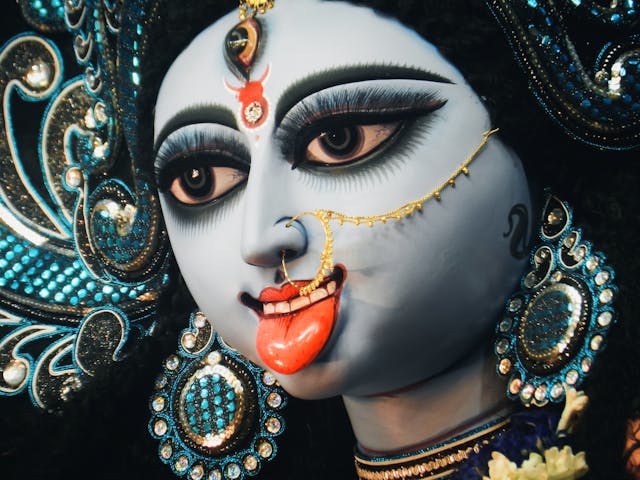
Goddess Kali represents time, change, and the fierce maternal power that protects her children from harm. Unlike the gentle and nurturing forms of the Divine Mother, Kali appears in her most formidable avatar – with dark complexion, flowing hair, and a garland of heads symbolizing the destruction of ego and ignorance.
Why is she worshipped with such devotion in Bengal? Kali embodies the belief that sometimes, divine intervention requires fierce action to restore balance and justice. Bengali devotees believe that Goddess Kali protects her worshippers from suffering, removes obstacles, and grants them the strength to overcome life’s challenges. Her worship during the darkest night of the month symbolizes the victory of light over darkness, knowledge over ignorance.
The spiritual significance extends beyond personal protection. Kali Puja represents the celebration of Shakti – the divine feminine power that creates, preserves, and destroys the universe in endless cycles. For Bengali culture, she is not just a deity but the embodiment of the strong, independent, and protective mother figure that resonates deeply with the region’s matriarchal traditions.

Shyama Pujo Bangalore
Legend of Goddess Kali
There is a story behind this form of Goddess Kali:
Goddess Kali is believed to be born from the brow of Goddess Durga during one of her battles with the evil forces. In the battle, Kali was so much involved in the killing people that she began destroying everything in sight.
To stop her, other Gods requested her husband Lord Shiva to save them from her wrath. Lord Shiva threw himself under her feet. Shocked at this turn of events, Kali stuck out her tongue in astonishment and embarrassment. This put an end to her wild acts.
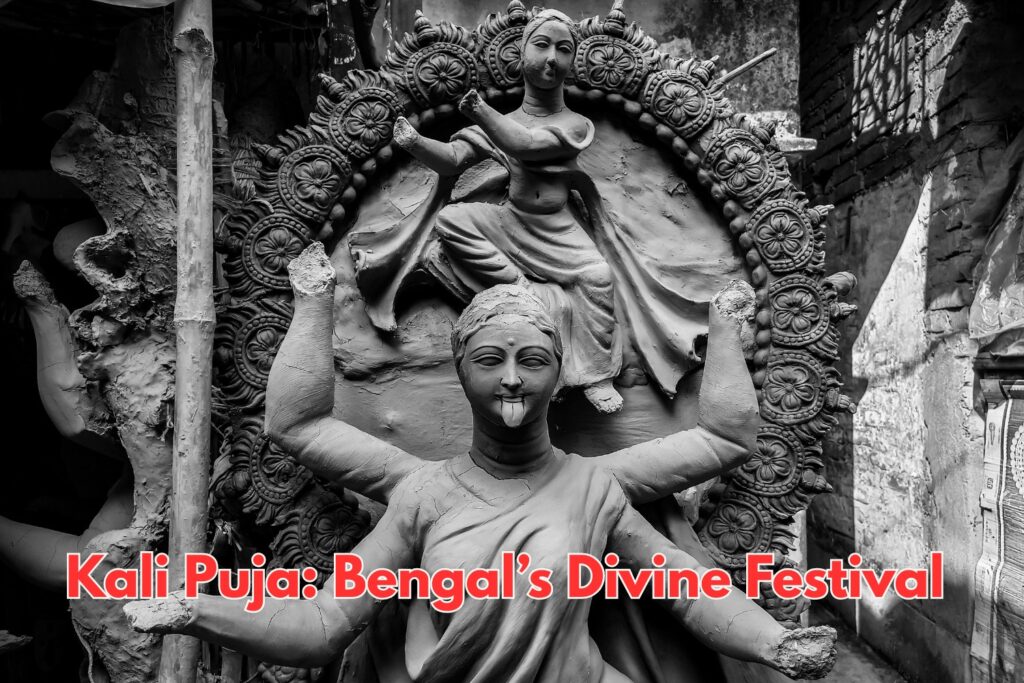
It is this form of Kali that is worshiped in midnight. The idol depicts her in her mêlée mood, standing with one foot on Shiva’s chest, with her enormous tongue stuck out. Kali Pujo is done to diminish the ego and all negative tendencies that hinder spiritual progress and material prosperity.

Painting of Goddess Kali
Kali Pujo Idol Making in Bangalore
Just like clay idols are made for Durga Puja, clay idols are made for Kali Pujo too. Usually the idol makers who come to Bangalore for making the idols of Goddess Durga make idols of Goddess Kali at the same time.
Idols of Goddess Kali are made in much smaller shapes and are usually given a deep blue color, though some idols are given a complete black color. I watched the artisans paint the idols and it was a beautiful and calming experience.

Idols for Kali Pujo Festival
How West Bengal Celebrates Kali Puja
West Bengal’s approach to Kali Puja is distinctly different from Diwali celebrations elsewhere in India. While other states light diyas and burst firecrackers for Diwali, Bengal transforms into a canvas of artistic devotion and midnight mysticism.
Elaborate Pandals
Following the tradition established during Durga Puja, Bengali communities construct stunning pandals (temporary structures) housing beautifully crafted clay idols of Goddess Kali. These artistic creations often feature innovative themes, from traditional depictions to contemporary social messages. Skilled artisans from Kumartuli, Kolkata’s traditional pottery quarter, spend months crafting these magnificent idols.
In Bangalore Kali Pujo Pandals are often the venue is the same pandal where Durga Puja was celebrated.
Midnight Rituals
The celebration is just for one day, rather one night. People visit the pandals throughout the night in their best attires. Another opportunity for women to make purchases! This is the most distinctive aspect of Bengali Kali Puja. It is a midnight worship ceremony. Unlike typical Hindu festivals celebrated during daylight hours, Kali Puja reaches its crescendo during Nishita Kaal (midnight).
Women fast throughout the day and break their fast after the puja process is complete. Devotees gather in large numbers as priests perform Tantric rites, offering flowers, sweets, and sometimes symbolic offerings to appease the fierce goddess.
Bursting crackers too has become a part of this pujo, mostly done by youngsters to keep pace with others celebrating Diwali.
Bhoot Chaturdashi
The day before Kali Puja, Bengalis observe Bhoot Chaturdashi, a unique tradition where families light fourteen earthen lamps (fourteen diyas) to honor their ancestors and ward off evil spirits. This custom, rarely found elsewhere in India, adds another layer of mysticism to the Bengali celebration.
Kali Pujor Bhog/Prasad
Traditional Bengali cuisine plays a central role in the celebrations. The bhog on Kali Puja is very different from the bhog we get on Durga Puja which is strictly vegetarian. On Kali Pujo devotees prepare and offer khichuri (rice and lentil porridge), labra (mixed vegetable curry). There is an added item, the Niramish Mangsho. It is the famous vegetarian mangsho (mutton) of Bengalis prepared without using onion and garlic.
The communal sharing of this blessed food strengthens community bonds and ensures that no one goes hungry during the festival.

Bhog on Kali Pujo – niramish mangsho, peas pulao, vegetable chop, phool kopir torkari, tomato chutney.
Cultural Programs
Many pandals organize cultural programs featuring traditional Bengali music, dance performances, and theatrical presentations that often depict stories from Hindu mythology or address contemporary social issues.
Must-Visit Kali Puja Pandals and Temples in Kolkata
For visitors and locals seeking the most authentic Kali Puja experience in West Bengal, these locations offer unforgettable spiritual and cultural encounters:
Kalighat Temple: The most famous Kali temple in Kolkata, Kalighat is considered one of the 51 Shakti Peethas (sacred shrines of the Divine Mother). During Kali Puja, thousands of devotees throng this ancient temple, where the goddess is worshipped in her Dakshina Kali form. The temple’s proximity to the Hooghly River adds to its spiritual significance.
Dakshineswar Kali Temple: Built by Rani Rashmoni in 1855, this temple gained fame through Sri Ramakrishna Paramhansa’s spiritual practices. The temple complex, with its nine spires and beautiful architecture, becomes a pilgrimage destination during Kali Puja. The serene atmosphere along the Ganges provides a perfect setting for meditation and prayer.
Community Pandals: Some of the most spectacular Kali Puja celebrations happen in community pandals across Kolkata and its suburbs:
- Barasat Kali Puja: Known for its grand scale and innovative themes, this North 24 Parganas celebration attracts visitors from across the state.
- Naihati Kali Puja: Famous for its traditional approach and authentic rituals, maintaining the classical Bengali style of worship.
- Lake Town Kali Puja: Renowned for its artistic pandals and cultural programs that blend tradition with contemporary relevance.
- Behala Kali Puja: Celebrated for its community participation and elaborate feasts that exemplify Bengali hospitality.
Adyapith Temple: Located in Ichhapur, this temple is dedicated to Ma Adyashakti and becomes a significant pilgrimage site during Kali Puja, offering a more peaceful alternative to the crowded city temples.

Goddess Kali Painting
Kali Puja vs Diwali: Understanding the Regional Difference
While most of India celebrates Diwali as the festival of lights, West Bengal’s focus on Kali Puja creates a unique cultural landscape. This regional variation reflects Bengal’s distinct religious and cultural identity, where the worship of Shakti (divine feminine power) takes precedence over the Ram-centric Diwali narrative popular in North India.
Both festivals fall on the same Amavasya (new moon) day, but their expressions differ significantly. Diwali emphasizes the return of Lord Rama to Ayodhya and the triumph of good over evil through light and prosperity. Kali Puja, conversely, celebrates the fierce protective aspect of the Divine Mother who destroys evil through her awesome power.
Planning Your Kali Puja 2026 Experience
For those planning to experience Kali Puja in West Bengal for the first time, here are essential tips:
Transportation: Kolkata’s public transportation runs special services during Kali Puja. Metro services extend their hours, and buses operate on modified schedules to accommodate the midnight celebrations.
Accommodation: Book hotels or guesthouses well in advance, as the festival attracts thousands of visitors to Kolkata. Areas near major temples and pandals tend to fill up quickly.
Safety: While the celebrations are generally peaceful, the large crowds require basic safety precautions. Stay with groups when visiting pandals late at night and keep emergency contacts handy.
Photography: Many pandals welcome photography, but always ask permission before taking pictures of rituals or people. The artistic pandals provide excellent opportunities for cultural photography.
Frequently Asked Questions (FAQ) About Kali Puja
Q1: When is Kali Puja celebrated in 2026?
A: Kali Puja 2026 will be celebrated on Sunday, November 08, 2026. The festival falls on the Amavasya (new moon day) of the Bengali month of Kartik.
Q2: What time should I visit temples for Kali Puja?
A: The most auspicious time for Kali Puja worship is during Nishita Kaal (midnight), typically between 11.39 PM and 12.28 AM. However, temples and pandals remain active throughout the day and night, so you can visit anytime from early evening onwards.
Q3: Is Kali Puja the same as Diwali?
A: While both festivals fall on the same Amavasya day, they are different celebrations. Diwali celebrates Lord Rama’s return to Ayodhya and focuses on lights and prosperity, while Kali Puja specifically honors Goddess Kali and her fierce protective power. West Bengal primarily celebrates Kali Puja instead of traditional Diwali.
Q4: What should I wear when visiting Kali Puja pandals or temples?
A: Dress modestly and comfortably. Traditional Indian attire like sarees, salwar kameez, or kurta-pajama is preferred, but not mandatory. Avoid wearing leather items in temples, and choose comfortable footwear as you may need to walk long distances and stand for extended periods.
Q5: Can non-Hindus participate in Kali Puja celebrations?
A: Absolutely! Kali Puja celebrations are inclusive and welcome people of all backgrounds. Many pandals organize cultural programs open to everyone. However, be respectful during religious ceremonies and follow local customs when visiting temples.
Q6: Are Kali Puja pandals open throughout the night?
A: Yes, most community pandals remain open throughout the night of Kali Puja, with the main worship ceremony occurring during midnight. This is unlike most Hindu festivals that are celebrated during daylight hours.
Q7: What’s the significance of worshipping Kali at midnight?
A: Midnight worship (Nishita Kaal) is considered the most powerful time to connect with Goddess Kali’s energy. The darkness of Amavasya night symbolizes the unknown and mysterious aspects of existence, while Kali’s worship represents the light of knowledge piercing through ignorance.
Q8: What’s the difference between Dakshina Kali and other forms of Kali?
A: Dakshina Kali is the most commonly worshipped form in Bengal, where the goddess is depicted with her right foot on Lord Shiva’s chest (instead of left). This form represents her as the benevolent mother who destroys evil to protect her children.
Q9: Is it safe to visit Kali Puja celebrations late at night?
A: Generally, yes. Kali Puja celebrations are community events with good crowd management and police presence. However, stay with groups when visiting pandals late at night, keep emergency contacts handy, and remain aware of your surroundings due to large crowds.
Q10: How long do Kali Puja celebrations last?
A: The main celebration is on November 08, 2026, but festivities often begin with Bhoot Chaturdashi on November 7, 2026, at 10.21 AM and may extend through the next day. Pandals typically remain active for two to three days, while temple celebrations focus primarily on the main Amavasya night.
The Fierce Light of Bengal
Kali Puja is magnificent celebration of Bengal’s unique spiritual heritage. This festival represents more than just religious observance – it’s a cultural phenomenon that showcases Bengali artistry, community spirit, and deep-rooted devotion to the Divine Mother.
Whether you’re a spiritual seeker, cultural enthusiast, or curious traveler, this festival offers an unforgettable glimpse into West Bengal’s soul. The festival’s midnight mysticism, artistic grandeur, and communal warmth create an experience that stays with visitors long after the celebrations end.
Have you experienced Kali Puja in West Bengal? Share your memories and experiences in the comments below, or let us know if you have any questions about planning your visit for Kali Puja 2026. The divine mother welcomes all her children with open arms and fierce protection.
Pin this for later

 Indrani Ghose is an Indian travel writer and cultural storyteller based in Bangalore, India, with deep roots in exploring and documenting India’s rich heritage, festivals, and traditions. With extensive experience covering Indian destinations and cultural celebrations, she has contributed to prestigious publications including Lonely Planet, The National UAE, Whetstone Asia, and Deccan Herald.
Indrani’s cultural insights and travel expertise help readers discover both iconic landmarks and hidden gems throughout India. Follow her adventures and cultural discoveries on Instagram, Twitter, Pinterest and Facebook for inspiring destinations, offbeat Indian experiences, and real-time updates from her travels across the country.