November Festivals in India 2026: Guide to Dates, Places, and Celebrations
November in India isn’t just a month; it’s an experience. The monsoon has vanished, the air is crisp, and the entire country is buzzing with the energy of a festival season finale.
Why November is My Favorite Time in India
Trust me, I’ve seen it firsthand: there’s simply no better time to truly discover the soul of this incredible nation. This is when the lingering glow of Diwali lamps meets the rhythmic chants of sun worshippers, when camel caravans arrive in the desert, and when millions of diyas illuminate the Ganges.
From the majestic Pushkar Fair to the soulful Gurpurab, November offers an unparalleled window into India’s diverse heart. Here is your essential guide to the dates, places, and practical tips you need to jump into the magic.
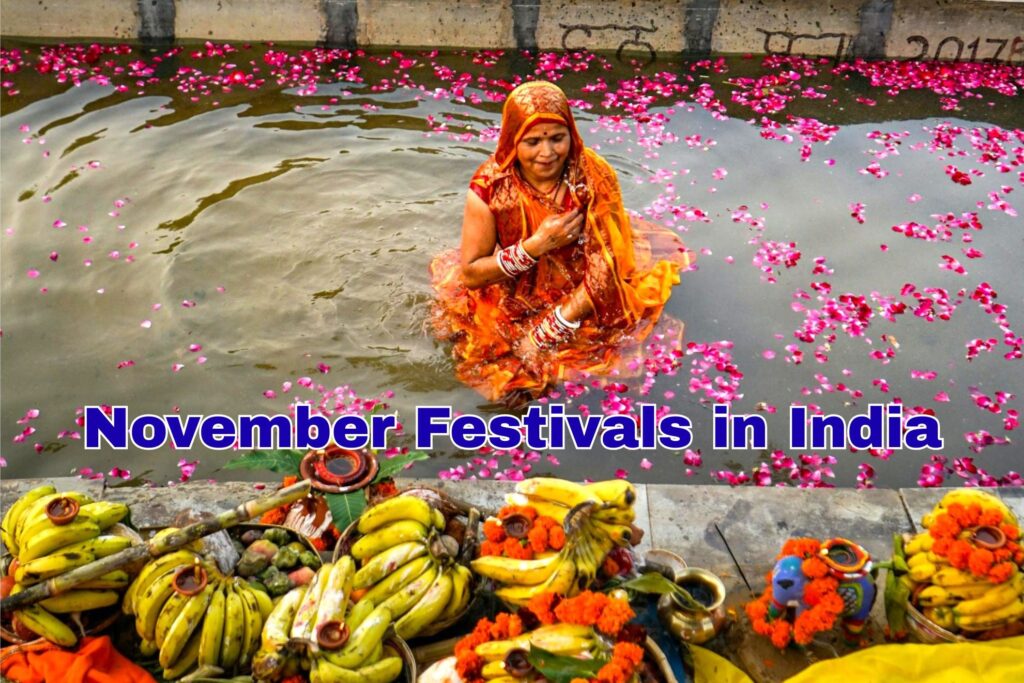
November Festivals India 2026, a Guide
The Grand Finale of the Festive Calendar: Major November Celebrations 2026
Diwali 2026: Illuminating India with Joy and Light
- Date: November 08, 2026 (Lakshmi Puja)
- Significance: Celebrates Lord Rama’s return to Ayodhya and honors Goddess Lakshmi
The Five Days of Diwali
- Dhanteras (November 6, 2026): The festival begins with the worship of wealth and prosperity. Families traditionally purchase new utensils, jewelry, or precious metals, believing that new acquisitions on this day bring good fortune. Homes are cleaned and decorated with rangoli patterns to welcome Goddess Lakshmi.
- Naraka Chaturdashi/ Choti Diwali (November 7, 2026): This day commemorates Lord Krishna’s victory over the demon Narakasura. Traditional oil baths taken before sunrise are believed to purify the soul, followed by elaborate preparations for the main Diwali celebration.
- Lakshmi Puja/Main Diwali/Kali Puja (November 8, 2026): The heart of the festival, when homes are illuminated with diyas (earthen lamps) and electric lights to guide Goddess Lakshmi into homes. It is Kali Puja in West Bengal, Odisha and Assam.
- Govardhan Puja (November 9, 2026): Particularly significant in North India, this day honors Lord Krishna’s protection of the people of Vrindavan. Devotees create small hills of food representing Mount Govardhan and offer prayers for protection and abundance.
- Bhai Dooj (November 10, 2026): The festival concludes with celebrating the sacred bond between brothers and sisters. Sisters pray for their brothers’ well-being while brothers pledge to protect their sisters, strengthening family bonds that form the foundation of Indian society.
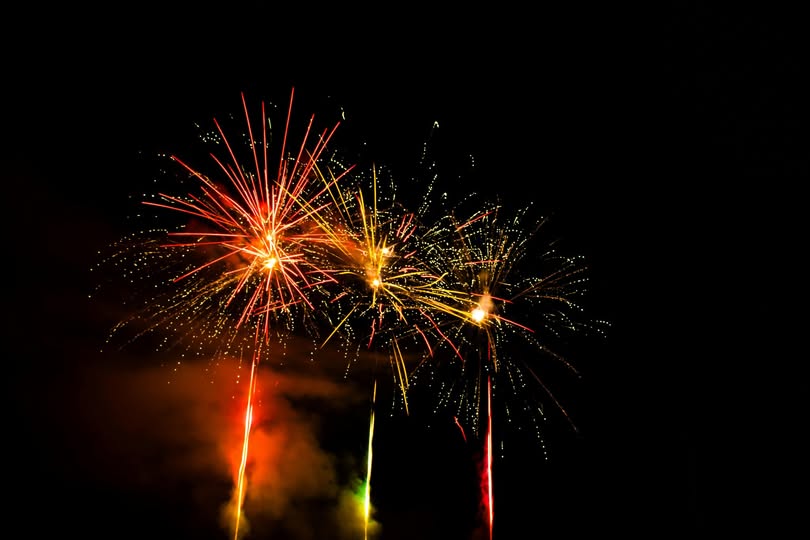
Vibrant Fireworks Diwali Festival
How India Celebrates: A Sensory Experience
Diwali 2026 will transform India into a wonderland of lights, colors, and sounds that engage all the senses. The visual spectacle begins weeks before the festival as markets overflow with decorative items – from intricately designed diyas and colorful rangoli powders to elaborate LED light displays that adorn homes and commercial buildings.
The aromatic journey includes the sweet fragrance of jasmine and marigold flowers used in decorations, the rich smell of ghee and cardamom from kitchens preparing traditional sweets, and the distinctive scent of incense filling homes during evening prayers.
The soundscape combines the gentle crackle of burning diyas, the melodious chants of prayer, traditional music, and the spectacular bursts of fireworks that light up the night sky.
Street vendors fill neighborhoods with calls advertising fresh mithai (sweets), while homes buzz with families preparing for Lakshmi Puja. The tactile experience includes the smooth texture of rangoli powder as intricate patterns are created at doorsteps and the warmth of diyas held during prayers.
Must-Try Diwali Delicacies
Diwali’s culinary tradition represents centuries of refined Indian confectionery art. Kaju Katli, the diamond-shaped cashew fudge, remains the festival’s most popular sweet, its silver leaf coating symbolizing prosperity. Jalebis, those spiral-shaped treats soaked in sugar syrup, offer a perfect combination of crispy texture and sweet flavor that has made them festival favorites for generations.
Laddoos come in numerous regional varieties – from the rich Besan Laddoos of North India to the coconut-based Nariyal Laddus of the South. Gulab Jamuns, soft milk dumplings in cardamom-scented syrup, represent the perfect ending to festive meals. Regional specialties like Mysore Pak from Karnataka, Rasgulla from Bengal, and Modak from Maharashtra add diverse flavors to Diwali celebrations across India.
Pushkar Camel Fair: Where Desert Culture Comes Alive
Why I Love It: This isn’t just a camel market—it’s a massive cultural carnival! Imagine 50,000 camels, cows, and horses adorned in bright gear, set against the backdrop of Rajasthan’s sand dunes. It’s truly a photographer’s dream and a chaotic, beautiful spectacle I recommend to everyone.
- Significance: Started as a livestock trading hub, it has evolved into a global tourism event. It also coincides with the holy Kartik Purnima when pilgrims take a sacred dip in Pushkar Lake.
- Key Dates (2026): November 17 – 24. (The main trading happens early, but the cultural events run throughout.)
- Must-See Spectacles:
- The Mela Ground: Go early for the camel races and the hilarious “longest mustache” competition.
- The Ghats: Witness thousands of pilgrims bathing in the lake, especially on the final Purnima night.
- Where to Go: Pushkar, Rajasthan. Pro Tip: Book a stay in one of the luxury desert camps surrounding the fairground for the full, authentic desert experience.
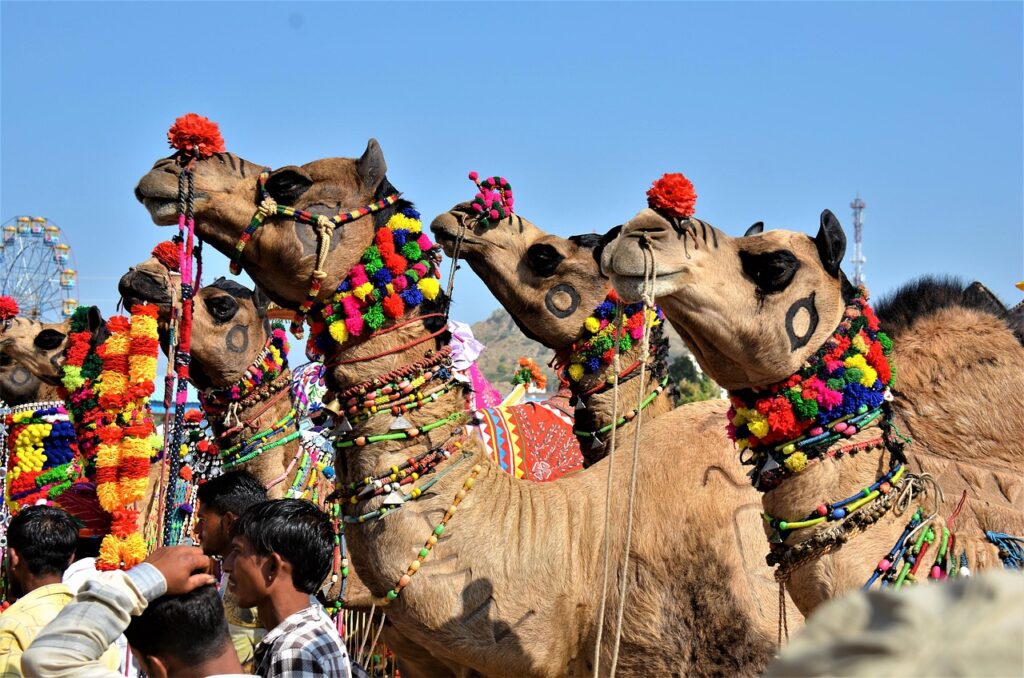
Camel fair in Pushkar
Chhath Puja: Ancient Sun Worship on the Riverbanks
Experience: The sight of this festival is profoundly moving. Watching hundreds of women stand in the river at sunrise and sunset, completely immersed in prayer, is a powerful moment of devotion and natural worship.
- Significance: An ancient, four-day Vedic festival dedicated to Surya Devta (the Sun God) and Chhathi Maiya for the prosperity and well-being of the family. It’s primarily observed by women and is characterized by strict fasting.
- Key Dates (2026): November 15. (Begins 6 days after Diwali.)
- Must-See Rituals: Sandhya Arghya (offering to the setting sun) and Usha Arghya (offering to the rising sun), performed while standing in a water body. The devotional offerings in bamboo baskets are incredibly unique.
- Where to Go: Bihar, Jharkhand, and Eastern UP. The riverbanks of Patna and the ghats of Varanasi become the epicenters of this deep spiritual display.
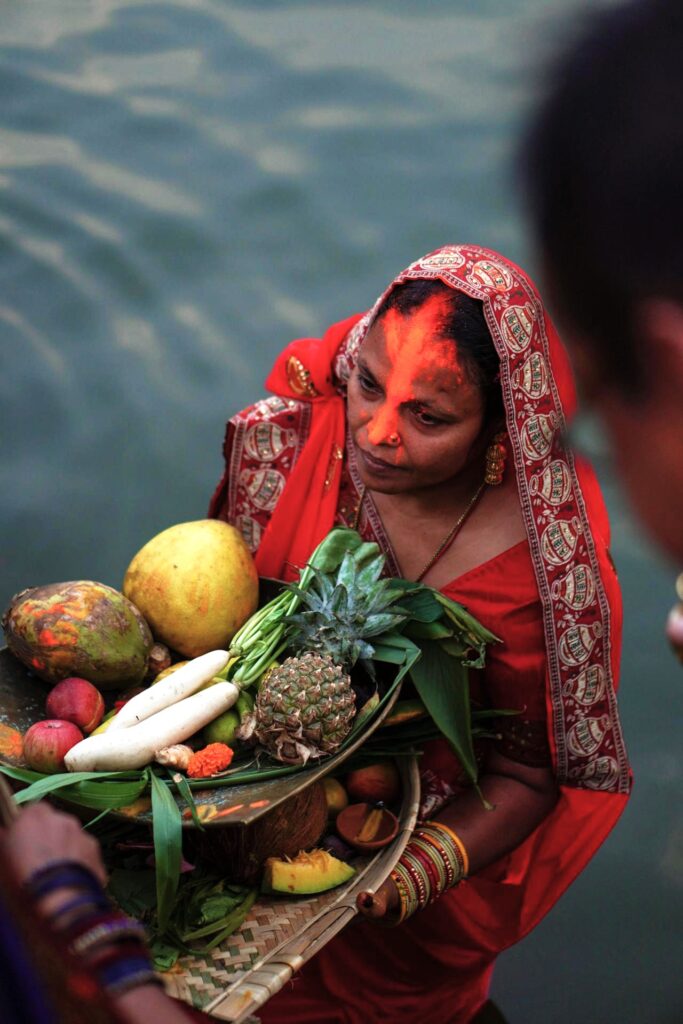
Chhath Puja
Dev Deepawali and Kartik Purnima: When Gods Celebrate Diwali
My Experience: If you miss Diwali, this is the grand second chance! Imagine a million clay lamps lighting up the ancient steps of the Ganga ghats—it’s an ethereal, unforgettable sight. The city feels less like a city and more like a temple made of pure light.
- Significance: Celebrated on Kartik Purnima (Full Moon), it’s believed the gods descend to Earth to bathe in the Ganges. It also marks Lord Shiva’s victory over the demon Tripurasura. For Sikhs, the day holds additional significance as Guru Nanak Jayanti.
- Key Dates (2026): November 24th. (The main celebration is a single, spectacular night.)
- Must-See Spectacles: The Ganga Aarti performed with extra grandeur and the breathtaking illumination of all 80+ ghats with one million diyas.
- Where to Go: Varanasi (Banaras), Uttar Pradesh. Book your accommodation months in advance; this is peak pilgrimage season.
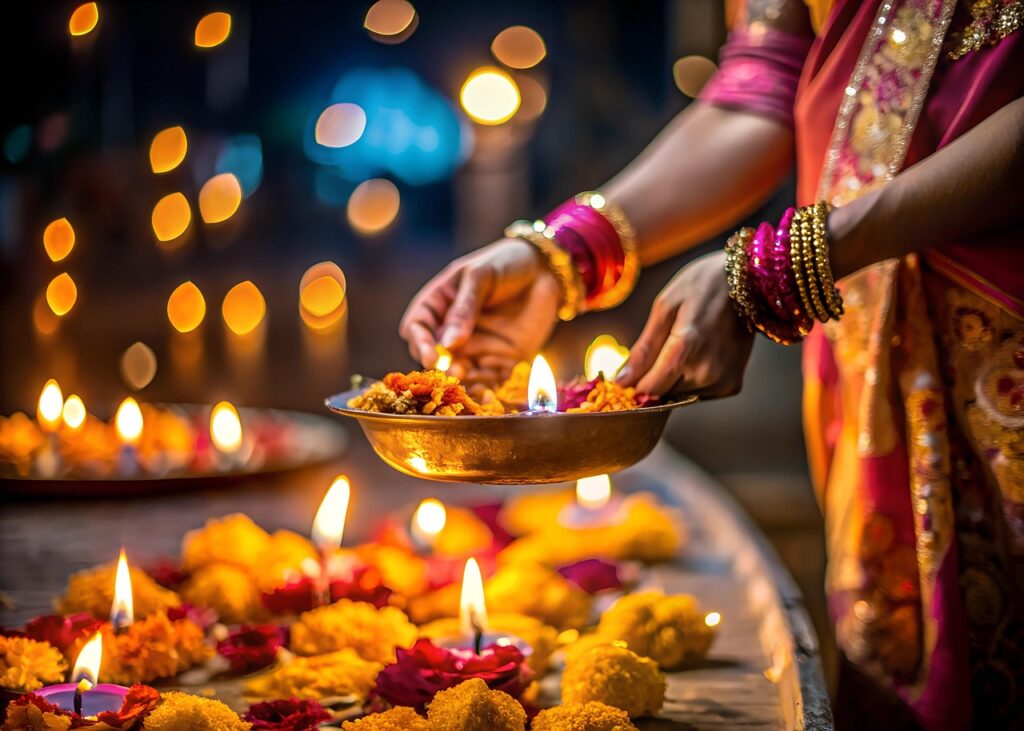
Dev Deepawali
Guru Nanak Jayanti (Gurpurab): Celebrating the Founder of Sikhism
My Experience: This festival is defined by genuine community spirit. You’ll witness incredible dedication during the street processions and feel warmth in the langar (community kitchen), where everyone eats together, regardless of status.
- Significance: Celebrates the birth of Guru Nanak Dev Ji, the founder of Sikhism. His message of equality, compassion, and devotion forms the foundation of the faith.
- Key Dates (2026): November 24th. (Celebrations begin two days prior with continuous reading of the holy scripture.)
- Must-See Rituals: The Nagar Kirtan (grand street procession) and the all-day Langar offering free meals. The Gurdwaras are illuminated beautifully.
- Where to Go: Amritsar, Punjab. The Golden Temple is the ultimate destination—seeing its reflection in the Amrit Sarovar on this night is soul-stirring.
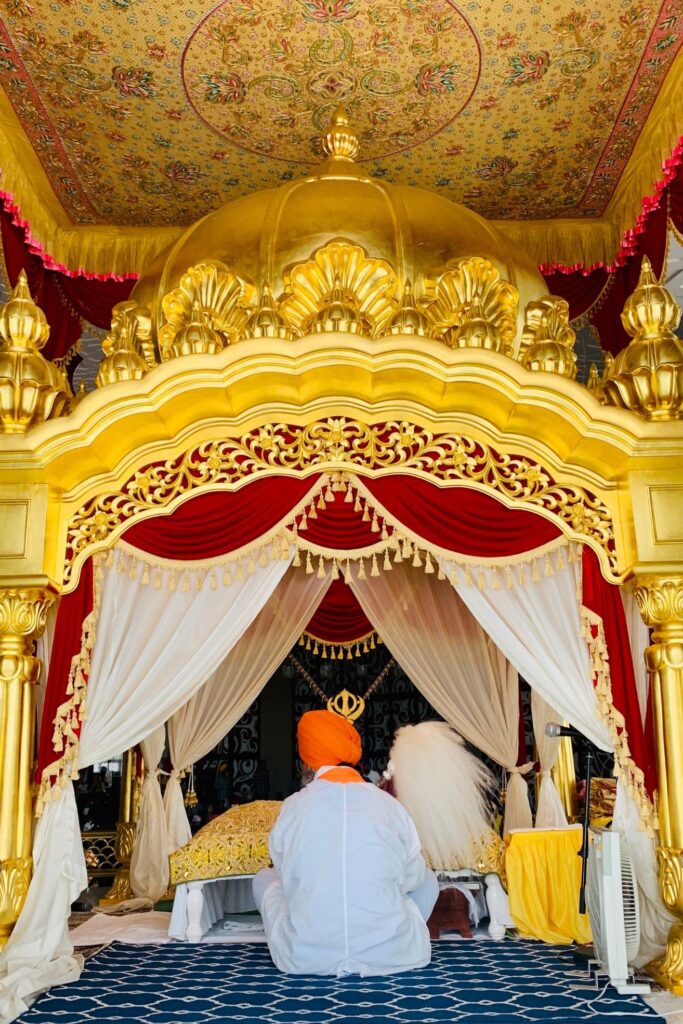
Guru Nanak Jayanti
Beyond the Highlights: Regional and Unique November Festivals
Tulsi Vivah: The Sacred Marriage Ceremony
- Significance: The ceremonial wedding of the sacred Tulsi plant (Holy Basil) to Lord Vishnu (or his form, Shaligram). It marks the end of the monsoon season and the beginning of the Hindu wedding season.
- Key Dates (2026): November 21. (Dates vary slightly by region/calendar.)
- Ritual Focus: The Tulsi plant is dressed as a bride and married to a black stone (Shaligram) as the groom, following all traditional Hindu wedding rituals.
- Where to Go: Primarily a household and temple celebration across Maharashtra, Gujarat, and North India. Temples in Vrindavan (UP) host especially grand celebrations.
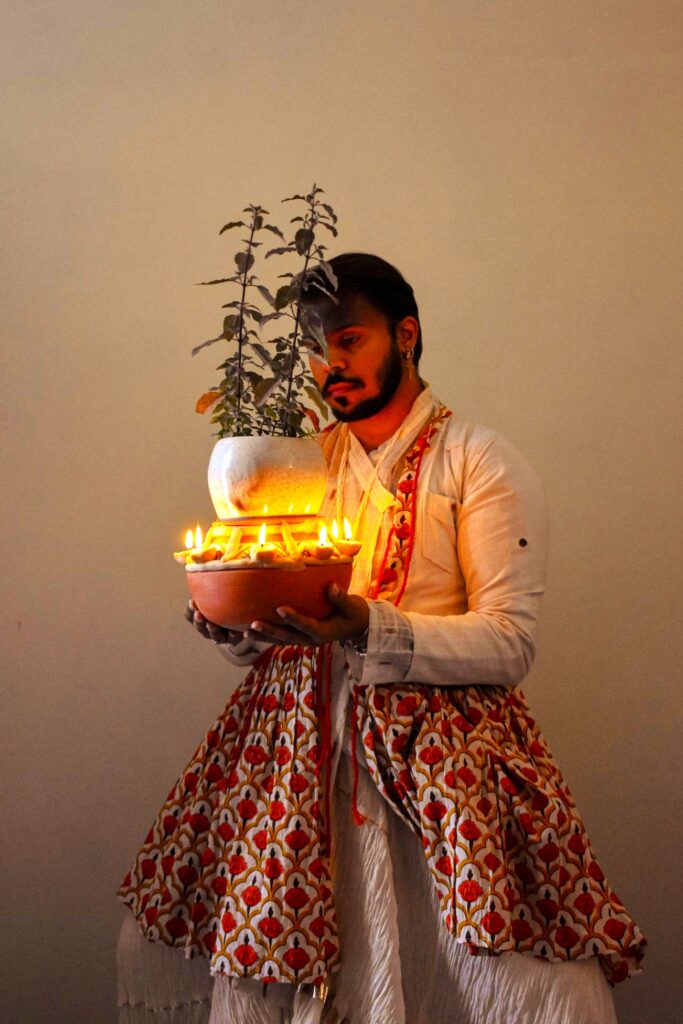
November festivals – Tulsi Vivah
Wangala Festival: The 100 Drums Festival of Meghalaya
Experience: This is an incredible dive into tribal culture. The sight and sound of hundreds of drummers and dancers moving in unison is utterly hypnotic and showcases the vibrant soul of the Garo people.
- Significance: The most important harvest festival of the Garo tribe. It is a thanksgiving ceremony to Saljong, the god of fertility, for the season’s bountiful yield.
- Key Dates (2026): Typically, mid-November (check exact dates).
- Must-See Spectacles: The Wangala Dance featuring men and women in colorful traditional attire and the rhythmic, powerful beat of one hundred drums (dama).
- Where to Go: Garo Hills districts of Meghalaya. The main event is often held near Tura.
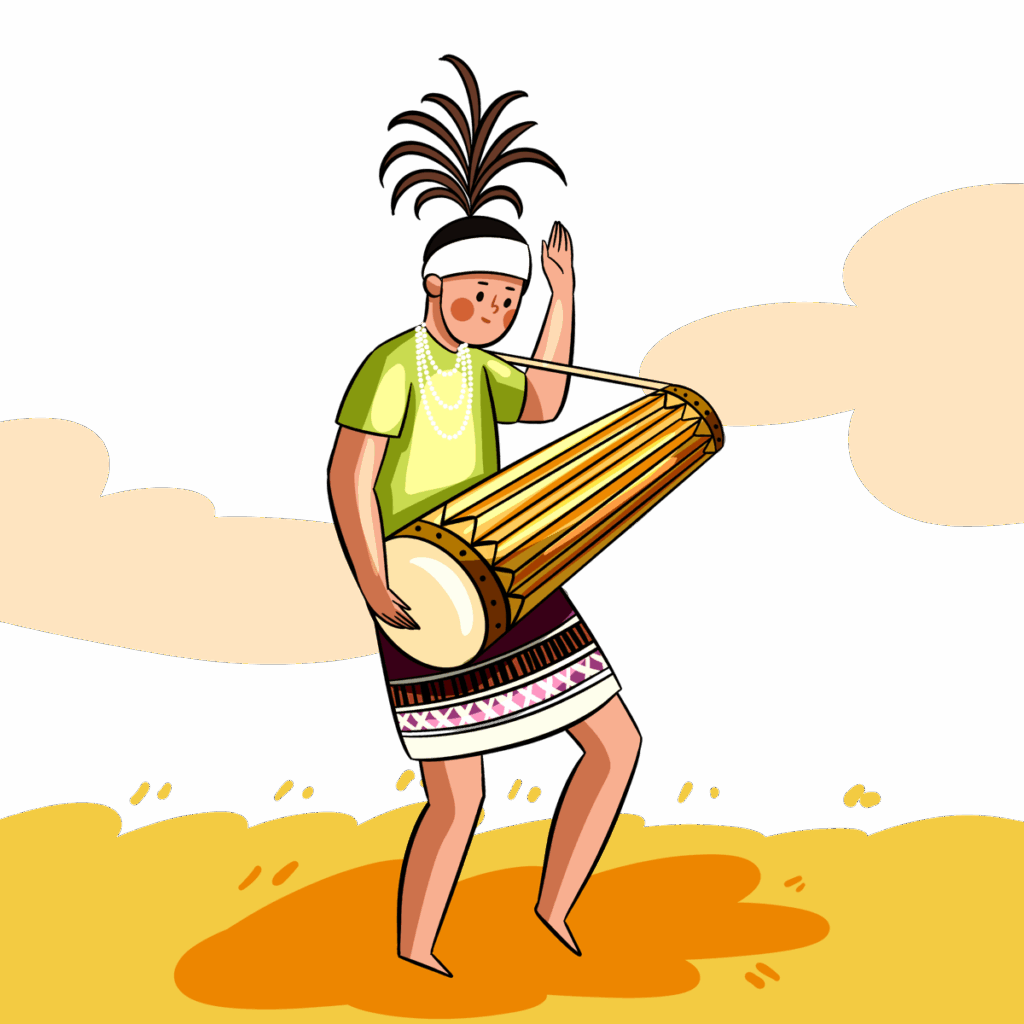
Wangala festival hand drawn character
Rann Utsav: A Cultural Extravaganza Under the White Desert Sky
My Experience: There’s nothing like the White Rann of Kutch under a full moon. It feels like stepping onto another planet. This festival perfectly packages Gujarat’s art, crafts, and culture in a magical desert setting.
- Significance: A long-running cultural festival organized by Gujarat Tourism to showcase the rich art, crafts, music, and textiles of the Kutch region.
- Key Dates (2026-27): Starts early November and runs through February.
- Must-See Spectacles: Walking on the endless white salt marsh on a full moon night, cultural performances like Garba and Dandiya, and shopping for unique Kutchi handicrafts.
- Where to Go: Tent City, Dhordo, Kutch, Gujarat. Bhuj is the nearest major transit hub.
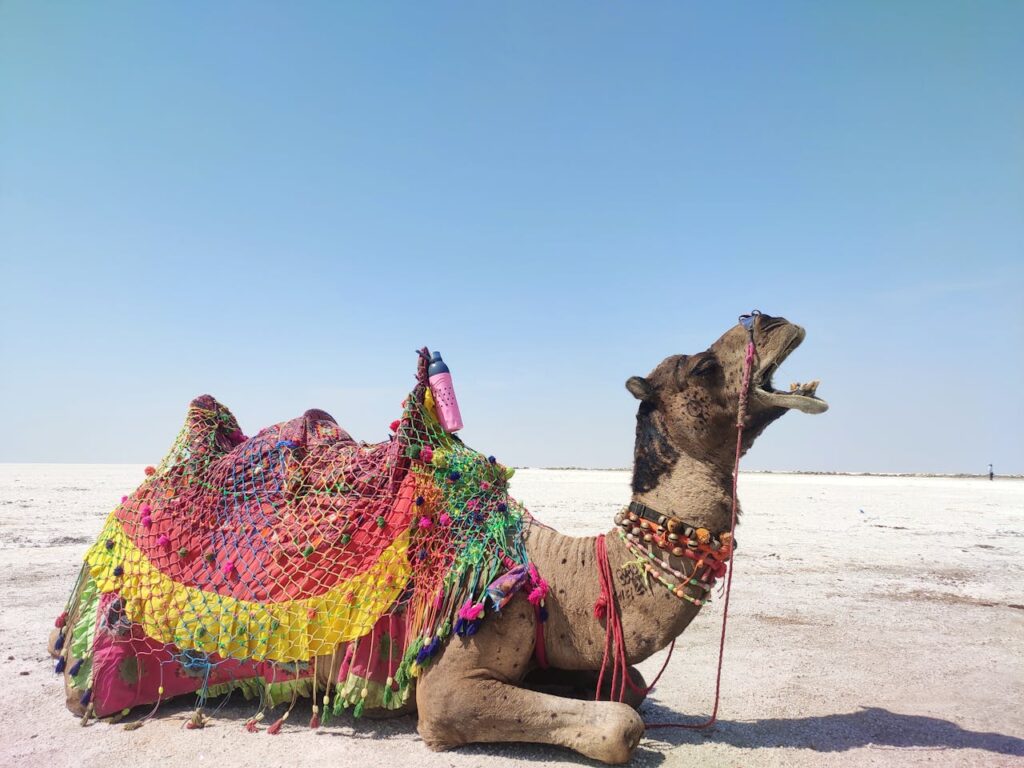
Decorated Camel Resting in Rann of Kutch Desert
Essential Travel Tips for Your November Festival Trip
Booking and Accommodation: Why You Must Book Early (Trust Me!)
Let me share a hard-earned lesson: November is India’s peak season, and festivals make it competitive. Don’t think you can book last-minute! My first Dev Deepawali trip to Varanasi involved paying triple the price for a sub-par room—don’t make that mistake.
| Destination/Festival | When to Book | Pro Tip |
| Varanasi, Amritsar | 2-3 months in advance | Look for homestays in the old city for a location advantage. |
| Pushkar Camel Fair | 3-6 months in advance | The best desert camps near the fairground sell out by August. |
| Kutch (Rann Utsav) | As soon as the dates are announced | Book the Tent City package for a hassle-free experience. |
| Flights/Trains | As soon as possible | Popular routes (e.g., to Bhuj, Amritsar, Jaipur) fill up fast. |
The Bottom Line: Prices can triple during festival days. If you can, arrive a day or two before the main event; prices drop slightly, and the atmosphere still buzzes.
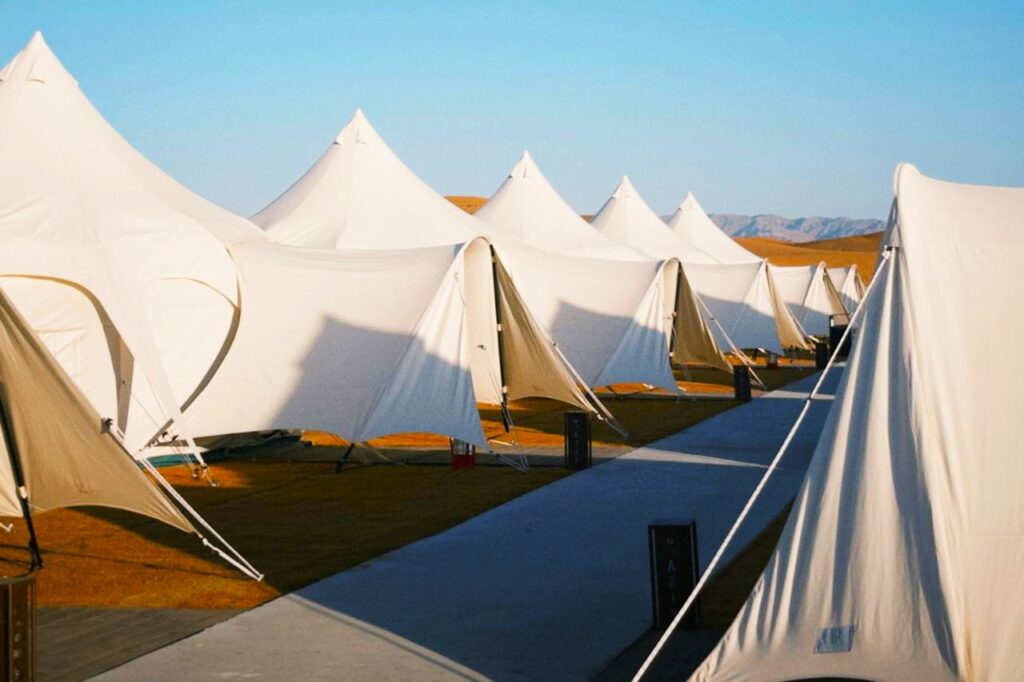
Tents for stay
Weather and Packing: Layers are Your Best Friend
November offers India’s most pleasant weather, but it’s a huge country! Be ready for regional shifts.
| Region | Expected Weather | Essential Packing |
| North India (Varanasi, Delhi, Punjab) | Warm, sunny days (20-28°C); Cool/Cold nights (10-15°C). Misty mornings. | Warm layers! A light jacket/sweater, a warm shawl, and light cotton for the day. Sturdy walking shoes are a must. |
| Rajasthan (Pushkar) and Kutch (Gujarat) | Hot days; Desert nights get surprisingly cold (can drop below 10°C). | Light cotton for the day, a heavy jacket or fleece for night activities and early mornings. |
| South and West Coast | Warm to Hot (25-32°C). Pleasant evenings. | Lightweight, breathable cotton/linen. A light raincoat for the tail end of the monsoon in the South. |
| Northeast (Meghalaya) | Cool and comfortable (15-25°C). Fresh post-monsoon air. | Light woollens, trekking shoes, and a light rain jacket. |
Etiquette Guide: Respectful Participation is Key
Participating in these living traditions is a privilege. Approach every festival with humility and an open heart.
- Dress Code: Modesty is essential at all religious sites (temples, gurdwaras, ghats). Always cover your shoulders and knees. Carry a shawl or scarf to cover your head when required (mandatory at Gurdwaras).
- Footwear: Remove your shoes before entering any religious building or a home. Shoes that slip off easily are practical. (Note: Leather items may be prohibited inside some temples like Pushkar’s Brahma Temple).
- Photography: Always ask permission before taking pictures of people, especially women and during deep personal rituals (like Chhath Puja). Never use flash during prayer. Keep drones grounded—they’re prohibited at most major sites.
- Behavior: Follow the locals’ lead. At community meals (Langar), sit cross-legged and do not waste food. During river rituals, maintain a respectful distance from the water’s edge.
- Expert Advice: Learn a few basic local greetings like Namaste or Sat Sri Akaal (in Punjab). A genuine smile and polite question go a long way when communicating!
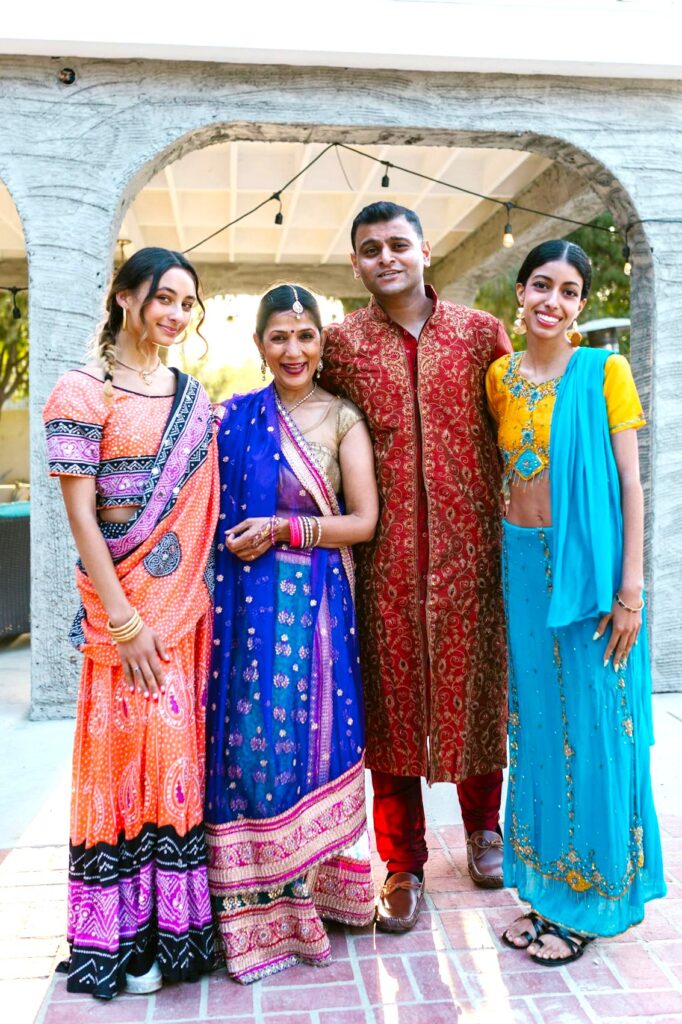
Dress Code for Indian festivals
Frequently Asked Questions About November Festivals in India
Q. What is the most important festival in India in November?
The most important festival in November varies by community. Diwali is the biggest pan-India celebration. However, Chhath Puja is paramount for people from Bihar/Jharkhand, and Guru Nanak Jayanti (Gurpurab) is the holiest for Sikhs. Culturally, the Pushkar Camel Fair is the biggest highlight in Rajasthan.
Q. When is the best time to visit India for festivals in November 2026?
The best time to visit India for festivals in November 2026 is the first two weeks of November. This period is packed with major events like the Pushkar Camel Fair (Nov 17-24), Guru Nanak Jayanti (Nov 24), and Dev Deepawali (Nov 24), offering the maximum festival experience.
Q. How far in advance should I book hotels for November festivals?
You should book hotels for November festivals at least 2-3 months in advance. For high-demand destinations like Varanasi (Dev Deepawali) and Pushkar Camel Fair, book 4-6 months ahead. Last-minute booking will result in paying 2-3 times the normal price.
Q. Is November a good time to visit India weather-wise?
Absolutely, November is the best time to visit India weather-wise. The monsoon has ended, skies are clear, and temperatures are ideal. Expect warm days and cool evenings in North India (20-28°C), perfect for outdoor festival participation.
Q. Can foreigners participate in Indian festivals, or are they just for locals?
Foreigners are warmly welcomed to participate in Indian festivals. The key is respectful engagement. Dress modestly, follow local customs, and always ask permission before photography. At Gurdwaras, everyone is welcome to share the free community meal (langar).
Q. What should I wear when attending November festivals in India?
When attending November festivals in India, always dress modestly—clothing that covers the shoulders and knees is essential for temple and religious visits. Carry a shawl/scarf for head covering (mandatory at Sikh Gurdwaras).
Q. Are November festivals in India safe for solo female travelers?
November festivals in India are generally safe for solo female travelers when standard precautions are taken. Stick to well-lit areas, dress modestly, and keep belongings secure in crowds. Many women find locals helpful and supportive.
Q. How much does it cost to attend festivals like Pushkar Camel Fair or Rann Utsav?
Cost to attend festivals varies. Religious festivals are generally free. The Pushkar Camel Fair and Rann Utsav have variable costs based on accommodation: desert camps/Tent City packages can range from ₹3,000 to ₹20,000+ per night due to premium festival pricing.
Q. What are the best festivals for photography in November?
The best festivals for photography in November are the vibrant Pushkar Camel Fair (camels, turbans, folk culture) and the spectacular Dev Deepawali in Varanasi (millions of lamps reflecting on the Ganga). Chhath Puja offers powerful sunrise/sunset shots.
Q. Can I visit multiple festivals in November, or should I focus on one?
You can visit multiple festivals in November with strategic planning. For example, attend the Pushkar Fair and then travel to Amritsar for Gurpurab. Pre-book all transport and accommodation to manage the tight schedule efficiently.
Q. Are there any food restrictions I should know about during festivals?
Yes, food restrictions during festivals are common. Most festival food is vegetarian. Langar at Gurdwaras is strictly vegetarian, and many Hindus avoid non-vegetarian food around Diwali. Always politely decline rich foods if you have dietary concerns.
Q. How do I respectfully decline if I don’t want to participate in something during a festival?
Respectfully declining participation is simple: use a polite, “Thank you so much, but I prefer to just observe.” Showing genuine appreciation for the offer will ensure your boundaries are respected by your hosts.
Conclusion: Why November is the Best Time to Visit India
November truly is India’s grandest cultural showcase. By visiting during this time, you aren’t just a tourist—you become a participant in living history, from the desert plains of Rajasthan to the holy rivers of the East.
Ready to pack your bags and experience the magic? Which November festival are you adding to your itinerary first?
Related Reads
- Indian Festivals in October
- Damodar Month: Experience at Someshwar Temple in Kolar
- When is Ganesh Chaturthi 2026?
Pin this for later
Did you like this Complete guide to Indian festivals in November 2026? Save and share to plan a trip to India in November to experience mind blowing festive grandeur.

 Indrani Ghose is an Indian Travel Writer and Blogger based in Bangalore, India. She has written for numerous publications across the globe – including Lonely Planet, The National UAE, Whetstone Asia, Deccan Herald. You can follow her on her social media handles Instagram, Twitter, Pinterest and Facebook to see the wonderful destinations, beautiful offbeat places and get instant updates about them.