Kyoto’s Famous Festivals: Ultimate Guide
Kyoto’s Famous Festivals: A Year-Round Journey Through Japan’s Ancient Capital
Experience the soul of traditional Japan through Kyoto’s most spectacular seasonal festivals – from spring’s elegant processions to winter’s mystical ceremonies
Why Kyoto Festivals Are Japan’s Cultural Crown Jewels
Kyoto, the very soul of ancient Japan, is a city where history isn’t just found in museums! It’s a living, breathing part of the streets. For over 1000 years as the nation’s imperial capital, this city has cultivated a profound cultural legacy. The most vibrant expressions of this heritage are the Kyoto famous festivals. Known as matsuri, these celebrations are far more than just colorful parades; they are the city’s spiritual and communal heartbeat, meticulously preserved through generations.
For any traveler seeking an authentic connection with Japanese tradition, timing a visit to coincide with one of these events is essential. Witnessing a Kyoto festival is an unparalleled opportunity to step back in time and experience the deep-rooted customs, seasonal beauty, and powerful community spirit that define this timeless city. This guide will introduce you to the most iconic festivals celebrated in Kyoto, ensuring your visit is not just a trip, but a true cultural immersion.
Kyoto’s Famous Festivals
Quick Guides to Kyoto
Kyoto: Full-Day Best UNESCO and Historical Sites Bus Tour
Kyoto: Daimonji Trail Hiking Tour with Historical Sites
An Overview of Kyoto’s Most Popular Festivals
While Kyoto’s festival calendar is packed with vibrant events year-round, a few monumental celebrations stand out, drawing visitors from across Japan and the world. These events are the pillars of the city’s cultural identity. In this guide, we’ll focus on grandest festivals of every season, each offering a distinct window into the soul of the ancient capital.
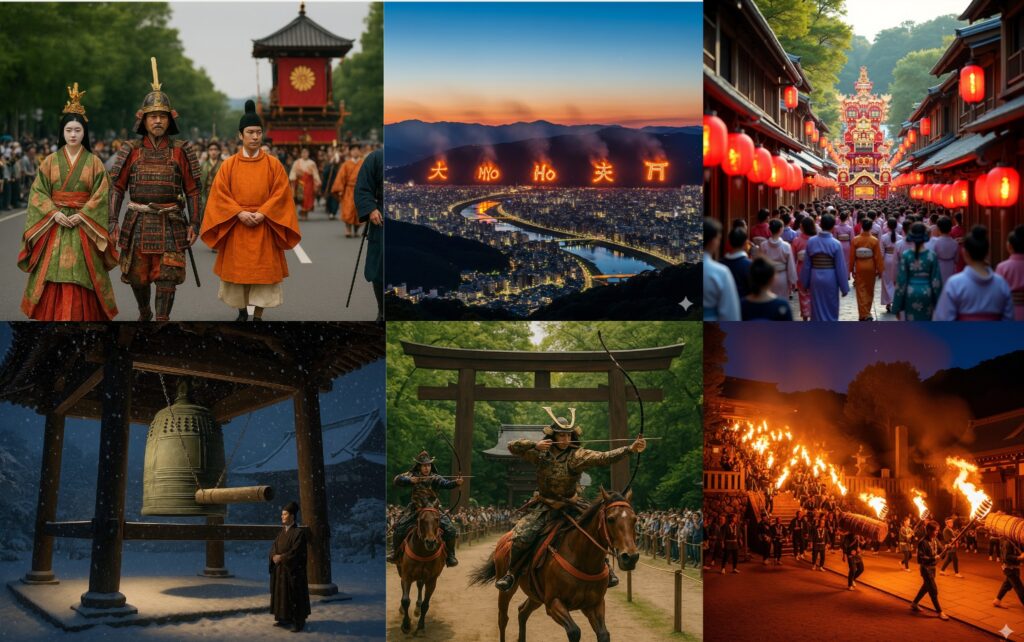
We will journey through the electrifying energy of the Gion Matsuri in July, arguably Japan’s most famous summer festival, with its colossal, hand-built floats. Then, we’ll step back into the aristocratic elegance of the Heian period with the Aoi Matsuri in May, a solemn and beautiful imperial procession. Finally, we’ll march through history with the Jidai Matsuri in October, a spectacular parade showcasing over a millennium of Japanese history through authentic costumes and characters.
Beyond these mega festivals, we’ll also touch upon other essential experiences, like the ethereal mountain bonfires of Gozan no Okuribi that honor ancestral spirits in August. Each of these Kyoto famous festivals provides a unique and unforgettable encounter with living history.
Spring Festivals in Kyoto
1. Aoi Matsuri (May 15) – Kyoto’s Heian-Era Procession of Elegance
Historical Background: Dating back over 1,000 years, Aoi Matsuri (also known as Kamo Matsuri) originated as a ritual to appease the deities of Kamigamo and Shimogamo Shrines during times of natural disaster. It became an imperial event during the Heian period.
Key Highlights and Procession Details
-
- A grand procession of over 500 participants in Heian-period attire
- The Saio-Dai, a young woman dressed in a 12-layered kimono, leads the parade
- Decorated ox-drawn carts, flowered umbrellas, and court music
- May 15 annually
- Starts at Kyoto Imperial Palace → Shimogamo Shrine → Kamigamo Shrine
Visitor Tips:
-
- Best viewing: Kyoto Imperial Palace or Shimogamo Shrine (arrive early or book paid seats)
- Attire: Casual or semi-formal; photography allowed but flash discouraged
- Cultural etiquette: Respect shrine rituals, avoid blocking the procession
- Photography Tips: Position yourself near shrine entrances for the most dramatic shots of carriages and costumes
Unique Cultural Experiences:
-
- Traditional crafts: Heian-style embroidery, lacquered oxcarts
- Heian Court Cuisine: Special kaiseki restaurants offer authentic imperial court meals during festival week
- Local foods: Wagashi (seasonal sweets), matcha stalls near shrines
- Participation: Attend pre-festival rituals, wear subtle traditional accessories

Aoi Matsuri Kyoto’s Famous Festival – ChatGPT generated image
2. Yabusame Shinji (May 3) – Archery on Horseback at Shimogamo Shrine
Historical Background: Yabusame is a Shinto ritual dating back to the Kamakura period, originally used to train samurai in martial discipline. In Kyoto, it’s part of the Aoi Matsuri’s pre-events.
Key Highlights:
-
- Mounted archers in samurai garb shoot arrows at wooden targets
- Held in the sacred Tadasu-no-Mori Forest
- Ritual purification and ceremonial music
- Costume Authenticity: Participants wear traditional hunting dress (kariginu) and medieval archer’s gear
Dates and Location:
-
- May 3 at Shimogamo Shrine
Best Viewing Spots and Cultural Etiquette
-
- Best viewing: Arrive early for front-row spots along the 500-meter archery lane
- Attire: Comfortable shoes, modest clothing
- Etiquette: Silence during archery, no flash photography
Unique Cultural Experiences:
-
- Traditional arts: Ogasawara-style archery, ceremonial robes, learn about bushido philosophy and medieval Japanese warfare tactics
- Local foods: Mitarashi dango, grilled mochi skewers, Sample traditional archer’s bento boxes and amazake (sweet rice drink) sold by shrine vendors
- Participation: Watch rehearsals the day before for fewer crowds
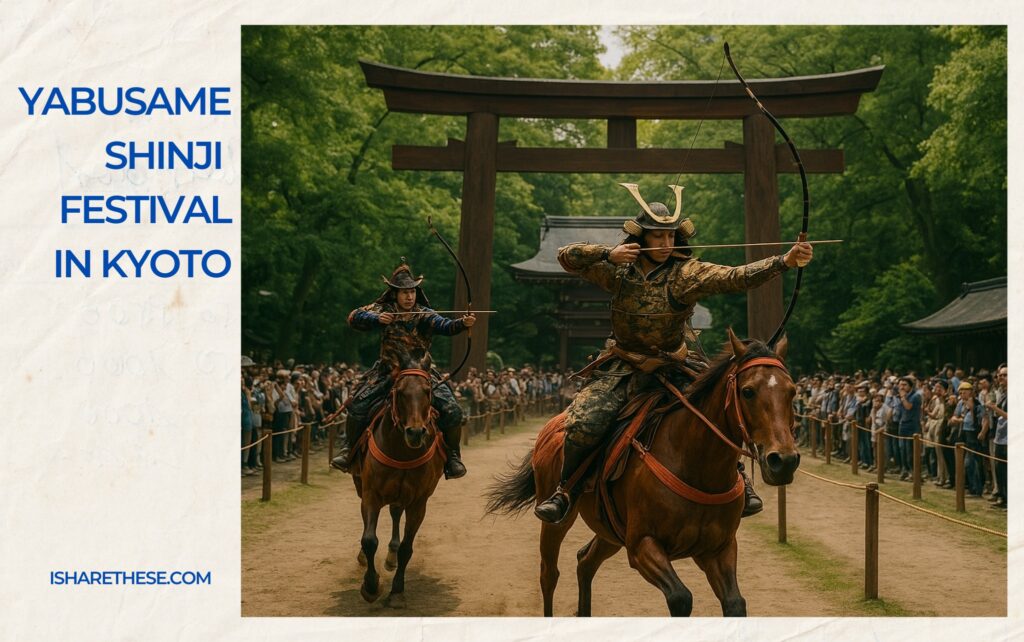
Yabusame Shinji festival in Kyoto
Summer Festivals in Kyoto
3. Gion Matsuri (July 1–31) – Kyoto’s Grandest Festival
Historical Background: Originating in 869 to ward off plague, Gion Matsuri is now one of Japan’s three great festivals. It honors Yasaka Shrine and Kyoto’s resilience.
Key Highlights:
-
- Yamaboko Junko: Giant floats paraded through central Kyoto
- Yoiyama nights: Streets closed to traffic, lantern-lit floats, music
- Mikoshi procession: Portable shrines carried through Gion
Dates and Locations:
-
- Entire month of July
- Main parades: July 17 (Saki Matsuri), July 24 (Ato Matsuri)
- Centered around Shijo-dori and Yasaka Shrine
Visitor Tips:
-
- Best viewing: Paid seats on Oike Street or Kawaramachi-dori
- Attire: Yukata encouraged; bring a fan and water
- Etiquette: Don’t touch floats, follow crowd control signs
- Weather Preparation: July in Kyoto is hot and humid; bring cooling towels, umbrella, and plenty of water
Unique Cultural Experiences:
-
- Traditional crafts: Nishijin textiles, float woodwork, lantern painting
- Local foods: Explore Yoiyama’s famous street stalls serving yakitori, Takoyaki, shaved ice, grilled squid
- Sake Tasting: Many local breweries offer special Gion Matsuri sake varieties during festival weeks
- Participation: Try festival games, wear yukata, join Yoiyama street strolls
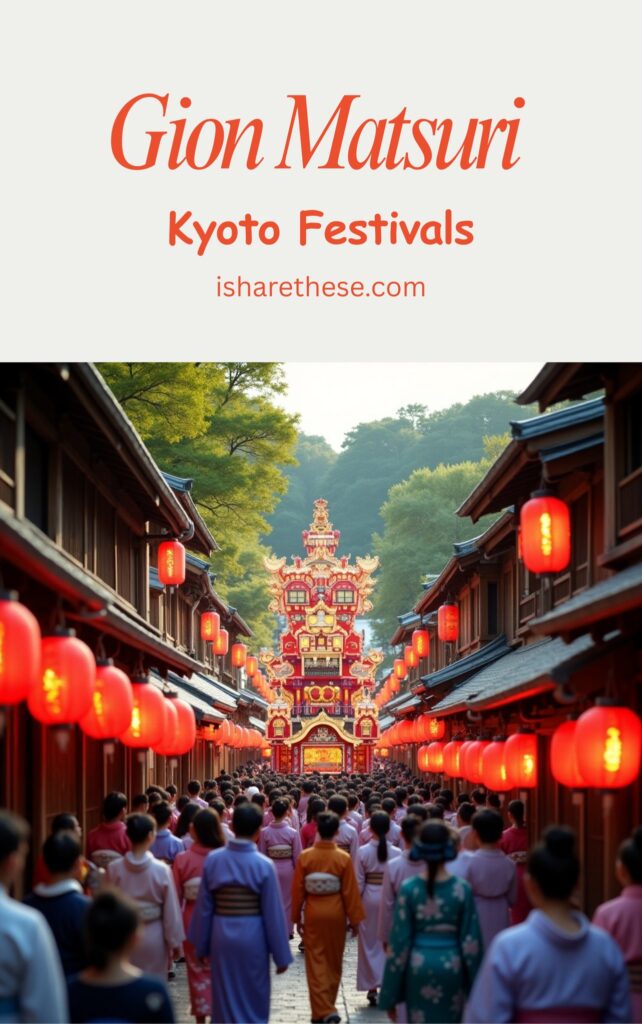
Gion Matsuri festival Kyoto
4. Mitarashi Festival (Late July) – Purification Ritual at Shimogamo Shrine
Historical Background: Held during the hottest days of summer, this Shinto ritual dates back to the Heian period. It’s a spiritual cleansing ceremony for health and longevity.
Key Highlights:
-
- Visitors wade barefoot into Mitarashi Pond
- Candle offerings at Inoue Shrine
- Purification Benefits: Traditional belief holds that the ritual cleanses away half a year’s accumulated sins
- Evening illuminations and serene atmosphere
Dates and Location:
-
- July 18 to 27 at Shimogamo Shrine
Visitor Tips:
-
- Best time: Evening for candle-lit ambiance
- Attire: Clothes that can be rolled above knees; easy-to-remove shoes
- Etiquette: No swimming, quiet reflection encouraged
Unique Cultural Experiences:
-
- Traditional crafts: Foot-shaped ema plaques, omamori amulets
- Local foods: Mitarashi dango (sweet dumplings inspired by pond bubbles)
- Participation: Light a candle, sip spring water for purification
- Forest Shrine Atmosphere: Enjoy the mystical ambiance of ancient trees and flowing water
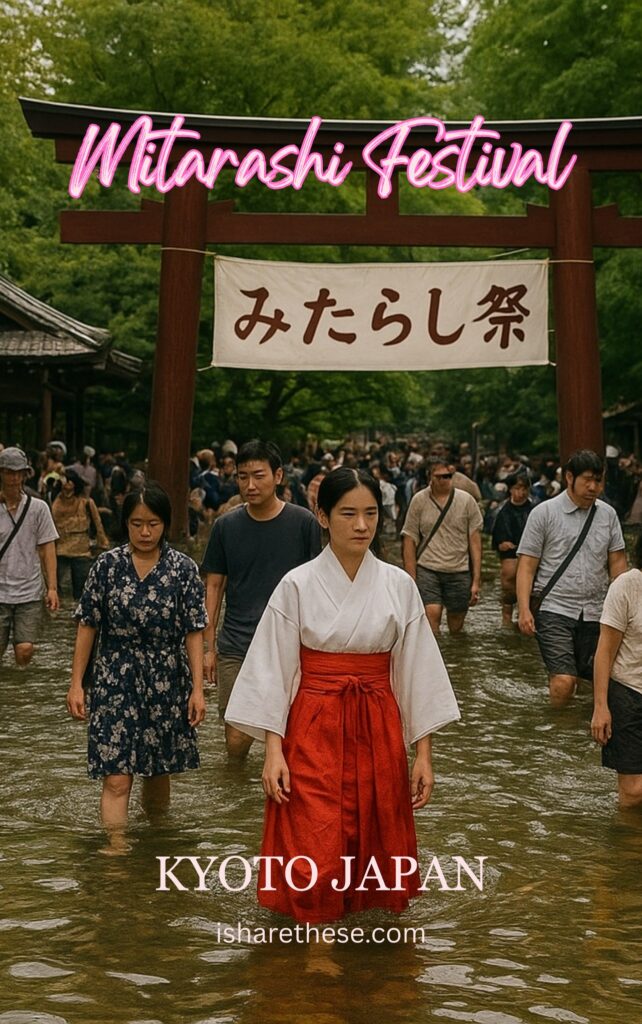
Mitarashi Festival Kyoto Japan
5. Gozan no Okuribi (August 16) – Daimonji Fire Festival
Historical Background: Held at the end of Obon, this ritual sends ancestral spirits back to the afterlife. It dates back to the Heian period and involves five giant bonfires.
Key Highlights:
-
- Five mountains lit with kanji and symbolic shapes
- Most famous: “大” (Dai) on Daimonji-yama
- Fires burn for 30 to 40 minutes
Dates and Location:
-
- August 16, visible across Kyoto
- Best viewed from Kamo River or rooftop hotels
Visitor Tips:
-
- Best viewing: Between Sanjo and Imadegawa Streets
- Attire: Light summer wear; bring insect repellent
- Etiquette: Quiet reflection, no drones or flash

Gozan no Okuribi Kyoto’s Famous Festivals
Autumn Festivals in Kyoto
6. Kurama Fire Festival (October 22) – Fiery Procession in the Mountains
Historical Background: Started in 940 AD to welcome the spirits of Yuki Shrine after its relocation. It’s a re-enactment of the torch-lit ceremony that guided the kami.
Key Highlights:
-
- Hundreds of villagers carry flaming torches. All torches converge at Kurama Shrine for the final purification ceremony.
- Mikoshi shrines paraded through narrow mountain streets
- Bonfires and chants of “Sairei, Sairyo!”
Dates and Location:
-
- October 22 in Kurama Village (north of Kyoto)
Visitor Tips:
-
- Best viewing: Near Kurama Station or Yuki Shrine
- Attire: Warm layers, sturdy shoes
- Safety Precautions: Stay behind designated barriers; embers and sparks are common
Unique Cultural Experiences:
-
- Traditional crafts: Torch-making, braided rope skirts
- Local foods: Yaki onigiri, sake stalls, mountain vegetable dishes
- Participation: Arrive early, explore Kurama’s hot springs before dusk
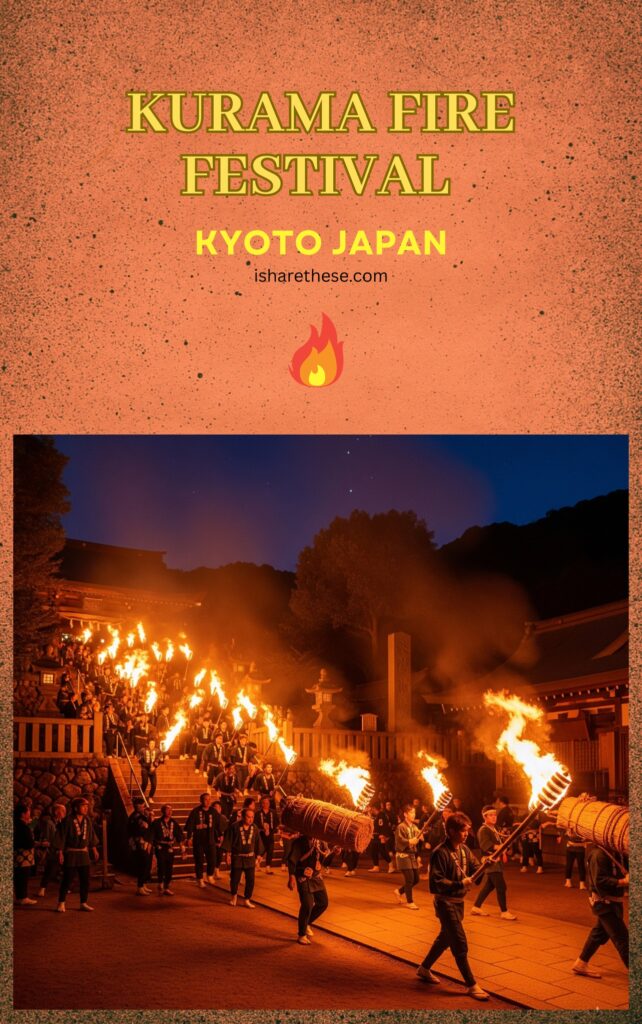
Kyoto Kuruma Fire Festival – AI generated image
7. Jidai Matsuri (October 22) – Festival of the Ages
Historical Background: Established in 1895 to commemorate Kyoto’s 1,100-year history as Japan’s capital. It showcases historical figures from every era.
Key Highlights:
-
- 2,000+ participants in period costumes
- Parade spans Heian to Meiji eras
- Authentic Details: Every costume element researched and recreated using traditional materials and techniques
- Portable shrines honoring emperors Kanmu and Komei
Dates and Location:
-
- October 22
- Starts at Kyoto Imperial Palace → Heian Shrine
Visitor Tips:
-
- Best viewing: Oike Street or Heian Shrine (paid seats available)
- Best Photography Spots: Kawaramachi-Oike intersection and Heian Shrine’s approach
- Attire: Casual; bring sun protection
- Etiquette: Respect historical reenactments, avoid obstructing parade
Unique Cultural Experiences:
-
- Traditional crafts: Hand-dyed fabrics, samurai armor replicas
- Local foods: Bento boxes, seasonal wagashi
- Participation: Attend costume exhibitions held prior to the parade
- Costume Crafts Experience: Some local workshops offer simplified historical costume making during festival week
- Photography Opportunities: This festival offers unparalleled opportunities for historically-themed photography
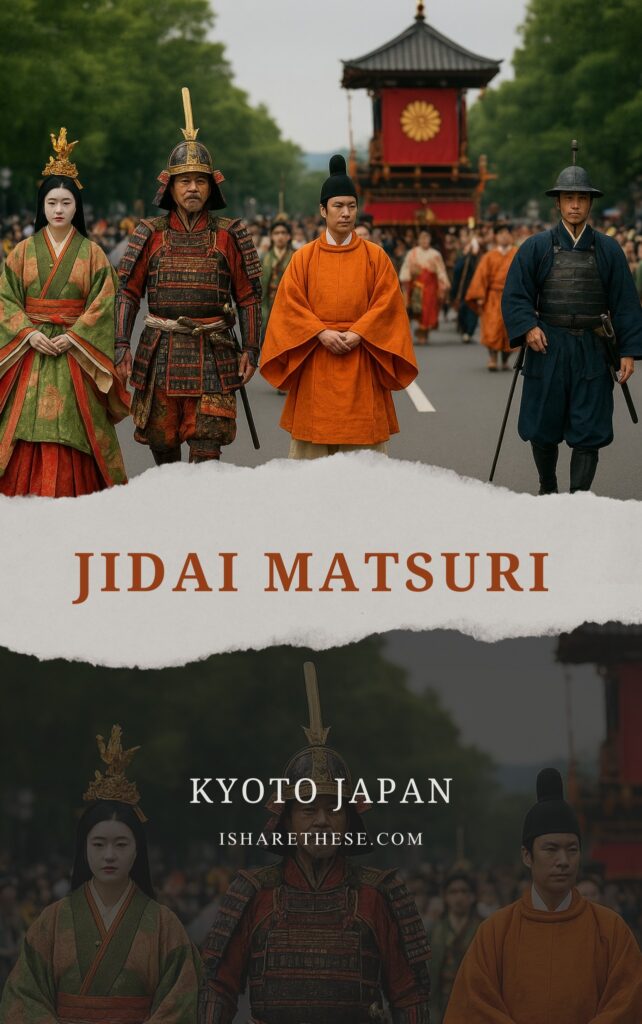
Jidai Matsuri festival Kyoto
Winter Festivals in Kyoto
8. Joya no Kane (December 31) – New Year’s Eve Bell Ringing
Historical Background: A Buddhist tradition where temple bells are rung 108 times to cleanse the 108 earthly desires. Originated in Zen temples during the Kamakura period.
Key Highlights:
-
- 108 Bell Strikes: Each temple rings its bell 108 times, with 107 strikes before midnight and the final strike at midnight
- Chion-in Temple’s massive bell requires 17 monks
- Purification Ritual: Each bell strike represents cleansing one of Buddhism’s identified human delusions
- Community Involvement: Visitors may participate in some temples
Dates and Location:
-
- December 31, midnight
- Chion-in Temple and others across Kyoto
Visitor Tips:
-
- Best viewing: Chion-in Temple or Nanzen-ji
- Nanzen-ji: Provides intimate setting with opportunities for visitor participation
- Arrival Strategy: Reach your chosen temple by 11:00 PM; popular temples fill quickly
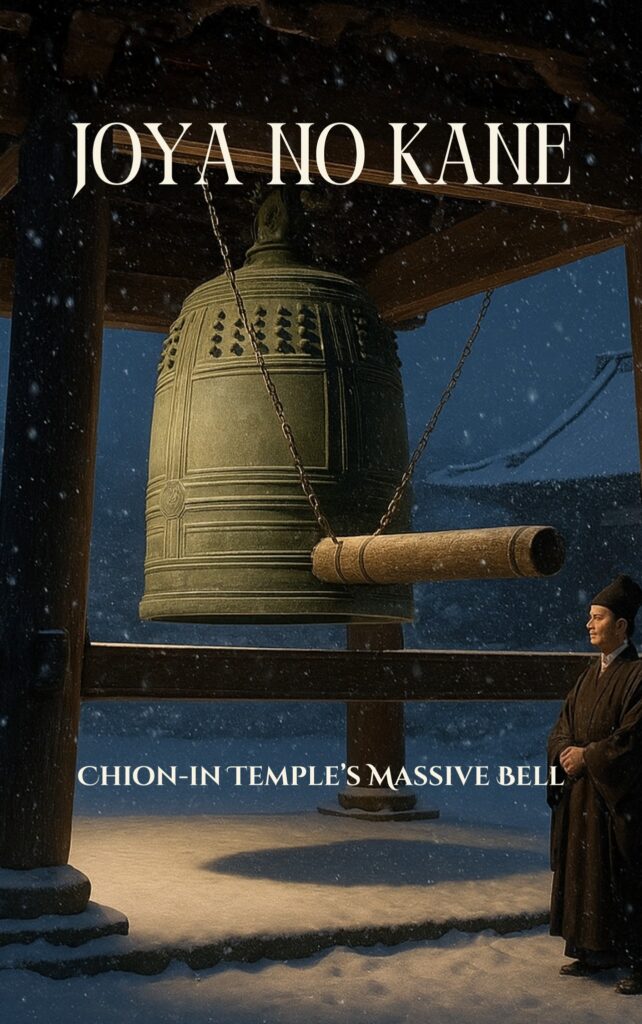
Kyoto’s Famous Winter Festival
How to Plan Your Visit to Kyoto’s Seasonal Festivals
Best Time to Visit Kyoto for Traditional Festivals
Kyoto’s festival calendar is beautifully aligned with Japan’s four seasons, offering distinct cultural experiences throughout the year. The best time to visit Kyoto for seasonal festivals depends on your interests:
- Spring (March–May): Ideal for Kyoto Spring festivals cherry blossoms and elegant rituals like Aoi Matsuri and Yabusame. Mild weather and blooming gardens make this a photographer’s dream. *Expect highest prices and crowds
Best for first-time visitors, imperial culture enthusiasts
Peak Tourist Season: April-May (book accommodations 3+ months ahead)
Weather: Mild temperatures, occasional rain - Summer (June–August): Though humid, July is vibrant with Gion Matsuri, Kyoto’s most iconic celebration. August’s Gozan no Okuribi marks the spiritual transition to autumn. *Requires heat tolerance and advance planning
Best for: Festival veterans, fire ceremony enthusiasts, street food lovers
Crowd Levels: Highest during Gion Matsuri, moderate for other events
Weather: Hot and humid, frequent afternoon thunderstorms - Autumn (September–November): This is the best time to visit Kyoto for Gion Matsuri. Crisp air and fiery foliage frame dramatic events like the Kurama Fire Festival and Jidai Matsuri. This is Kyoto at its most cinematic.
Best for: Photography enthusiasts, cultural immersion seekers, comfortable weather
Tourist Season: Second peak season due to fall foliage
Weather: Perfect festival weather, clear skies, comfortable temperatures - Winter (December–February): Quiet and contemplative, perfect for Joya no Kane and temple visits. Fewer crowds and lower prices make it ideal for budget travelers.
Best for: Spiritual seekers, authentic local experiences, budget travelers
Crowd Levels: Lowest except for New Year’s events
Weather: Cold but manageable, occasional snow
Festival Calendar Optimization Tips
- Multi-Festival Visits: Plan 7-to-10-day trips during October to experience both major autumn festivals
- Weather Considerations: Summer festivals require heat management; winter festivals need warm clothing preparation
- Booking Timeline: Reserve accommodations 6+ months ahead for Gion Matsuri; 3+ months for other major festivals
- Alternative Dates: Consider “back procession” dates for popular festivals to avoid peak crowds while maintaining authentic experiences
Essential Cultural Etiquette for Kyoto Festival Visitors
Kyoto’s festivals are deeply spiritual and community-centered. Respecting local customs ensures a warm welcome and a meaningful experience.
Respectful Festival Behavior
- Sacred Space Awareness: All Kyoto festivals have religious significance; maintain reverent behavior
- Photography Ethics: Ask permission before photographing festival participants up close. Avoid photographing maiko or geiko without permission in Gion.
- Queue Culture: Japanese festival queuing is orderly and patient; follow local lead
- Noise Levels: Keep conversations quiet during religious ceremonies and ritual moments
- Shrine Protocols: Bow at torii gates, purify hands and mouth at temizuya basins
Traditional Dress and Participation
- Yukata Wearing: Summer festivals welcome yukata; rent from shops near major temples
- Seasonal Appropriateness: Match your attire to the festival’s spiritual significance
- Comfortable Footwear: Most festivals involve extensive walking on uneven surfaces. Remove shoes before entering temple buildings.
- Weather Preparation: Kyoto’s seasonal weather can change quickly during outdoor festivals. Carry hydration and sun protection during summer events.
Cultural Immersion Opportunities
- Local Festival Foods: Each festival features unique regional specialties and seasonal ingredients
- Traditional Crafts: Many festivals include demonstrations of ancient Japanese artisan techniques
- Language Learning: Basic Japanese phrases enhance festival experiences and local interactions
- Community Integration: Smaller festivals offer opportunities to interact with local families and participate in traditions
Safety tips for Kurama Fire Festival visitors
- Follow crowd control signs and stay behind barriers during parades.
- Be cautious with open flames at fire festivals—stay at designated viewing zones.
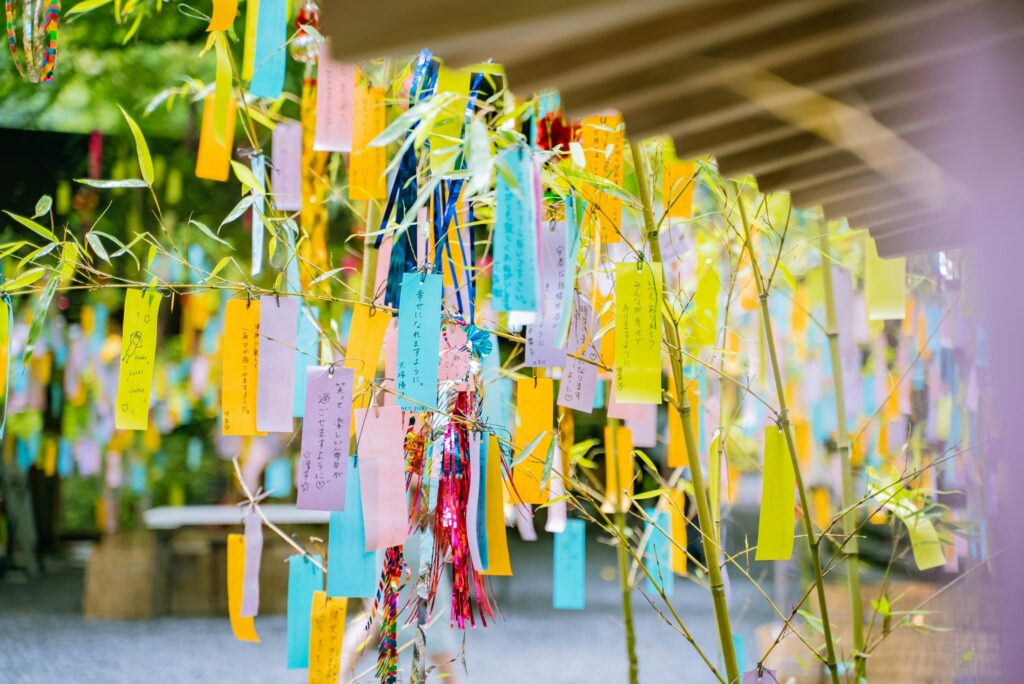
Kyoto’s Seasonal Festivals
Travel Tips and Where to Stay Near Kyoto Festival Venues
Kyoto’s compact layout makes it easy to access festival venues, but choosing the right base can elevate your experience.
Best Areas to Stay:
Where to stay in Kyoto during Gion Matsuri Festival?
Recommended Area: Gion / Shijo-Kawaramachi
Why stay here: Walking distance to Gion Matsuri events, traditional ryokan atmosphere, premium pricing during festivals, access to parades, lantern-lit streets, and Yasaka Shrine
Where to stay during Aoi Matsuri and Yabusame Festival
Recommended Area: Kyoto Imperial Palace / Demachiyanagi
Why stay here: Central location for Aoi Matsuri and Jidai Matsuri, excellent public transportation access, Close to procession routes and Shimogamo Shrine
Where to stay during Kurama Fire Festival?
Recommended Area: Kurama / Kibune
Why stay here: Mountain retreat vibe with direct access to Yuki Shrine.
Where to stay in Kyoto during Jidai Matsuri festival?
Recommended Area: Higashiyama / Okazaki
Why stay here: Near multiple festival venues, traditional neighborhood ambiance, moderate pricing
Where to stay during Gozan no Okuribi festival?
Recommended Area: Kamogawa Riverside / Northern Kyoto
Why stay here: Panoramic views of mountain bonfires
Where to stay in Kyoto during Joya no Kane festival?
Recommended Area: Nanzen-ji / Chion-in Area
Why stay here: Peaceful temple districts for midnight bell ringing
Booking Strategies for Kyoto Festival Periods
- Early Reservation Benefits: Best rates and locations secured 4 to 6 months in advance. Book accommodations 2–3 months in advance, especially for July and October festivals.
- Package Deals: Many hotels offer festival packages including reserved seating and cultural experiences
- Alternative Areas: Consider Osaka or Nara accommodation with day trips for major festivals if Kyoto is full
- Cancellation Policies: Book refundable rates during typhoon season (summer festivals)
Accommodation Types and Kyoto Festival Benefits
- Traditional Ryokan: Cultural immersion, kaiseki meals, yukata rental, but limited availability during festivals
- Modern Hotels: Reliable amenities, English-speaking staff, festival package deals, rooftop viewing parties
- Machiya Guesthouses: Authentic townhouse experience, kitchen facilities, neighborhood integration
- Temple Lodging (Shukubo): Spiritual atmosphere, meditation opportunities, vegetarian meals, budget-friendly

Temple Lodging – Kyoto Festival benefits
Transportation and Navigation During Kyoto Festival Season
Public Transportation Mastery
- Festival Day Traffic: Expect major street closures and crowded public transport during large festivals
- Optimal Routes: Plan alternative routes to festival venues using Kyoto’s comprehensive bus and subway system
- IC Card Benefits: Prepaid transportation cards expedite travel during crowded festival periods
- Early Departure Strategy: Leave accommodations 2+ hours before major festival events for stress-free arrival
- Download Google Translate and NAVITIME Japan Travel for navigation and communication.
Getting Around Festival Venues
- Walking Distances: Most prime viewing locations require 15-30 minutes walking from nearest stations
- Bicycle Rental: Efficient for smaller festivals but avoid during major events due to restricted areas
- Taxi Considerations: Limited availability and higher costs during peak festival times
- Airport Access: Allow extra travel time to/from Kansai Airport during major festival weekends
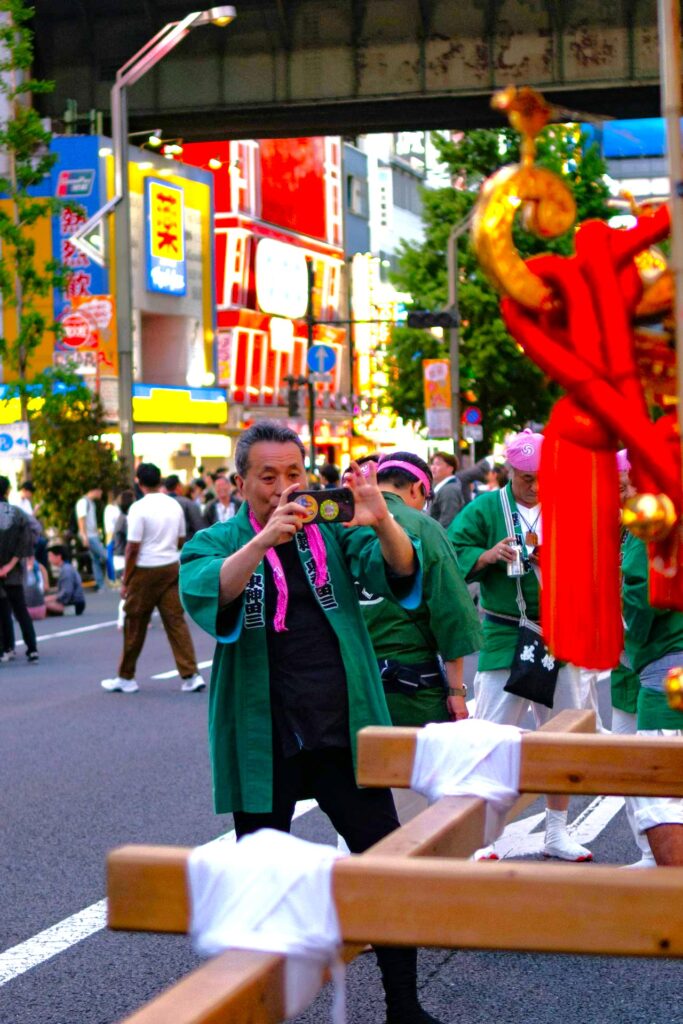
Crowded street during festivals in Kyoto
Safety Guidelines and Cultural Respect at Kyoto Festivals
Personal Safety During Large Festivals
- Crowd Management: Stay aware of crowd density; have exit strategies from viewing areas
- Emergency Contacts: Keep local emergency numbers and your accommodation address in Japanese
- Health Preparedness: Carry water, cooling towels in summer, and any necessary medications
- Valuable Security: Use hotel safes for important documents; carry minimal cash in crowds
- Communication: Download offline translation apps and emergency phrase cards
Cultural Respect and Festival Etiquette
- Religious Sensitivity: Remember these are active religious ceremonies, not performances
- Photography Ethics: No flash during sacred rituals; ask permission for close-up participant photos
- Noise Awareness: Keep conversations quiet during religious moments and traditional music
- Dress Appropriately: Conservative clothing for temple festivals; seasonal considerations for outdoor events
- Gift Etiquette: Small offerings at shrines are appreciated but not required
Environmental and Community Respect
- Waste Management: Carry trash until you find appropriate disposal sites (limited public bins)
- Local Business Support: Purchase food and drinks from local vendors rather than convenience stores when possible
- Queue Culture: Follow Japanese queuing etiquette; never push or save places in lines
- Residential Areas: Keep noise levels down when walking through neighbourhoods to festival venues
Your Festival Planning Checklist:
- Research specific festival dates (they occasionally change)
- Book accommodations early for popular festival periods
- Prepare appropriate clothing for each festival’s cultural requirements
- Learn basic festival etiquette and Japanese phrases
- Consider guided tours for deeper cultural context
Whether you’re drawn to spring’s imperial processions, summer’s fire ceremonies, autumn’s historical pageantry, or winter’s spiritual bells, Kyoto’s festival calendar ensures year-round opportunities for authentic cultural immersion.
Start planning your Kyoto festival adventure today – these ancient traditions await your respectful participation and wonder.
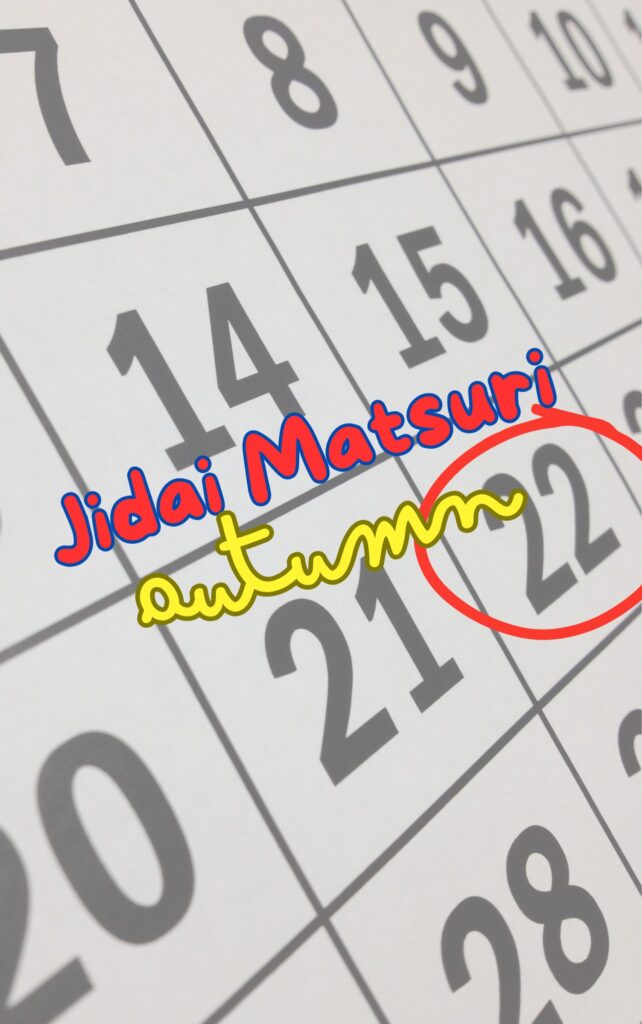
Plan dates – Kyoto Famous Festivals
Kyoto Related Posts
Kyoto TOP Things to Do
What to See in Kyoto: Best Places to Visit
Kyoto Quotes and Captions for Instagram Posts
Conclusion
Why Kyoto’s Festivals Belong on Your Bucket List
Kyoto’s seasonal festivals are more than events—they’re immersive cultural experiences that connect you to centuries of tradition. Whether you’re drawn to the elegance of Aoi Matsuri or the fiery spectacle of Kurama, each celebration offers a story worth witnessing.
Ready to explore Kyoto’s cultural heartbeat?
Frequently asked Questions about Kyoto’s Famous Festivals
Q. What is the most famous festival in Kyoto?
A. Gion Matsuri in July is Kyoto’s most internationally famous festival, recognized by UNESCO and featuring spectacular float processions. However, Aoi Matsuri offers the most authentic imperial court experience, while Kurama Fire Festival provides the most dramatic visual spectacle. Each represents different aspects of Kyoto’s cultural heritage.
Q. Do Kyoto festivals happen in bad weather?
Kyoto festivals typically proceed rain or shine, as they’re sacred religious observances. Gion Matsuri and Aoi Matsuri may be postponed only for severe weather like typhoons. Always bring umbrella during rainy season (June-July) and check official shrine websites for last-minute announcements. Indoor temple festivals like Joya no Kane continue regardless of weather.
Q. When is the best time to visit Kyoto for seasonal festivals?
A. The best time depends on your interests:
- Spring (April–May): For cherry blossoms and Aoi Matsuri
- Summer (July): For Gion Matsuri and Mitarashi Festival
- Autumn (October): For Kurama Fire Festival and Jidai Matsuri
- Winter (December): For Joya no Kane and temple visits
Q. Can foreigners participate in Kyoto festivals or just watch?
A. Yes, foreigners can participate in many Kyoto festivals! Mitarashi Festival welcomes all visitors to wade through sacred waters, Joya no Kane allows temple bell ringing participation, and many festivals offer yukata rental for cultural dress. However, participation in sacred processions like Aoi Matsuri requires local community membership and advance arrangement.
Q. Are Kyoto festivals suitable for families with kids and elderly?
A. Yes, but with considerations. Most festivals involve standing for long periods and walking on uneven surfaces. Gion Matsuri and Jidai Matsuri are excellent for children who enjoy parades. Avoid Kurama Fire Festival with young children due to crowds and fire safety. Many festivals offer earlier ceremonies or alternative viewing areas better suited for elderly visitors.
Q. What’s the best festival for first-time visitors to Kyoto?
A. Jidai Matsuri in October offers the perfect introduction to Kyoto festivals, combining comfortable weather, historical education, and manageable crowds. The procession is easy to follow and understand, while autumn foliage provides additional beauty. Alternatively, Aoi Matsuri showcases authentic imperial traditions if visiting in spring.
Q. Are Kyoto festivals free to attend?
A. Most are free to observe, especially street parades and shrine rituals from public viewing areas. Some offer paid seating for better views. Premium reserved seating costs ¥2,000-¥8,000 for major festivals like Gion Matsuri and Jidai Matsuri. Additional costs include transportation (¥230-¥460 per trip), festival food (¥500-¥2,000), and optional yukata rental (¥3,000-¥8,000). Budget ¥5,000-¥15,000 per person for a complete festival day experience. Donations at shrines are appreciated but not mandatory.
Q. Do I need to book festival activities in advance?
A. Reserved seating for major festivals should be booked 1-3 months ahead through official channels or hotels. Festival participation activities like yukata rental and special dining require advance booking during peak seasons. Free public viewing doesn’t require reservations, but arriving early ensures better positioning.
Q. Are there English guides or tours for Kyoto festivals?
A. Yes, several licensed tour companies offer English-language festival tours with cultural context and reserved seating. Self-guided options include downloading official festival apps with English commentary. Many festivals provide English pamphlets at major viewing areas. Consider hiring local guides for deeper cultural understanding and navigation assistance.
Q. What festivals can I experience if visiting Kyoto for just one day?
A. Single-day festival experiences work well for Aoi Matsuri (May 15), Jidai Matsuri (October 22), or Kurama Fire Festival (October 22). Gion Matsuri spans the entire month but has specific procession days. Plan transportation and viewing strategy in advance for maximum cultural impact during short visits.
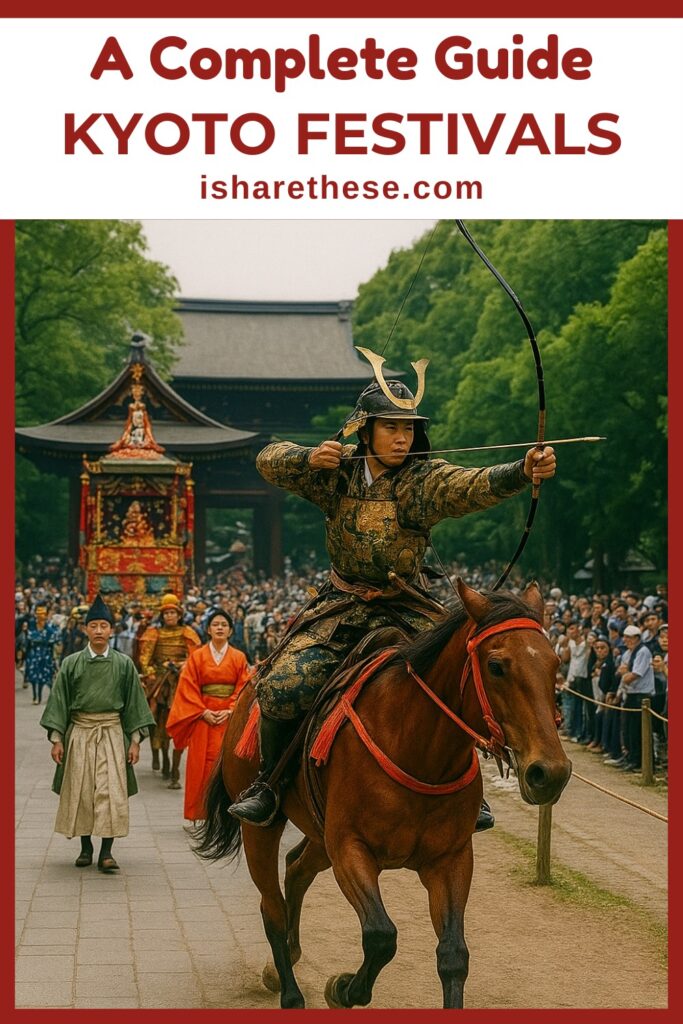
Pin this for later
Did you like this blogpost on Guide to Kyoto’s Famous Festivals? Have you participated any of these festivals? Let me know in comments. Save and share this post to plan your trip to Kyoto coinciding with a festival.
 Indrani Ghose is an Indian Travel Writer and Blogger based in Bangalore, India. She has written for numerous publications across the globe – including Lonely Planet, The National UAE, Whetstone Asia, Deccan Herald. You can follow her on her social media handles Instagram, Twitter, Pinterest and Facebook to see the wonderful destinations, beautiful offbeat places and get instant updates about them.
Credits: Please note that all photos are AI made and edited on Canva.
Please note: This post may contain affiliate links which means I may earn a commission if you make a purchase by clicking a link on this post. This will be at no additional cost to you. Affiliate links help me keep this website up and running. Thanks for your support!