What to See in Belem: Useful Guide to Lisbon’s Age of Discovery
What to see in Belem? If you’re planning a trip to Lisbon’s riverside district, this guide is your complete roadmap to the Age of Discovery. Belem is where Portugal’s greatest explorers set sail in the 1500s, and today it’s one of the most visited areas in Lisbon.
I first explored Belem back in 2015 with my camera and walking shoes. Back then, queues were manageable, and you could walk into most monuments without advance booking. Fast forward to 2025, and the Belem district Lisbon has transformed into a global tourism hotspot. Crowd management is real, ticketing is strictly timed, and you need a solid game plan to avoid wasting hours in line.
— Indrani Ghose, travel blogger | Updated Dec 2025
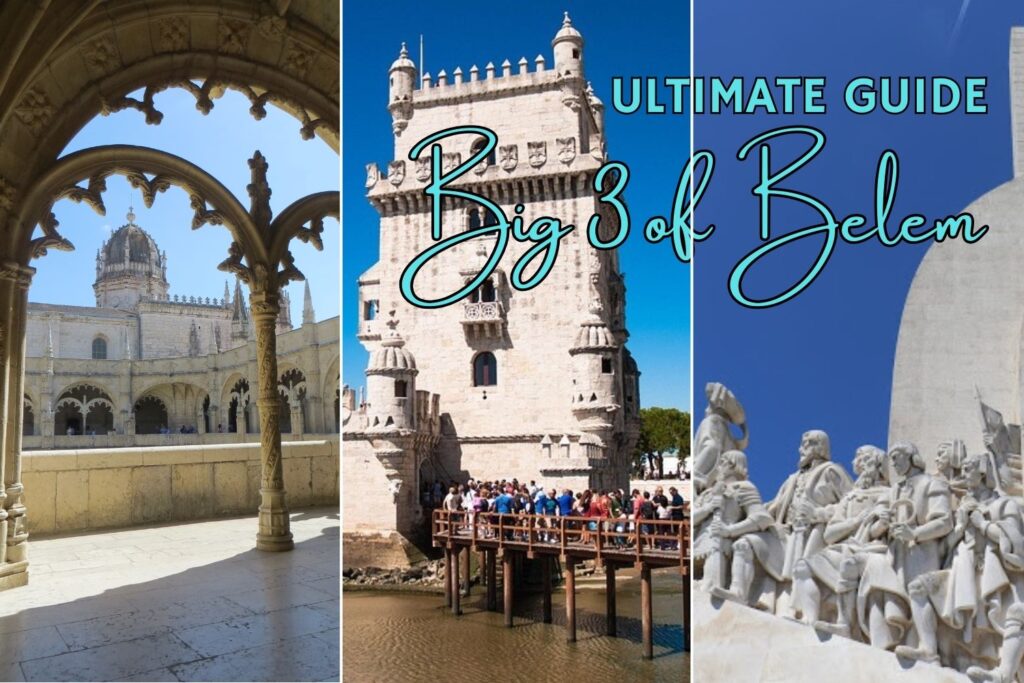
Guide to Belem Portugal
This guide isn’t just about ticking off monuments. It’s about practical travel strategy: how to skip lines, which time slots work best, and where to refuel between UNESCO sites. I’m combining what I learned on the ground in 2015 with updated 2025 intel on ticketing systems, crowd patterns, and new visitor policies.
Whether you’re here for the best things to do in Belém or simply want to understand why this district shaped world history, I’ll walk you through the essentials—no fluff, just actionable advice backed by firsthand experience.
The “Big Three”: Must-See Landmarks in Belém
Jerónimos Monastery (Mosteiro dos Jerónimos)
If you see only one monument in Belém, make it the Jerónimos Monastery. This UNESCO World Heritage site represents the peak of Manueline architecture—a uniquely Portuguese style that fuses Gothic stonework with Renaissance elegance and maritime symbolism.
The cloisters alone are worth the entry price. Every column, archway, and ceiling panel features intricate carvings: twisted ropes, navigation instruments, sea creatures, and botanical details that reference Portugal’s overseas voyages.
Inside the church, you’ll find the tomb of Vasco da Gama, the explorer who opened the sea route to India in 1498. Standing in front of it hits differently than reading about it in textbooks. This is where Portugal’s global ambitions became reality.
I’ve written a dedicated guide on the monastery’s architecture and historical significance—check it out for the full story.
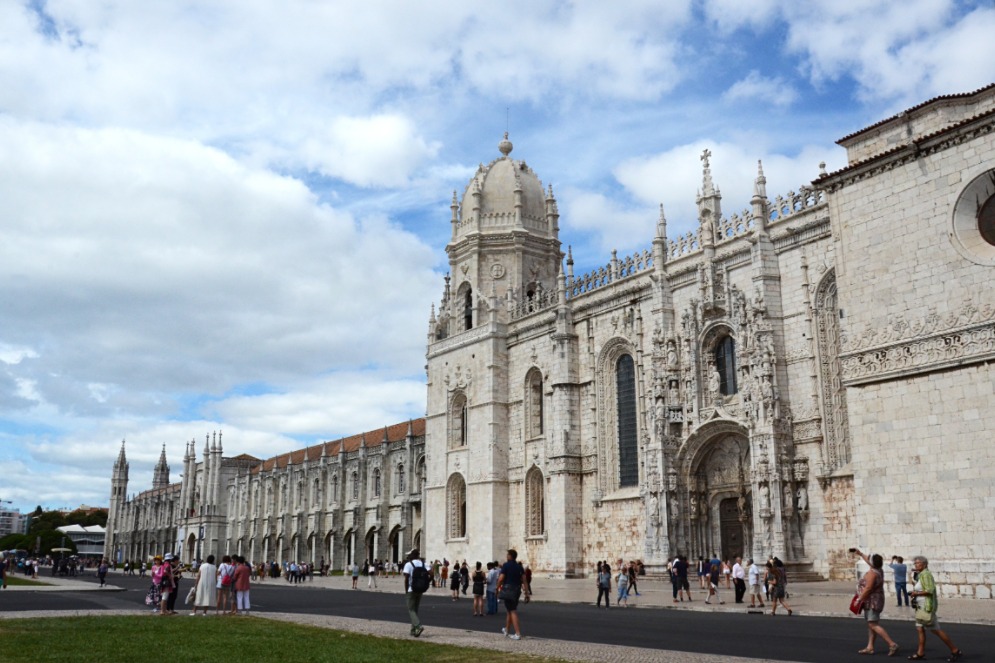
Jeronimo’s Monastery
Current reality check (2025): The monastery now operates on timed entry slots. Walk-up ticket lines regularly exceed 90 minutes during peak season (May–September). Online tickets through the official booking portal sell out days in advance for morning slots. Your move? Book at least 72 hours ahead and aim for the 9 AM or 5 PM entry windows when foot traffic drops.
Pro-Tip: Combination tickets covering both Jerónimos and Belém Tower offer modest savings, but they lock you into a tight schedule. Only grab them if you’re certain about your timing.
Belém Tower (Torre de Belém)
The Belém Tower is Lisbon’s postcard icon and another UNESCO site. It is also included in the registry of the Seven Wonders of Portugal in 2007. Built between 1514–1520, it served dual purposes: a defensive fortress protecting the Tagus River entrance and a ceremonial departure point for explorers heading to Africa, Asia, and the Americas.
Its waterfront position—literally built on a rocky outcrop in the river—makes it one of the most photogenic structures in Portugal.
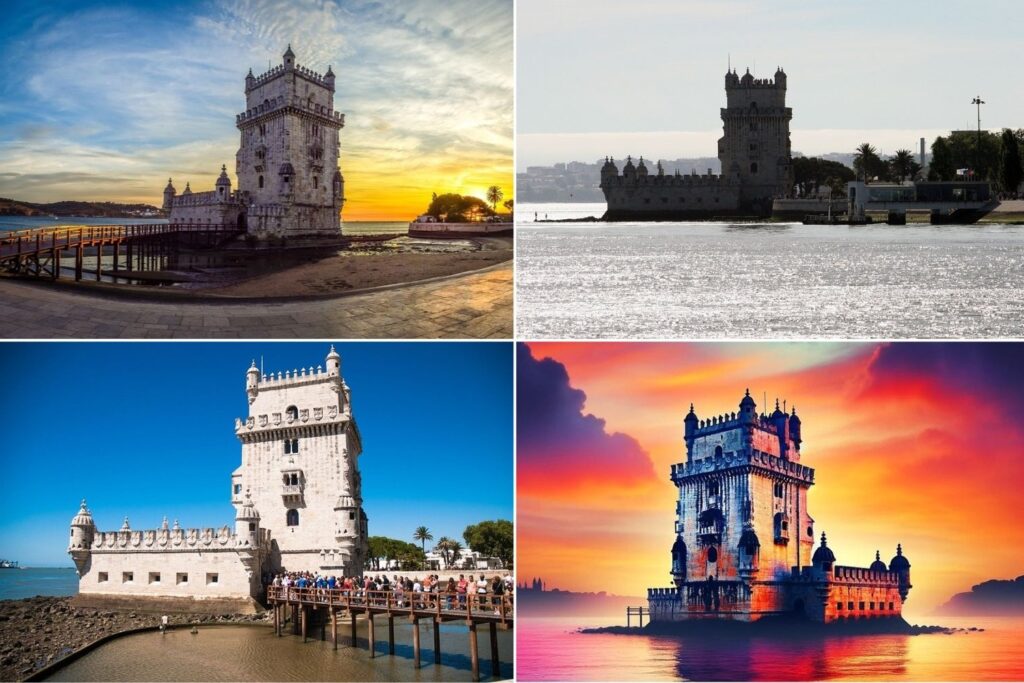
Photogenic landmark of Portugal – Belem Tower under different skies
Here’s my honest take after visiting: the exterior delivers, but the interior underwhelms. The tower’s small rooms and narrow spiral staircases feel cramped with crowds shuffling through. The views from the top are decent but not spectacular compared to other Lisbon viewpoints.
Most travelers I’ve spoken with agree the best experience is photographing the tower from the riverside promenade, especially during golden hour when the limestone glows amber.
If your Belem itinerary is tight, skip the interior tour and invest that time elsewhere. The exterior view captures 90% of what makes this landmark special.
Pro-Tip: Walk east along the river toward the Monument to the Discoveries for clean sightlines. Early morning (before 10 AM) offers the best light and fewer tourists blocking your shots.
History of Belem Tower
Most historical monuments in Belem are from 16th century.
The tower was built during the reign of King Manuel I. in Manueline architectural style (which combines Moorish, Gothic, and Renaissance elements). Construction of Belem Tower was completed in 1521.
Initially it functioned as a fortress to defend the mouth of the River Tagus, to guard the entrance to Lisbon’s harbor. For the sailors it was the last sight of their homeland, one can imagine how dear this must be to them!
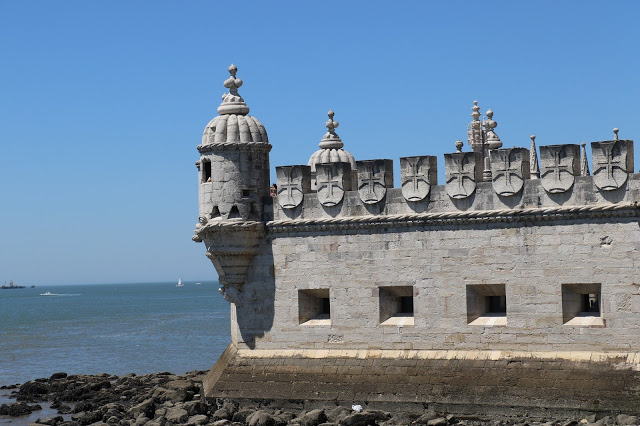
Watch Tower Belem
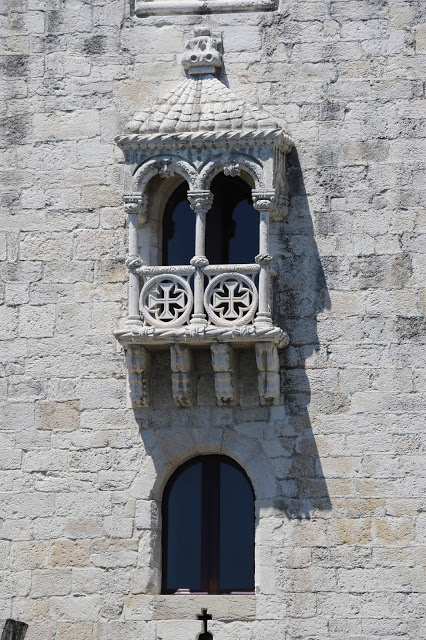
Manueline Window of Belem Tower
The walkway to the tower was well populated by the tourists and the entrance very crowded. The previous day’s pickpocket incident was still fresh in mind. We were cautious during the tour.
Padrão dos Descobrimentos (Monument to the Discoveries)
The Monument to the Discoveries is the most modern of Belém’s “Big Three”—it was built in 1960 to mark the 500th anniversary of Henry the Navigator’s death—but it captures Portugal’s Age of Discovery spirit better than many older structures.
The real value here is the rooftop viewing deck. Take the elevator 52 meters up, and you get sweeping panoramas of the Tagus River, the 25 de Abril Bridge, Cristo Rei across the water, and the entire Belém coastline. For photographers and first-time visitors trying to grasp Lisbon’s geography, this viewpoint is unmatched.
At ground level, don’t miss the massive marble wind rose compass embedded in the plaza. It’s a 50-meter-wide map showing Portuguese exploration routes—great for context and photos.
Pro-Tip: Visit between 4 PM to 6 PM. The westward-facing position means late afternoon light is spectacular, and you’ll dodge midday heat and tour bus crowds.
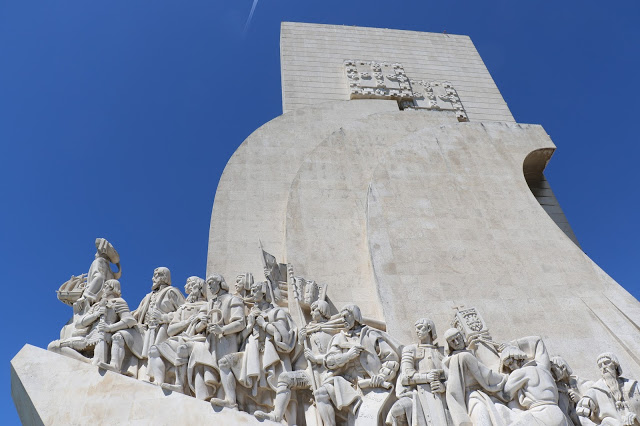
Discoveries Monument Lisbon
Explorers of Discoveries Monument Belem
Discoveries Monument is an unmissable sight! The whole structure is drama and action packed. A ship ready to depart!
On board are several prominent adventurers and explorers of 14th and 15th century. Each figure seemed to move forward, as if keen to set off and participate in next exploring events. The monument features 33 carved figures:
- King Manuel I carrying an armillary sphere, poet Camões holding verses from The Lusiads
- Vasco da Gama, Magellan, Cabral, and several other notable Portuguese explorers, crusaders, monks, cartographers, and cosmographers
- They follow Prince Henry the Navigator at the prow holding a small vessel
- The only female is queen Felipa of Lancaster, mother of Henry the navigator, the brain of the discoveries.
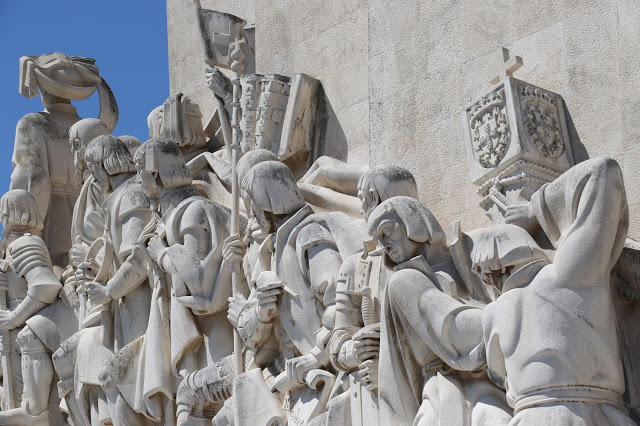
Sculpted figures on Discoveries Monument
Time and Dimension
This iconic Discoveries Monument was built of wood initially and was a display piece in Portuguese World Fair of June 1940. But due to several political reasons it was brought down in 1943.
The idea again got a second lease of life in 1958 when the Câmara Municipal of Lisbon, promoted the intent to construct a permanent Monument to the Discoveries. By 1960 the construction of Discoveries Monument was completed.
It was made of cement and rose-tinted stone. It stands at a height of 52m (171ft.). The statues sculpted from limestone.
The Three Views of the Monument
- The 3 views that can interest the tourists are: one the exteriors. It is grand and one tends to stand rooted in his/her place just marveling the sculpted figures. So ‘life’ like! This view is free.
- If you are done photographing and admiring and have ample time in hand you can visit the museum inside the monument. There is a small fees for this. This museum houses details of history of Lisbon.
- Finally you can go to the top of this monument for mesmerizing views of River Tagus!
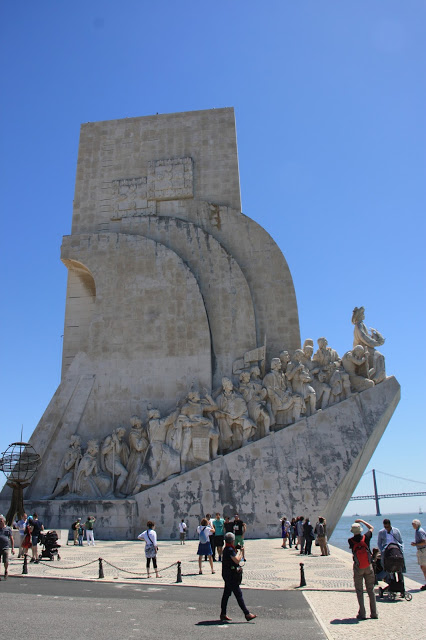
Discoveries Monument Belem Lisbon
Wrap-Up of the Big Three
Together, the Jerónimos Monastery, Belém Tower, and Monument to the Discoveries anchor any solid Belém itinerary. They’re not random tourist stops—they form a narrative arc explaining how a small European kingdom became a 16th-century superpower.
Smart planning means advance tickets, strategic timing, and realistic expectations about crowds. Nail these logistics, and you’ll actually enjoy the history instead of just surviving the queues.
Beyond the Basics: Hidden Gems in Belém
Belém isn’t just about the “Big Three.” Once you’ve checked off the major monuments, there are quieter corners and contemporary surprises that make the district worth a full day. These spots balance history with modern culture and show you sides of Belém that most rushed itineraries skip.
Museu Coleção Berardo / CCB
Inside the Centro Cultural de Belém (CCB), you’ll find the Museu Coleção Berardo—one of Portugal’s strongest modern and contemporary art collections. I found it to be a huge contrast to the Manueline stonework I’ve been photographing all morning. Picasso, Warhol, Dalí, and major Portuguese contemporary artists occupy the galleries here.
I stumbled into this museum during my 2015 visit while looking for air conditioning and ended up spending 90 minutes inside. It’s the perfect counterbalance if you’re hitting monastery overload. The CCB complex also hosts concerts, film screenings, and cultural events—check their 2025 schedule if you’re visiting during festival season.
Entry: Often free or low-cost depending on exhibitions.
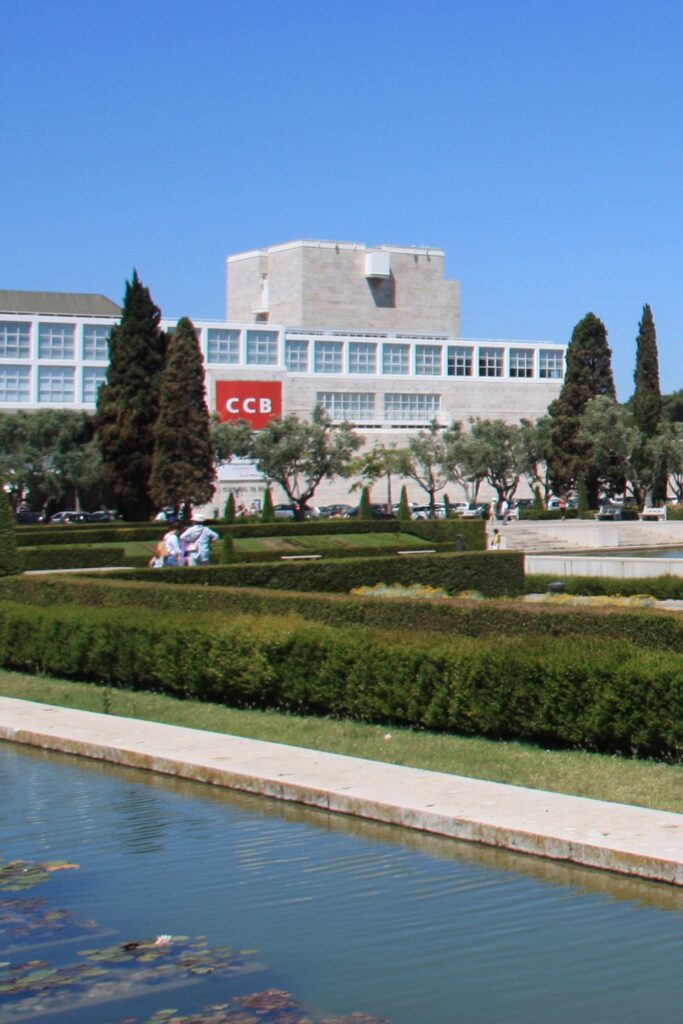
Centro Cultural de Belém (CCB) Belem
The Tropical Botanical Garden (Jardim Botânico Tropical)
Just behind the Jerónimos Monastery sits a hidden escape most tourists walk right past—the Tropical Botanical Garden. Established in 1906 as a research center for Portugal’s colonial territories, it now showcases exotic species from former Portuguese colonies: towering dragon trees from Madeira, Brazilian palms, African succulents, and dense bamboo groves from Asia.
Walking these shaded paths feels like teleporting out of Lisbon entirely. When Belém’s crowds and summer heat become overwhelming, this garden offers genuine refuge. Entry costs under €3, making it one of the best-value experiences in the district. Families with kids appreciate the open space and shade.
Pro-Tip: The northeast corner near the duck pond is the quietest spot—perfect for a 15-minute breather.
MAAT (Museum of Art, Architecture and Technology)
The MAAT has become a modern Lisbon icon since opening in 2016—unfortunately, one year after my visit. I missed it, but I’ve researched this attraction thoroughly for my next Lisbon trip and wanted to include it here because it’s genuinely reshaping Belém’s identity.
From every photo I’ve studied, the building itself is the main attraction. The swooping, wave-like structure clad in 15,000 white ceramic tiles looks like it’s about to slide into the Tagus River. Portuguese architect Amanda Levete designed it to blur the line between architecture and landscape.
The rooftop walkway is free to access year-round and delivers panoramic views of the Tagus River, the 25 de Abril Bridge, and Cristo Rei across the water. This alone makes MAAT worth adding to your itinerary.
Entry pricing (2025): General admission is €11; reduced rate €8 (ages 13-18, students with valid ID, seniors 65+, unemployed). Free entry to all MAAT spaces occurs on the first Sunday of every month between 10 AM to 1 PM—mark your calendar if you’re budget-conscious.
Inside, rotating exhibitions blend art, architecture, and technology themes. Quality varies depending on what’s showing, but the permanent energy exhibition in the adjacent Power Station building (a restored 1908 structure) offers solid context on Portugal’s industrial history and the building’s past life.
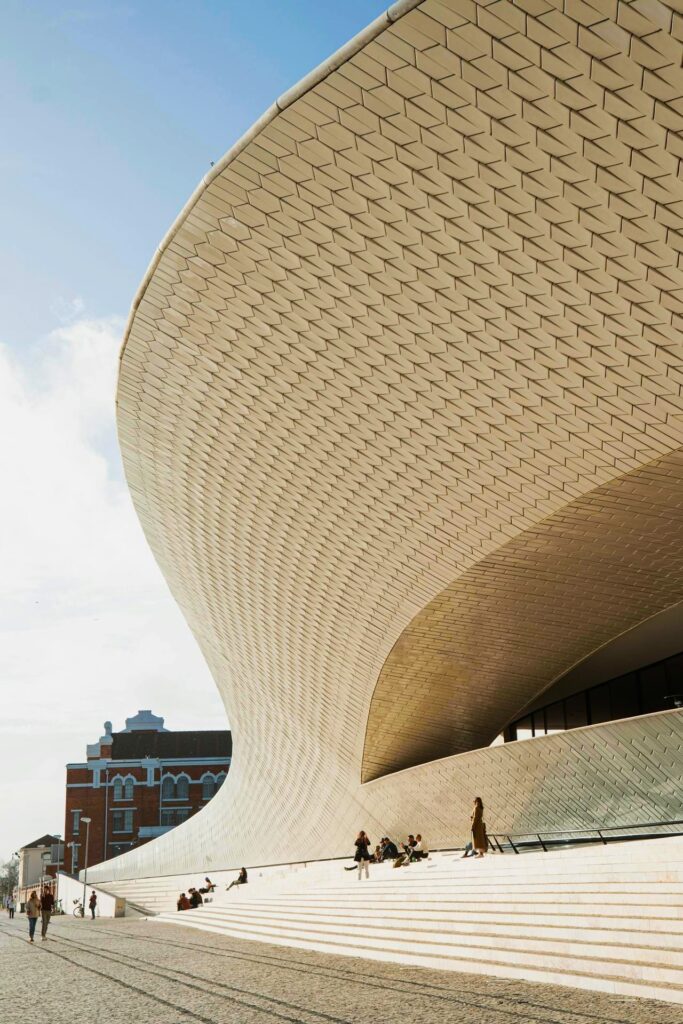
MAAT (Museum of Art, Architecture and Technology) Belem Lisbon
Where to Eat: The Pastéis de Belém Experience
No visit to Belém is complete without tasting its most famous export—the Pastéis de Belém. These custard tarts aren’t just dessert; they’re a 187-year-old cultural institution.
Pastéis de Belém: Is the Hype Real?
Yes. Absolutely yes. I’m skeptical of tourist food traps, but this bakery has served its secret recipe since 1837, and the product backs up the reputation.
The pastry is impossibly flaky—shattering at first bite—while the custard filling is silky, eggy, and caramelized on top. I’ve taste-tested pastéis de nata across Lisbon (occupational hazard), and nothing matches the original.
Here’s the crowd-beating strategy most visitors miss: everyone queues in the takeaway line outside, which can stretch 30+ meters down the street. But there’s a separate entrance for table service inside the café. This line moves faster, and you get to sit in beautiful tiled dining rooms decorated with traditional azulejos.
Order like a local: Get at least two tarts per person. Locals never stop at one. Add a bica (Portuguese espresso) to complete the ritual. Sprinkle cinnamon and powdered sugar from the table shakers—this is non-negotiable.
Timing strategy: Mid-morning (10 AM to 11 AM) or late afternoon (4 PM to 5 PM) see lighter crowds. Avoid the post-lunch rush (2 PM to 3 PM) when tour groups descend. Weekend mornings are chaos—weekday visits are significantly calmer.
The bakery produces over 20,000 tarts daily. You won’t leave Belém without trying one—just make sure you do it right.

Pastéis de Belém – custard tarts that aren’t just dessert
Practical Logistics: Planning Your Belem Visit
Belém sits just 6 km west of Lisbon’s center, but smart transport choices make the difference between smooth sightseeing and wasted time.
How to Get to Belem from Lisbon City Center
Tram 15E is the tourist favorite. It departs from Praça da Figueira and Cais do Sodré, running directly to Belém in about 25 minutes. The vintage yellow trams are photogenic, but they pack tight during peak hours (9 AM to 11 AM and 2 PM to 4 PM). Watch your belongings—pickpockets work these crowded trams regularly.
Cascais suburban train from Cais do Sodré offers a faster, more comfortable alternative. It stops at Belém station in 10 minutes, and you’ll walk just 5 minutes to Jerónimos Monastery. Trains run every 20 minutes and rarely get overcrowded. This is my preferred route when I want reliability.
Buses (728, 729, 751) connect to Belém but get stuck in Lisbon traffic. Only use these if they’re your most convenient option from your accommodation.
Taxis and rideshares (Uber, Bolt) cost €8–€12 from central Lisbon. Worth it if you’re traveling with kids or have limited mobility.
Pro-Tip: For tight schedules, take the train to Belém and the tram back—you get speed going, scenery returning.
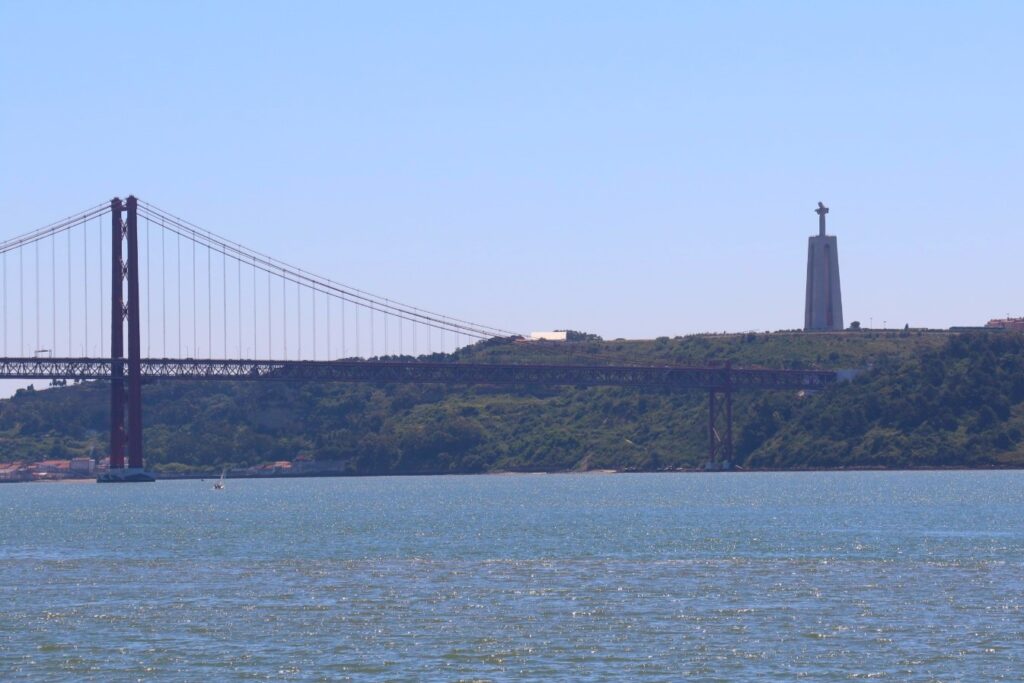
Ponte 25 de Abril
Is the Lisbon Card Worth It for Belém?
The Lisbon Card includes unlimited public transport plus free entry to Jerónimos Monastery and Belém Tower. Let’s do the math:
- Jerónimos: €10
- Belém Tower: €8
- Round-trip transport: €3.50
- Total: €21.50
The 24-hour Lisbon Card costs €27 (2025 pricing). If you’re hitting both monuments plus using transport multiple times, it breaks even. The bonus? You skip ticket lines at covered attractions using the fast-track lane.
Skip the card if: You’re only visiting one monument and walking the district.
Buy the card if: You’re doing a full Belém day with multiple paid sites, or combining Belém with other Lisbon attractions on the same day.
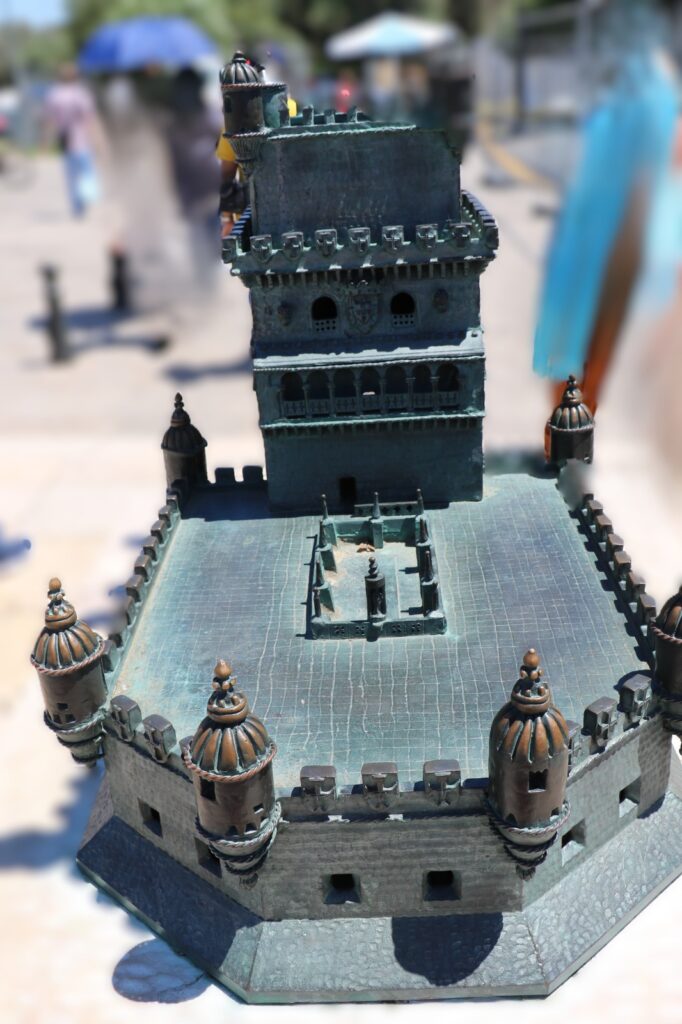
1:50 scale model of Belem Tower for visually handicapped
A Suggested Half-Day Itinerary for Belem
Short on time? This route hits Belém’s highlights in under five hours without feeling like a forced march.
8.30 AM – Arrival: Take the Cascais train or early tram 15E to Belém. Beat the tour bus crowds.
8.45 AM – Jerónimos Monastery: Head straight here with your pre-booked timed entry ticket. Spend 60–75 minutes exploring the cloisters, church, and Vasco da Gama’s tomb. The morning light through the monastery windows is spectacular.
10.15 AM – Monument to the Discoveries: Five-minute walk along the river. Admire the explorer statues, check out the marble compass rose at ground level, then ride the elevator to the rooftop viewing deck (15 minutes total).
10.45 AM – Belém Tower: Continue along the riverside promenade (10-minute walk). Decide whether to tour the interior or photograph from outside—both options work.
11.30 AM – Pastéis de Belém: Time for the main event. Use the insider entrance for table service, order two tarts per person with a bica, and sit in the tiled rooms. This isn’t just food—it’s the Belém ritual.
12.30 PM – Optional Extension: If energy remains, walk to MAAT’s free rooftop (10 minutes) or duck into the Tropical Botanical Garden (behind Jerónimos) for a shaded break.
1 PM – Return: Catch the train or tram back to central Lisbon.
This itinerary covers what to see in Belém efficiently: UNESCO monuments, iconic pastries, and riverside views—all before lunch. Perfect for cruise passengers or travelers squeezing Belém into a packed Lisbon schedule.
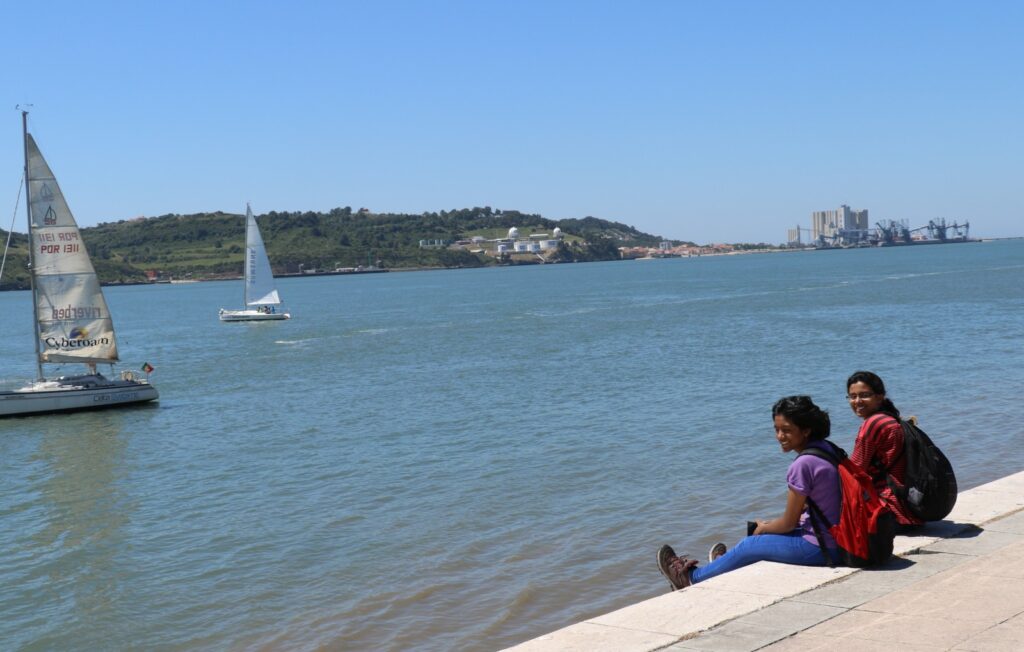
Tagus River Belem
FAQ about What to See in Belem
How much time do you need in Belém?
A half-day (4–5 hours) covers the major monuments and Pastéis de Belém. A full day lets you explore hidden gems like the Tropical Botanical Garden and MAAT without rushing.
Can you walk between Belém attractions?
Yes. The main sights sit within a 20-minute walking radius along the riverside. Comfortable shoes are essential.
Is Belém worth visiting in winter?
Absolutely. Winter (November–February) means smaller crowds, shorter queues, and pleasant weather (10–15°C). Just bring a light jacket for riverside winds.
Do you need to book tickets in advance for Belém?
For Jerónimos Monastery, yes—especially May through September. Belém Tower and Monument to the Discoveries usually allow walk-ups, but online tickets save time.
What’s the best time of day to visit Belém?
Early morning (8:00–9:00 AM) or late afternoon (4:00 PM onward) avoid peak crowds. Midday gets packed with tour groups.
Is Belem family-friendly?
Very. The riverside promenade, Tropical Garden, and open spaces work well for kids. Just prepare for walking distances between monuments.
Can you visit Belém on a Sunday?
Yes, but some museums have reduced hours. Check individual sites. The first Sunday morning of each month offers free MAAT entry.
Can I use the Lisbon Card here?
Yes. It covers transport and entry to Jerónimos Monastery and Belém Tower, making it good value if you plan multiple stops.
Is Belém safe?
Yes, but trams can be crowded. Keep an eye on your belongings to avoid pickpockets.
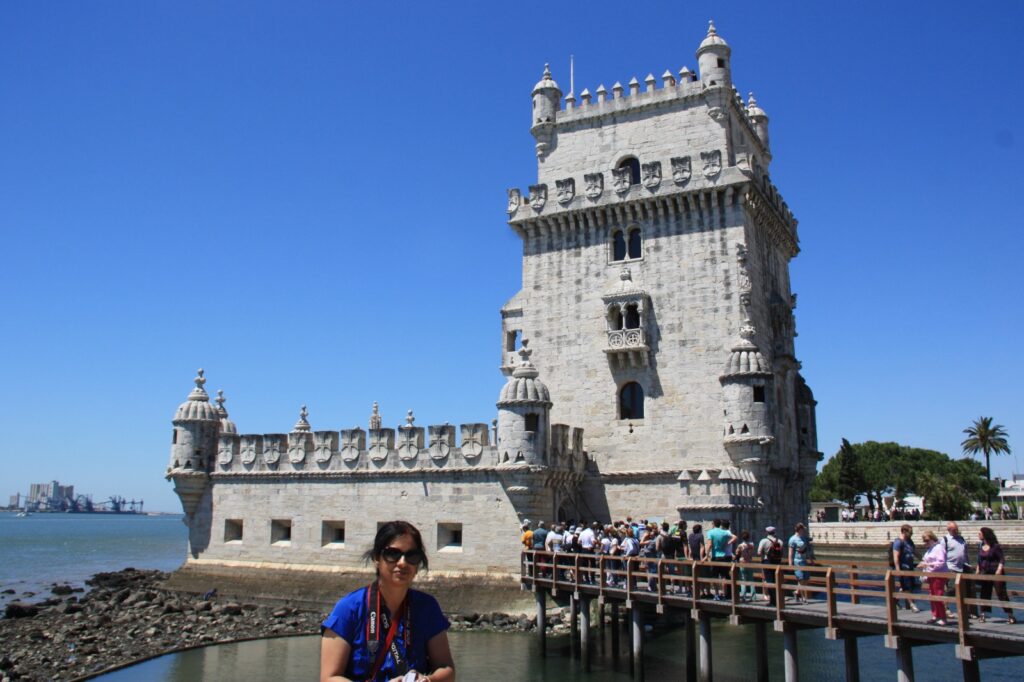
Iconic landmark of Lisbon – Belem Tower
Final Thoughts: Why Belem Belongs on Every Lisbon Itinerary
Belém combines Lisbon’s maritime past with modern culture, offering UNESCO monuments, riverside walks, and historic pastries at a 187-year-old bakery. It’s a district where history feels alive, yet you can still find quiet escapes and contemporary surprises.
The district has changed since my 2015 visit—more organized, more crowded, more strategic planning required. But that hasn’t diminished its appeal. If anything, knowing how to navigate Belém smartly makes the experience richer.
Whether you’re here for architecture, museums, or custard tarts, Belém delivers a complete travel experience.
Heading to Sintra next? Check out my guide on Sintra Post.
Have questions or Belém tips from your own visit? Drop them in the comments below.
Pin and Save this for Later
About the author
 Indrani Ghose is a travel blogger and photographer who has explored 15+ European countries across multiple trips. Based in Bangalore, she shares authentic travel experiences to help fellow travelers navigate the world more safely and confidently. You can follow her on her social media handles Instagram, Twitter and Facebook to see the wonderful destinations, beautiful offbeat places and get instant updates about them.








Love to see these historical places.. Your postings made me feel that I am already there in that place Indrani.. 🙂
Just the sort of place I find interesting, thoroughly enjoyed my virtual tour and catch up here. Thanks.
Lovely shots! I hope to visit Belem and Sintra next time I’m in Lisbon…
Looks so beautiful …you have written about the architecture too. The window design looks similar to Rajasthani Jharokas..that’s what I felt 🙂
Informative historical post !!
That tower looks like one of a kind. Interesting features. Those windows/ balconies look great on it.
Beautiful and very interesting !
A beautiful tower in a lovely cloudless sky!
Enjoy the weekend!
Sounds like a significant monument and gateway! Interesting architecture and apart the rope design, I love that little balcony
Excellent shots
The mind of a wanderer finds solace in the lap of unknown.
A beautiful monument and a nice click. 🙂
nicely shot.. Indrani you know what, I kept on feeling that its a Gurudwara.. dont know why.. but though in mind 🙂
Wow. For a tower built in the 16th century, its in pretty good condition.
Loved the last pic the best!!
What camera do you use Indrani? The pictures have amazing clarity..
Hi Richa the Camera Model is Canon EOS 7D Mark II.
Yes a good camera. 🙂
Very nice views of the tower.
Many greetings!
We were attacked by pickpockets on the underground in Rome, but a British man came to our rescue and got the purse back. I was so scared. This is a beautiful historical tower, and it is wonderful that is has been names a world heritage site. Thank you for sharing your photos.
It always amazes me how buildings like this have stood the test of time for so long. It looks fantastic here and you captured some great details of it. I enjoyed your photos very much.
Wonderful, Great pics
Have a nice weekend ahead.
It is so beautiful and your capture is superb as always!! This is one of my best memories of my visit to Lisbon some years ago!! Thanks for the memories!!!
What a lovely tower
Wonderful history post.
Hello, pretty views of the Tower and the river. It is sad about the pickpocketing. Great post and photos.
Happy Thursday, enjoy your weekend!