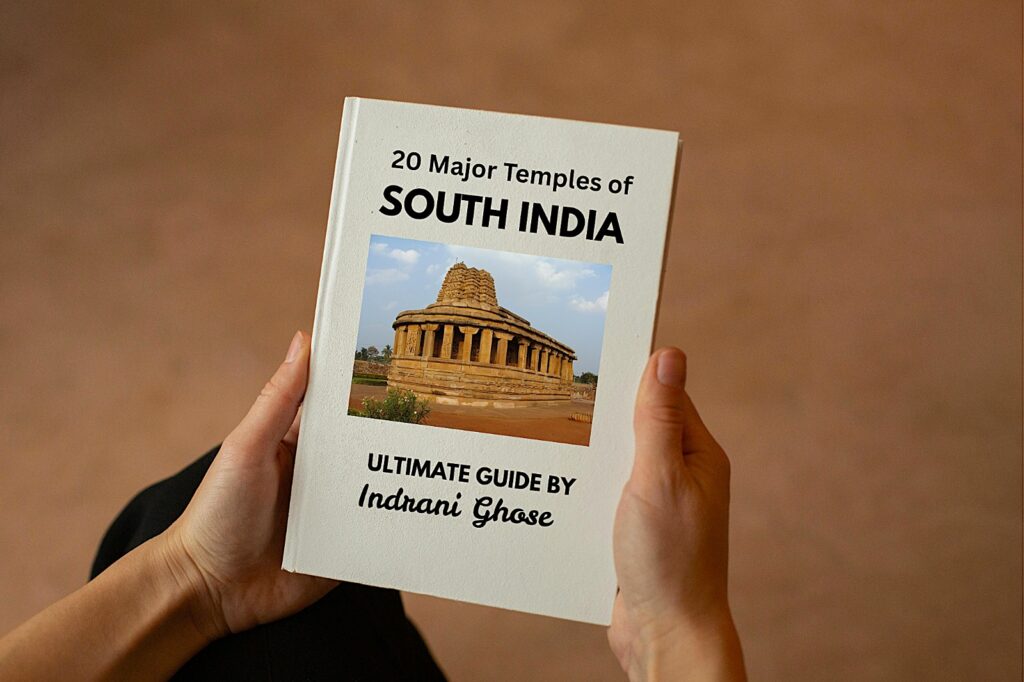
Ultimate Guide to Visiting 20 Famous South Indian Temples
This comprehensive guide is based on several years of temple travels across South India, visiting over 150, big and small, temples and documenting architectural heritage, festival traditions, and practical travel insights. As a heritage travel enthusiast and cultural researcher, I’ve personally experienced the spiritual energy, architectural magnificence, and logistical challenges of South India’s temple circuits.
South India’s temple landscape represents one of humanity’s greatest architectural and spiritual achievements. From the towering gopurams of Tamil Nadu to the intricate Hoysala sculptures of Karnataka, these 20 temples showcase 2,000 years of devotion carved in stone. This guide provides everything you need to plan your ultimate South Indian temple pilgrimage—whether you’re seeking spiritual awakening, architectural appreciation, or cultural immersion.
Guide to Visiting South India Temples
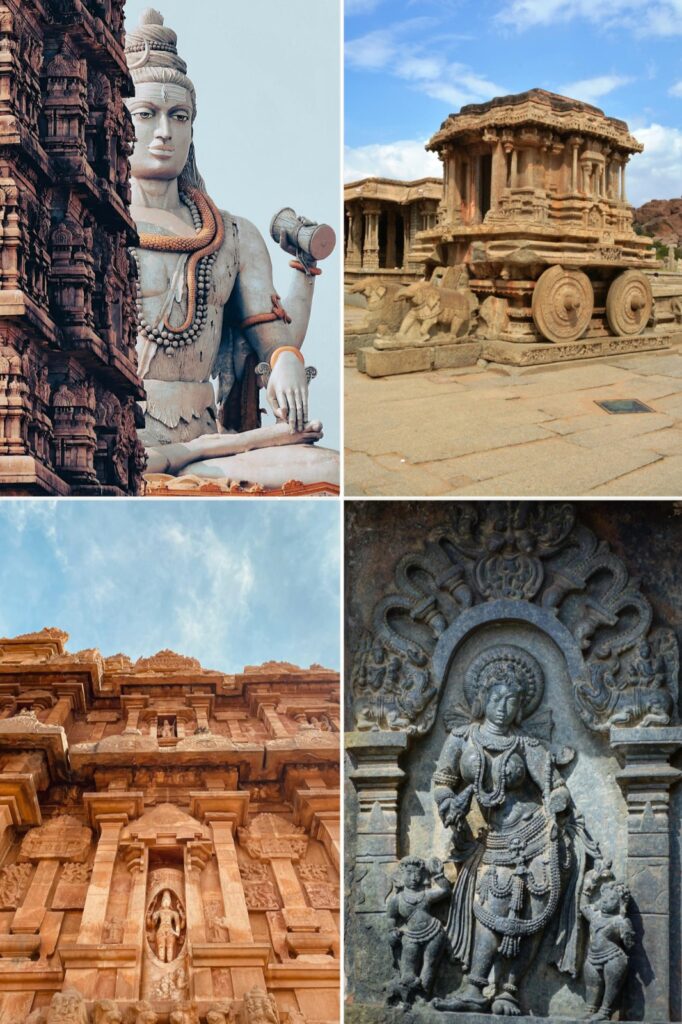
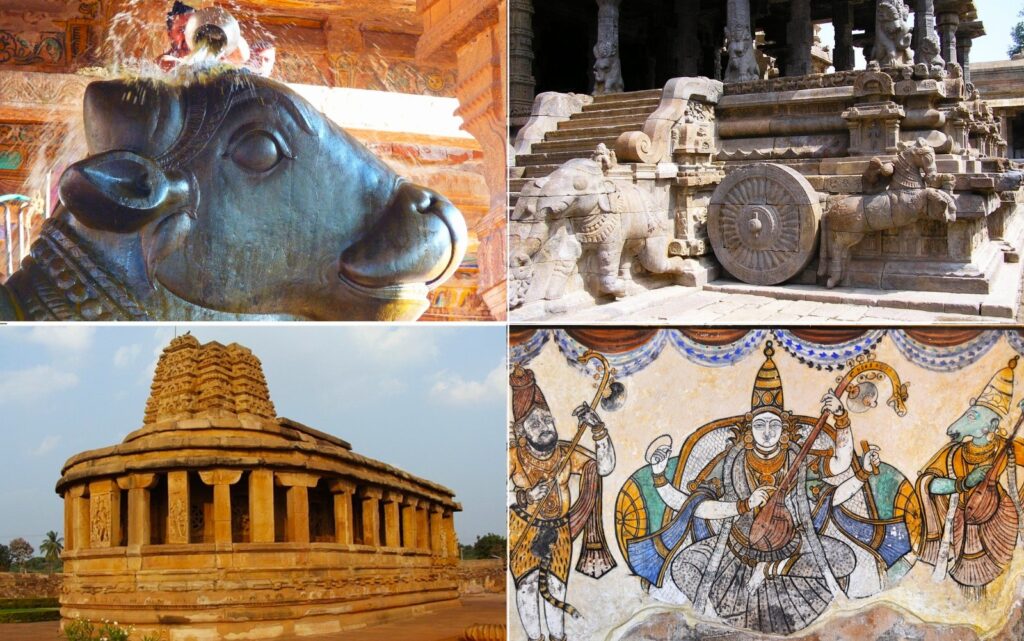
Quick Reference: 20 Must-Visit South Indian Temples
Tamil Nadu (9 temples):
- Meenakshi Amman Temple, Madurai – Dravidian architecture masterpiece
- Brihadeeswarar Temple, Thanjavur – UNESCO World Heritage site
- Ramanathaswamy Temple, Rameswaram – Longest temple corridor in India
- Sri Ranganathaswamy Temple, Srirangam – Largest functioning temple complex
- Shore Temple, Mahabalipuram – Ancient coastal shrine
- Ekambareswarar Temple, Kanchipuram – 3,500-year-old mango tree
- Arunachaleswarar Temple, Thiruvannamalai – Fire element representation
- Thanumalayan Temple, Suchindram – Rare Trimurti temple
- Chidambaram Thillai Nataraja Temple, Chidambaram – Chidambara Rahasyam
Karnataka (6 temples):
- Virupaksha Temple, Hampi – Spiritual heart of Vijayanagara
- Chennakeshava Temple, Belur – Hoysala architectural gem
- Murudeshwar Temple, Murudeshwar – India’s tallest Shiva statue
- Veera Narayana Temple, Belavadi – Triple sanctum design
- Sri Krishna Temple, Udupi – Dvaita philosophy center
- Durga Temple, Aihole – Early temple architecture
Kerala (4 temples):
- Padmanabhaswamy Temple, Thiruvananthapuram – World’s richest temple
- Guruvayur Sri Krishna Temple, Guruvayur – Kerala’s spiritual epicenter
- Sabarimala Ayyappa Temple, Pathanamthitta – Largest pilgrimage destination
- Attukal Bhagavathy Temple, Thiruvananthapuram, Kerala
Andhra Pradesh (1 temple):
- Tirupati Balaji Temple, Tirumala, Andhra Pradesh
South India Temples Guide
How to Use This Ultimate Temple Guide
This guide is structured for maximum practical utility:
- Each temple entry includes historical context, architectural highlights, festival calendar, and visitor logistics
- Regional groupings help you plan efficient circuits
- Personal insights from my temple visits provide authentic experiences
- Practical information covers timings, dress codes, and nearby attractions
- Interactive elements link to detailed individual temple posts
Recommended reading approach:
- Start with “Planning Your Temple Circuit” for route optimization
- Read temple entries relevant to your chosen regions
- Use “Quick Reference” for last-minute planning
- Bookmark individual temple links for detailed preparation
Suggested Travel Circuits
- Tamil Nadu Heritage Trail: Chennai → Mahabalipuram → Kanchipuram → Thanjavur → Madurai → Rameswaram → Thiruvannamalai
- Karnataka Temple Loop: Bengaluru → Belur → Hampi → Aihole → Murudeshwar → Udupi
- Kerala Spiritual Route: Kochi → Guruvayur → Thrissur → Thiruvananthapuram → Sabarimala
- Andhra–Telangana Axis: Tirupati → Srikalahasti → Hyderabad (optional)
Guide to Visiting South India Temples
20 Major Temples in South India
1. Meenakshi Amman Temple, Madurai, Tamil Nadu
Historical and Mythological Significance
Dedicated to Goddess Meenakshi and Lord Sundareswarar, this temple is rooted in Tamil legends and Sangam literature. It celebrates the divine marriage of Meenakshi and Shiva, symbolizing cosmic union. The celestial wedding reenactment during Chithirai made me feel like I’d stepped into a living epic.
Architectural Highlights
Spanning 14 acres, the temple features 12 towering gopurams, the tallest reaching 52 meters. The Hall of Thousand Pillars showcases exquisite sculptures and optical illusions.
Festivals and Rituals
The Chithirai Festival in April re-enacts Meenakshi’s wedding and draws millions. Daily rituals include abhisheka, aarti, and musical processions.
Travel Tips and Visitor Info
- Best Time: October–April
- Timings: 5 AM–12:30 PM; 4 PM–9:30 PM
- Dress Code: Modest traditional attire
- Access: Madurai Junction (rail); Madurai Airport (12 km)
Nearby Attractions
- Thirumalai Nayakkar Palace
- Gandhi Memorial Museum
- Alagar Kovil (30 km)
Further Reading:
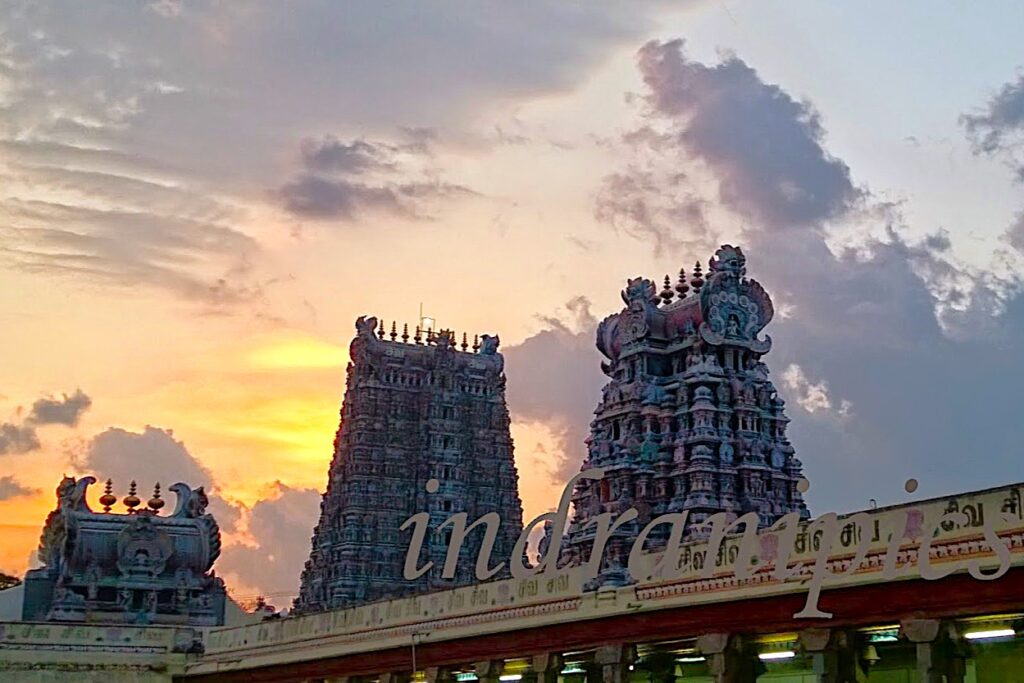
Gopurams of Meenakshi Amman Temple Madurai
2. Brihadeeswarar Temple, Thanjavur, Tamil Nadu
Historical and Mythological Significance
Built by Raja Raja Chola I in 1010 CE, this UNESCO World Heritage site honors Lord Shiva. It symbolizes Chola imperial power and devotion.
Architectural Highlights
The 60-meter vimana is carved from granite and capped with a single 80-ton stone. Frescoes and inscriptions reveal Chola life and rituals. I stood in awe beneath the granite dome, imagining the artisans who shaped it without modern tools.
Festivals and Rituals
Major events include Mahashivaratri and Raja Raja Chola’s birth anniversary. Daily rituals follow Agamic traditions.
Travel Tips and Visitor Info
- Best Time: November–March
- Timings: 6 AM–12.30 PM; 4 PM–8.30 PM
- Access: Thanjavur Railway Station; Tiruchirapalli Airport (60 km)
Nearby Attractions
- Thanjavur Royal Palace
- Saraswathi Mahal Library
- Airavatesvara Temple (35 km)
Further reading
Here is an interesting story of Brihadeeswarar Temple – Missing Brihadeeswarar Temple Shadow
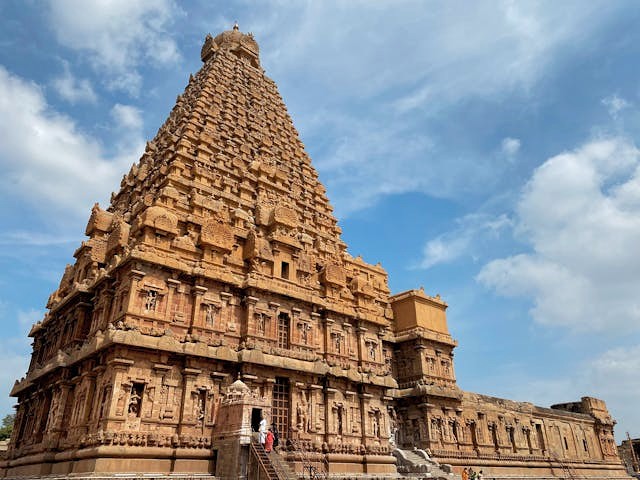
Sri Vimana of the Thanjavur Temple
3. Ramanathaswamy Temple, Rameswaram, Tamil Nadu
Historical and Mythological Significance
One of the 12 Jyotirlingas, this temple is linked to the Ramayana. Lord Rama is said to have worshipped Shiva here before crossing to Lanka.
Architectural Highlights
Famous for its 1,200-meter corridor — the longest in any Hindu temple. The temple houses 22 sacred wells for ritual purification. For devotees each dip in the temple’s wells feels like washing away layers of worldly dust.
Festivals and Rituals
Mahashivaratri and Aadi Thiruvizha are key festivals. Pilgrims bathe in the wells before darshan.
Travel Tips and Visitor Info
- Best Time: October–April
- Timings: 5 AM–1 PM; 3 PM–9 PM
- Access: Rameswaram Railway Station; Madurai Airport (170 km)
Nearby Attractions
- Dhanushkodi Beach
- Pamban Bridge
- Gandhamadhana Parvatham
Further Reading:
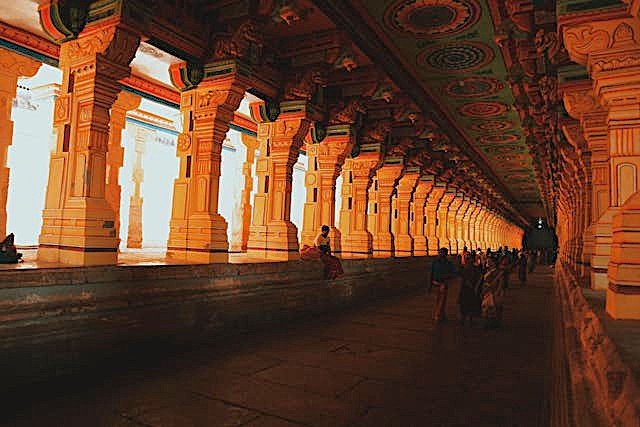
Columns of Ramanathaswamy Temple in India
4. Sri Ranganathaswamy Temple, Srirangam, Tamil Nadu
Historical and Mythological Significance
A Divya Desam and Vaishnavite epicentre, this temple is dedicated to Lord Ranganatha (Vishnu). It’s mentioned in Alwar hymns and Tamil epics.
Architectural Highlights
Largest functioning temple complex in India, with seven concentric enclosures and 21 gopurams. The Rajagopuram stands 73 meters tall. The temple’s layered enclosures felt like walking deeper into the heart of devotion.
Festivals and Rituals
Vaikunta Ekadashi and Panguni Uthiram are major events. Rituals follow Sri Vaishnava traditions.
Travel Tips and Visitor Info
- Best Time: December–March
- Timings: 6 AM–9 PM
- Access: Tiruchirappalli Junction (rail); Trichy Airport (15 km)
Nearby Attractions
- Rockfort Temple
- Jambukeswarar Temple
- Kallanai Dam
Further Reading:
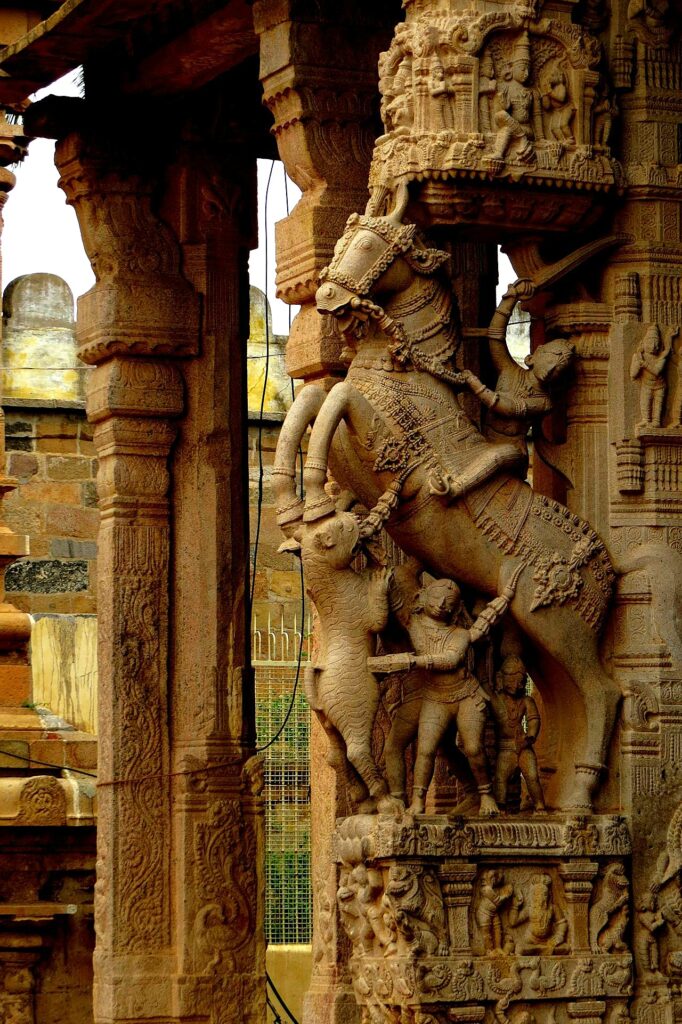
Sculptures in Ranganathaswamy Temple
5. Shore Temple, Mahabalipuram, Tamil Nadu
Historical and Mythological Significance
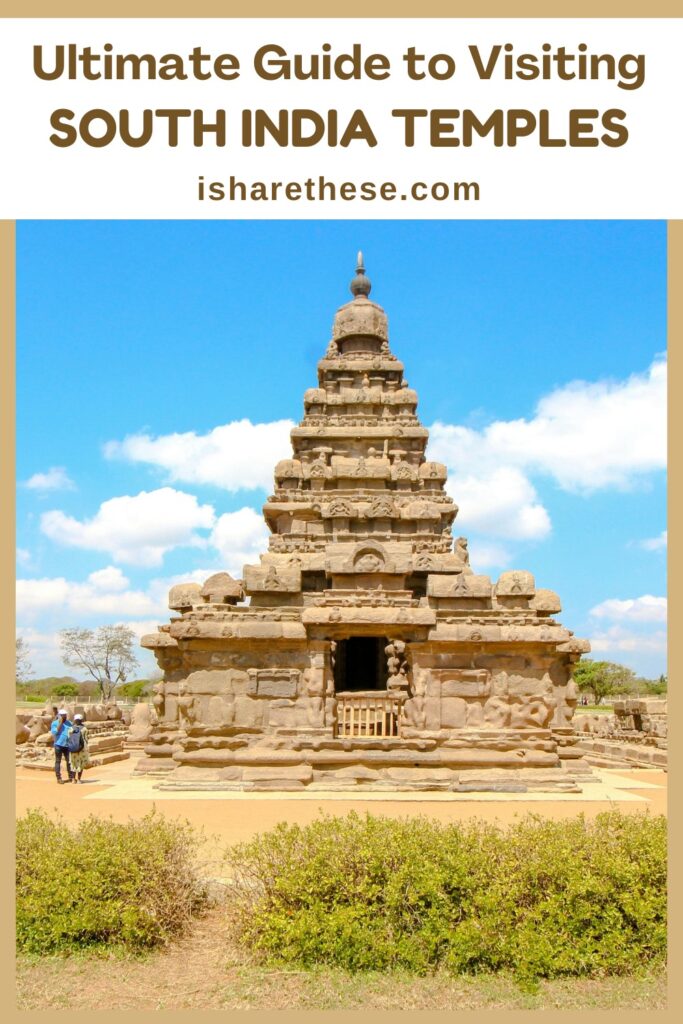
Built by the Pallavas in the 8th century, this UNESCO site is one of the oldest structural temples in South India. It honors both Shiva and Vishnu.
Architectural Highlights
Constructed from granite blocks, the temple faces the Bay of Bengal. It features twin shrines and intricate carvings of deities and animals. As waves crash nearby, the temple stands timeless — a sentinel of stone and salt.
Festivals and Rituals
The Mahabalipuram Dance Festival in January showcases classical performances against the temple backdrop.
Travel Tips and Visitor Info
- Best Time: November–February
- Timings: 6 AM–6 PM
- Access: Chennai (60 km); well-connected by road
Nearby Attractions
- Five Rathas
- Arjuna’s Penance
- Krishna’s Butterball
Further Readings:
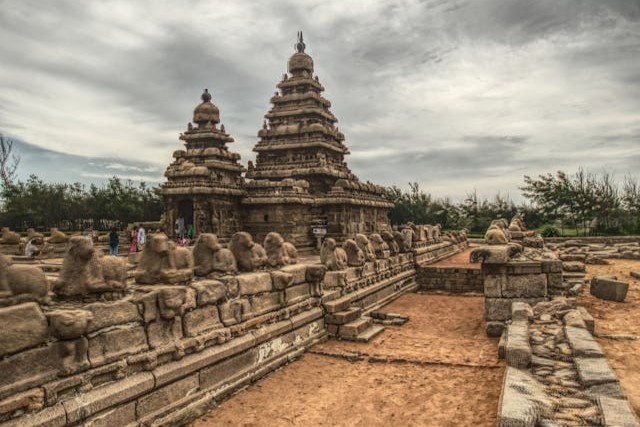
Mahabalipuram Shore Temple
6. Ekambareswarar Temple, Kanchipuram, Tamil Nadu
Historical and Mythological Significance
One of the five Pancha Bhoota Sthalams, representing the Earth element, this temple is associated with Parvati’s penance under a mango tree to win Shiva’s hand. It’s revered in Saivaite texts and Tamil devotional poetry.
Architectural Highlights
Spanning 25 acres, the temple features a 59-meter gopuram and a sanctum built without wood. The ancient mango tree in the courtyard is believed to be over 3,500 years old. I touched the tree said to be 3,500 years old — and felt history breathe.
Festivals and Rituals
Panguni Uthiram and Mahashivaratri are major festivals. Daily rituals include abhishekam, aarti, and prasad distribution.
Travel Tips and Visitor Info
- Best Time: November–March
- Timings: 6 AM–12.30 PM; 4 PM–8.30 PM
- Access: Kanchipuram Railway Station; Chennai Airport (75 km)
Nearby Attractions
- Kailasanathar Temple
- Kamakshi Amman Temple
- Varadaraja Perumal Temple
Further Readings:
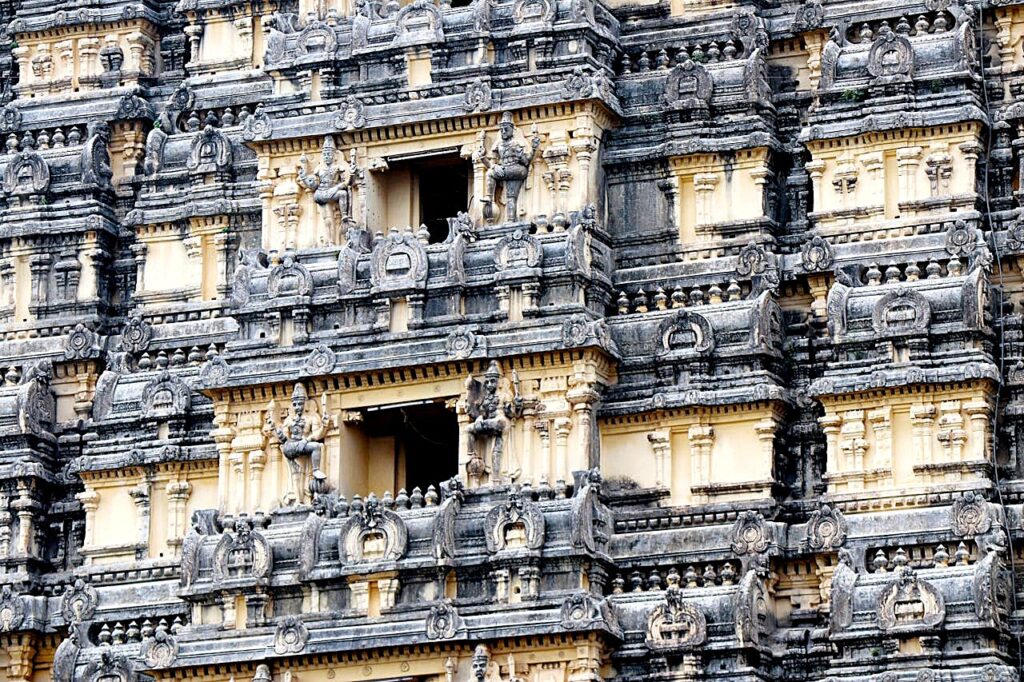
Exterior Details of Ekambaranathar Temple
7. Arunachaleswarar Temple, Thiruvannamalai, Tamil Nadu
Historical and Mythological Significance
Arunachaleswarar Temple is one of the five Pancha Bhoota Sthalams, representing the element of Fire (Agni) in Shaivism. Rooted in ancient lore, it’s believed that Lord Shiva manifested as a column of fire here to humble Brahma and Vishnu. The temple has been a spiritual beacon for centuries, with inscriptions dating back to the Chola dynasty and contributions from Vijayanagara rulers.
Architectural Highlights
Spread across 25 acres, the temple boasts four towering gopurams, the tallest being the Rajagopuram at 66 meters. The inner sanctum houses the Agni Lingam, and the temple’s layout aligns with sacred geometry principles. The Thousand Pillar Hall, intricately carved corridors, and the massive temple tanks add to its grandeur.
Festivals and Rituals
The most iconic celebration here is the Karthigai Deepam, held in November–December. A giant flame is lit atop Arunachala Hill, symbolizing Shiva’s fiery form. Devotees also perform Girivalam — a 14-km barefoot circumambulation of the hill during full moon nights, believed to cleanse karma and awaken spiritual energy.
I saw devotees join the Girivalam under a full moon, surrounded by chants and camphor-lit shrines. Each step felt like a prayer, each breath a surrender. Arunachala doesn’t just host a temple — it radiates one. Someday I have to do it too.
Travel Tips and Visitor Info
- Best Time to Visit: October to March (especially during Karthigai Deepam)
- Darshan Timings: 5.30 AM – 8.30 PM
- Dress Code: Traditional attire recommended; modest clothing required
- Photography: Restricted inside sanctum; permitted in outer corridors
- Accessibility: Well-connected by road and rail; nearest airport is Chennai (185 km)
Nearby Attractions and Itinerary Ideas
- Arunachala Hill: Trek to the summit for panoramic views and spiritual solitude
- Ramana Maharshi Ashram: A serene retreat for meditation and Vedantic study
- Yogi Ramsuratkumar Ashram: Another spiritual stop for seekers
- Itinerary Tip: Combine with Kanchipuram and Chidambaram for a Shaiva circuit
Further Reading:
Tiruvannamalai Arunachaleswarar Temple Architecture
Arunachaleswarar Temple Tiruvannamalai: Complete Guide
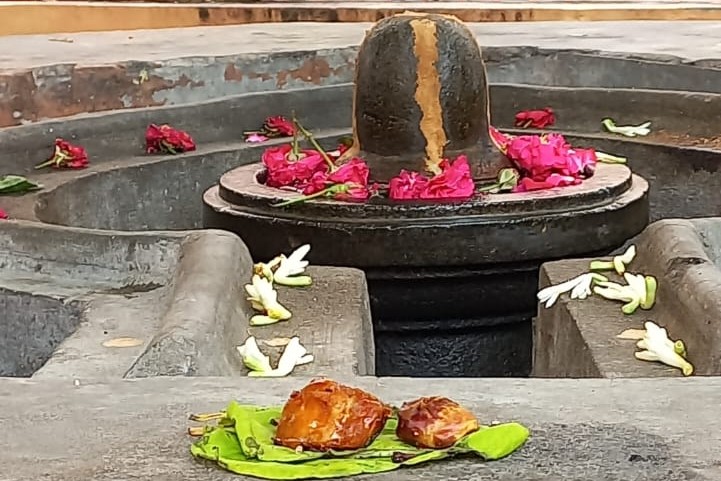
Shrine in Arunachaleswar Temple
8. Thanumalayan Temple, Suchindram, Tamil Nadu
Historical and Mythological Significance
This rare temple honors the Trimurti — Brahma, Vishnu, and Shiva — in a single sanctum. Legends say Indra was absolved of sin here, making it a site of purification.
Architectural Highlights
Features musical pillars, a 22-foot Hanuman statue, and intricate carvings. The temple blends Kerala and Tamil architectural styles. The temple has musical pillars and rich iconography. Where else can you hear stone sing and see Brahma, Vishnu, and Shiva share a sanctum?
Festivals and Rituals
Car Festival and Navaratri are celebrated with grandeur. Daily rituals include multiple aartis and abhishekams.
Travel Tips and Visitor Info
- Best Time: October–February
- Timings: 4.30 AM–11.30 AM; 5 PM–8.30 PM
- Access: Nagercoil Railway Station; Trivandrum Airport (70 km)
Nearby Attractions
- Vivekananda Rock Memorial
- Padmanabhapuram Palace
- Kanyakumari Beach
Further Reading:
Suchindram Thirumalayan Temple
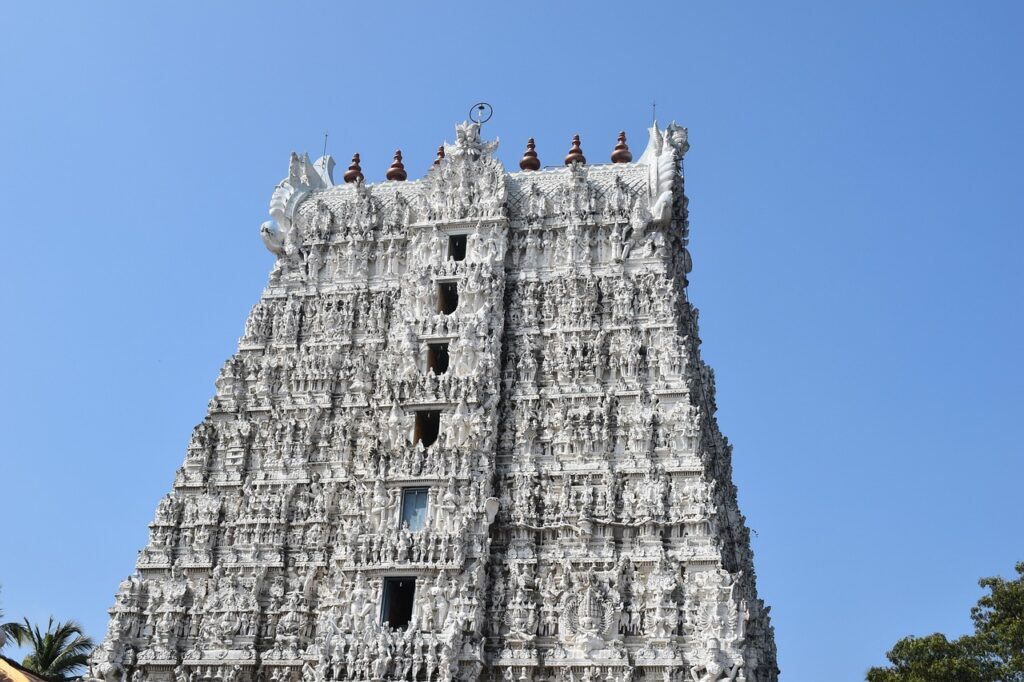
Thanumalayan Temple
9. Thillai Nataraja Temple, Chidambaram, Tamil Nadu
Historical and Mythological Significance
The temple’s mythology is centered around Lord Shiva’s celestial performance of the Ananda Tandava (the cosmic dance of bliss). Sages Patanjali and Vyaghrapada are said to have witnessed this divine event here, making it the definitive stage for the cosmic dancer.
Architectural Highlights
While ancient in its origins, the temple’s current magnificent structure owes much to the patronage of the Chola dynasty, who considered Nataraja their family deity (Kulanayakam) and famously gilded the roof of the main sanctum. The Pandyas, Pallavas, and Vijayanagara kings also made significant contributions. A quintessential masterpiece of Dravidian architecture.
Festivals and Rituals
The two grandest festivals are the Arudra Darisanam (celebrated during the full moon in the Tamil month of Margazhi, December-January) and the Aani Thirumanjanam (in the month of Aani, June-July).
Travel Tips and Visitor Info
- Best Time: The cooler, dry months from October to March are ideal.
- Timings: General entry is free.
Temple timings are typically 6 AM to 12.30 PM and 4.30 PM to 10 PM. - Access: Chidambaram Railway Station; Puducherry Airport located around 65 km
Nearby Attractions
- Pichavaram Mangrove Forest (15 km away),
- Virudhagirishvarar Temple (44.7 km away)
- Gangaikonda Cholapuram (50 km)
Further Reading:
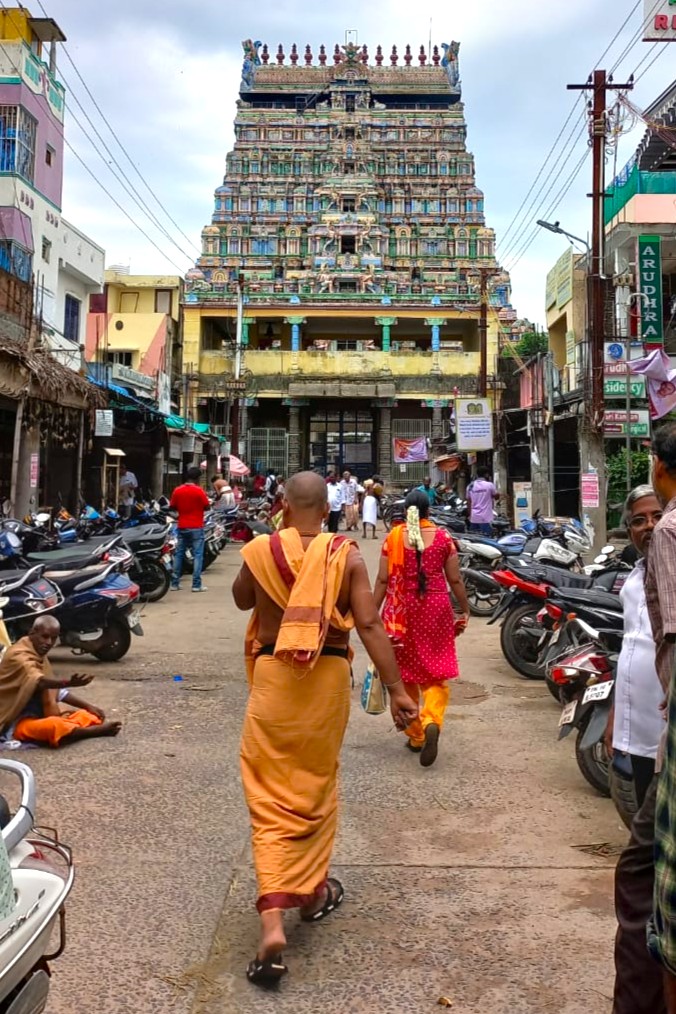
Chidambaram Temple Gopuram
10. Virupaksha Temple, Hampi, Karnataka
Historical and Mythological Significance
Dedicated to Lord Shiva, this temple predates the Vijayanagara Empire and was expanded during its reign. It’s considered the spiritual nucleus of Hampi.
Architectural Highlights
The 50-meter gopuram, pillared halls, and murals reflect Vijayanagara artistry. The temple aligns with the Tungabhadra River, enhancing its sacred geometry. Even in ruins, Hampi’s soul pulses through Virupaksha’s sanctum.
Festivals and Rituals
Chariot Festival and Pampa Devi celebrations are major events. Rituals include abhishekam and processions.
Travel Tips and Visitor Info
- Best Time: October–February
- Timings: 6 AM–1 PM; 5 PM–9 PM
- Access: Hospet Railway Station; Hubli Airport (160 km)
Nearby Attractions
- Hampi ruins
- Vittala Temple
- Lotus Mahal
Further Reading:
Virupaksha Temple, Hampi – History, Description and Facts
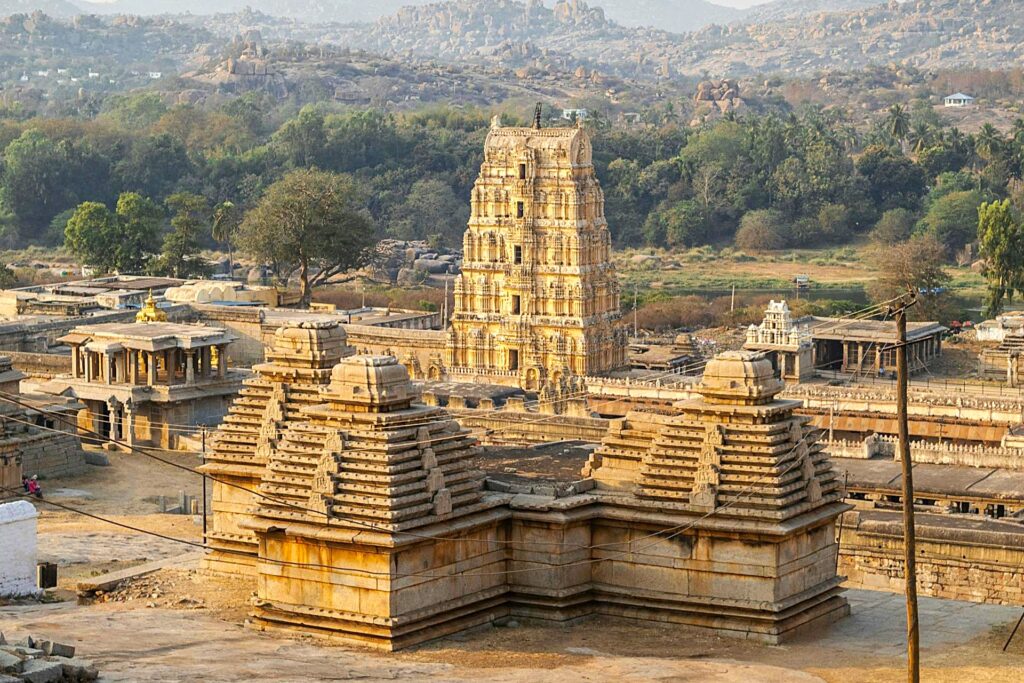
Virupaksha Temple, Hampi
11. Chennakeshava Temple, Belur, Karnataka
Historical and Mythological Significance
Commissioned by King Vishnuvardhana in 1117 CE to commemorate his conversion to Vaishnavism. It’s dedicated to Vishnu as Chennakeshava (“Handsome Vishnu”).
Architectural Highlights
A Hoysala gem with star-shaped platform, intricate friezes, and lathe-turned pillars. Sculptures depict epics, dancers, and celestial beings. I spent hours tracing stories etched in stone — each panel a frozen dance.
Festivals and Rituals
Chennakeshava Rathotsava in April is the main festival. Daily rituals follow Vaishnavite customs.
Travel Tips and Visitor Info
- Best Time: November–March
- Timings: 7.30 AM–6.30 PM
- Access: Hassan Railway Station; Bengaluru Airport (220 km)
Nearby Attractions
- Halebidu Temple
- Yagachi Dam
- Belavadi Temple
Further Reading:
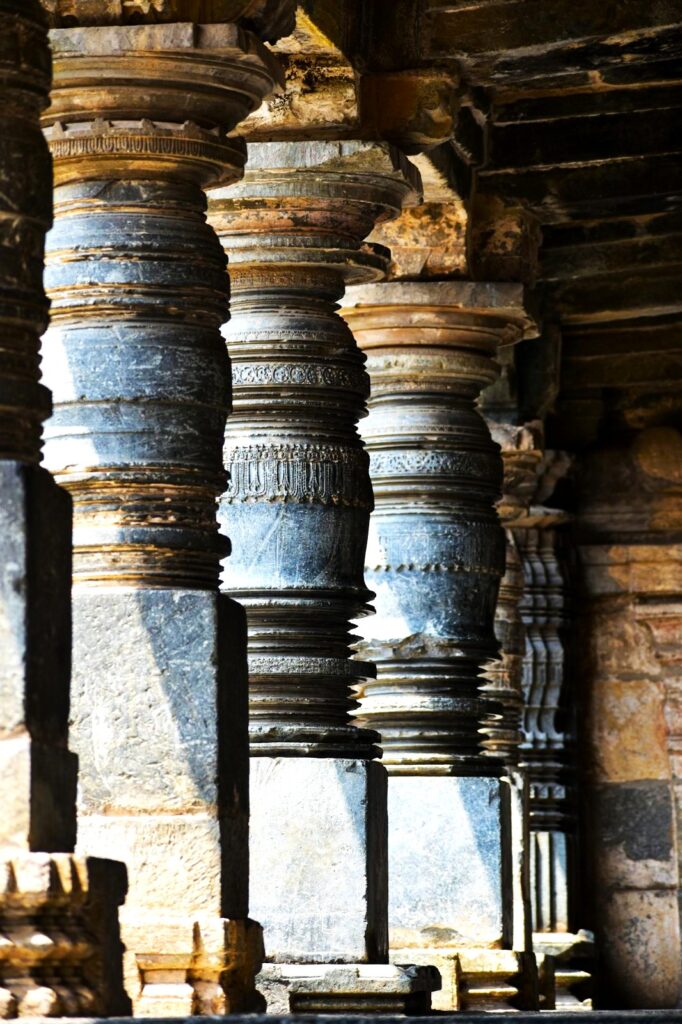
Monumental Columns Chennakesava Temple
12. Murudeshwar Temple, Murudeshwar, Karnataka
Historical and Mythological Significance
Built around the Atma Linga legend, this temple honors Lord Shiva. It’s associated with Ravana’s penance and the Mahabaleshwar narrative.
Architectural Highlights
Home to India’s tallest Shiva statue (123 feet) and a 20-story gopuram with elevator access. Located on a cliff overlooking the Arabian Sea. The sea breeze and Shiva’s towering gaze made for a surreal darshan.
Festivals and Rituals
Mahashivaratri and Karthika Deepam are celebrated. Daily rituals include abhishekam and aarti.
Travel Tips and Visitor Info
- Best Time: October–March
- Timings: 6 AM–8 PM
- Access: Murudeshwar Railway Station; Mangalore Airport (150 km)
Nearby Attractions
- Netrani Island (scuba diving)
- Murudeshwar Beach
- Gokarna (90 km)
Further Readings:
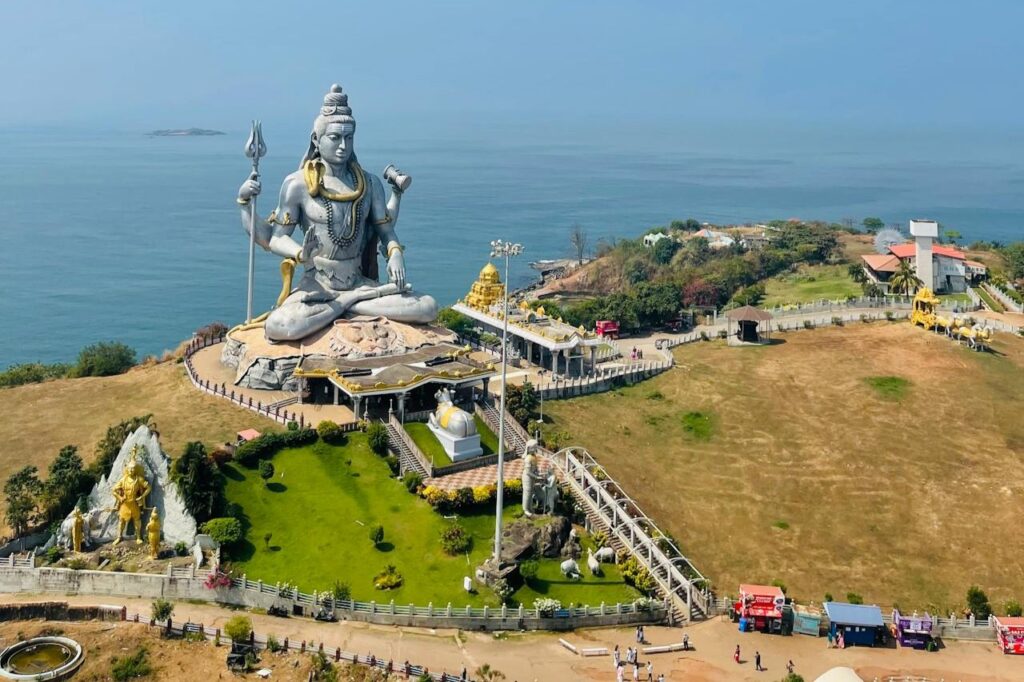
Murudeshwar
13. Veera Narayana Temple, Belavadi, Karnataka
Historical and Mythological Significance
Built in the 12th century by Hoysala rulers, this temple is dedicated to Vishnu in three forms: Veera Narayana, Gopalakrishna, and Lakshmi Narayana.
Architectural Highlights
Triple sanctum layout, ornate ceilings, and symmetrical design. Less touristy, ideal for heritage enthusiasts. Off the tourist trail, this temple whispers secrets of symmetry and silence.
Festivals and Rituals
Vaikunta Ekadasi and Krishna Janmashtami are key events. Rituals are simple and serene.
Travel Tips and Visitor Info
- Best Time: November–March
- Timings: 7 AM–7 PM
- Access: Chikmagalur (35 km); Hassan (40 km)
Nearby Attractions
- Belur and Halebidu
- Coffee estates of Chikmagalur
- Yagachi River
Further Readings:
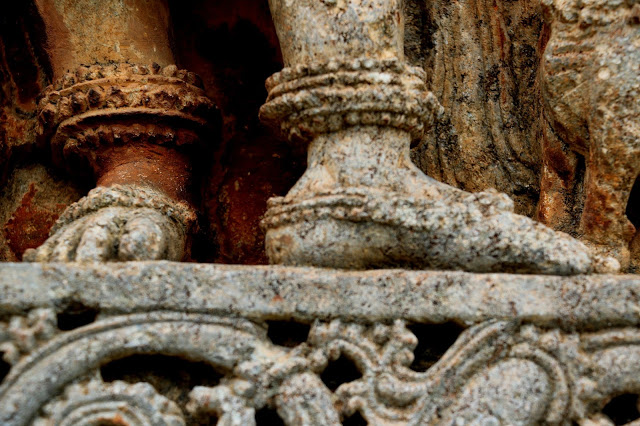
Veeranarayana Temple Belavadi – Sculpture
14. Sri Krishna Temple, Udupi, Karnataka
Historical and Mythological Significance
Founded by Madhvacharya in the 13th century, this temple is central to the Dvaita philosophy. Krishna is worshipped through a window called Kanakana Kindi.
Architectural Highlights
Wooden carvings, gold chariot, and eight mathas surrounding the temple. The sanctum is small but spiritually intense. Peeking through the window felt like Krishna was playing hide-and-seek with my soul.
Festivals and Rituals
Krishna Janmashtami and Paryaya Festival (every two years) are major events. Rituals include elaborate pujas and prasadam.
Travel Tips and Visitor Info
- Best Time: August–February
- Timings: 5 AM–9 PM
- Access: Udupi Railway Station; Mangalore Airport (60 km)
Nearby Attractions
- Malpe Beach
- St. Mary’s Island
- Anantheshwara Temple
Further Readings
Sri Krishna Mutt Temple in Udupi
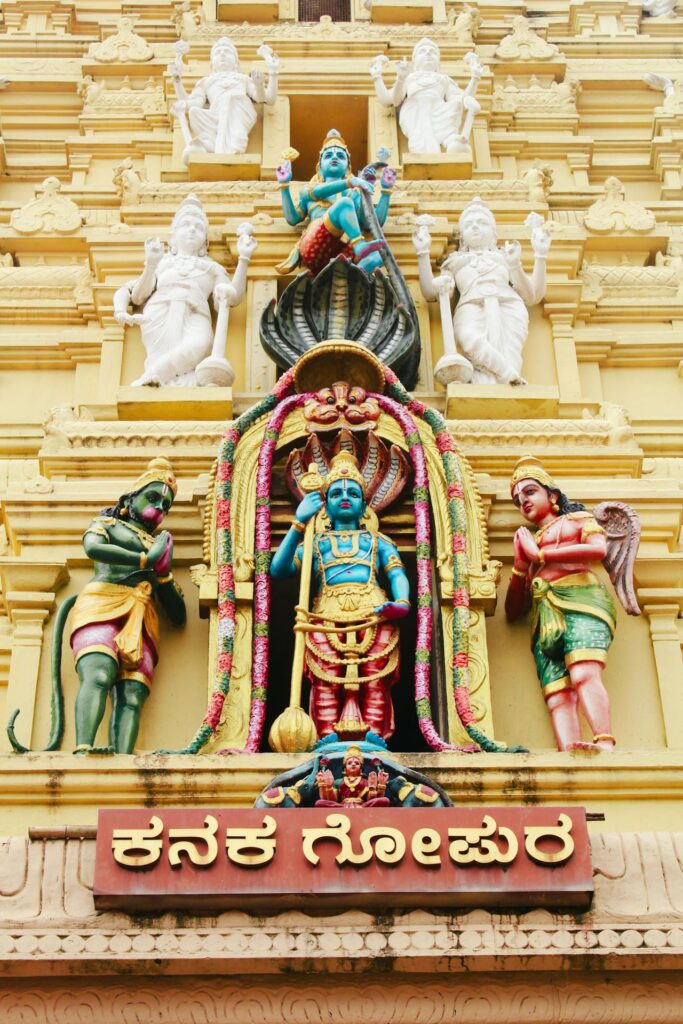
Sri Krishna Matha Temple, Udupi, Karnataka
15. Durga Temple, Aihole, Karnataka
Historical and Mythological Significance
Despite its name, the Durga Temple isn’t dedicated to Goddess Durga — the term “Durga” here refers to the nearby fort (“Durg”). Built by the Chalukyas in the 7th–8th century, it’s one of the earliest examples of Hindu temple architecture and a key site in India’s architectural evolution.
Architectural Highlights
The temple features an apsidal (horseshoe-shaped) sanctum, elevated plinth, and pillared corridor. Sculptural panels depict scenes from the Ramayana, Mahabharata, and various deities including Mahishasura Mardini and Vishnu avatars. Aihole’s Durga Temple felt like the blueprint of South Indian sacred geometry.
Festivals and Rituals
While the temple is no longer active for daily worship, it’s a major stop during heritage walks and archaeological tours. Local festivals often include cultural performances near the site.
Travel Tips and Visitor Info
- Best Time: October–March
- Timings: 6 AM–6 PM
- Access: Bagalkot (34 km); Hubli Airport (140 km)
Nearby Attractions
- Pattadakal (UNESCO site)
- Badami Cave Temples
- Aihole Archaeological Museum
Further Reading:
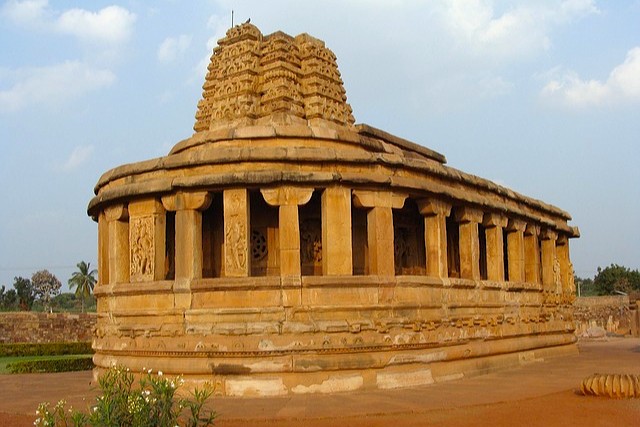
Aihole Durga Temple
16. Padmanabhaswamy Temple, Thiruvananthapuram, Kerala
Historical and Mythological Significance
Dedicated to Lord Vishnu in the reclining Anantha Shayana posture, this temple is one of the 108 Divya Desams and is famed for its immense wealth and spiritual legacy. It’s closely tied to the Travancore royal family, who remain its ceremonial custodians.
Architectural Highlights
A fusion of Kerala and Dravidian styles, the temple features a golden sanctum, intricate murals, and a massive corridor. The deity is visible through three doors, symbolizing cosmic dimensions. The sanctum’s golden aura and strict traditions reminded me that reverence is timeless.
Festivals and Rituals
Alpashy and Painkuni festivals, held biannually, include processions with royal umbrellas and traditional music. Daily rituals follow strict Vaishnavite customs.
Travel Tips and Visitor Info
- Best Time: October–February
- Timings: 3.30 AM–12 PM; 5 PM–7.30 PM
- Dress Code: Strict — only traditional Indian attire allowed
- Access: Trivandrum Central (rail); Trivandrum Airport (6 km)
Nearby Attractions
- Napier Museum
- Kovalam Beach
- Kuthiramalika Palace
Further Reading:
Padmanabhaswamy Temple, Thiruvananthapuram
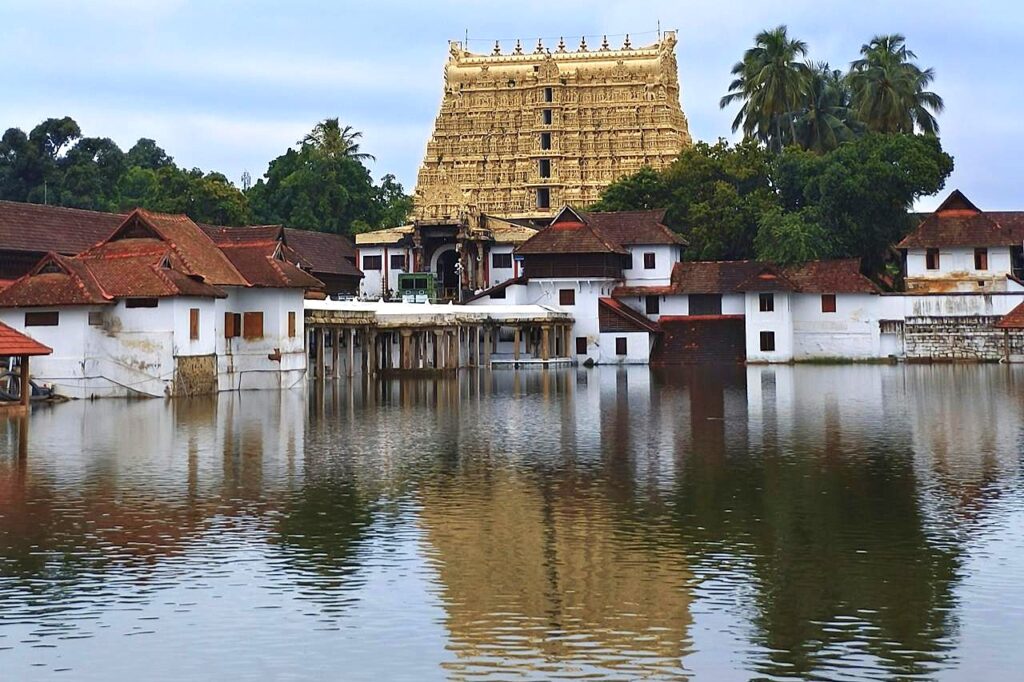
Padmanabhaswamy Temple
17. Guruvayur Sri Krishna Temple, Guruvayur, Kerala
Historical and Mythological Significance
Known as the Dwarka of the South, this temple is dedicated to Lord Krishna in his child form. It’s a major pilgrimage site for Hindus across Kerala and Tamil Nadu, and is deeply embedded in devotional literature and Bhakti traditions. The temple is known for weddings and daily rituals. Watching newlyweds circle the sanctum, I saw devotion dressed in jasmine
Architectural Highlights
The temple follows Kerala-style architecture with sloping roofs, wooden carvings, and a gold-plated flag mast. The sanctum is small but spiritually intense, with a continuous flow of devotees.
Festivals and Rituals
Krishna Janmashtami, Chembai Music Festival, and Ekadasi Vilakku are major events. Daily rituals include Nirmalya Darshan, Udayasthamana Pooja, and elephant processions.
Travel Tips and Visitor Info
- Best Time: August–February
- Timings: 3 AM–12.30 PM; 4.30 PM–9.15 PM
- Access: Thrissur (29 km); Cochin Airport (80 km)
Nearby Attractions
- Mammiyoor Shiva Temple
- Punnathur Kotta (Elephant Sanctuary)
- Chavakkad Beach
Further Reading:
Guruvayur Sri Krishna Temple, Guruvayur
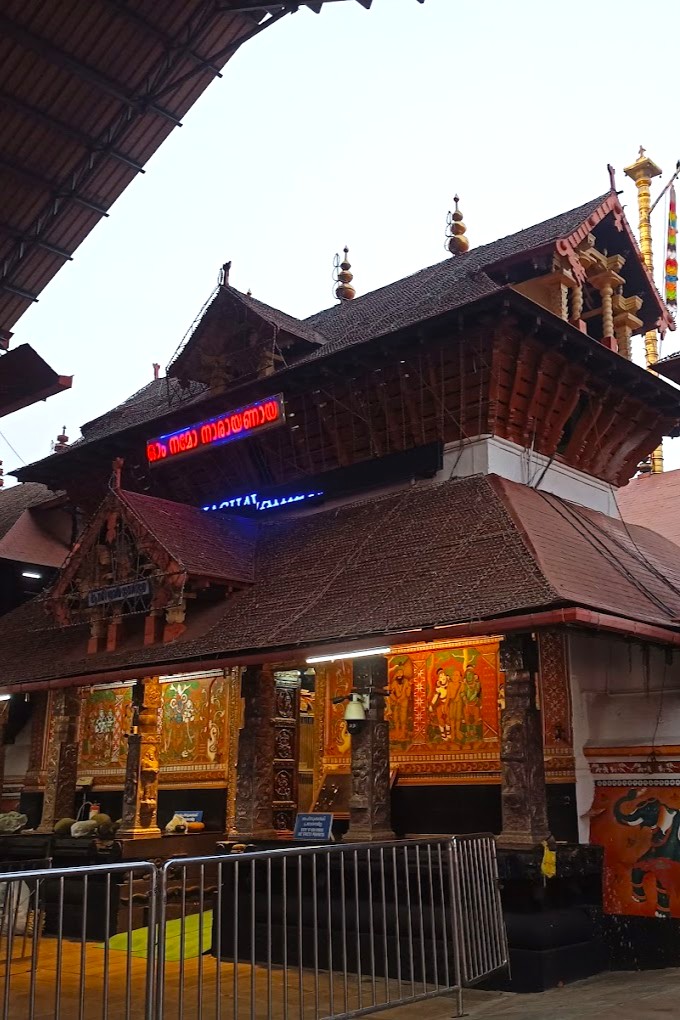
Guruvayurappan Temple – South India Temples Guide
18. Sabarimala Ayyappa Temple, Pathanamthitta, Kerala
Historical and Mythological Significance
Dedicated to Lord Ayyappa, this temple is nestled in the Western Ghats and symbolizes celibacy, penance, and dharma. It’s linked to the legend of Ayyappa defeating Mahishi and is one of the largest annual pilgrimages in the world.
Architectural Highlights
The temple is modest in structure but profound in symbolism. The 18 sacred steps represent spiritual disciplines, and the sanctum is surrounded by dense forest. The climb to Sabarimala is not just physical — it is a shedding of ego.”
Festivals and Rituals
Mandala Pooja (Nov–Dec) and Makaravilakku (Jan) are peak seasons. Devotees observe a 41-day vratham before undertaking the trek.
Travel Tips and Visitor Info
- Best Time: November–January
- Access: Pamba base camp; nearest railhead is Chengannur (90 km); Cochin Airport (160 km)
- Note: Only men and post-menopausal women are allowed; strict dress and conduct codes apply
Nearby Attractions
- Perunthenaruvi Waterfalls
- Aranmula Parthasarathy Temple
- Gavi Eco-tourism
Further Readings:
Sabarimala Ayyappa Temple, Pathanamthitta
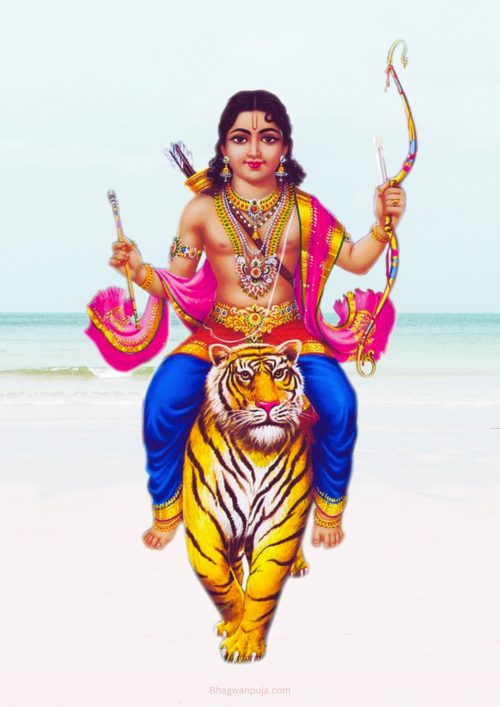
Ayyappaswamy on his Vaahan (vehicle) – Tiger
19. Attukal Bhagavathy Temple, Thiruvananthapuram, Kerala
Historical and Mythological Significance
Dedicated to Goddess Kannaki, an incarnation of Parvati, this temple celebrates feminine power and justice. It’s associated with the Tamil epic Silappathikaram and revered for its maternal energy.
Architectural Highlights
The temple features Kerala-style architecture with vibrant murals and a sanctum that radiates warmth and intimacy. The deity is adorned in traditional Kerala attire.
Festivals and Rituals
Attukal Pongala holds the Guinness World Record for the largest gathering of women for a religious event. Millions cook offerings in earthen pots along city streets. The scent of rice and firewood during Pongala felt like a collective offering of strength.
Travel Tips and Visitor Info
- Best Time: February–March (Pongala); October–February for general visits
- Timings: 4:30 AM–8:30 PM
- Access: Trivandrum Central (rail); Trivandrum Airport (7 km)
Nearby Attractions
- Padmanabhaswamy Temple
- Veli Tourist Village
- Shanghumugham Beach
Further Reading:

Attukal Bhagavathy Kshetram
20. Tirupati Balaji Temple, Tirumala, Andhra Pradesh
Historical and Mythological Significance
Dedicated to Lord Venkateswara, this temple is one of the richest and most visited religious sites globally. It’s believed Vishnu incarnated here to save mankind during Kali Yuga.
Architectural Highlights
The temple follows Dravidian architecture with a gold-plated sanctum, intricate carvings, and a seven-tiered gopuram. The deity is adorned with jewels and silk, and the temple’s laddu prasadam is iconic.
Festivals and Rituals
Brahmotsavam, Vaikunta Ekadasi, and Rathasapthami are major festivals. Daily rituals are highly structured, with thousands of devotees participating in darshan and seva. The moment I saw Balaji’s eyes; I understood why millions return — again and again.
Travel Tips and Visitor Info
- Best Time: September–March
- Timings: 2.30 AM–11 PM (varies by darshan type)
- Access: Tirupati Railway Station; Tirupati Airport (15 km); buses to Tirumala
Nearby Attractions
- Sri Kalahasti Temple
- Chandragiri Fort
- Kapila Theertham
Further Readings:
Tirupati Balaji Temple, Tirumala
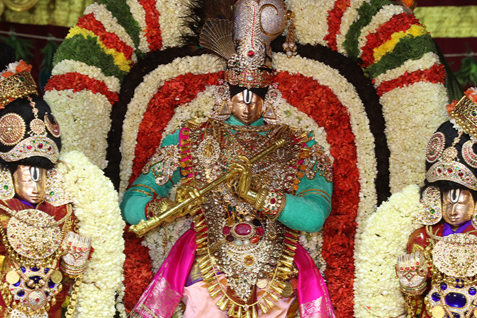
Tirupati Balaji Temple
Planning Your Temple Circuit: Best Routes by Region
Classic Tamil Nadu Circuit (10-14 days):
- Route 1: Chennai → Mahabalipuram → Kanchipuram → Chidambaram → Kumbakonam → Thanjavur → Trichy (Srirangam) → Madurai → Rameswaram → Thiruvannamalai
- Total Distance: ~1,200 km
- Best Season: November-March
Karnataka Heritage Trail (7-10 days):
- Route 2: Bangalore → Belur → Halebidu → Hassan → Hampi → Murudeshwar → Udupi
- Total Distance: ~800 km
- Best Season: October-February
Kerala Spiritual Sojourn (5-7 days):
- Route 3: Kochi → Guruvayur → Thiruvananthapuram → Sabarimala
- Total Distance: ~400 km
- Best Season: August-February (avoid monsoon for Sabarimala)
Grand South India Temple Odyssey (21-28 days):
Combine all three circuits with strategic flight connections between Kochi-Chennai-Bangalore.
Seasonal Considerations
Peak Season (November-February):
- ✅ Pleasant weather, clear skies
- ✅ Major festivals like Karthigai Deepam, Pongala
- ❌ Higher accommodation costs, larger crowds
- ❌ Advance booking essential
Shoulder Season (March-April, October):
- ✅ Moderate crowds, reasonable prices
- ✅ Spring festivals like Chithirai, Panguni Uthiram
- ⚠️ Increasing heat in Tamil Nadu
Monsoon Season (May-September):
- ✅ Lush landscapes, fewer tourists
- ✅ Kerala temples most beautiful
- ❌ Heavy rains may disrupt travel
- ❌ Some temple activities restricted
South India Temples Guide
Budget Breakdown (Per Person)
Budget Traveler (₹2,000-3,500/day):
- Accommodation: ₹800-1,500 (dharamshalas, budget hotels)
- Transport: ₹600-1,000 (buses, trains)
- Food: ₹400-600 (temple prasadam, local restaurants)
- Temple donations: ₹200-400
Mid-Range Explorer (₹4,000-7,000/day):
- Accommodation: ₹2,000-3,500 (heritage hotels, AC rooms)
- Transport: ₹1,200-2,000 (taxi, comfortable buses)
- Food: ₹600-1,000 (restaurants, regional specialties)
- Temple services: ₹500-1,500 (special darshan, guided tours)
Luxury Pilgrim (₹8,000-15,000+/day):
- Accommodation: ₹5,000-12,000 (palace hotels, luxury resorts)
- Transport: ₹2,500-5,000 (private car with driver)
- Food: ₹1,000-2,000 (fine dining, curated experiences)
- Premium services: ₹1,500-3,000+ (VIP darshan, private ceremonies)
Accommodation Recommendations
Tamil Nadu:
- Madurai: Heritage Madurai, Gateway Hotel
- Thanjavur: Sangam Hotel, Ideal River View Resort
- Kanchipuram: GRT Regency, Baboo Soorya Hotels
- Rameswaram: Hyatt Place, Jiwan Residency
Karnataka:
- Hampi: Evolve Back (luxury), Clarks Inn (mid-range)
- Hassan: Ashok Hassan, Southern Star Hassan
- Udupi: Paradise Isle Beach Resort, Hotel Kidiyoor Palace
Kerala:
- Thiruvananthapuram: Vivanta by Taj, The Leela Kovalam
- Guruvayur: KTDC Nandanam, Sopanam Heritage
Temple Etiquette and Cultural Guidelines
Universal Dress Codes
Men: Full-length trousers, collared shirts (dhoti preferred for traditional ceremonies)
Women: Sarees, salwar kameez with dupatta, or churidar (shoulders and legs covered)
Children: Traditional Indian attire recommended
Footwear: Removed before entering temple premises (keep socks for walking comfort)
Photography Policies
- Generally Permitted: Exterior architecture, gopurams, temple tanks, courtyards
- Strictly Prohibited: Inner sanctums, deity idols, active ritual ceremonies
- Special Permission Required: Professional photography, commercial use
- Mobile Phones: Often restricted in main temple areas
Donation Customs
- Usual Amounts: ₹5-51 for regular darshan, ₹101-501 for special occasions
- Hundi (Donation Box): Primary method for general contributions
- Special Services: Archana (₹25-100), Abhishekam (₹101-1,001)
- Prasadam: Usually provided free or for nominal charges
Respectful Behavior Guidelines
- Maintain silence or whisper in sanctum areas
- Join queues patiently; avoid pushing or rushing
- Follow temple staff instructions regarding movement and rituals
- Don’t touch sculptures, walls, or decorative elements
- Keep mobile phones on silent mode
- Respect local customs even if different from your practices
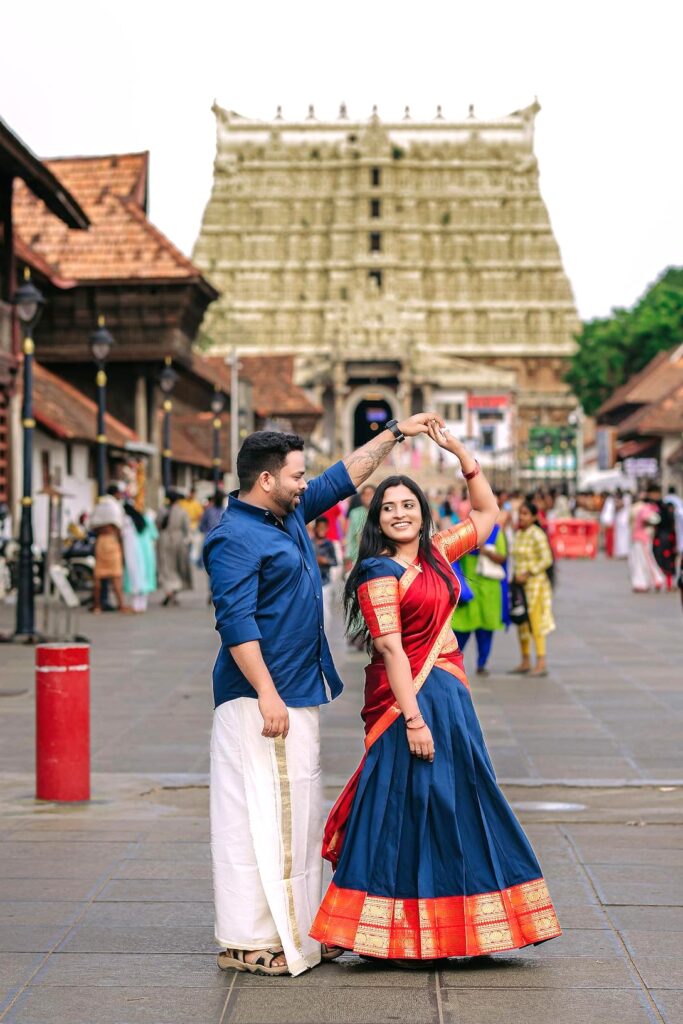
Traditional attire for Temples
A Traveler’s Guide to South India’s Architectural Marvels
For me, one of the greatest joys of exploring South Indian temples is learning to “read” their unique architectural languages. Each state has its own distinct dialect, a story told through stone, wood, and artistry.
Far from being monolithic, the region’s temple architecture is a breathtaking spectrum of styles, each shaped by its own geography, dynasties, and cultural traditions. Here’s a personal look at what makes each region’s temples so unforgettable.
Tamil Nadu: The Epic Scale of Dravidian Grandeur
Your first encounter with a major temple in Tamil Nadu is almost always its gopuram. These colossal gateway towers, teeming with sculpted deities, aren’t just entrances; they are landmarks of faith that dominate the skyline.
Stepping inside, you walk through vast, pillared mandapas where every column feels like a chapter in a history book. I’ve tapped the famous musical pillars and tried deciphering the epic narratives carved into the stone.
The architectural journey here spans over a millennium, from the raw, coastal elegance of the Pallava-era Shore Temple to the mind-boggling scale of the Cholas’ Brihadeeswarar Temple, and finally to the dizzying, ornate complexity of Madurai’s Meenakshi Temple.
Karnataka: Where Stone Achieves Unbelievable Detail
Crossing into Karnataka, the architectural story shifts from towering scale to intimate, breathtaking craftsmanship. The Hoysala temples of the 12th-14th centuries are simply in a league of their own. I remember being completely mesmerized by how they used soft soapstone, which allowed artisans to carve with the precision of jewelers.
The temples often rest on unique star-shaped platforms, and their walls are wrapped in continuous narrative friezes that bring epics like the Ramayana and Mahabharata to life. The lathe-turned pillars inside are so perfectly polished and shaped, they defy belief that they were carved by hand.
Later, the Vijayanagara Empire introduced a more robust style, seen in the sprawling complexes and iconic stone chariot (Ratha) at Hampi.
Kerala: Harmony of Nature, Art, and Architecture
Kerala’s temples feel different. They are more organic, seeming to grow out of the lush, green landscape itself. Their distinctive sloping, multi-tiered roofs are a beautiful and practical adaptation to the heavy monsoon rains.
Instead of stone, there is a warmth of wood and laterite, with intricate carvings on the ceilings and gables. What I find truly special here is the seamless integration of performing arts.
Many temples feature a Koothambalam, a dedicated theatre hall where traditional arts like Kathakali and Koodiyattam are performed.
The experience is holistic; the air is filled with the scent of oil lamps, the sounds of ritual music, and the sight of vibrant mural paintings that cover the walls, telling divine stories in a uniquely Keralan palette. It’s where architecture doesn’t just house the divine, but actively participates in the celebration of it.
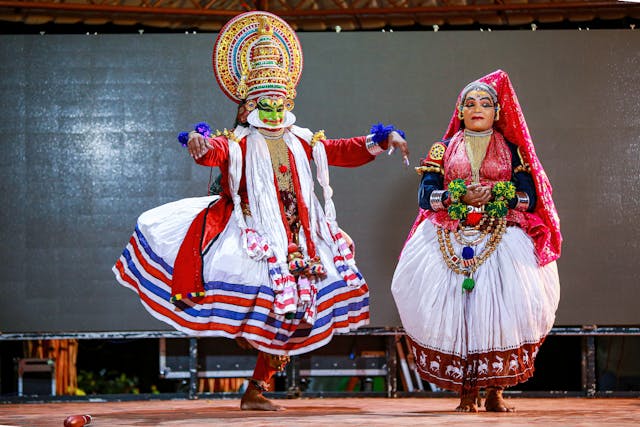
Performers in a Traditional Kerala Dance
Practical Resources
Essential Apps and Websites
- IRCTC: Train booking and scheduling
- Google Translate: Tamil, Kannada, Malayalam support
- Temple websites: Real-time darshan information
- Weather apps: Monsoon and festival planning
- Offline maps: GPS navigation without data
Emergency Contacts
- Tourist Helpline: 1363 (all states)
- Tamil Nadu Tourism: 044-2538 3333
- Karnataka Tourism: 080-2235 2828
- Kerala Tourism: 0471-2321132
- Railway Enquiry: 139
- Medical Emergency: 108
Frequently Asked Questions About Visiting Temples in South India
Q1. What are the best temples to visit in Tamil Nadu for architecture lovers?
Tamil Nadu is home to architectural marvels like Brihadeeswarar Temple in Thanjavur, Meenakshi Amman Temple in Madurai, and Shore Temple in Mahabalipuram. These showcase Chola, Pandya, and Pallava styles respectively.
Q2. Which South Indian temples are part of the Pancha Bhoota Sthalams?
The five elemental Shiva temples are:
- Ekambareswarar Temple (Earth) – Kanchipuram
- Jambukeswarar Temple (Water) – Tiruchirapalli
- Arunachaleswarar Temple (Fire) – Thiruvannamalai
- Kalahasti Temple (Air) – Andhra Pradesh
- Chidambaram Temple (Space) – Tamil Nadu
Q3. What is the best time to visit temples in South India?
The ideal season is October to March, when the weather is pleasant and major festivals like Karthigai Deepam, Vaikunta Ekadasi, and Mahashivaratri take place.
Q4. Are there any UNESCO World Heritage temples in South India?
Yes. Notable UNESCO-listed temples include:
- Brihadeeswarar Temple (Thanjavur)
- Shore Temple (Mahabalipuram)
- Virupaksha Temple (Hampi)
- Pattadakal Temple Complex (Karnataka)
Q5. How can I plan a temple itinerary across Tamil Nadu and Karnataka?
A sample route:
- Tamil Nadu: Chennai → Mahabalipuram → Kanchipuram → Thanjavur → Madurai → Rameswaram
- Karnataka: Bengaluru → Belur → Halebidu → Hampi → Udupi → Murudeshwar
Q6. What are the most famous Vishnu temples in South India?
Top Vishnu temples include:
- Tirupati Balaji Temple (Andhra Pradesh)
- Sri Ranganathaswamy Temple (Srirangam)
- Padmanabhaswamy Temple (Kerala)
- Chennakeshava Temple (Belur)
Q7. Are non-Hindus allowed inside South Indian temples?
Policies vary:
- Padmanabhaswamy Temple and Guruvayur Temple restrict entry to Hindus only.
- Most others, like Meenakshi Temple and Shore Temple, welcome all visitors respectfully dressed.
Q8. What is Girivalam and where can I experience it?
Girivalam is a sacred walk around Arunachala Hill in Thiruvannamalai, performed during full moon nights. It’s a spiritual practice believed to cleanse karma and awaken inner energy.
Q9. Which South Indian temple has the longest corridor?
The Ramanathaswamy Temple in Rameswaram has the longest temple corridor in India, stretching over 1,200 meters.
Q10. What are the must-attend temple festivals in South India?
Don’t miss:
- Chithirai Festival – Meenakshi Temple, Madurai
- Karthigai Deepam – Arunachaleswarar Temple, Thiruvannamalai
- Attukal Pongala – Attukal Temple, Trivandrum
- Brahmotsavam – Tirupati Balaji Temple
Conclusion
Ready to embark on your South Indian temple odyssey? Start planning your spiritual journey through these architectural marvels and cultural treasures. Each temple offers unique insights into India’s rich heritage—from ancient Chola grandeur to living traditions that connect past and present.
Bookmark this guide and share it with fellow temple enthusiasts planning their South India adventure!
Pin this for later
 Indrani Ghose is a cultural travel writer with expertise in documenting global heritage sites. She visited over 150, big and small, temples documenting architectural heritage, festival traditions, and practical travel insights. She has written for numerous publications across the globe – including Lonely Planet, The National UAE, Whetstone Asia, Deccan Herald. You can follow her on her social media handles Instagram, Twitter, Pinterest and Facebook to see the wonderful destinations, beautiful offbeat places and get instant updates about them.