Ultimate 5 Days in Portugal Road Trip Itinerary for First-Timers
5 Days in Road Trip in Portugal – Picture this: you’re winding through ancient cobblestone streets in medieval Elvas, then an hour later you’re standing inside a Church of Bones in Evora. The next morning, you wake up in a fairy tale castle in Sintra before driving through rolling vineyards to discover hidden monasteries carved into mountainsides. This is the magic of a 5 days in Portugal adventure—a country where every turn of the wheel reveals a new story.
A road trip Portugal experience offers the perfect blend of history, culture, stunning landscapes, and culinary delights, all packed into a manageable timeframe that’s perfect for first-time visitors. Whether you’re drawn to Portugal’s UNESCO World Heritage sites, its dramatic mountain ranges, or its charming medieval villages, this comprehensive 5-day itinerary will guide you through the country’s most captivating inland destinations.
I’ve refined this itinerary to showcase the country’s most spectacular inland regions while ensuring you have enough time to truly savour each destination. This isn’t just another rushed European tour—it’s your roadmap to falling in love with Portugal.
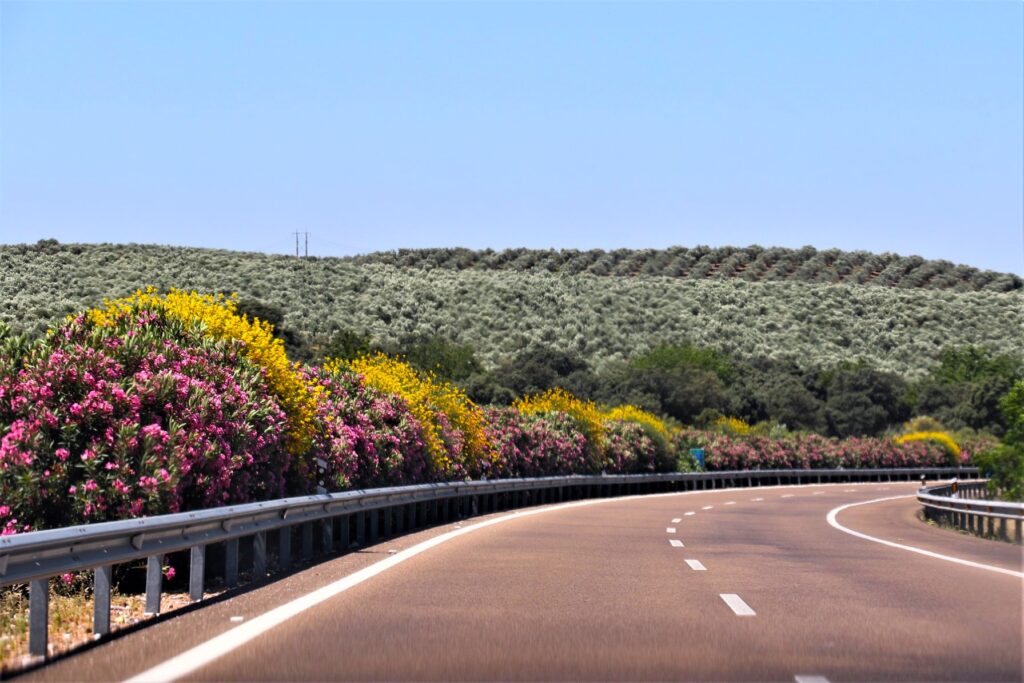
5 Days Portugal Itinerary Road trip
Why a Portugal Road Trip is a Must-Do
Portugal rewards the independent traveller in ways that group tours and train schedules simply cannot match. While buses and trains can get you between major cities, they’ll leave you yearning for the hidden gems tucked away in Portugal’s mountainous interior.
Having your own wheels transforms your Portuguese adventure from a series of scheduled stops into a journey of spontaneous discovery. Want to spend an extra hour exploring the King John’s Library in Coimbra? No problem. Spotted a roadside sign for a local pottery workshop? Follow it. The freedom to deviate from the plan often leads to the most memorable experiences.
Portugal’s compact size makes it ideal for road tripping—you can drive from the Spanish border to the Atlantic coast in under three hours. This means you can pack incredible diversity into just five days, transitioning from the fairy-tale palaces of Sintra to the spiritual heights of the Batalha Monastery, then onward to the university town of Coimbra, all while staying flexible with your timeline.
The country’s well-maintained road network, combined with relatively light traffic outside major cities, makes driving a pleasure rather than a stress.
Horses in Elvas
Planning Your 5-Day Portugal Itinerary
Successful road trips begin long before you turn the ignition key. Portugal’s popularity has grown exponentially in recent years, making advance planning essential for securing the best accommodations, rental cars, and experiences. Here’s everything you need to know to plan your perfect Portuguese adventure.
Best Time to Visit Portugal for a Road Trip
Spring (March-May) offers the sweet spot for Portuguese road trips. Temperatures hover comfortably between 60-75°F (15-24°C), perfect for exploring hilltop castles and monastery courtyards without the exhaustion of summer heat. The countryside bursts with wildflowers, and you’ll encounter fewer crowds at major attractions. However, pack layers—mountain regions can be surprisingly cool, especially in early spring.
Summer (June-August) brings guaranteed sunshine and the longest days, giving you maximum daylight for exploration. But this is also peak season, meaning crowded attractions, higher prices, and temperatures that can soar above 95°F (35°C) in inland areas. If you’re traveling in summer, start your days early and plan afternoon rest stops in air-conditioned spaces.
Fall (September-November) rivals spring as the ideal time for road tripping. Early fall still offers warm, stable weather, while the harvest season adds a special magic to the countryside. By November, temperatures cool significantly, but you’ll have many attractions to yourself.
Winter (December-February) challenges even experienced travelers. While coastal areas remain mild, Portugal’s mountainous interior can be surprisingly harsh, with frequent rain and occasional snow. Many smaller attractions have reduced hours, and mountain roads may require extra caution.
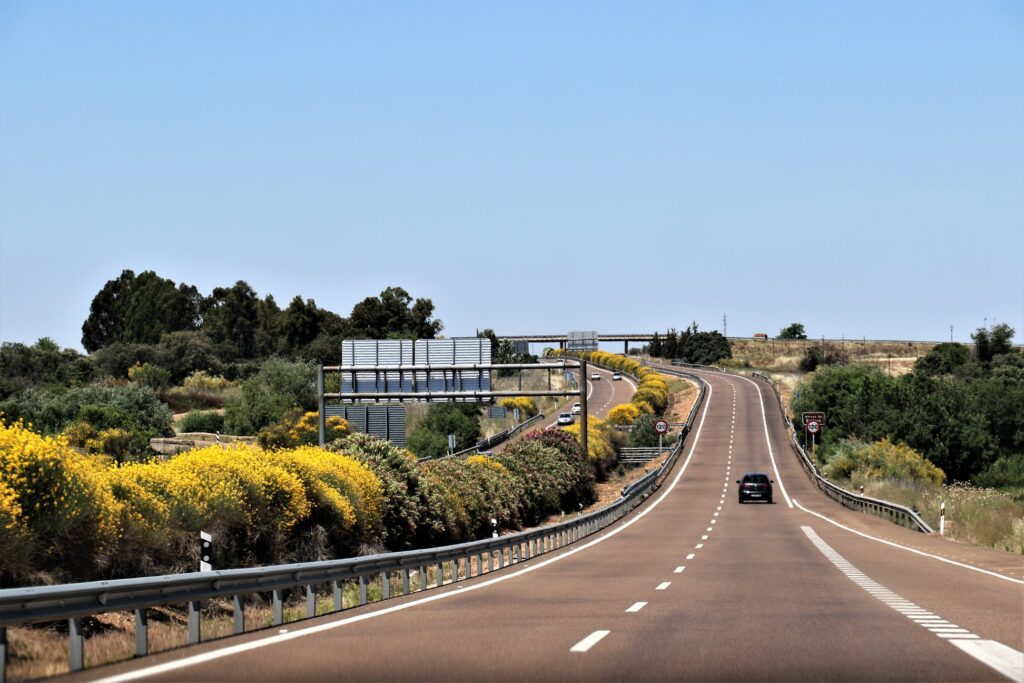
Roads lined with flowering plants
Renting a Car in Portugal
Booking your rental car at least 3-4 weeks in advance is crucial, especially during spring and summer. Use comparison sites like Avis or Expedia to find the best deals, but always book directly with the rental company afterward to ensure better customer service if issues arise.
You’ll need a valid driving license from your home country plus an International Driving Permit (IDP), which must be obtained before you travel—you cannot get one while abroad. Most rental companies require a credit card in the main driver’s name for the security deposit, which can be substantial (€500-1500 depending on the vehicle category).
For a 5-day Portugal road trip focusing on inland destinations, choose a compact or economy car. Portuguese streets in historic towns are notoriously narrow—I’ve watched rental SUVs struggle to navigate medieval alleyways that were designed for donkeys, not vehicles. A smaller car also means better fuel efficiency and easier parking in crowded town centers.
Consider paying extra for full insurance coverage. While Portugal’s roads are generally well-maintained, mountain routes can be narrow and winding, and parking in historic centers often involves tight squeezes between stone walls and other vehicles.
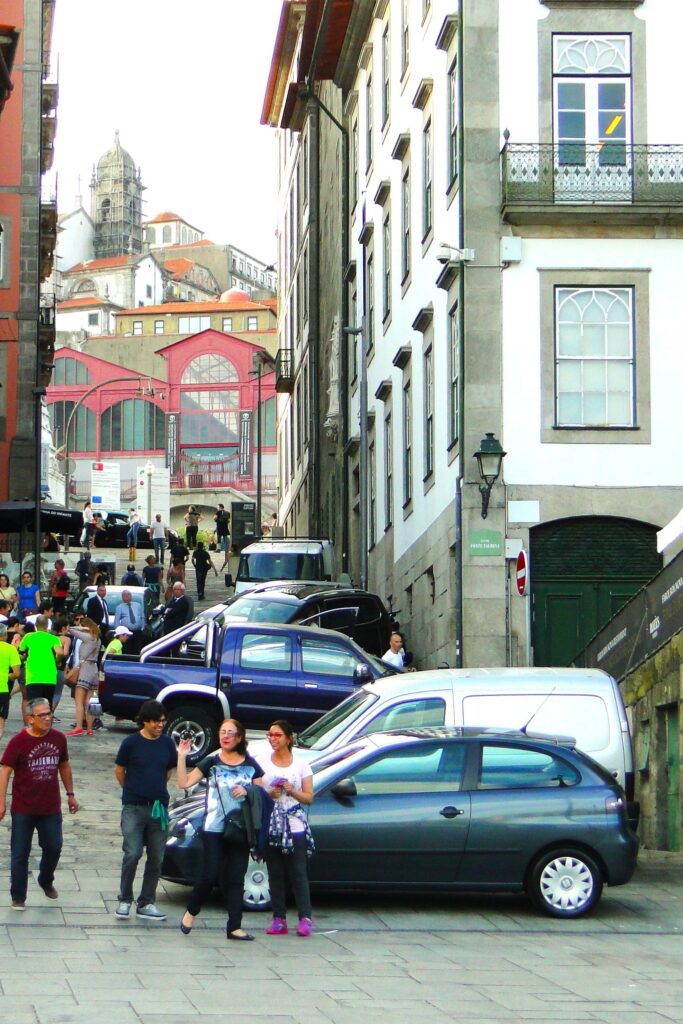
Parking slots are hard to find
Driving in Portugal: What You Need to Know
Portugal’s toll road system can confuse first-time visitors. The country uses electronic tolls on many highways, meaning there are no toll booths—cameras simply photograph your license plate and bill the rental company later. Most rental agencies offer prepaid toll packages for around €10-20, which is almost always worth it to avoid surprise charges weeks after your return.
Parking in Portugal’s historic centers requires strategy and patience. Many towns offer free parking areas just outside the medieval walls—look for signs reading Parque de Estacionamento. In cities like Coimbra and Braga, arrive early in the day to secure spots, as spaces fill quickly by mid-morning.
Portuguese drivers are generally courteous, but they drive faster than many visitors expect, especially on highways. The speed limit is 120 km/h (75 mph) on highways, 90 km/h (56 mph) on main roads, and 50 km/h (31 mph) in towns. Speed cameras are common, and fines are steep.
Roundabouts are everywhere in Portugal—brush up on proper roundabout etiquette before you arrive. Always yield to traffic already in the roundabout, and use your turn signals to indicate your exit.
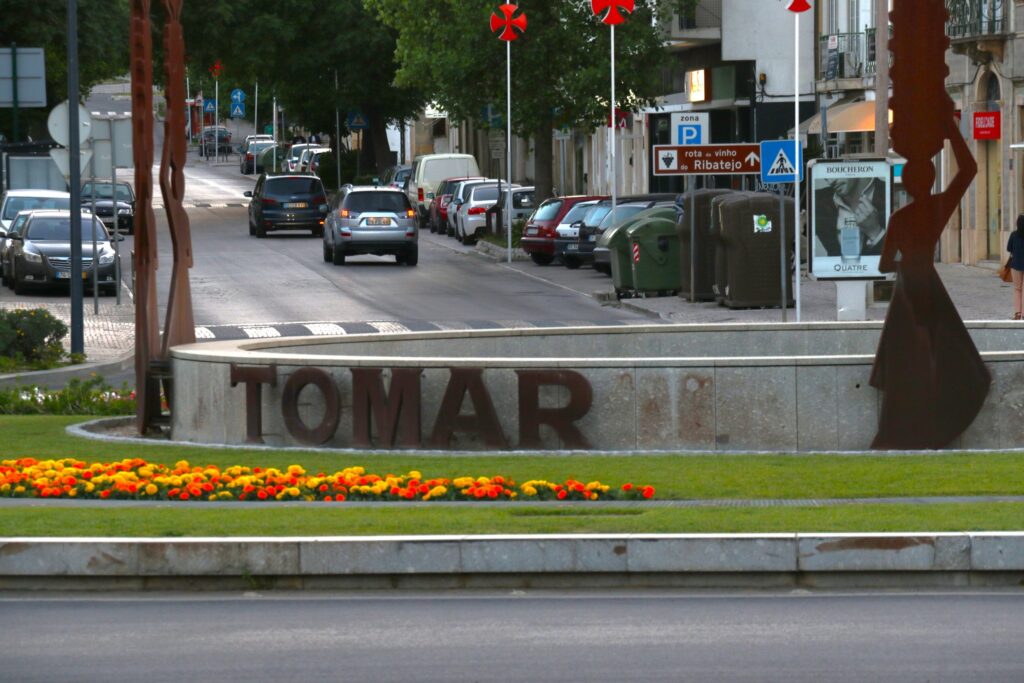
Traffic Island – Roundabout Tomar
Accommodation
Portugal offers accommodation options for every budget and travel style. For a 5-day road trip, I recommend mixing different types of lodging to enhance your experience. Book everything in advance, especially between April and October.
Pousadas are Portugal’s network of luxury hotels housed in converted monasteries, palaces, and castles. Staying in the Pousada do Castelo in Óbidos or the Pousada Mosteiro do Crato provides an unforgettable historical experience, though prices reflect the exclusivity (€150-400 per night).
Quintas (wine estates) offer rustic elegance in countryside settings. Many include breakfast featuring local products, and some offer wine tastings. Expect to pay €80-200 per night for character-filled rooms surrounded by vineyards or olive groves.
Local guesthouses and family-run hotels provide the best value and authentic experiences. Portuguese hospitality shines in these smaller establishments, where owners often provide insider tips about local attractions and restaurants. Prices range from €40-120 per night.
Airbnb apartments work well for longer stays in cities like Coimbra, where you can live like a local and prepare some of your own meals. However, confirm parking arrangements beforehand—many historic centers restrict vehicle access.
Accommodation in Portugal Cities
What to Pack for a 5-Day Portugal Road Trip
Clothing Essentials:
- Comfortable walking shoes with good grip (Portuguese cobblestones can be slippery)
- Lightweight layers (temperatures can vary significantly between coastal and mountain areas)
- One warm jacket (even summer evenings can be cool in the mountains)
- Rain jacket or umbrella (weather can change quickly in mountainous regions)
- Modest clothing for monastery and church visits (covered shoulders and knees required)
- Comfortable driving shoes (flip-flops are not recommended for mountain roads)
Travel Documents:
- Passport (must be valid for at least 3 months beyond your stay)
- International Driving Permit
- Travel insurance documents
- Rental car reservation confirmation
- Accommodation confirmations
- Emergency contact information
Technology and Navigation:
- Smartphone with offline maps downloaded (Google Maps allows offline use)
- Car phone mount
- Portable battery pack
- European plug adapter
- Camera or GoPro for capturing scenic drives
Health and Comfort:
- Any prescription medications (bring extra)
- Basic first aid supplies
- Sunscreen (mountain sun can be intense)
- Sunglasses
- Reusable water bottle
- Snacks for road trips (Portuguese gas station food is limited)
Practical Items:
- Small daypack for exploring towns on foot
- Cash (many small establishments still prefer cash)
- Phrasebook or translation app (Portuguese hospitality improves when you attempt the language)
- Copies of important documents (stored separately from originals)
The key to packing for a Portugal road trip is versatility—you’ll need clothes suitable for hiking monastery trails, strolling through elegant palaces, and enjoying dinner at traditional restaurants. Pack items that can serve multiple purposes and layer well for changing conditions throughout your journey.
Budgeting for 5 Days in Portugal
Portugal remains one of Western Europe’s most affordable destinations, making it perfect for travelers seeking European charm without breaking the bank. However, costs can vary dramatically depending on your choices—a night in a pousada versus a guesthouse can differ by €300. Here’s a realistic breakdown based on actual expenses from multiple road trip Portugal adventures.
Sample Budget Breakdown (Per Person for 5 Days)
Budget Traveler (€250-350 total)
- Accommodation: €25-40/night (hostels, basic guesthouses) = €125-200
- Car rental: €25/day including insurance = €125 (split between travelers)
- Fuel: €80-100 (split between travelers)
- Food: €15-25/day (mix of grocery shopping and budget restaurants) = €75-125
- Activities: €5-15/day (free attractions, basic entrance fees) = €25-75
- Miscellaneous: €20-30
Mid-Range Traveler can be around €500-750 total
Luxury Traveler can be 5 times more, around €1000+ total

Budget for Portugal Road Trip
6 Money-Saving Tips from Real Experience:
- Book accommodations with kitchen access in at least one location. Portuguese supermarkets offer incredible fresh bread, local cheeses, and wine at fraction of restaurant prices. I’ve created meal packs for the road with €15 worth of groceries that would cost €60 in a restaurant.
- Many of Portugal’s most spectacular attractions are completely free. The medieval streets of Óbidos, the stunning viewpoints around Sintra, and countless village squares with centuries-old fountains cost nothing but provide priceless memories.
- Fill up your rental car at hypermarket gas stations (Continente, Pingo Doce) rather than highway service stations—you’ll save 10 to 15 cents per litre. Download apps like GasBuddy to find the cheapest fuel prices along your route.
- Eat your main meal at lunch rather than dinner. Many restaurants offer prato do dia (dish of the day) lunch specials for €8-12 that would cost €18-25 at dinner. Portuguese lunch portions are generous enough to sustain you until a light evening meal.
- Visit monuments and museums on the first Sunday morning of each month—many offer free admission to EU residents and significant discounts for others.
- We are on the second phase of or travel. All thrilled and excited that we crossed from Spain to Portugal we looked forward to rest of the travel through top tourist attractions of Portugal.
The Perfect 5-Day Portugal Road Trip Itinerary
First half day – Crossing into Portugal from Spain
Our 5-day Portugal road trip began with a seamless transition from our Spanish adventure. After exploring the Roman ruins of Mérida, we drove west toward the Portuguese border, with our sights set on the city of Évora.
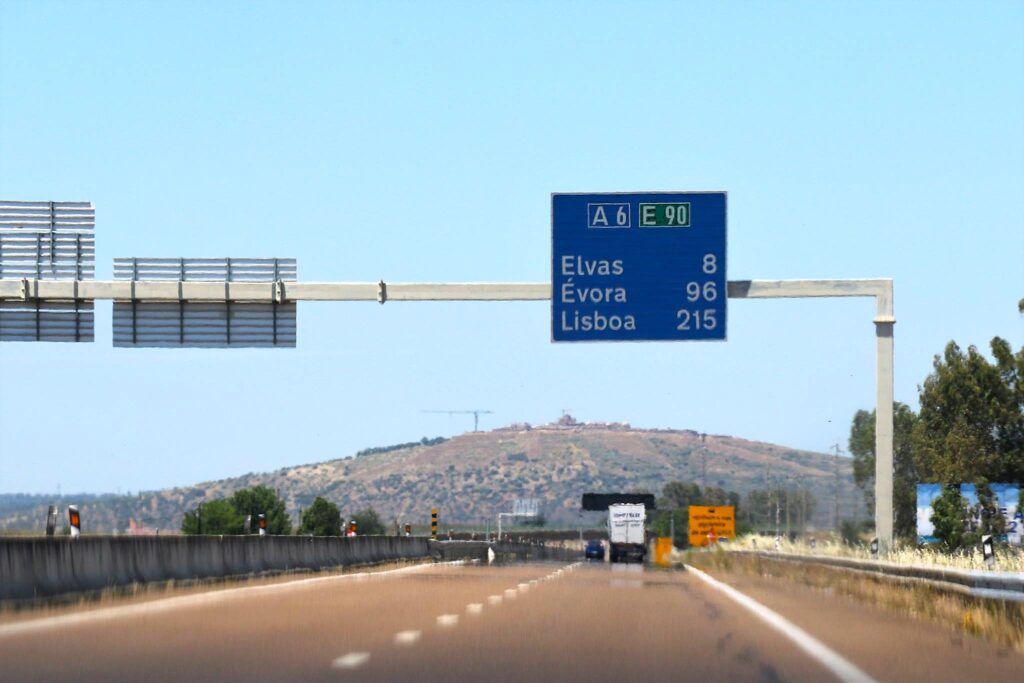
Road sign on the way from Merida-Elvas-Evora
The Spain to Portugal Border Crossing by Car
One of the first pleasant surprises of our road trip in Portugal was the border crossing itself. As we drove from Badajoz (Spain) to Elvas (Portugal), there were no formal paper checks or stops, a testament to the ease of travel within the Schengen Area. The journey was smooth, allowing us to simply drive into a new country and a new adventure.
Pro-Tip: While there are no border checks, ensure you have your passport, driver’s license, and car rental documents easily accessible, just in case.
An Unexpected Gem: A Half-Day in Elvas
Initially, we only planned to pass by Elvas. However, about an hour into our drive, our hunger pangs demanded a stop. I knew Elvas was a UNESCO World Heritage site, recognized for having the largest collection of bulwarked fortifications in the world, so we decided to make a detour. I’m so glad we did!
What I expected to be a quick stop turned into a fascinating afternoon. Elvas isn’t a big city; it’s a charming, historic town completely encased within massive star-shaped fortress walls. Parking our car just outside the main gate, we stepped through and felt like we had traveled back in time. The narrow, cobbled streets are intimate and welcoming.
What to See in Elvas (The Unmissable Sights)
You can cover the main highlights of Elvas in just a few hours on foot. Here’s what we prioritized:
Amoreira Aqueduct – As you approach Elvas, you can’t miss this colossal 8.5 km long aqueduct. It’s an incredible feat of 16th-century engineering that still dominates the landscape. We pulled over just before entering the city to get a few photos – its scale is truly awe-inspiring.
Praça da República (Republic Square) – This is the heart of the town. We found a lovely restaurant here for lunch and simply soaked in the local atmosphere. The square is home to the former town hall and the impressive Cathedral of Elvas (Sé de Elvas).
The Fortifications: Forte de Santa Luzia & Forte da Graça – While we didn’t have time to tour the inside of these two massive forts that flank the town, their sheer presence is a reminder of Elvas’s military importance throughout history.
Pro-Tip: If you have more time, the Forte da Graça is said to offer the most commanding views of the entire region.
A Taste of Alentejo: What to Eat in Elvas
Our lunch in the main square was a fantastic introduction to Portuguese cuisine and value. We opted for a prato do dia (plate of the day) combo, which for around €10-€15 included a drink, soup, main course, dessert, and coffee. It’s a budget-friendly tip we used throughout our trip!
After a few delightful hours, we continued our drive for another hour to reach our overnight base in Évora, feeling satisfied with our spontaneous and history-filled first half day in Portugal.
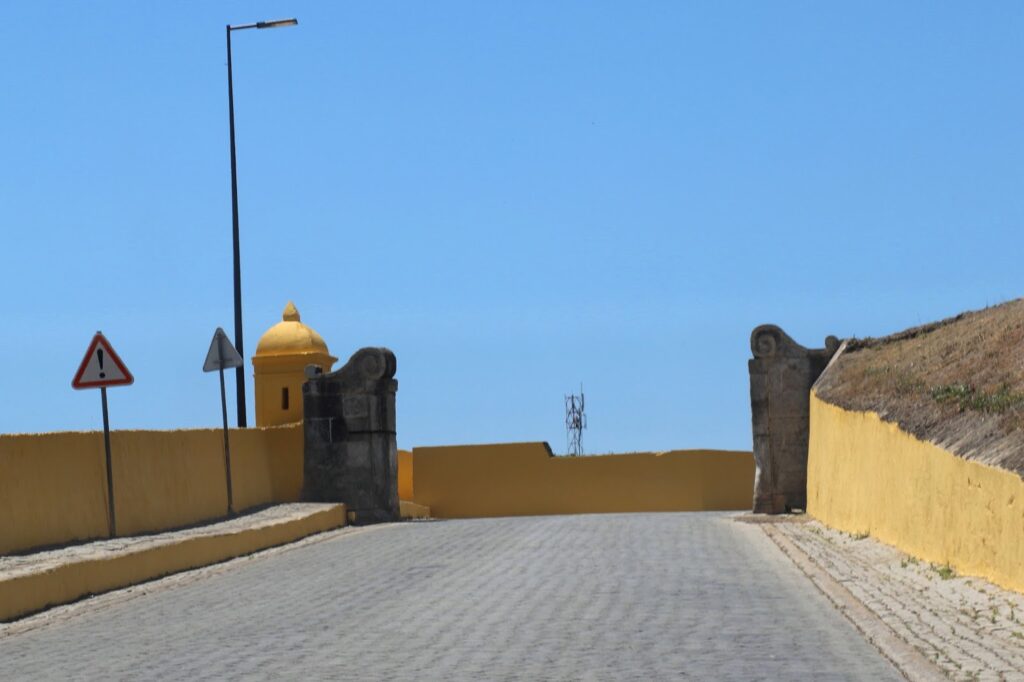
Road through Elvas Old Town
Day 1 of 5 Days in Portugal Itinerary
Évora’s Historic Wonders & the Journey to Lisbon
After our fascinating detour in Elvas, we completed the scenic one-hour drive to Évora, arriving in the early evening. Even though the main attractions were closed for the day, Évora’s magic was in full swing as the golden hour sun bathed the city’s white-washed walls in a warm glow. After a quick hotel check-in, we set out to explore.
An Evening in Évora: A Self-Guided Walking Tour
Our walk took us through the heart of the old town, a UNESCO World Heritage site. The highlight was seeing the Roman Temple of Évora at dusk. We ended our evening with a quiet dinner and rested up for a full day of exploration.
Pro-Tip: Arriving in Évora late? Don’t wait until morning! The city is safe, beautifully lit, and perfect for an evening stroll. You can see the exteriors of many famous landmarks without the daytime crowds.
A Morning in Évora’s UNESCO Heart
We started our day early, which gave us the chance to see the Evora city wake up before the ticketed sites opened.
What to do in Évora before 9 AM:
- Visit the Mercado Municipal: This bustling local market is the perfect place to see daily life.
- Relax at Praça do Giraldo, Évora’s main square, complete with a beautiful baroque fountain. We grabbed a coffee (um café) at a pastelaria here and watched the city come to life.
Once the monuments opened, we spent the next 6 hours diving into history. Here are the unmissable stops:
Capela dos Ossos (The Chapel of Bones)
- Located in the Church of St. Francis, the walls and pillars of this small chapel are lined with the bones and skulls of over 5,000 monks. Allow about 30-45 minutes for your visit.
- Practical Info: Opens at 9:00 AM. There’s a small entrance fee (around €5-€6) which includes access to a museum of religious art.
Évora Cathedral (Sé de Évora)
- This is the largest medieval cathedral in Portugal. The real highlight is climbing the spiral stone staircases to the roof that offers the absolute best panoramic views over Évora and the rolling Alentejo plains.
- Practical Info: Opens at 9:00 AM. You can buy a ticket for the cathedral alone or a combined ticket that includes the rooftop access (highly recommended).
Afternoon Drive to Lisbon & An Important Safety Warning
By early afternoon, we had thoroughly explored Évora. We began the 132 km drive to Lisbon, which took just under two hours on a modern, well-maintained motorway.
Upon arriving in Lisbon, we checked into our hotel and, with the major monuments closed for the day, set off for a walk around Alfama, the city’s oldest and most charismatic quarter and also the Lisbon Cathedral.
Unfortunately, it was here that our trip took a sour turn. In the bustling, narrow streets, my husband was pickpocketed. While it was upsetting, it served as a stark reminder that travelers need to be vigilant in any major city.
Safety Tip for Lisbon:
- Be Aware in Crowds
- Secure Your Valuables
- Be Wary of Distractions
Don’t let this deter you from exploring Lisbon’s incredible beauty, but please be cautious so you can enjoy your trip without any unfortunate incidents.

Day 2 of 5 Days in Portugal Itinerary:
A Perfect One-Day Lisbon Itinerary (Belém and Baixa)
After the unfortunate incident in Alfama, we were determined to have a fresh start and dedicate a full day to exploring the grandeur of Lisbon. We decided to leave the car parked and navigate the city using public transport and our by feet. Our plan was to focus on two distinct but equally captivating areas: the historic riverside district of Belém in the morning and the elegant downtown area of Baixa and Chiado in the afternoon.
Morning in Belém: The Golden Age of Discovery
Belém is where Portugal’s great explorers, like Vasco da Gama, set sail in the 15th and 16th centuries, launching the Age of Discovery and bringing immense wealth and prestige to the nation. This entire district is a tribute to that golden era.
Pro-Tip: How to Get There – From central Lisbon, the easiest way to reach Belém is by taking Tram 15E from Praça da Figueira or Praça do Comércio. It’s a scenic 25-minute ride along the Tagus River.
First Stop: The Original Pastéis de Belém – Before any sightseeing, we visited the legendary Pastéis de Belém pastry shop, the birthplace of the original secret recipe from 1837, for pastéis de nata.
Jerónimos Monastery (Mosteiro dos Jerónimos) – Fueled by custard tarts, we toured the Jerónimos monastery, a UNESCO World Heritage site. It was built to commemorate Vasco da Gama’s successful voyage to India and is the absolute pinnacle of Portugal’s unique Manueline architectural style.
Belém Tower (Torre de Belém) – A short, pleasant walk along the riverfront brings and we were at the iconic Belém Tower. We spent about 45 minutes exploring its different levels and taking in the views from the top terrace.
Monument to the Discoveries (Padrão dos Descobrimentos) – Our final stop in Belém was this towering, ship-prow-shaped monument. It features over 30 statues of key figures from the Age of Discovery, led by Henry the Navigator.
Afternoon in Baixa and Chiado: The Elegant Heart of Lisbon
After a riverside lunch in Belém, we hopped back on Tram 15E to explore downtown Lisbon, which was completely rebuilt on a grid system after the devastating 1755 earthquake.
Praça do Comércio (Commerce Square) – We walked under the grand Arco da Rua Augusta and simply marvelled at the scale of the place. It was once the maritime entrance to the city, where merchants and traders would arrive.
Elevador de Santa Justa (Santa Justa Lift) – From the Baixa district, we headed to this iconic 19th-century wrought-iron lift. Designed by a student of Gustave Eiffel, its neo-Gothic style stands in stark contrast to the surrounding buildings.
A Stroll Through Chiado and Bairro Alto – Connected by the Santa Justa Lift, these adjacent neighbourhoods are the cultural and bohemian heart of Lisbon. Chiado is filled with elegant boutiques, historic bookshops, and grand theatres.
Evening: Dinner in the City
We wrapped up our tour around 7 PM and found a fantastic restaurant in the lively Chiado district.
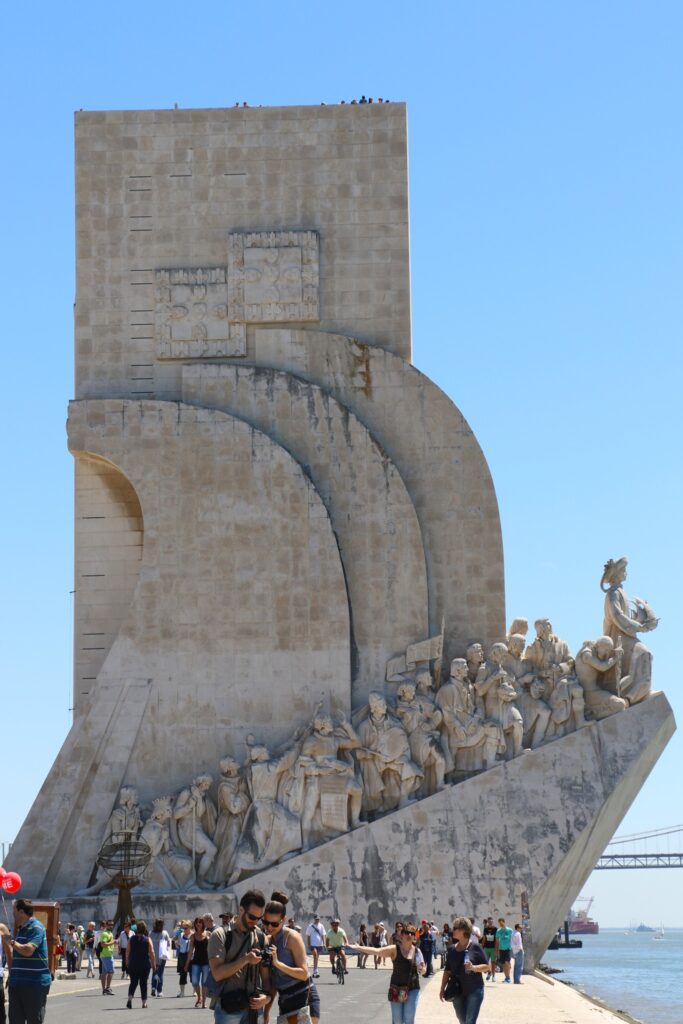
Elegant Heart of Lisbon
Day 3 of 5 Days in Portugal Itinerary
A UNESCO Marathon of Palaces and Monasteries
Get ready for the most ambitious day of our Portugal road trip! Day 3 in Portugal was a deep dive into the historical heart of the country, linking three magnificent UNESCO World Heritage sites in one epic journey.
We left our Lisbon hotel right after a quick breakfast, hitting the road by 7:30 AM to get a crucial head start on the day’s biggest challenge: the crowds at Sintra.
Important: How to Approach This Ambitious Day
This is a fast-paced “highlights” tour. To do it successfully, you must be strategic. It’s impossible to see everything in Sintra in a few hours. The key is to choose ONE major palace to explore, experience it fully, and then move on. Trying to do more will leave you rushed and exhausted.
Morning: A Taste of Fairy-Tale Sintra
The 40-minute drive from Lisbon to Sintra transports you to a different world—a misty, mountain town studded with fantastical palaces and lush estates.
Your Choice: The Icon vs. The Mystery
- Pena Palace (The Icon): This is the colourful, hilltop castle you’ve seen in every picture of Portugal. Perched high on a peak, this Romanticist masterpiece is a dazzling explosion of reds, yellows, and blues. The views are incredible, and the architecture is pure fantasy.
- Who it’s for: First-time visitors who want that iconic photo and to see a truly unique palace.
- Crucial Tip: You MUST book timed-entry tickets online, ideally weeks in advance, especially in high season. If you just show up, you likely won’t get in.
- Quinta da Regaleira (The Mystery): If you prefer enchanting gardens over opulent interiors, this is your spot. This estate is a playground of hidden tunnels, grottoes, and mystical symbols. The main attraction is the incredible Initiation Well, a spiral staircase that descends deep into the earth.
- Who it’s for: Adventurous travellers who love exploring and a touch of the mysterious.
- Insider Tip: While still popular, the queues are generally more manageable here than at Pena Palace, making it a slightly better option for a tight schedule.
We chose the colorful Pena Palace for our girls who are never tired of Castle tales.
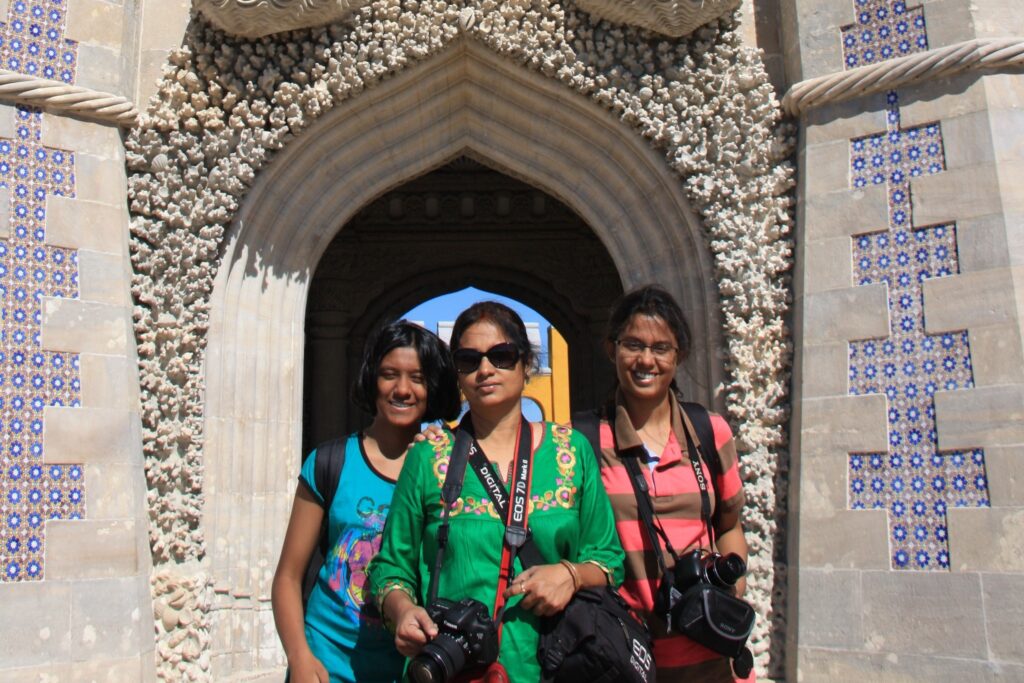
Colorful Tourists at Sintra Pena Palace
Midday: The Royal Romance of Alcobaça
The 90-minute drive north from Sintra takes you into the heart of central Portugal. Our destination was the Monastery of Alcobaça, a stunning example of early Gothic architecture.
- Lunch Tip: The large square facing the monastery is lined with cafés and restaurants. We grabbed a quick lunch at one of these, enjoying a fantastic view of the facade before our tour. Allow one hour for a tour of the monastery.
Afternoon: The Masterpiece of Batalha
A short 25-minute drive from Alcobaça is the Monastery of Batalha. If Alcobaça was elegantly simple, Batalha is breathtakingly intricate.
- Expert Tip: You can often purchase a combined ticket that grants access to the monasteries in Alcobaça, Batalha, and the Convent of Christ in Tomar. This “Triangle Ticket” saves you both time and money.
Evening: Arriving in Tomar, the Last Templar Town
Our final 45-minute drive of the day brought us to the charming riverside town of Tomar. After such a packed day, arriving here felt like a calm exhale. Tomar is beautifully set on the banks of the Nabão River and is watched over by the magnificent Convent of Christ, our main goal for the next morning.
We checked into our hotel, and as dusk settled, we took a relaxing walk through the historic centre, crossing the old Roman bridge and finding a lovely traditional restaurant for dinner. It was the perfect, peaceful end to a marathon day of sightseeing.
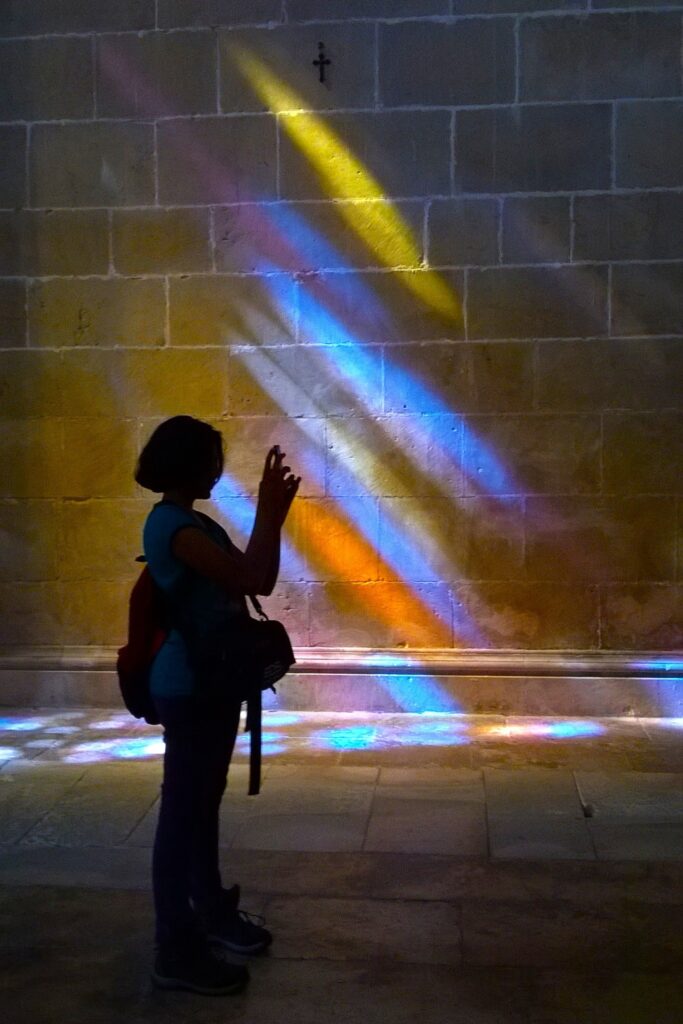
Light filtering through Stained Glass windows
Day 4: Templar Knights in Tomar, Coimbra and Porto
Waking up in the peaceful riverside town of Tomar was a welcome change of pace after the marathon of the previous day. After a hearty Portuguese breakfast (pequeno-almoço), we were ready to explore the main reason for our visit: the colossal fortress-monastery that looms over the town, a site steeped in mystery and power.
Morning: The Convent of Christ, Tomar’s Templar Fortress
This UNESCO World Heritage site is a sprawling complex of cloisters, chapels, and fortifications that tells a story spanning centuries.
Expert Tip: Give yourself at least 2-3 hours to explore. If you purchased the “Triangle Ticket” in Batalha, it is valid here.
Midday Drive and Afternoon in Historic Coimbra
By late morning, we said goodbye to the Templars and began the easy one-hour drive north to Coimbra. Perched on a hill overlooking the Mondego River, Coimbra was Portugal’s medieval capital and is home to one of the oldest universities in the world.
Parking Tip: Coimbra is a steep city. A good strategy is to drive up to the university area at the top of the hill (there is a large car park), explore, and then make your way down through the old town on foot.
The University of Coimbra (A UNESCO World Heritage Site)
The university is the city’s crowning glory. While the entire campus (Paço das Escolas) is impressive, the absolute must-see is the Biblioteca Joanina (Joanina Library).
- Crucial Advice: Access to the library is via a strictly timed-entry ticket. Book your time slot online in advance or as soon as you arrive at the university’s ticket office, as they sell out quickly.
After visiting the library, we explored the Royal Palace and the Chapel of St. Michael before beginning our descent through the narrow, cobbled streets of the old town, passing the imposing Sé Velha (Old Cathedral). We had a late lunch at a traditional restaurant in the Baixa (downtown) area near the river.
Evening: Arriving in Porto, the Jewel of the North
After a full day of history, we embarked on our final 90-minute drive to Porto. We managed to make it before the closing hours of Porto Cathedral. After that we went for a walk down to the Ribeira district. The view across the Douro River, with the iconic two-tiered Dom Luís I Bridge lit up and the traditional Port wine boats (barcos rabelos) bobbing in the water, is one of the most romantic cityscapes in Europe.

Day 5: The Cradle of Portugal (Braga and Guimarães)
If you have an extra half-day or are continuing your journey into Spain, a visit to Braga and Guimarães is highly recommended. This is where the story of Portugal began. It’s an easy drive from Porto.
Braga: The Spiritual Heart
Braga is Portugal’s religious centre. While its ancient Cathedral (Sé de Braga) is impressive, the true showstopper is located just outside the city: the Sanctuary of Bom Jesus do Monte.
Pro-Tip: If you don’t fancy the climb, you can ride the charming 19th-century water-powered funicular to the top and enjoy the serene walk down.
Guimarães: The Birthplace of a Nation
A short 25-minute drive from Braga lies Guimarães, the most historically significant city in all of Portugal.
- Guimarães Castle: Explore the formidable 10th-century castle, with its iconic square towers, considered the cradle of the nation.
- Palace of the Dukes of Braganza: This opulent 15th-century palace with its distinctive brick chimneys offers a glimpse into the lives of Portugal’s nobility.
- Historic Square: Don’t leave without visiting the charming Largo da Oliveira and finding the old city wall inscribed with the proud words “Aqui Nasceu Portugal” (Portugal Was Born Here).
From Guimarães, we concluded our unforgettable Portugal tour and began the three-hour drive to continue our European road trip in Salamanca, Spain, filled with memories of a truly incredible country.

Bom Jesus Cathedral Braga Portugal
What I Wish I Knew Before My Portugal Road Trip
GPS Can Be Your Enemy in Historic Centers
I learned this the hard way when my navigation system directed me down a one-way alley in Óbidos barely wider than my rental car, with stone walls on both sides and no room to turn around. Portuguese historic centers existed long before automobiles, and many streets simply weren’t designed for cars. Always park outside medieval walls and walk in, even if GPS promises a route to your destination.
Portuguese Hospitality Requires Patience
Service in Portugal operates on tempo português — Portuguese time. Meals are social events, not fuel stops. Rushing your server will only ensure slower service.
Cash Still Rules in Small Towns
While Lisbon and Porto embrace card payments, many family-run restaurants, local markets, and parking meters in smaller towns operate cash-only. I’ve watched travelers miss incredible meals because they couldn’t pay for their food. Withdraw euros regularly and always carry at least €100 in small bills.
Mountain Weather Changes in Minutes
Portuguese mountains create their own microclimates. I’ve experienced brilliant sunshine in Sintra turn into heavy fog within twenty minutes, making the winding roads treacherous. Check mountain weather forecasts separately from coastal predictions, and always pack layers—even summer evenings can be surprisingly cool at elevation.
Siesta Time is Sacred
Many attractions, shops, and restaurants close between 12.30 and 2.30 PM for lunch and rest. This isn’t laziness—it’s cultural wisdom that keeps people productive during long summer days. Plan your itinerary around these closures. Use siesta time for scenic drives, picnic lunches, or relaxing with a book in a village square.
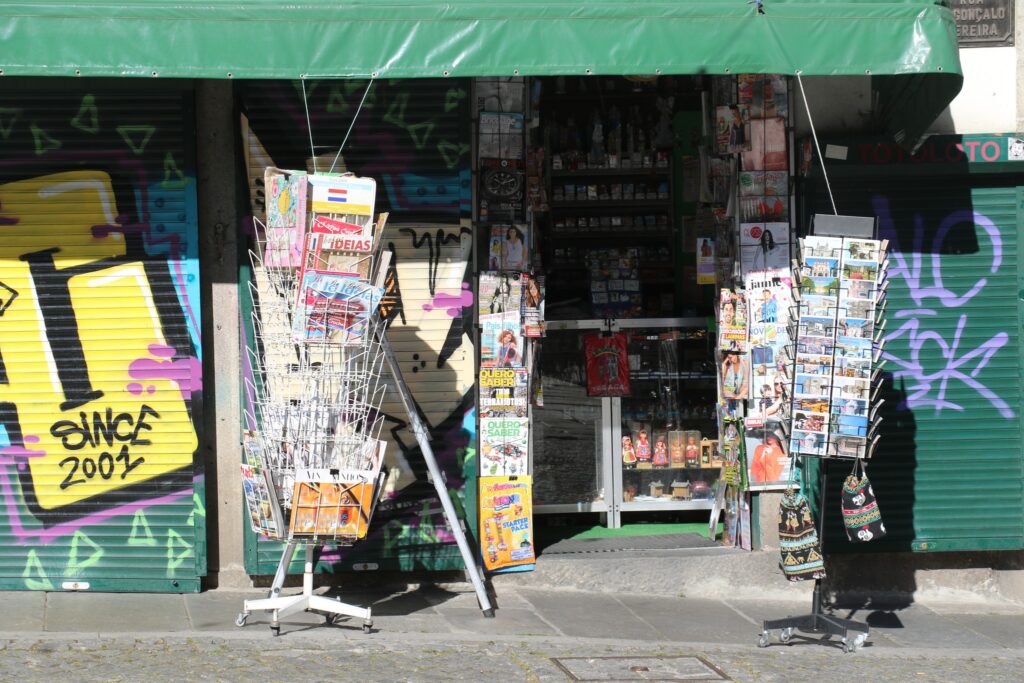
Siesta Time is Sacred – Portugal Road Trip Guide
Don’t Miss This Hidden Gem: Monsaraz
While everyone rushes to Sintra and Óbidos, Monsaraz remains Portugal’s best-kept secret—a perfectly preserved medieval village perched on a hilltop overlooking the massive Alqueva reservoir. This tiny settlement of whitewashed houses and narrow cobblestone streets feels frozen in time, offering everything tourists seek in more famous destinations but without the crowds.
The drive to Monsaraz alone justifies the detour. You’ll wind through cork oak forests and rolling hills dotted with prehistoric megaliths, creating a landscape that seems lifted from an ancient fairy tale. The final approach reveals the village dramatically silhouetted against the sky, its medieval walls and castle towers creating one of Portugal’s most photographed silhouettes.
What to Eat in Portugal
Portuguese cuisine extends far beyond the famous pastéis de nata (though you absolutely must try them). During your 5 days in Portugal, you’ll discover a culinary landscape shaped by centuries of global exploration, Atlantic influences, and proud regional traditions. Each region offers distinct specialties that tell the story of Portugal’s rich cultural heritage.
Essential Portuguese Dishes to Seek Out:
Francesinha – Consider this Portugal’s answer to the Croque Monsieur, but infinitely more indulgent. This Porto specialty layers ham, linguiça, fresh sausage, and steak between thick bread slices, covers everything with melted cheese, then drowns it in a secret beer-and-tomato sauce. It’s a hangover cure, comfort food, and cultural experience rolled into one messy, delicious package.
Caldo Verde – This simple kale and potato soup appears on every Portuguese table, but the best versions come from small village restaurants where recipes haven’t changed in generations. The secret lies in the paper-thin slicing of the kale and the quality of the chouriço (pork sausage) that floats on top. Perfect for cool mountain evenings during your road trip.
Bacalhau à Brás – Portuguese claim to have 365 ways to prepare cod, one for each day of the year. This version combines shredded salt cod with matchstick potatoes, scrambled eggs, and olives. It sounds simple but requires perfect technique—the eggs must remain creamy, and the potatoes crispy.
Pastéis de Nata – Yes, they’re touristy now, but there’s a reason these custard tarts conquered the world. The original recipe from Mosteiro dos Jerónimos remains secret, but excellent versions appear in every Portuguese bakery. Eat them warm, with a sprinkle of cinnamon.
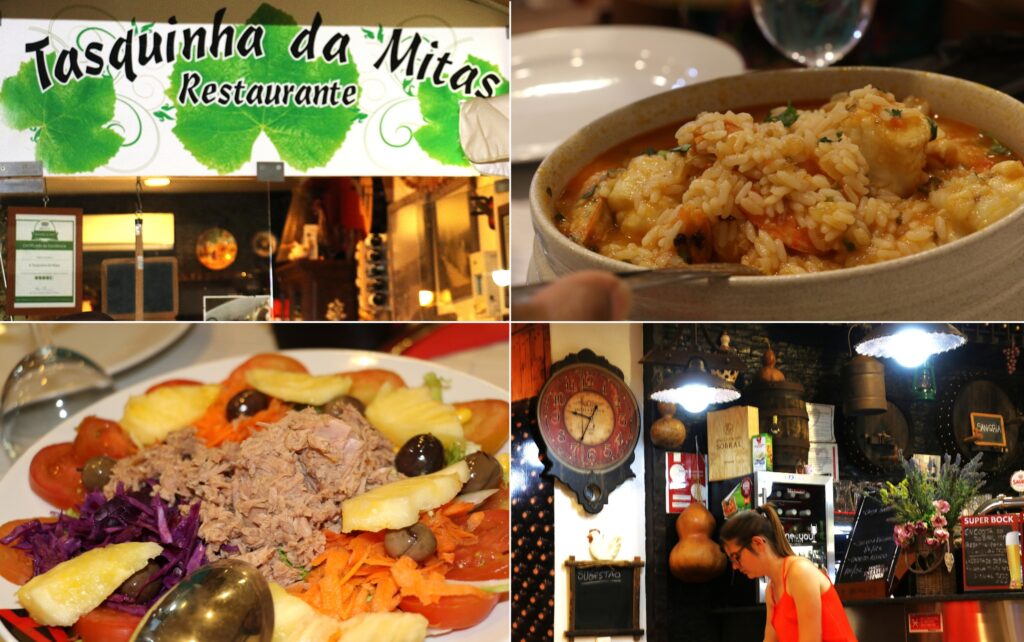
Food in Tomar Portugal
Regional Specialties to Discover:
In the Óbidos region, seek out Ginjinha de Óbidos, a cherry liqueur traditionally served in edible chocolate cups. It’s touristy but delicious, and the small chocolate cup eliminates cleanup.
Around Batalha and Alcobaça, try Pão de Ló, a sponge cake so light it seems to defy gravity. Each convent had its own recipe, and you can still taste subtle differences between towns.
Drinks That Define Portuguese Culture:
Vinho Verde – Not actually green, but young wine that’s slightly sparkling and incredibly refreshing. Perfect for warm afternoons exploring hilltop villages. Look for bottles from the Minho region.
Port Wine – While technically from Porto, excellent port appears throughout Portugal. Try a white port as an aperitif or a tawny port with dessert. Many quintas offer tastings that help you understand the complexity behind this fortified wine.
Coffee Culture – Portuguese take their coffee seriously. Order um café for an espresso, um galão for something similar to a latte, or uma bica in Lisbon. Never order coffee after lunch unless you want confused stares.
Ginjinha – This cherry brandy appears throughout central Portugal, often sold from tiny storefront windows. It’s sweet, strong, and perfect for toasting a successful day of exploring.
Pro-Tips from a Seasoned Traveler
After multiple road trip Portugal adventures and countless conversations with local drivers, shop owners, and fellow travelers, I’ve collected insights that can transform a good trip into an unforgettable one. These aren’t the tips you’ll find in standard guidebooks—they’re the hard-won wisdom that comes from real road time on Portuguese asphalt.
Frequently Asked Questions for Portugal Road Trip
Is 5 days in Portugal enough time for a road trip?
Absolutely. 5 days in Portugal provides the perfect introduction to the country’s inland treasures without feeling rushed. Portugal’s compact size means you can cover significant ground while still having time to truly experience each destination. This timeframe allows you to explore 4-5 major areas thoroughly, from medieval villages to monastery complexes, while maintaining the flexibility that makes road trips special.
What’s the best route for a Portugal road trip in 5 days?
The ideal road trip Portugal route focuses on the country’s spectacular inland regions, starting from Lisbon and creating a loop through central Portugal. A proven itinerary includes Sintra (Day 1), Óbidos and Nazaré (Day 2), Batalha and Alcobaça monasteries (Day 3), Coimbra (Day 4), and returning via hidden gems like Monsaraz (Day 5).
Do I need an International Driving Permit for Portugal?
Yes, an International Driving Permit (IDP) is mandatory for driving in Portugal, regardless of your nationality. You must obtain your IDP before traveling—it cannot be acquired while abroad. The process typically takes 2-6 weeks depending on your home country, so apply well in advance of your 5 days in Portugal adventure.
How much should I budget for a 5-day Portugal road trip?
Budget expectations for 5 days in Portugal vary dramatically based on your travel style. Budget travelers can experience an incredible road trip for €300-400 per person, mid-range travelers should plan for €500-750, while luxury experiences can exceed €1000 per person.
Is it safe to drive in Portugal?
Portugal boasts some of Europe’s safest roads, with well-maintained infrastructure and generally courteous drivers. The country’s road fatality rates are significantly below the EU average, making it ideal for nervous international drivers.
What’s the best time of year for a road trip Portugal?
Spring (March-May) and early fall (September-October) offer optimal conditions for a road trip Portugal. These seasons provide comfortable temperatures (60-75°F), fewer crowds at major attractions, and the most stable weather patterns for mountain driving.
Can I do a Portugal road trip without speaking Portuguese?
Absolutely. While Portuguese hospitality improves dramatically when you attempt the language, English is widely spoken in tourist areas, hotels, and car rental agencies. Younger Portuguese generally speak excellent English, and most restaurant menus include English translations.
What are the must-see attractions during 5 days in Portugal?
A well-planned 5 days in Portugal should include a mix of UNESCO World Heritage sites, medieval villages, and natural landscapes. Essential stops include the fairytale palaces of Sintra, the walled town of Óbidos, the magnificent monasteries of Batalha and Alcobaça, and the historic university city of Coimbra.
Is parking difficult in Portuguese cities and towns?
Parking in Portugal’s historic centers can be challenging due to narrow medieval streets never designed for automobiles. The golden rule: park outside historic walls and walk in. Most towns offer free or inexpensive parking areas just beyond the old town perimeters, clearly marked with “Parque de Estacionamento” signs.
What should I pack for a Portugal road trip?
Essential items for road trip Portugal include comfortable walking shoes with good grip (Portuguese cobblestones can be treacherous), layered clothing for changing mountain weather, and modest attire for monastery visits. Don’t forget your International Driving Permit, phone mount for navigation, and a portable battery pack.
Are toll roads expensive in Portugal?
Portuguese toll costs are moderate compared to other European countries, typically adding €20-40 to your total trip depending on routes chosen. Many highways use electronic toll systems without physical booths—cameras photograph license plates and bill rental companies later.
Conclusion: 5 days Road Trip through Portugal Cities
A total distance of 998 km covered during the road trip through tourist attractions of Portugal in 5 days. Here are the highlights:
- We covered 11 major cities of Europe, 9 in Portugal and one in Spain
- 10 among them are listed in UNESCO World Heritage sites
- Tasted some amazing food of Portugal
- Victim of Pickpocketer in Lisbon
- Visited cathedral made of human bones

Top tourist attractions Portugal Google Map Road Trip
Save this Pin on 5 Days in Portugal to Plan an Adventure

 Indrani Ghose is an Indian Travel Writer and Blogger based in Bangalore, India. She has written for numerous publications across the globe – including Lonely Planet, The National UAE, Whetstone Asia, Deccan Herald. You can follow her on her social media handles Instagram, Twitter, Pinterest and Facebook to see the wonderful destinations, beautiful offbeat places and get instant updates about them.











I had visited Faro, Lagos and Lisbon in my last trip. A bone chapel is there is Faro also. Beautiful pictures !
Wonderful views of Portugal!
Any more info on the Bone Cathedral?
Bom Jesus Cathedral,looks like our Goa's Lady of Rosary Church 🙂 🙂 Wonderful pictures dear 🙂
why no photo from Sintra?
you didn't like?
Beautiful shots. I wish trams in Kolkata were as attractive.
Interesting tour, excellent photos! Sorry about the incident. Someone tried to pick my husband's pocket in Paris when we were there in 2001.
I'm off to Portugal soon! Sorry to hear your husband got pickpocketed.
Lovely shots.
Gorgeous views of the architecture and sculpture. The little tram looks quite crowded.
Hello Indrani, what an awesome tour. I think the Evora Bone Cathedral is neat and the Born Jesus Cathedral is lovely. The statue is beautiful, love the pigeon posing. Happy skywatching, have a great weekend!
That cathedral is stunning. Great photos!
Beautiful pictures ! I only have been in the south of Portugal the Algarve.
Interesting pictures , I loved this post 🙂
Wow lovely pics.. esp. the Cathedrals. I was already thinking about Greece and now portugal and spain will be in my dreams 🙂
Fascinating post and great shots.
Good pictures….!!!
Bom Jesus Cathedral, Braga is really very beautiful place to visit. The skeletons are real ? very nice pictures.
Beautiful captures!
Now I regret not planning a visit while I had the visa! Loved the pictures.
Love the bone cathedral!! Nice pics.
The bone cathedral is a strange concept – sounds a bit eerie, but what does it feel like being there?
Beautiful photos! Waiting to read about your experiences with local people and the food. That cathedral in Braga looks so fascinating.
Awesome pics, Indrani. After seeing these, I felt an urge to visit Portugal 🙂
OMG Bone Cathedral sounds so eerie…and what followed on Lisbon walks was very unfortunate. Hope the rest of your trip was great, Indrani.
Interesting pictures , I loved this post 🙂
Nicely captured
That bone cathedral is amazing!! Great capture! Well, of course, they are all great and the last one is one of those amazing ones that just depend on being in the right place at the right time and with a great eye — which you do have, Indrani!! Wonderful blue skies, too!! Hope your week is going well!!
Portugal has been at the top of my bucket list for so long! Beautiful pix, can't wait for more posts.
interesting building details and statuary!