The Ultimate Ranganathittu Bird Sanctuary Guide: A 10-Visit Insider Perspective
Why Ranganathittu Still Surprises Me Every Year
The first time I stepped into Ranganathittu Bird Sanctuary, a sudden explosion of wings greeted me—painted storks launching from rocky islets, their reflections dancing across the Cauvery River. Ten visits later, that magic hasn’t faded.
During one morning boat ride, I watched a darter spear into the water while spot-billed pelicans circled overhead. Another time, my children squealed with excitement spotting a marsh crocodile sunbathing near the reeds—a reminder that Ranganathittu offers more than avian encounters.
– By Indrani Ghose | Last Updated: January 2026
For bird photography enthusiasts, this sanctuary delivers constantly changing conditions: shifting light patterns, seasonal migratory arrivals, and nature’s beautiful unpredictability. Families appreciate the safe, engaging boat rides that keep kids entertained, while photographers hunt for that perfect shot.
Each season brings different species and behaviors, cementing Ranganathittu’s reputation as Karnataka’s premier birding destination. Whether you’re visiting for the first time or the tenth, the sanctuary reveals something new, but the excitement never fades.
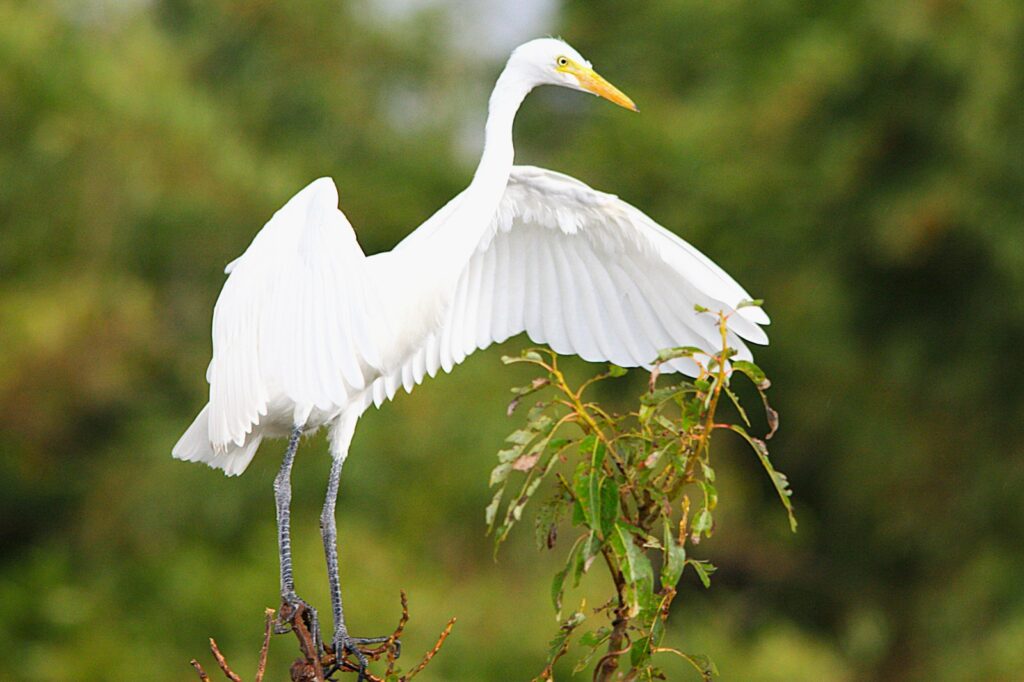
Great Egret
About Ranganathittu Pakshidhama
Mysore Ranganathittu Bird Sanctuary, a riparian habitat of birds comprises of six islands in the banks of River Kaveri. It is a large area, spread over 67 hectares, oldest among the several sanctuaries of Karnataka. People around know it as Ranganathittu Pakshidhama (meaning home to birds)in Kannada.
Planning Your Trip: 2026 Logistics and Best Times
Ranganathittu Bird Sanctuary earned Ramsar site designation in 2022, joining India’s network of internationally important wetlands. This 67-acre sanctuary along the Cauvery River continues drawing migratory birds from Siberia, Australia, and Central Asia annually.
Visit between November and March for peak migratory bird activity. I’ve found January particularly rewarding—the sanctuary hosts its largest diversity during this window. Families with children typically prefer morning visits (cooler weather, active birds), while photographers often choose late afternoon for superior lighting conditions.
Current visitor information (2026):
| Category | Details |
| Adult Entry | ₹80 |
| Child Entry | ₹40 |
| Camera Fee | ₹100 |
| Shared Boat Ride | ₹80 per person |
| Private Boat | ₹1,500 |
| Operating Hours | 8.30 AM – 5.30 PM |
Practical tips from my visits:
- Arrive by 8.15 AM to secure early boat slots
- Plan 2-3 hours for a complete visit
- Combine with Mysuru Palace or Srirangapatna (both within 30 km)
- Bring binoculars—boat distance from nesting sites varies
The sanctuary’s compact size makes it perfect for families with young children who might struggle with longer nature walks.
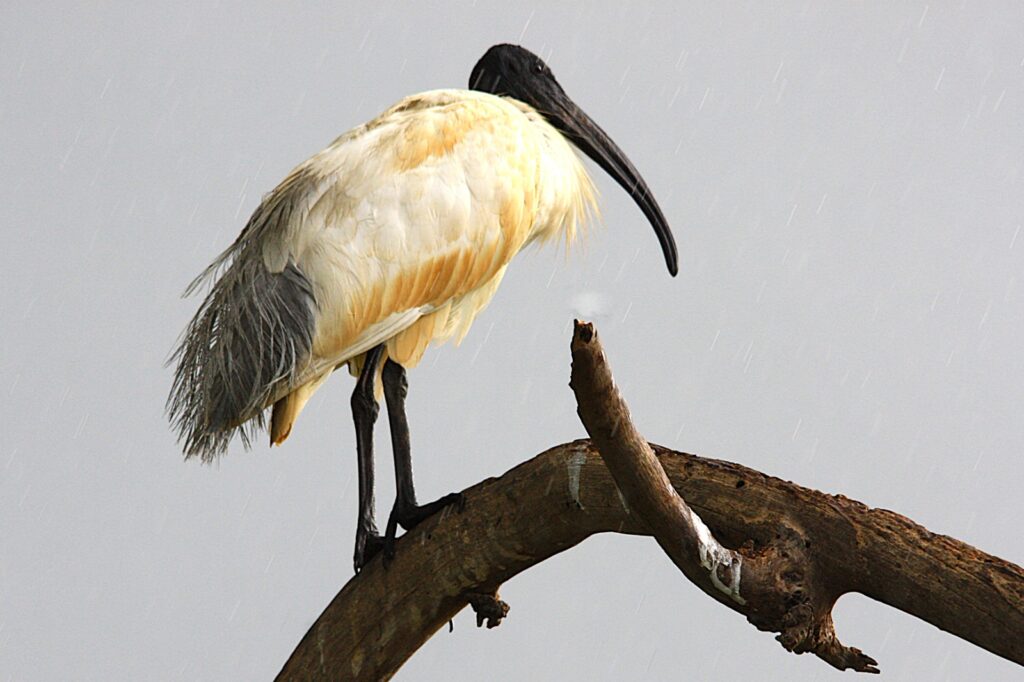
African Sacred Ibis
Morning vs. Evening: Timing Your Boat Ride
I’ve tested both time slots multiple times, and each offers distinct advantages for different goals.
Morning rides (8.30-9.30 AM) deliver peak bird activity. Cormorants spread their wings to dry, painted storks wade through shallows hunting fish, and pied kingfishers dart across the water. The light provides sharp, clear conditions ideal for bird photography. Families find mornings more comfortable—cooler temperatures and energized kids make for better experiences.
Evening rides (4.30-5 PM) offer warm, golden light that transforms both landscape and wildlife shots. Pelicans return to roosting sites, creating beautiful silhouette opportunities against sunset-colored skies. The river mirrors this golden glow, adding atmospheric depth to photographs.
My strategy: Choose mornings for bird behavior and species identification. Pick evenings for dramatic, mood-focused photography. Over ten visits, I’ve alternated between both slots, building a diverse photo collection that captures Ranganathittu’s full character.
Ranganathittu Bird Sanctuary Pakshidhama
Every year around 70,000 birds, including those from Europe migrate to this sanctuary for three to four months to nest. Usually this is from June to November. Karnataka tourism has developed this place well, spruced it up with little gardens, a couple of eateries and ‘boating’ facilities. The boats take you reasonably close to their nests and one can get good pictures of the birds.

History of the Sanctuary
This sanctuary was established in 1940 after the entire land was declared protected area by the then King of Mysore. But the initiative towards this was by ornithologist Salim Ali – the birdman of India. He observed over a period of time that large number of birds migrated to these islets for nesting during certain period of the year.
No commercial activities are allowed near this region without government permission, one of the reasons why you will not find and resorts or homestays near this sanctuary. You have to take road trip from Mysore or Bangalore to this bird haven.
The sanctuary has six islets, it is such a treat to eyes seeing the birds: Pelicans, Painted Storks, Asian Openbill Stork, more (170 varieties recorded) at such close distance totally unmindful of the tourists around.
A Photographer’s Deep Dive: Capturing the Cauvery’s Finest
After ten visits to Ranganathittu Bird Sanctuary with my camera, I’ve learned one truth: the Cauvery River gives and takes in equal measure. The water creates stunning reflections and dramatic backdrops, but photographing here demands real technical skill. River terns dart and dive at incredible speeds. Painted storks wade through shallows without warning. And you’re shooting all of this from a moving boat.
Here’s what actually works.
Focal Length: The 100-400mm Sweet Spot
Most birds at Ranganathittu stay at mid-range distances—roughly 15-30 meters from your boat. I rely on a 100-400mm zoom lens because it handles the sanctuary’s unpredictability. One moment, pelicans perch on distant islets. The next, a kingfisher appears three meters away. That zoom range lets me switch fast without missing shots.
Longer lenses (500-600mm) capture incredible detail on distant darters or storks, but they create problems. When birds fly closer—which happens often—you can’t reframe quickly enough. During my January 2023 visit, I watched a photographer struggle with a 600mm prime while a cormoant landed right beside our boat. He missed it completely.
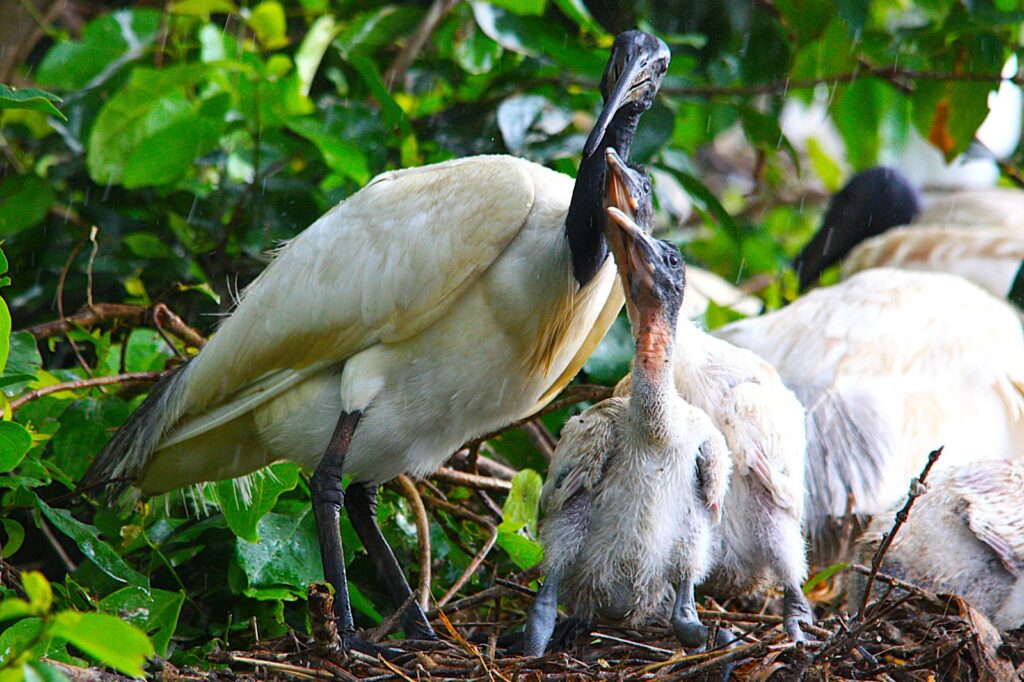
African Sacred Ibis with chicks
Shutter Speed: Freezing River Terns
River terns are Ranganathittu’s aerial acrobats. They hover, dive, and skim water at speeds that blur most shots. I shoot at 1/2000s minimum to freeze their motion. For slower birds like spot-billed pelicans or little cormorants, 1/1000s works fine.
Lighting changes everything. Morning trips let me keep ISO around 400-640. By late afternoon, I push to ISO 1600 to maintain those fast shutter speeds without losing sharpness.
The Boat Shake Problem
This is what nobody warns you about. Boat rides create constant vibration. The Cauvery’s current rocks the vessel. Other passengers shift weight. Even subtle movements blur shots at telephoto lengths.
My solution: activate image stabilization, tuck elbows tight against my torso (never rest them on the boat rail), and shoot in burst mode. Out of every ten frames, maybe two are perfectly sharp. That’s normal here.
Practical Composition Tips
Position yourself at the boat’s edge for clear angles—center seats mean shooting past other passengers. Watch bird behavior patterns. River terns hover 2-3 seconds before diving. That’s your window.
Late afternoon visits transform ordinary shots. Golden light hits the water, adding warm tones to reflections. A basic pelican photo becomes something special.
When I bring my kids, I balance photography with their experience. They get binoculars, I get the camera, and we both enjoy Ranganathittu without rushing. The sanctuary teaches patience—every visit adds new shots to my collection.
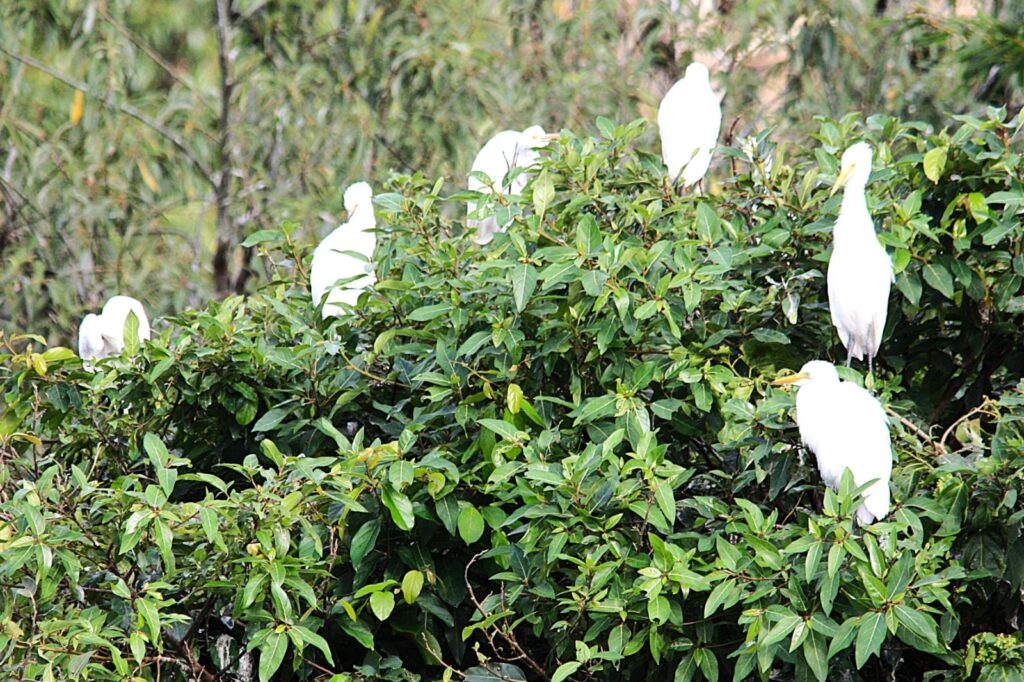
Egrets in Ranganathittu Sanctuary
My Camera Bag: What Actually Works
After testing different setups across multiple Ranganathittu visits, here’s my honest gear recommendation.
The 100-400mm zoom lens wins for versatility. It handles everything from wide river landscapes to close bird portraits. More importantly, it’s lighter than prime lenses—crucial when you’re balancing a camera during 45-minute boat rides with kids nearby.
Serious bird photographers prefer 500mm or 600mm prime lenses for distant species. The image quality is sharper, and you’ll capture details impossible with shorter glass. The downside? Weight and inflexibility. You’ll miss spontaneous close encounters.
Budget-conscious photographers should consider a 70-300mm lens on crop-sensor cameras. It extends your effective reach and costs significantly less. I used 250mm lens for my first three visits before upgrading.
Essential additions: a beanbag (stabilizes the lens against boat shake), spare batteries (you’ll shoot hundreds of frames), and multiple memory cards. At Ranganathittu, the right gear helps—but reading bird behavior matters more.
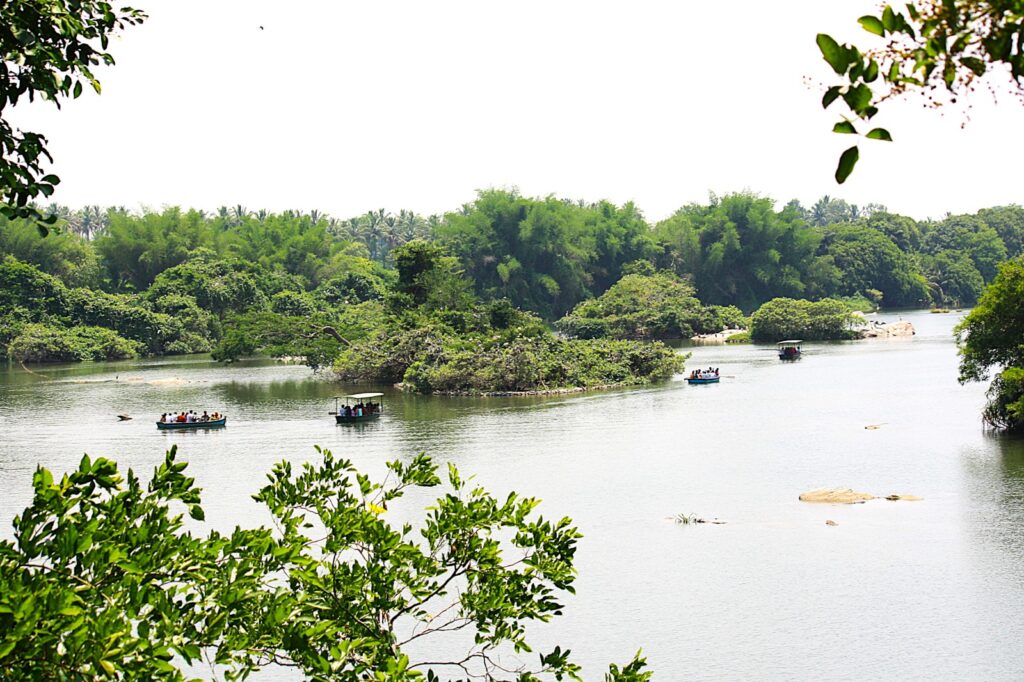
Boating around Islands of Ranganathittu Bird Sanctuary
Peak Season in Sanctuary
During peak season Ranganathittu sanctuary is densely packed with different species of birds. Over the years it seems the different species have created their own spaces within the islands.
Records mention that more than 40,000 birds belonging to 222 species from different parts of the world have visited these islands. A signage at the park highlights that certain species migrated from as far as Siberia and Latin America!
Different birds choose different islands and experienced boatman can steer you to your desired bird’s nesting grounds. Ask for Spoonbill Island, you will be taken to the island where Spoonbill birds have been nesting for decades… as long as his memory… the boatman said.
Once this bird sanctuary had become more famous for crocodiles than for birds because of a nasty crocodile attack on one of the tourists. They are the king of rivers and indeed scary in looks and they seem harmless from a distance.

Ranganathittu Bird Sanctuary Karnataka
Visiting Ranganathittu Bird Sanctuary with Kids: What Actually Works
I had taken my children to Ranganathittu Bird Sanctuary six times now. Some visits went smoothly. Others taught me lessons the hard way. Here’s what makes family trips successful.
Crocodile Safety: Setting Clear Boundaries
Marsh crocodiles sun themselves along the Cauvery’s banks—usually 10-15 meters from boats. They look slow and harmless, which makes kids curious. During our second visit, my daughter leaned over the boat rail trying to photograph one. I learned to establish rules before boarding: hands stay inside, no sudden movements, no throwing anything into the water.
Boat guides maintain safe distances, but parents need to stay alert. The crocodiles rarely approach boats, but clear boundaries prevent accidents and keep everyone calm.
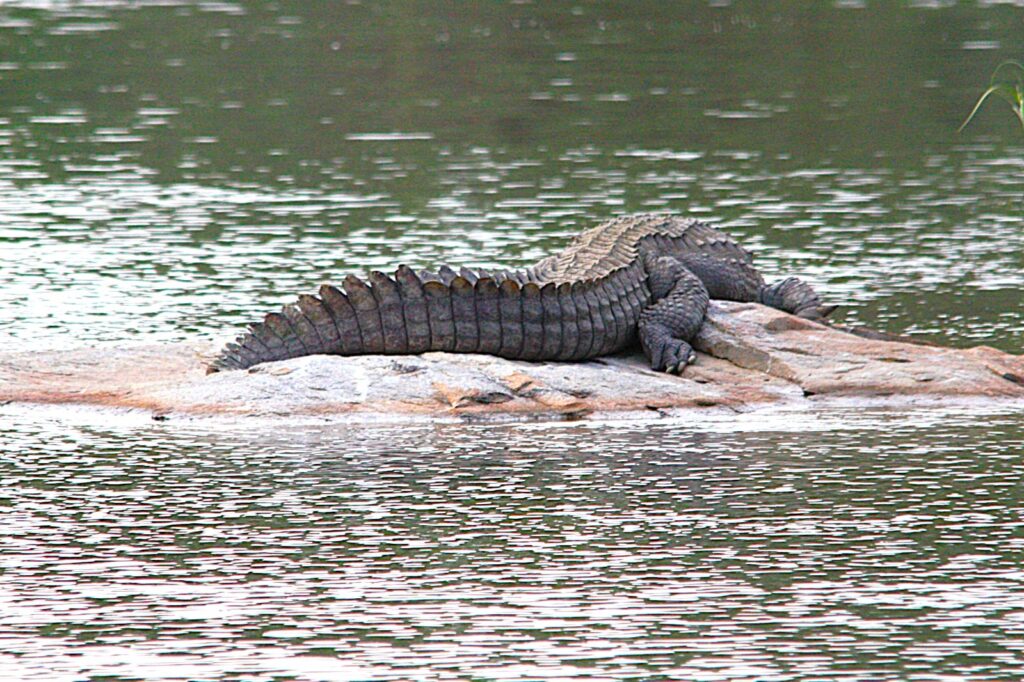
Crocodile in Ranganathittu bird sanctuary
Snacks: The Smart Timing Strategy
Boat rides last 30-45 minutes. That’s just long enough for kids to get hungry and restless. I pack light snacks—bananas, crackers, trail mix—but keep them stored during the ride. Food attracts attention from birds and creates distractions when you’re trying to spot a kingfisher.
We eat immediately after returning to shore. This timing keeps energy levels stable without interfering with the wildlife experience.
Keeping Kids Engaged: Three Tools That Work
Binoculars transform passive watching into active hunting. Even basic 8x magnification lets children spot painted storks, spot-billed pelicans, and Asian openbills independently.
I created a simple bird checklist—10 common species with pictures. My kids used to mark off each sighting. It became a game that lasted the entire visit.
Letting them use a smartphone or basic camera changes everything. They’re not just passengers anymore—they’re junior photographers documenting their own Ranganathittu experience.
The Real Goal
These strategies shift family visits from “Mom’s bird photography trip” to genuine shared experiences. My children learned to recognize river terns by their diving behavior and can identify cormorants drying their wings. Ranganathittu teaches patience and observation—skills that matter beyond birding.
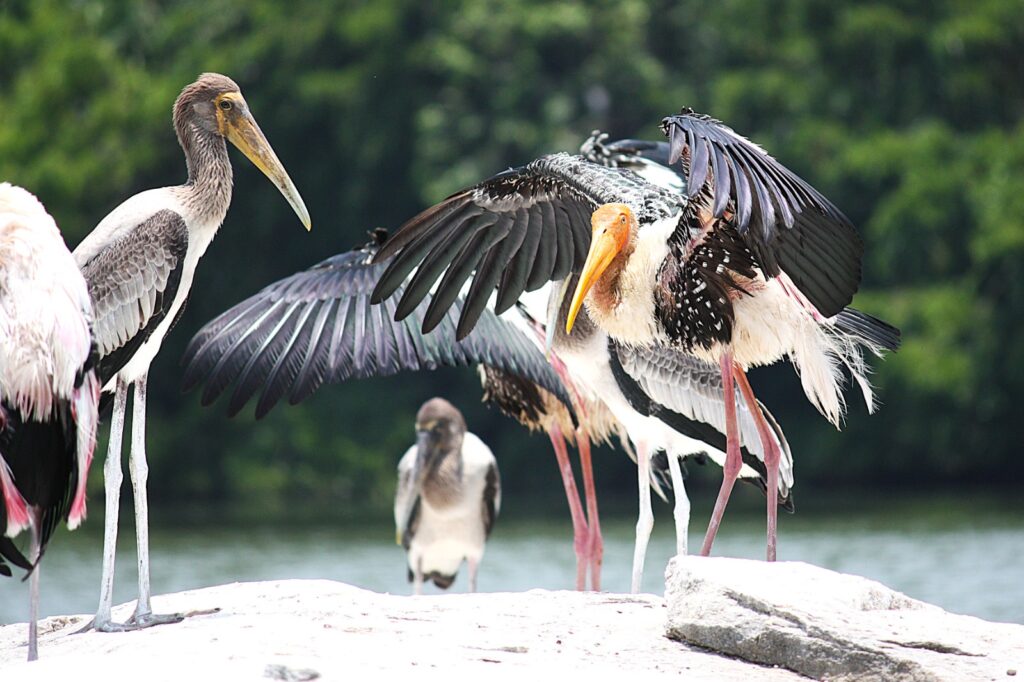
Juvenile painted stork and Adult Painted Stork
Ranganathittu’s Birding Calendar: Timing Your 2026 Visit
Migratory patterns at Ranganathittu Bird Sanctuary follow reliable cycles. After tracking species across multiple visits, I’ve mapped out what you’ll see throughout 2026.
January-February: Peak Migration Window
Winter brings maximum diversity. Bar-headed geese arrive from Central Asia. Asian openbills and painted storks crowd the islets. Spot-billed pelicans fish actively in cooler water. I counted 14 different species during a single January boat ride—my highest tally ever.
March-April: Breeding Season Begins
Nesting activity transforms the sanctuary. Painted storks build stick nests on rocky outcrops. Night herons occupy tree colonies. River terns perform dramatic courtship displays—hovering and diving to impress mates. This period offers unique behavioral photography opportunities.
May-June: Heat and Residents
Migratory birds depart, but resident species remain active. Little cormorants and Indian darters dominate. Early morning visits (8:30 AM) beat the heat. Afternoon temperatures exceed 35°C—challenging for families with young children.
July-August: Monsoon Transformation
The Cauvery swells with rainfall. Bird activity decreases, but marsh crocodiles become more visible along flooded banks. The landscape turns vibrant green—perfect for scenic photography rather than bird-focused shots.
September-October: Gradual Return
Resident species like spot-billed pelicans increase activity as temperatures cool. Early migratory arrivals appear by late October. This transitional period sees moderate crowds and comfortable weather.
November-December: Second Prime Season
Winter migrants return—common teals, northern pintails, Asian openbills. December combines excellent bird diversity with pleasant temperatures, making it ideal for first-time visitors and families.
Plan visits around these patterns to match your specific interests—whether that’s breeding behaviors, maximum species counts, or comfortable family conditions.
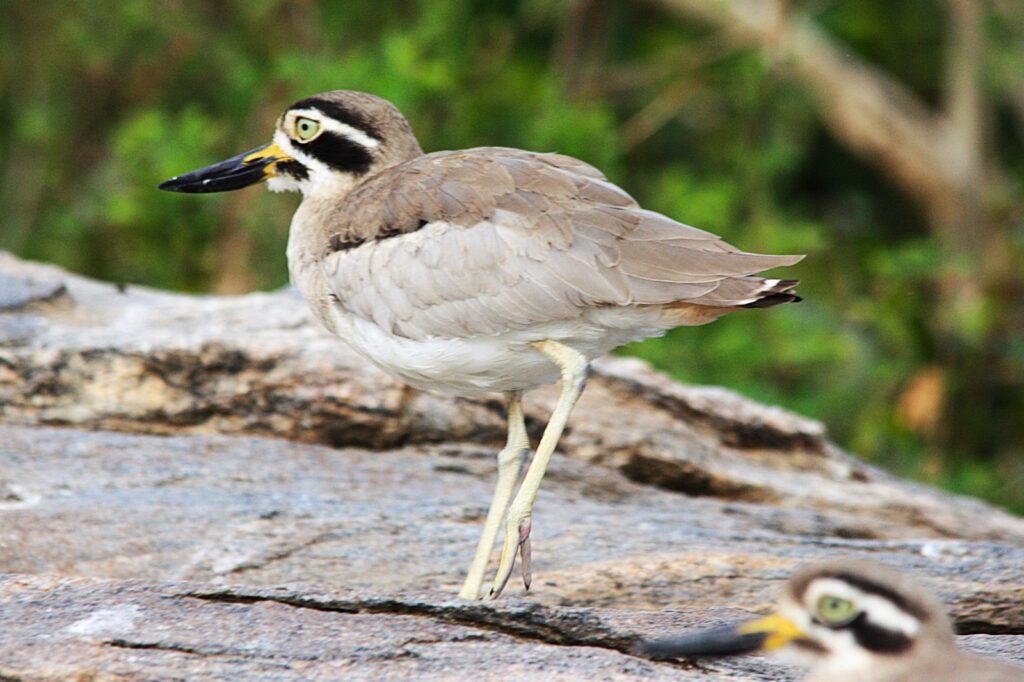
Great Thick-knee
(Old Update on July 2013
Unfortunately today none of these islets are visible; water level has risen 10ft. above the average mark. Cauvery River washed away their nests, along with them the eggs and tiny hatch-lings. The worst affected are the breeds which build nests on lower branches (Snake Bird).
Many birds have left for safer grounds. They are now seen nesting in the trees of Kokkare Bellur, near Maddur, on the Bangalore-Mysore highway. During extreme monsoons, sad news pours in from Ranganathittu Bird Sanctuary. Incessant rains, overflowing of Cauvery River plays havoc in this region washing away nests, eggs, baby birds.)
You may like to read these –> a list of bird sanctuaries of Karnataka I have visited two in this list: Kaggaladu Bird Sanctuary and Kokkarebelur Bird Sanctuary. Both are natural sanctuaries maintained by local people. No tickets are required to visit them.
This post got a mention in Tangy Tuesday Picks by Blogadda.

Ranganathittu Bird Sanctuary Mandya
Beyond the Boats: My Photography Spots at Ranganathittu
Most visitors stick to the standard boat circuit at Ranganathittu Bird Sanctuary. After ten visits, I’ve found three spots that deliver better shots with fewer crowds.
The Northern Watchtower
This elevated platform near the Cauvery’s northern bend gets ignored by most tourists. I climb up here during late afternoons when spot-billed pelicans return in formation. The height eliminates messy backgrounds—you’re shooting birds against clean water or sky. During my March 2024 visit, I captured pelicans gliding in perfect V-formation from this angle.
The Interpretation Center Path
Walk 50 meters past the interpretation center instead of rushing to the boat dock. Early mornings (8:30-9:00 AM) bring pied kingfishers to the low branches here. Darters perch on rocks, spreading wings to dry. Because everyone heads straight for boats, this stretch stays quiet. You can frame shots carefully without people walking through your composition.
Southern Islet Trail
This short trail leads to a shaded viewpoint facing nesting sites. During breeding season (March-April), painted storks build nests within clear camera range. The tree cover softens harsh midday light—useful when morning boat slots are full.
These locations prove Ranganathittu offers more than boat photography. Walking the trails reveals intimate bird encounters that standard tours miss, giving your portfolio variety beyond the typical boat-based shots.
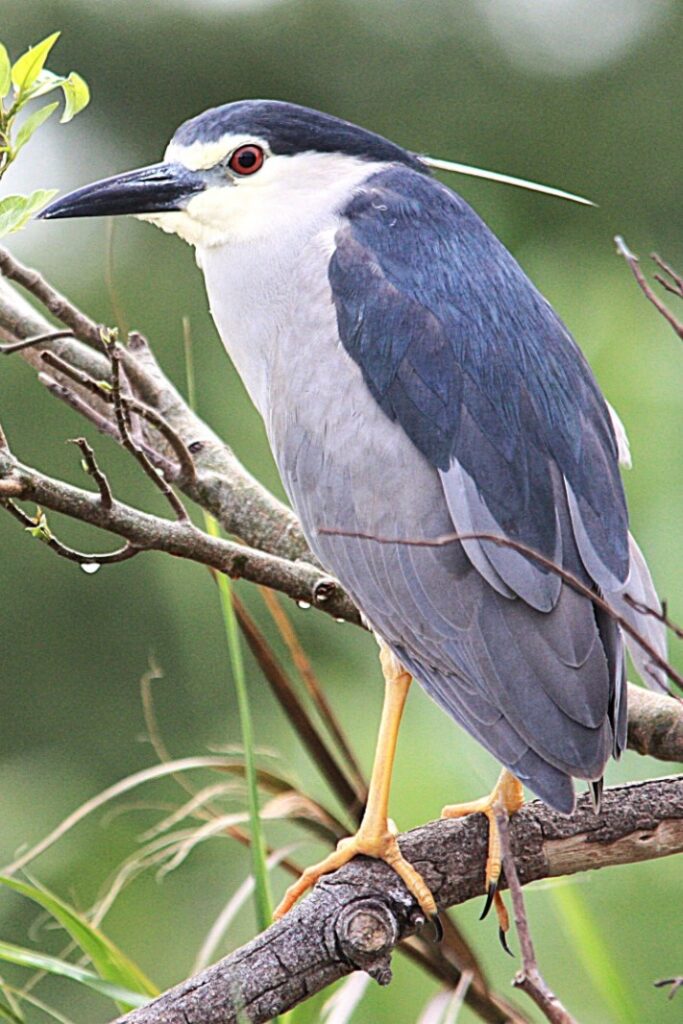
Black-crowned Night Heron
Ranganathittu Bird Sanctuary FAQs
Q1. What is the best time to visit Ranganathittu Bird Sanctuary?
November to March is ideal, with peak migratory activity and pleasant weather.
Q2. Are boat rides safe for children?
Absolutely. Boat rides are stable, guided, life jackets are provided and guides maintain safe distances from crocodiles. I’ve brought my children multiple times without issues. Establish clear safety rules before boarding—hands inside the boat, no leaning over rails.
Q3. Can I carry food inside the sanctuary?
Light snacks are allowed, but avoid littering. Eating during boat rides is discouraged.
Q4. How long should I plan to spend at the sanctuary?
Plan 2-3 hours for a complete visit. The boat ride takes 30-45 minutes. Add time for the walking trails, interpretation center, and photography spots. Families with children typically need the full 3 hours. Dedicated bird photographers often stay 4-5 hours across morning and evening sessions.
Q5. What lens is best for beginners in bird photography here?
A 70–300mm zoom lens works well for most species and is budget-friendly.
Q6. Do I need permits for professional photography equipment?
The standard ₹100 camera fee covers professional equipment including DSLRs and telephoto lenses. No special permits required. Tripods and monopods are allowed on walking trails but impractical on boats due to movement.
Q7. Which birds can I photograph year-round at Ranganathittu?
Resident species stay present throughout the year: spot-billed pelicans, little cormorants, Indian darters, painted storks, and pied kingfishers. These birds offer reliable photography subjects even during off-season months (May-August) when migratory species are absent.
Q8. How close can boats get to nesting sites?
Boat guides maintain 10-15 meter distances from nesting islets to avoid disturbing breeding birds. This distance requires telephoto lenses (300mm minimum) for detailed shots. During breeding season (March-April), guides become more cautious with nest proximity.
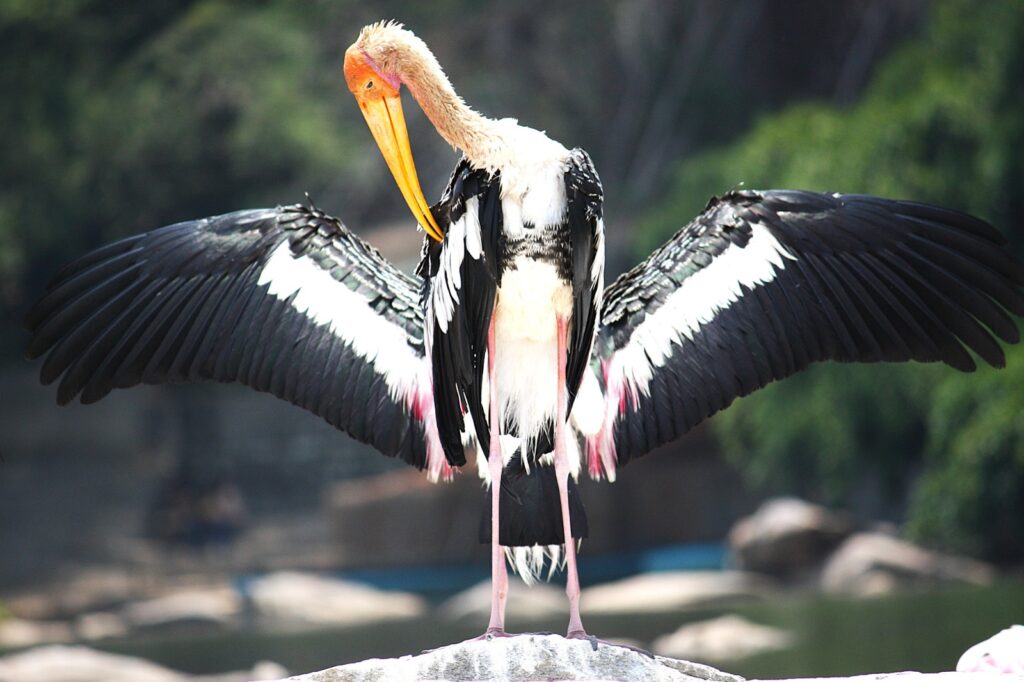
Painted Storks preening feathers
Why Ranganathittu Matters: Protecting Karnataka’s Pakshi Kashi
Ranganathittu earned its nickname “Pakshi Kashi” (Bird Sanctuary) for good reason—it’s Karnataka’s most critical wetland habitat. After ten visits spanning different seasons, I’ve watched how fragile this ecosystem truly is.
We protect Ranganathittu by practicing responsible tourism: keeping voices low during boat rides, carrying out all plastic waste, and never feeding birds. Photographers must never disturb nesting sites for shots—ethical photography means respecting boundaries.
Teaching children about wetland ecology here creates the next generation of conservationists. The painted storks, river terns, and marsh crocodiles along the Cauvery depend on visitors who enjoy without disrupting. That balance ensures Ranganathittu thrives for decades ahead.
Pin and Save this for Later
Guide to Ranganathittu Bird Sanctuary by Indrani
About the Author
 Indrani Ghose is a cultural travel writer and heritage documentation specialist with over 15 years of experience exploring and writing about temples across India and Southeast Asia. Her work has been published in Lonely Planet, The National (UAE), Whetstone Asia, Deccan Herald, and various architecture and heritage journals.
Indrani believes that travel writing serves as a bridge — helping readers experience places more deeply by providing context, answering questions, and sharing both practical logistics and emotional resonance.
Connect with Indrani: Follow Indrani on Instagram | Twitter | Facebook for heritage travel insights, photography tips, and offbeat destination discoveries.










wow, that is some nicely colored storks. Never seen anything like it before. Thanks for sharing.
Stories like this break my heart…none-the-less…those are some gorgeous birds!!! And, all in all, a beautiful surrounding.
This is Anni @ I'd rather b birdin'…just in my personal blog admin today [Hootin' Anni]. I'm too lazy to switch. :o)
Sorry to hear about the devastation with the flooding however great photographs and it looks a lovely place.
Beautiful shots. It sounds like a great place. Sad news about the flooding though.
Sad to hear about the flooding and the loss of the nest. What a great sanctuary. I love all the birds! Thanks for sharing! PS, I hope you do not mind I linked up your blog on my recent post..as one of my favorites to visit.
i love sanctuaries…last week, i had my first brush with such a park….bharatpur bird park….it was fun…btw, the last pic u posted is really fantabulous
While we are glad about the large inflow in Cauvery here… I feel sorry for their sad state.
Very sad indeed..but you were lucky to have beautifully captured what was there and thanks for sharing with us..very disheartening but an informative post..
itz really disheartening dat such rare species r being affected by d natural calamities…imp steps shud b taken 2 prevent such incidents…
i don't know when we will learn to conserve the nature ..
That's sad. Poor birds. They touch my heart.
Oh god! That's so sad! I have been visiting Ranganatittu regularly the past 3 years. Cant imagine the nests getting washed away…so many lives…
Its really hurting to hear the Nature Havoc there…
But I guess the Birds will be there as I guess they can't forget their Migrating Place..
NIce to see a post about Ranganathittu. There are also mugger or marsh crocodiles in this place and one can find them sunning themselves in the rocks. Kingfishers of various species, small sunbirds, baya weavers etc are commonly seen. If you are lucky then you can also see otters.
It is depressing to learn how nature has played havoc with what used to be the temporary shelter of birds. The pictures are beautiful.
i feel sad for the birds and other creatures that have lost their sanctuary from rising waters. i hope the situation would improve soon.
Oh how distressing
Hugs and thanks for sharing such wonderful pics
Hugs
SueAnn
That is sad. I had been there 9 years back. Thanks for sharing this info.
It is one of my favorite places to visit! And I heard about the swollen Cauvery has caused much of destruction! Nice post!
Indeed, it's a sad news. i can feel your sad when you got this news.
This is an usual scene here during the monsoon. And this year monsoon have been really good.
Sad to know 🙁
Nice pics and Thanks for your sharing your post.
That is unfortunate about the waters. What a beautiful place with a great mission, though.
Very sad indeed. A terrible tragedy!
I'm sorry that the rise in water levels destroyed so many nesting sites and nests. Your pictures are wonderful.
that is sad about the flooding and destruction of their nesting!
Oh, how sad that the rising water levels have destroyed so many nests, eggs and birds!! I do hope more survived than than died! Wonderful captures for the day, Indrani!