Bhoot Chaturdashi: Bengal’s Spooky Side on the Eve of Kali Puja
Did you know that before the grand celebrations of Diwali and Kali Puja, Bengalis observe their own version of Halloween? Welcome to Bhoot Chaturdashi, a night shrouded in mystery, folklore, and ancient traditions.
West Bengal along with 3 other states celebrates Bhoot Chaturdashi on eve of Kali Puja while the rest of India celebrates chhoti Diwali on this new moon day. It is an integral part of Bengal’s autumn festival season.
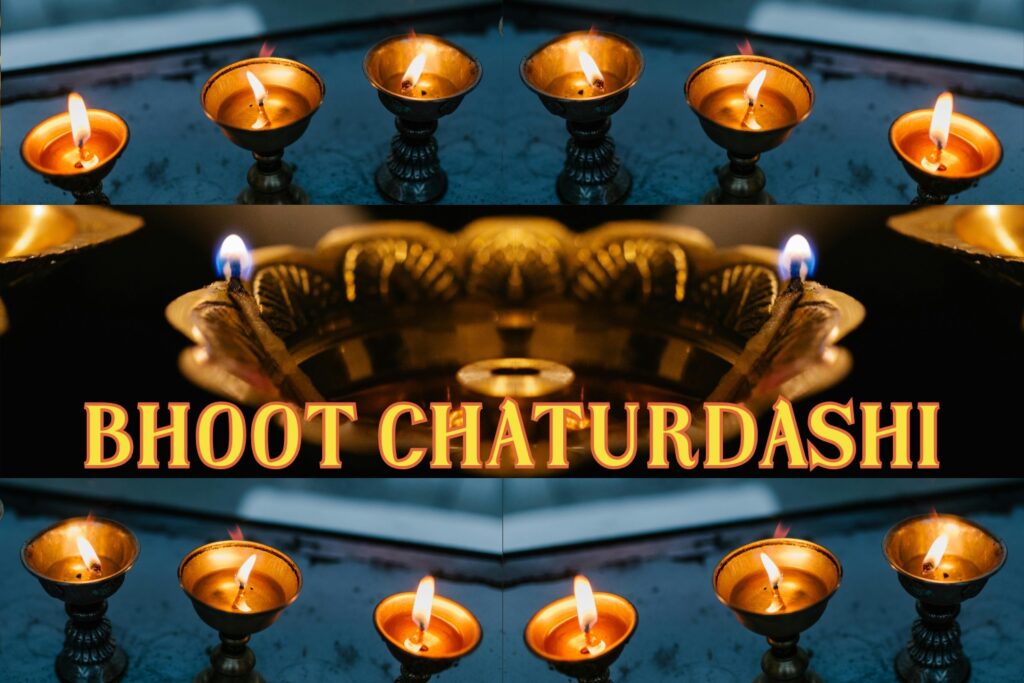
Bhoot Chaturdashi
What is Bhoot Chaturdashi Festival
Before Kali Puja, Bengali households celebrate Bhoot Chaturdashi, a unique custom, celebrated to ward off the evil spirits. It is similar to Halloween celebrated in west. The night prior to Kali Pujo, it is believed that bhoot (meaning ghost) descends on earth. Bengalis clean up the house, clear all garbage which is considered a favourite haunt of bhoot so that they are not able to establish their residence there.
Chaturdashi meaning 14th – The festival Bhoot Chaturdashi is celebrated on fourteenth day of the Krishna Paksha (the dark, waning fortnight of the moon), in the month of Kartik (September-October) in Hindu calendar. They believe bhoot (ghosts) of choddo purush (14 generations) descend on earth on this night.
Other names for this Hindu festival Bhoot Chaturdashi are:
- Naraka Chaturdashi
- Chhoti Diwali
- Kali Chaudas
- Narak Chaudas
- Roop Chaudas
- Narak Nivaran Chaturdashi
- Bengali Halloween
The Lore of the 14: Legends Behind Bhoot Chaturdashi
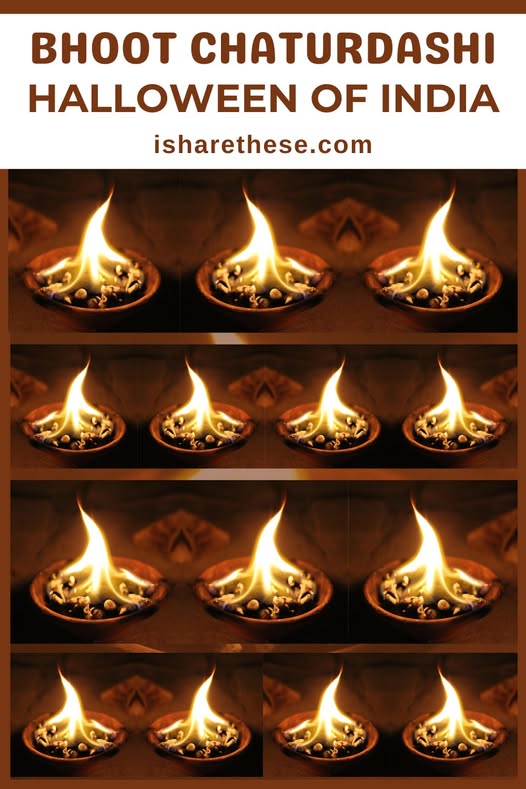
Choddo Prodip for Choddo Purush, Choddo Saag – Bengalis in West Bengal celebrate the festival with choddo prodip (14 lamps). In addition to that they eat choddo saag (14 different kinds of leafy vegetables).

Bhoot Chaturdashi – pic by Chandrani Choudhury
Historical Origins of Bhoot Chaturdashi in Bengali Folklore
Reverence of Choddo Purush
The origin of Bhoot Chaturdashi is based on spiritual beliefs about the relationship between the living and the departed. According to traditional narratives, the eve of Amavasya (new moon night) marks a time when the veil between the physical and spiritual realms becomes thin, allowing ancestral spirits to visit their descendants.
The festival embodies the Bengali philosophy of honoring one’s lineage while maintaining protection against negative spiritual influences. This dual purpose – reverence and protection – makes Bhoot Chaturdashi unique among Indian festivals.
Bengali culture has always emphasized the importance of choddo purush (ancestral) blessings and guidance. During Bhoot Chaturdashi families acknowledge their departed loved ones across fourteen generations, creating a spiritual bridge between past and present.
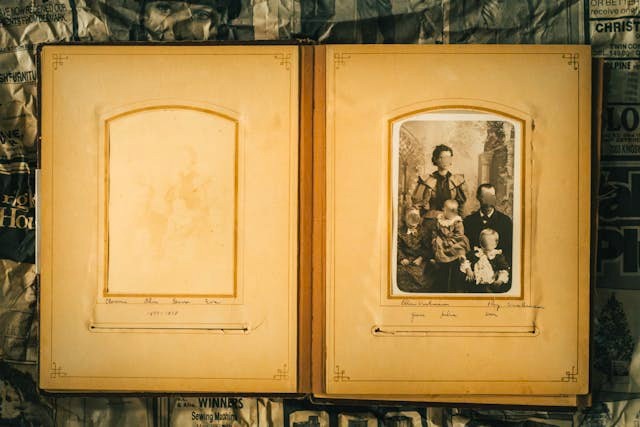
Old Photo in an Album
The Ritual of lighting Choddo Pradip on Bhoot Chaturdashi
Spiritual Significance of the Lamps
The lighting of fourteen earthen lamps represents one of the most visually striking aspects of Bhoot Chaturdashi. Each lamp symbolically represents and guides one generation of ancestors, creating a luminous pathway for benevolent spirits while deterring unwelcome entities.
Placement and Arrangement of the Lamps
Families strategically place these diyas throughout their homes, paying special attention to:
- Dark corners and hidden spaces where negative energy might accumulate
- Main entrances and doorways to create protective barriers
- Courtyards and terraces to welcome ancestral spirits
- Around tulsi plants and sacred areas to enhance spiritual sanctity
The warm glow of these lit lamps transforms homes into beacons of spiritual protection and ancestral welcome.
Choddo Shaak: The Sacred Fourteen-Vegetable Preparation
Culinary Tradition with Spiritual Purpose
The preparation and consumption of Choddo Shaak represents the festival’s most distinctive culinary tradition. This special dish requires exactly fourteen different leafy vegetables, each chosen for its nutritional and spiritual properties.
Traditional Vegetables Used
The fourteen leafy vegetables typically include:
- Palong Shaak (Spinach)
- Methi Shaak (Fenugreek leaves)
- Sarshey Shaak (Mustard greens)
- Lal Shaak (Red amaranth)
- Puishak (Malabar spinach)
- Kalmi Shaak (Water spinach)
- Thankuni Pata (Indian pennywort)
- Bathua Shaak (Chenopodium)
- Neem Pata (Neem leaves)
- Sujan Shaak (Drumstick leaves)
- Helencha Shaak (Enydra fluctuans)
- Kolmi Shaak (Alternanthera sessilis)
- Machkanta (Amaranthus viridis)
- Bramhi Shaak (Bacopa monnieri)
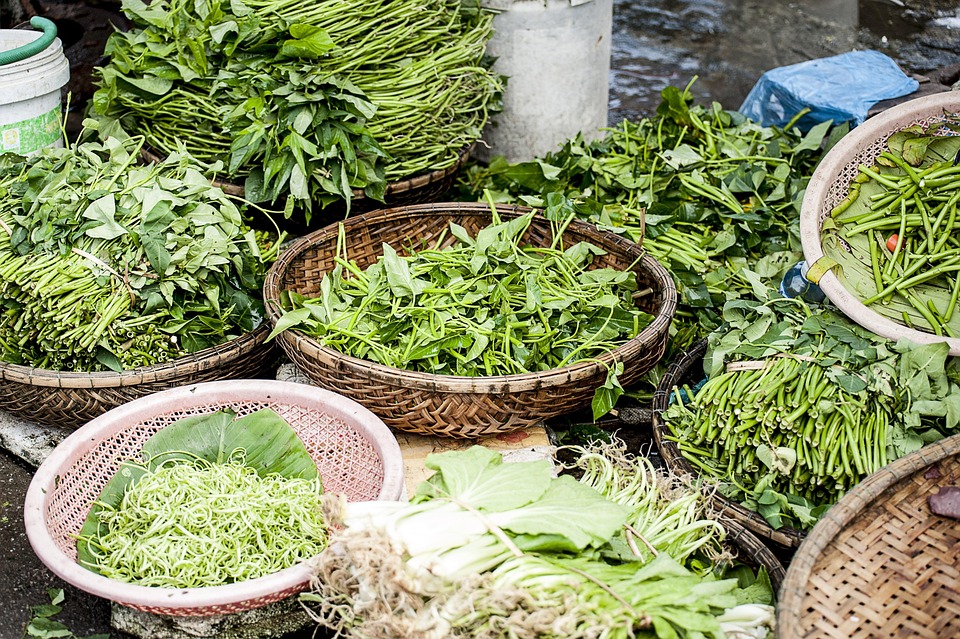
Choddo shaak – 14 leafy vegetables for Bengali Halloween
Health Benefits and Seasonal Wisdom
The tradition of consuming fourteen different greens during autumn reflects ancient Indian wisdom about seasonal nutrition. These vegetables provide essential vitamins and minerals needed to boost immunity as winter approaches, while their bitter and astringent properties help cleanse the body of accumulated toxins.
How to plan Bhoot Chaturdashi Celebration
For those looking to observe Bhoot Chaturdashi, here’s a practical guide:
Materials Needed:
- 14 earthen diyas or clay lamps
- Mustard oil or sesame oil for the lamps
- Cotton wicks
- 14 different leafy vegetables
- Basic cooking ingredients (turmeric, salt, garlic, green chilies)
Timeline for preparation:
- One week before: Source all fourteen vegetables and lamp materials
- Day before: Clean and prepare vegetables, arrange lamps
- Day of celebration: Light lamps at sunset, prepare and consume Choddo Shaak
Where to Source Traditional Vegetables
In India:
- Local vegetable markets often stock special “Choddo Shaak” combinations during the festival
- Organic farms and specialty stores
- Community gardens and exchanges
International Communities:
- Indian grocery stores
- Local farmer’s markets for substitute greens
- Community networks and cultural organizations
- Online specialty retailers
Regional Variations Across Bengal
West Bengal Traditions
In West Bengal, Bhoot Chaturdashi maintains its most traditional form, with families gathering to perform elaborate rituals. Urban areas have adapted the celebration to apartment living, with creative arrangements of diyas on balconies and terraces.
Bangladesh Observances
Bengali communities in Bangladesh continue to observe Bhoot Chaturdashi with equal fervor, often incorporating local vegetables and regional variations in the preparation of Choddo Shaak.
Diaspora Communities
Bengali communities worldwide have adapted Bhoot Chaturdashi to their local environments, sometimes substituting unavailable traditional vegetables with local leafy greens that serve similar nutritional purposes.
Modern Celebrations and Adaptations
Urban Adaptations
Contemporary celebrations of Bhoot Chaturdashi have evolved to accommodate modern lifestyles while preserving essential spiritual elements. Urban Bengali families often:
- Use LED candles as alternatives to traditional diyas in high-rise buildings
- Source vegetables from specialty stores or grow them in kitchen gardens
- Organize community celebrations in housing societies
- Share the tradition through social media and digital platforms
Eco-Friendly Practices
Modern environmental consciousness has influenced how families celebrate, with many opting for:
- Biodegradable clay lamps over plastic alternatives
- Organic vegetables for Choddo Shaak preparation
- Minimal packaging and waste generation
- Community sharing to reduce individual environmental impact
Bhoot Chaturdashi vs. Global Halloween Traditions
Similarities and Differences
While often compared to Halloween due to its connection with spirits, Bhoot Chaturdashi differs significantly in its approach and purpose:
Similarities:
- Both involve acknowledgment of the spirit world
- Celebrated during autumn months
- Include protective rituals
- Feature community participation
Key Differences:
- Bhoot Chaturdashi emphasizes ancestral reverence rather than fear
- Focuses on spiritual protection and blessing rather than entertainment
- Incorporates specific dietary and lighting rituals
- Maintains deep cultural and religious significance
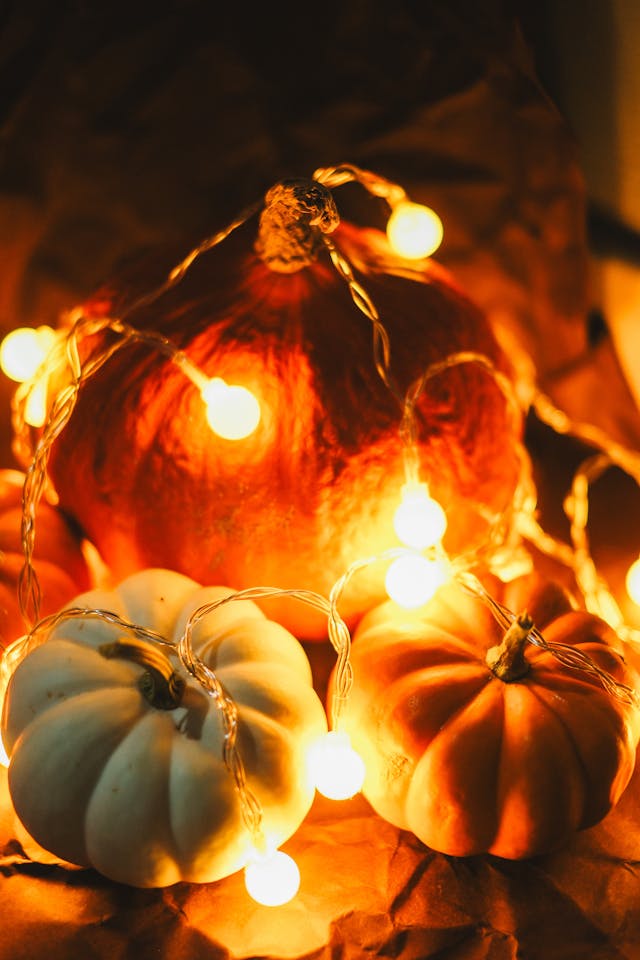
Both festivals Illuminated with Lights
Contemporary Relevance and Cultural Preservation
Maintaining Tradition in Modern Times
Bhoot Chaturdashi represents more than a religious observance; it embodies a sustainable lifestyle philosophy that modern society can learn from. The festival’s emphasis on seasonal eating, family unity, and spiritual wellness offers valuable lessons for contemporary living.
Educational Value
For younger generations, Bhoot Chaturdashi provides opportunities to:
- Learn about ancestral traditions and family history
- Understand seasonal nutrition and sustainable eating
- Develop appreciation for Bengali culture and heritage
- Practice mindfulness and spiritual reflection
Cultural Bridge-Building
In multicultural societies, Bhoot Chaturdashi serves as an opportunity for cultural exchange, allowing Bengali families to share their traditions while learning about other communities’ festivals and practices.
Scientific Perspective on Traditional Practices
Seasonal Nutrition Science
Modern nutritional science validates many aspects of the Choddo Shaak tradition:
- Phytonutrient Diversity: Consuming multiple varieties of leafy greens provides a wide spectrum of phytonutrients and antioxidants.
- Seasonal Adaptation: The timing aligns with the body’s need for immune support and detoxification before winter.
- Mindful Eating: The ritualistic preparation and consumption promote mindful eating practices linked to better digestion and satisfaction.
Psychological Benefits of Ritual
Research in psychology and anthropology supports the mental health benefits of ritual practices like Bhoot Chaturdashi:
- Stress Reduction: Ritualistic activities can lower cortisol levels and promote relaxation
- Social Connection: Community celebrations strengthen social bonds and support networks
- Meaning-Making: Spiritual practices help individuals find purpose and meaning in their lives
Economic and Social Impact of Bhoot Chaturdashi Festival
Local Economy Support
Bhoot Chaturdashi celebrations contribute to local economies through:
- Increased demand for seasonal vegetables, benefiting local farmers
- Sales of traditional clay lamps and cooking materials
- Community gatherings that support local venues and caterers
Social Cohesion
The festival strengthens community bonds through:
- Shared preparation and celebration activities
- Intergenerational knowledge transfer
- Cultural identity reinforcement
- Neighbor and community interaction
Future of Bhoot Chaturdashi
Digital Age Adaptations
As Bengal’s diaspora spreads globally, digital platforms are helping preserve and share Bhoot Chaturdashi traditions:
- Virtual celebrations connecting families across continents
- Online tutorials for traditional preparations
- Digital storytelling preserving festival narratives and meanings
- Social media communities sharing experiences and variations
Sustainability Focus
Future celebrations are likely to emphasize:
- Eco-friendly materials and biodegradable alternatives
- Local sourcing to reduce environmental impact
- Waste reduction through community sharing and reuse
- Organic farming support through festival purchasing decisions
Bhoot Chaturdashi FAQ – Complete Guide to Bengal’s Festival of Lights and Spirits
Q1: What is Bhoot Chaturdashi and when is it celebrated?
A: Bhoot Chaturdashi is a traditional Bengali festival celebrated on the 14th day (Chaturdashi Tithi) of the waning moon in the month of Kartik. It typically falls one day before Kali Puja and involves lighting fourteen earthen lamps and eating a dish made from fourteen different leafy vegetables called “Choddo Shaak.”
Q2: Why is it called “Bhoot” Chaturdashi? Does it involve ghosts?
A: “Bhoot” literally means “ghost” or “spirit,” but the festival isn’t about scary ghosts. It’s about honoring ancestral spirits and creating protection against negative energies. The name reflects the belief that this night allows benevolent ancestral spirits to visit their descendants while the lamps ward off unwelcome entities.
Q3: What type of oil should I use for the lamps?
A: Traditionally, mustard oil or sesame oil is used. These oils are considered spiritually purifying in Bengali culture. If these aren’t available, any vegetable oil can be substituted, but mustard oil is preferred for its traditional and spiritual significance.
Q4: Why exactly fourteen lamps? What’s the significance?
A: Each of the fourteen lamps represents one generation of ancestors, symbolically honoring fourteen generations of family lineage. The lamps create a spiritual pathway for benevolent ancestral spirits while providing protection against negative energies.
Q5: What if I can’t find all fourteen traditional vegetables?
A: You can substitute unavailable vegetables with other leafy greens like kale, arugula, chard, or locally available greens. The spiritual intention and nutritional diversity matter more than having the exact traditional varieties, especially for diaspora communities.
Q6: What time should I light the lamps and eat the Choddo Shaak?
A: Traditionally, lamps are lit at sunset and kept burning through the evening. Choddo Shaak is typically prepared and consumed for dinner on Bhoot Chaturdashi night, allowing you to end the day with this purifying meal.
Q7: What prayers or mantras should I recite?
A: There are no specific mandatory prayers. Many families recite general prayers for ancestral blessings, protection mantras, or simply express gratitude to their ancestors. The intention and respect matter more than specific words.
Q8: Is there a specific dress code for Bhoot Chaturdashi?
A: No specific dress code exists. Many people wear traditional Bengali clothing like sarees or kurtas, but comfortable clothing suitable for cooking and lighting lamps is perfectly appropriate.
Q9: What should I do with the lamps after the festival?
A: Clay lamps can be:
- Cleaned and stored for future use
- Returned to earth (they’re biodegradable)
- Used for other festivals throughout the year
- Given to plants as they make good drainage material
Q10: How long do the celebrations typically last?
A: Bhoot Chaturdashi is primarily a one-evening celebration, though preparation may begin a day or two earlier. The lamps are lit at sunset and burn through the evening, and the special meal is consumed on the festival night.
Conclusion
In our increasingly disconnected world, this ancient festival offers valuable lessons about the importance of ancestral wisdom, seasonal living, and community connection. Whether celebrated in its traditional form in Bengal or adapted for global diaspora communities, Bhoot Chaturdashi continues to illuminate homes and hearts with its message of protection, reverence, and renewal.
For those interested in experiencing this unique aspect of Bengali culture, Bhoot Chaturdashi provides an accessible entry point into understanding the depth and beauty of Bengal’s spiritual and culinary traditions. As the fourteen lamps flicker in the autumn darkness, they carry forward not just light, but the eternal human desire to connect with something greater than ourselves.
Pin this for later










Great Research my friend. Keep it up!
Very interesting post. I was totally unaware about the Kali Pujo. I’m sure many others like me must have got to know about it from your great post. I like the pictures that shows the making of the idol.
Nice post.
Happy Kali Puja and Subho Diwali
Greetings
Such an interesting image. Love the bright colors.
Very nice. Wish I could have extended my stay in Kolkata for Kali Puja as well!!!
Thanks a lot for sharing Indrani ji . Wish you a very Happy Deepawali
I can imagine what it must have been like to watch the artist(s) at work. I love watching people paint, too.
Nice knowing about Kali Pujo. I hope you had a good puja. 🙂
Very informative post, Indrani. Wish you a very Happy Kali Puja and Diwali 🙂
I had no idea Bangalore also perms this festival with so much zeal and vibrancy 🙂 Thanks for sharing!
Lovely post!
Beautiful 🙂
Hello Indrani, the idols are colorful, it is great to be able to watch them being painted. Happy Diwali, Indrani!
Happy Monday, enjoy your new week!
Wow! It’s great to see that Bangalore is celebrating Kali pujo with such enthusiasm… 🙂
Subho Kali pujo, Indrani… 🙂
Happy Diwali Indtani. Fantastic images.
Thank you Bob!
Wow! Thanks for sharing that. I was not aware of Kali Pujo and the story behind it. Great pictures. Where did you click them in Bangalore?
Yes Parul in Bangalore.
Thanks. 🙂
Thanks for the new info. Do they burst crackers?
Yes they do Arun.
Thanks!
Thanks a lot for sharing Indrani!!!
Her story always seem to intrigue me. They do say hell hath no fury than a woman scorned (or simply put angry 😀 )
Colorful and nice indeed!
So colorful. Hope to experience this first hand some day! ?
Colorful and fun to see!! Wonderful capture as always, Indrani!! I hope you have a wonderful new week!!
Indrani – I didn’t know the story behind this form of Kali .. Thank you do much, got to learn something today!
Oh, I would LOVE to have one of these. I hope something similar is still there when I come…plan to in April.
I believe I would find it soothing to watch the artists paint too. I think it’s great they let you take photos too!